

Executive Overview
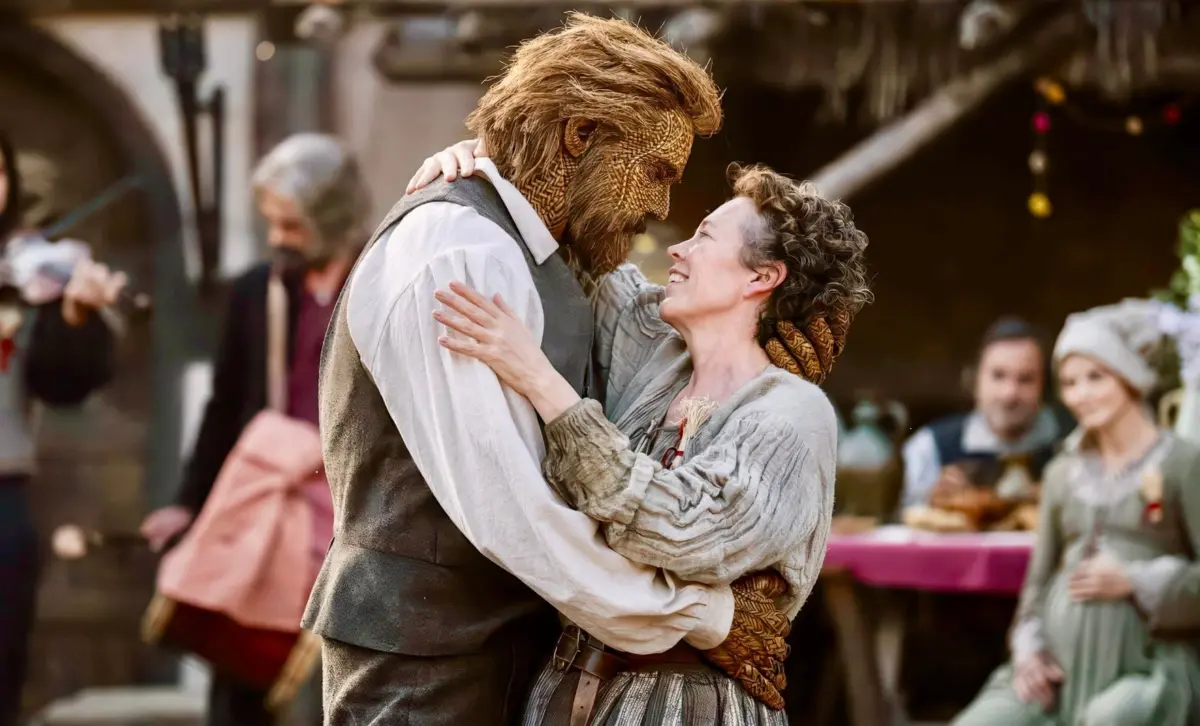
In an era dominated by superhero franchises, predictable IP revivals, and algorithmic cinematic universes, original romantic cinema is a rare and endangered species. Enter Wicker, a delightfully eccentric, deeply tender, and fiercely passionate fantasy film that has taken the cultural zeitgeist by storm. Directed with a rare blend of whimsy and emotional intelligence, the film stars Academy Award winner Olivia Colman as a rugged, idiosyncratic fisherwoman living a quiet coastal life, and Emmy winner Alexander Skarsgård as a man uniquely brought to life for her, constructed entirely from wicker.
What began as a curious cinematic premise has rapidly evolved into a full-scale cultural conversation. Critics and audiences alike are losing their minds over the picture, with The Hollywood Reporter praising it as "the horniest, most tender film of the year." Beyond its striking visuals and high-concept premise, Wicker has struck a nerve by subverting tired Hollywood tropes. It champions authentic mid-life female sexuality without irony or shame, while simultaneously introducing a male protagonist who rejects toxic masculinity in favor of a profound, unabashed adoration for his partner.
Based on the celebrated short story by Ursula Wills, Wicker is much more than a quirky late-autumn box office success; it is a cultural mirror reflecting shifting desires for how media portrays intimacy, aging, and mutual devotion. This report provides an in-depth exploration of the film’s origins, its thematic resonances, critical reception, and its broader implications for contemporary storytelling.
Detailed Chronology: From Page to Screen and Cultural Phenomenon
To understand the cultural earthquake surrounding Wicker, one must trace its journey from a literary page to a cinematic lightning rod.
Phase I: The Literary Genesis
The foundation of the phenomenon lies in the imaginative short story by author Ursula Wills. Published to critical acclaim within literary circles, Wills’s narrative explored themes of loneliness, craftsmanship, tactile longing, and the surreal nature of human connection. The central conceit—a woman living on the fringes of society who receives a bespoke companion woven from the earth itself—offered a poetic meditation on grief and regeneration. For years, the story remained a beloved piece of speculative fiction, read by those who appreciated magical realism with emotional weight.
Phase II: Casting and Production
When the adaptation was greenlit, the casting announcements immediately signaled that this would be no ordinary romantic fantasy. Securing Olivia Colman—universally revered for her dramatic depth, comedic timing, and raw authenticity—ensured that the fisherwoman character would be grounded in gritty, relatable humanity rather than archetype. Paired with Alexander Skarsgård, known for his physical commitment to transformative and often intense roles, the pairing possessed an electric, unpredictable chemistry.
Production photos and early trailers teased an atmospheric world of salt-stung air, coastal fog, and tactile, handcrafted artistry. Yet, nothing could fully prepare audiences for the tonal tightrope walk of the finished feature: a film that seamlessly marries bizarre body horror-adjacent whimsy with deeply earnest romantic longing.
Phase III: The Premiere and Viral Reception
Upon its release, Wicker immediately polarized early test audiences before winning over the broader public through a tidal wave of word-of-mouth acclaim. Social media platforms quickly became saturated with discussions regarding the film’s surprisingly explicit romantic encounters and its refreshing emotional core. Reviewers highlighted the picture not merely as a fantasy, but as a watershed moment for representation on screen. As interviews with the cast began to circulate—highlighting Colman and Skarsgård’s progressive views on aging, intimacy, and partnership—the film transformed from a standard movie release into a sprawling, multi-platform cultural discourse.
Supporting Context & Metrics: Redefining Intimacy and Partnership on Screen
The resonance of Wicker extends far beyond traditional box-office metrics; its true impact is measured in the sociological and cultural conversations it has ignited around age, sex, and healthy masculinity.
1. Dismantling the Myth of the Post-Aged Sexless Woman
For decades, Hollywood cinema has operated under a quiet, restrictive unspoken rule: female sexuality on screen has an expiration date, typically hovering somewhere around the age of forty. Older women in mainstream films are frequently relegated to maternal archetypes, quirky neighbors, or desexualized background figures.
Wicker shatteringly demolishes this outdated convention. Olivia Colman’s character engages in passionate, highly active, and deeply satisfying intimacy throughout the film. Speaking candidly about her role, Colman remarked:
"All of my friends still very much have sex lives. I don’t think you have to sew it closed once you get to a certain age."
This sentiment strikes at the heart of a broader cultural pushback against invisible womanhood. Cultural commentators have noted that witnessing a fifty-something woman experience uninhibited desire, physical pleasure, and romantic adoration on a massive cinematic platform provides a vital sense of validation for millions of viewers. It normalizes the reality that desire does not dissipate with time; rather, it often evolves into something richer and more confident.
2. The Radical Act of Men Loving Their Wives
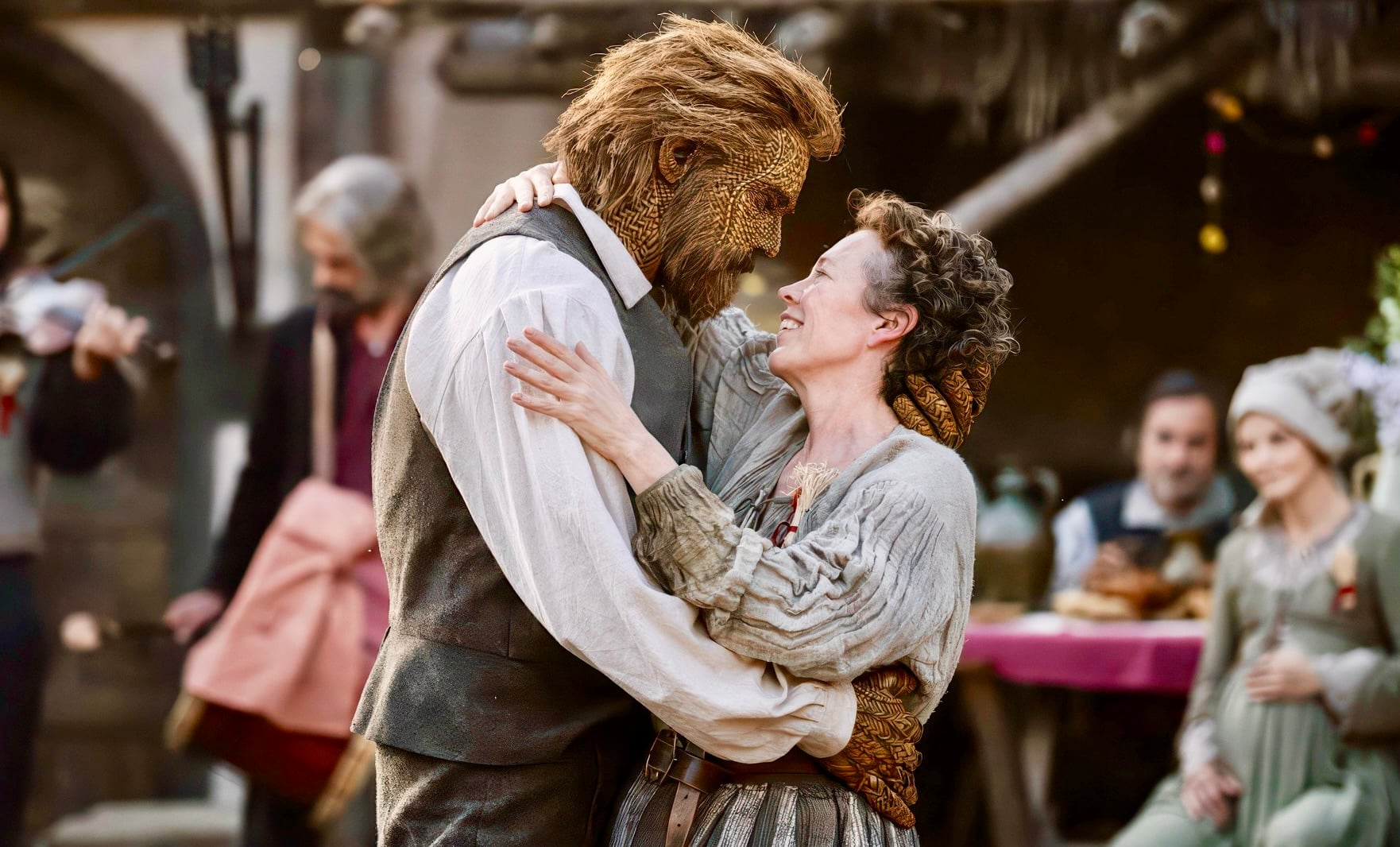
Equally revolutionary within Wicker is the emotional architecture of its male protagonist. In a cinematic landscape historically saturated with lazy tropes of marital misery—the "ball and chain" comedic archetype, emotionally stunted husbands, and bro-culture banter that demeans female partners—Skarsgård’s character presents a breathtaking alternative.
In interviews discussing his role, Skarsgård emphasized his character’s transparent devotion:
"He wants his partner to thrive and be happy. Even when he goes to the bar and hangs out with the other guys, he’s honest about that. He doesn’t fall into the bro banter of, ‘Oh yeah, the old ball and chain is back home.’"
This portrayal has struck a resonant chord with audiences weary of casual misogyny masked as humor. The public appetite for media that champions healthy, supportive relationships is visibly swelling. This sentiment was famously captured by comedian Phoebe Robinson in a viral social media reel addressing the cultural exhaustion surrounding anti-wife tropes:
"Quit this nonsense, wives are amazing! Hating your wife isn’t a personality."
By showcasing a man who is unabashedly, transparently, and unashamedly proud of his partner, Wicker acts as a fictional antidote to decades of cynical relationship portrayals, proving that sincere devotion is not only emotionally fulfilling, but dramatically compelling.
Official Statements and Critical Commentary
The critical consensus surrounding Wicker has been overwhelmingly positive, characterized by critics praising its fearless tonal shifts and emotional sincerity.
In its defining review, The Hollywood Reporter anointed the film "the horniest, most tender film of the year," capturing the unique juxtaposition of visceral physical passion and delicate emotional vulnerability that defines the core relationship.
Meanwhile, high-profile features in publications like The New York Times have focused on the actors’ off-screen philosophical alignments with their characters. Critics have lauded the creative team for refusing to play the material with winking irony. Instead, director and cast alike approached the fantastical premise—a human falling in love with a being made of woven plant fibers—with total, unwavering emotional sincerity. It is this absolute commitment to the emotional truth of the narrative that prevents the film from collapsing into camp, elevating it instead to the status of a modern romantic fable.
Future Outlook and Cultural Legacy
As Wicker continues its theatrical run and expands its footprint into digital and home-viewing markets, its long-term cultural legacy is already coming into focus.
Impact on Indie and Mid-Budget Filmmaking
The unexpected success of Wicker serves as a powerful proof-of-concept for studio executives and independent producers alike: audiences are hungry for high-concept, original stories that refuse to fit neatly into predefined boxes. By proving that a bizarre, tender fantasy starring older leads can capture the cultural imagination and generate substantial critical and commercial momentum, the film paves the way for riskier greenlights in the future. Writers and directors seeking to explore magical realism, unconventional romance, and mature thematic material now have a recent, high-profile benchmark of success.
Revitalization of Short Fiction Adaptations
Furthermore, the film’s triumph highlights the rich cinematic potential waiting to be unlocked within contemporary short fiction. Ursula Wills’s original short story has experienced a massive resurgence in readership, demonstrating how screen adaptations can breathe new life into literary short-form publishing. Moving forward, industry scouts are expected to cast a much wider net across literary magazines and independent presses in search of similarly imaginative, self-contained narratives.
A New Standard for Screen Romance
Ultimately, Wicker will be remembered not merely as a quirky cinematic curio, but as a film that helped shift the needle on what modern audiences expect from screen romance. By insisting that desire has no age limit, and that mutual, unashamed adoration between partners is the ultimate goal rather than an uncool cliché, Wicker has woven itself permanently into the fabric of contemporary pop culture. It leaves behind an inspiring mandate for future storytellers: take creative risks, honor emotional honesty, and remember that audiences are always ready to fall in love with something entirely new.