

Executive Overview
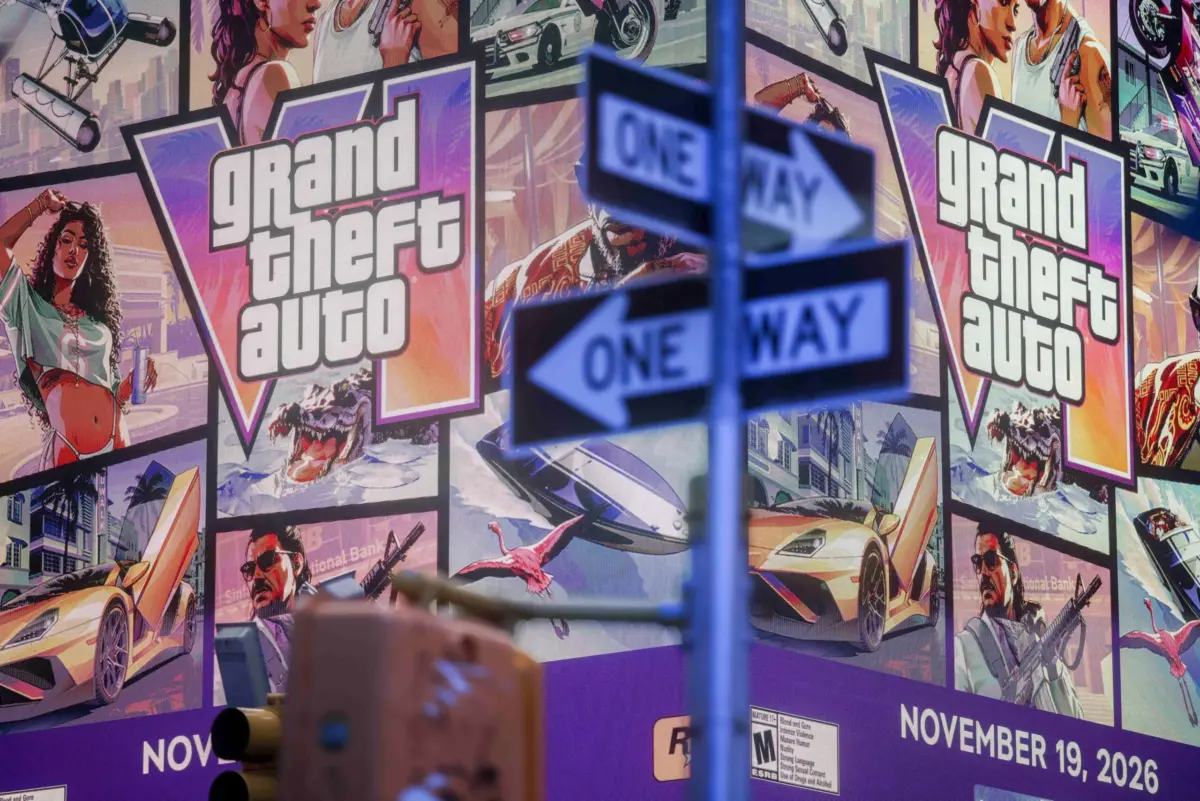
As the global entertainment industry stands on the precipice of its most momentous product release in history, the impending arrival of Rockstar Games’ Grand Theft Auto VI serves as more than just a monumental milestone for interactive software. It represents a watershed moment that will fundamentally redefine the boundaries of media consumption, cultural gravity, and corporate marketing.
To understand the magnitude of this shift, one must trace the evolution of the medium from the pioneering days of 3D open-world design to the modern era, where video games command a larger share of global attention and revenue than film and music combined. Gaming is no longer an alternative form of recreation or a subcultural niche; it is the reigning titan of global entertainment. With an installed base of over 150 million next-generation consoles, surging physical and digital software sales, and a sprawling, highly engaged demographic, the industry is experiencing a massive resurgence.
Yet, as the cultural gravity of Grand Theft Auto VI threatens to pull all surrounding entertainment into its orbit—dwarfing historical box office titans and redefining what a product launch can achieve—a critical paradox emerges for corporate brands. While many companies scramble to associate themselves with the aesthetic and hype surrounding Rockstar’s upcoming masterpiece, the reality is that Grand Theft Auto VI is not a playground for traditional, risk-averse advertising. Rockstar Games requires no marketing partners, and the sheer cultural dominance of the title leaves little room for external brands to "move the needle."
Instead, industry veterans and marketing leaders argue that brands attempting to treat the gaming ecosystem as a mere tourist destination will find themselves alienated. Authentic success in the gaming space requires a departure from superficial ad placements and a commitment to delivering tangible, value-driven utility to players. Through deep-dive analyses of past cross-industry triumphs—such as collaborations executed by OPI, IKEA, Fanta, and Trolli—this report examines how non-endemic brands can authentically integrate into the gaming landscape, avoid the pitfalls of opportunistic marketing, and build lasting, profitable relationships with the world’s most influential consumer base.
Detailed Chronology: From Pixelated Pioneers to the Threshold of GTA VI
The Genesis of Modern 3D Open Worlds (2001)
To fully appreciate the upcoming seismic shift of Grand Theft Auto VI, one must look back to a pivotal moment at E3 2001. Long before open-world games were ubiquitous, the debut of playable builds for Grand Theft Auto III permanently altered the trajectory of interactive entertainment.
Transitioning the franchise from a top-down 2D perspective into a fully realized, three-dimensional living city was nothing short of revolutionary. Liberty City felt inhabited, chaotic, dynamic, and pregnant with emergent gameplay possibilities. Characters possessed distinct personalities, and player agency was prioritized above all else. It was an unmistakable masterclass in world-building by Rockstar Games that laid the structural foundation for modern sandbox design.
The Corporate Evolution of Gaming and Marketing
In the years following that 2001 milestone, the corporate landscape surrounding gaming evolved in tandem with the technology. Executives who cut their teeth marketing powerhouse properties—ranging from the Pokémon Trading Card Game at Wizards of the Coast to leadership roles on EA SPORTS’ Madden NFL franchise—witnessed firsthand how traditional media paradigms shifted toward interactive media.
This era of maturation taught foundational lessons about brand-consumer dynamics: the connections established between video games and their fanbases represent an unprecedented "blue ocean" of opportunity. Gamers constitute an enormous, deeply engaged, and remarkably passionate audience that traditional television and print media can no longer reach with the same efficacy. However, as the industry transitioned from simple hardware cycles to sprawling, connected ecosystems, the rules of engagement for corporate partners grew increasingly complex.
The Looming Horizon of Grand Theft Auto VI
Fast forward to the present day. Grand Theft Auto V, originally launched in 2013, has achieved staggering, historic milestones, shipping over 230 million copies across multiple console generations. For more than a decade, it has served as an economic and cultural juggernaut.
Now, as the industry counts down the days to Grand Theft Auto VI, analysts are predicting a culturally destabilizing event. The title is projected to consume all oxygen in the entertainment ecosystem, completely overshadowing historical benchmarks. Industry forecasts suggest that GTA VI will easily outperform the former biggest entertainment launch of all time, Avengers: Endgame, and generate box office-equivalent revenues that surpass the combined domestic and international earnings of blockbuster cinematic releases like Avengers: Doomsday and Dune: Part Three. It is an unprecedented convergence of pop-culture anticipation, signaling that interactive media now dictates the rhythm of global entertainment.
Supporting Context & Metrics: The Resurgence of Console Gaming
The impending dominance of Grand Theft Auto VI is not an isolated phenomenon; it is the tip of the spear for a broader, undeniable resurgence in console and digital gaming.
Quantitative Indicators of Growth
Recent market intelligence from industry data partner Circana highlights the robust health of the gaming sector. Physical video game software unit sales recently surged by an impressive 40% year-over-year. Simultaneously, digital storefronts—across PlayStation, Xbox, Nintendo, and PC platforms—are shattering historical concurrent user records on a near-monthly basis.
Key metrics driving this unprecedented expansion include:
- Hardware Penetration: There are currently upward of 150 million new-generation consoles actively sitting in living rooms worldwide.
- Software Output: Developers and publishers are releasing a higher volume of diverse, high-quality titles for these platforms than at any previous point in industry history.
- Global Reach: Gaming has extended its unassailable lead as the dominant global entertainment segment, comfortably outpacing the combined revenues of the global film and music industries.
The Brand "Tourist" Dilemma
With this overwhelming momentum comes a predictable stampede. Corporate marketing departments, eager to capture a fraction of the cultural zeitgeist surrounding Grand Theft Auto VI, are actively seeking ways to dip their toes into the gaming market. Many are attempting to mimic the gritty, satirical, high-octane aesthetic of Rockstar’s franchise simply to be part of the conversation.
However, industry experts caution that Grand Theft Auto VI is fundamentally unsuited for risk-averse advertising campaigns. More importantly, Rockstar Games does not need co-marketing partners. When an entire global populace is guaranteed to purchase your product on day one, there is virtually nothing an external brand can offer that will move the sales needle.
For brands looking to capitalize on gaming culture, attempting to hijack the GTA VI phenomenon is a fool’s errand. Instead, corporate entities are far better served by collaborating with gaming properties and publishers that actively seek strategic support, alignment, and mutual growth.
Case Studies: Brands That Have Flourished in Gaming
For organizations striving to navigate the interactive landscape authentically, a wealth of successful case studies demonstrates how non-endemic brands can integrate themselves seamlessly into the gaming community without resorting to superficial, disruptive advertising.
1. OPI x Xbox: Bridging the Gender Demographic Gap
- The Challenge: Women comprise approximately 50% of the total video game audience, yet historically, they have remained severely underserved by hardware manufacturers and product marketers alike.
- The Strategy: Renowned beauty brand OPI partnered with Xbox to develop a vibrant, gamer-centric product line: a specialized collection of nail polish colors inspired by iconic gaming terminology and palettes. The launch was heavily supported by experiential marketing activations within select Target retail stores.
- The Result: The initial product line experienced immediate sellouts. The resounding success prompted a secondary, expanded collaboration the following year that transcended cosmetics, culminating in the release of the Sunkissed Vibes OPI Special Edition Xbox Controller. By addressing an underserved demographic with genuine utility and playful self-expression, OPI firmly established its footprint in gaming culture.
2. IKEA: Solving Ergonomic and Environmental Pain Points
- The Challenge: Gamers spend hours sitting in physical spaces that often present ergonomic and organizational challenges, including tangled cables, poor posture, and cluttered living environments.
- The Strategy: Rather than slapping a logo on a generic product, home furnishing giant IKEA partnered with top-tier gaming designers to architect an entire collection dedicated explicitly to the gamer’s room.
- The Result: The resulting product lineup intelligently addressed core physical pain points: cable management, adaptable modular furniture setups, and posture-supporting accessories. By solving real-world problems for players, IKEA proved how a non-endemic brand can earn organic respect by materially improving the daily gaming experience.
3. Fanta x Xbox: Global Scale Through Flavor and Access
- The Challenge: Beverage brands continually seek innovative entry points to engage entertainment-focused demographics without alienating them through intrusive banner ads or uninspired product placements.
- The Strategy: Fanta forged a massive, cross-continental partnership with Xbox, serving as a gateway to deliver refreshing beverages alongside exclusive in-game rewards. The campaign spanned over sixty countries, featuring promotional cans wrapped in custom, striking artwork and the introduction of an entirely new, co-developed flavor: Fanta Crimson Sour Cherry.
- The Result: The activation generated over one billion online impressions before a single dollar of traditional media spend was deployed. This explosive organic reach was a direct testament to the mutual enthusiasm shared by both gaming and beverage fanbases when an activation offers genuine novelty and exclusive value.
4. Trolli: Cultivating Long-Term Community Loyalty
- The Challenge: Confectionery brand Trolli discovered via consumer research that gaming was overwhelmingly the primary hobby of their core demographic.
- The Strategy: Moving away from one-off, transactional advertising, Trolli established a sustained, long-term strategic presence. This was anchored by exclusive consumer packaged goods (CPG) giveaways and League Trolli—an ongoing esports program designed to connect with competitive gamers through community tournaments and tangible prizes.
- The Result: By maintaining an always-on consistency within the competitive gaming ecosystem, Trolli forged an authentic, highly reliable relationship with players, proving that longevity and community support yield far greater dividends than fleeting promotional stunts.
Future Outlook: The Next Thirteen Years of Interactive Media
As the industry looks ahead to the release of Grand Theft Auto VI and evaluates the lessons learned over the thirteen years since Grand Theft Auto V shipped in 2013, the mandate for corporate brands is clear: Do not be a tourist in the gaming space.
The gaming ecosystem rewards authenticity, respect, and tangible value. When brands approach players with offerings rooted in representation, utility, exclusivity, or sustained community engagement, the community responds with organic enthusiasm and viral advocacy. Conversely, superficial campaigns designed merely to exploit gaming’s cultural dominance are quickly recognized and rejected by a digitally savvy audience.
With gaming firmly cemented as the undisputed capital of global entertainment, corporate marketing executives must decide whether they will build thoughtful, long-term strategies tailored to this vibrant medium. The alternative is to let another decade slip by while competitors capture the hearts, minds, and wallets of the world’s most powerful consumer base. The roadmap has been drawn, the metrics are undeniable, and the future of entertainment belongs to those who understand that in gaming, you cannot fake authenticity—you have to earn it.
