

Executive Overview
The modern workplace has undergone a seismic shift over the past decade, driven by remote work, changing social norms, and an evolving definition of professional attire. Nowhere is this transformation more visible than in the intersection of comfort and executive presence. As professionals across fields—from clinical psychology and law to creative industries and corporate consulting—return to physical workspaces or present themselves on virtual platforms, the rigid, highly structured garments of the past have given way to a more relaxed, yet undeniably polished, aesthetic.
At the center of this sartorial evolution stands the slouchy blazer.
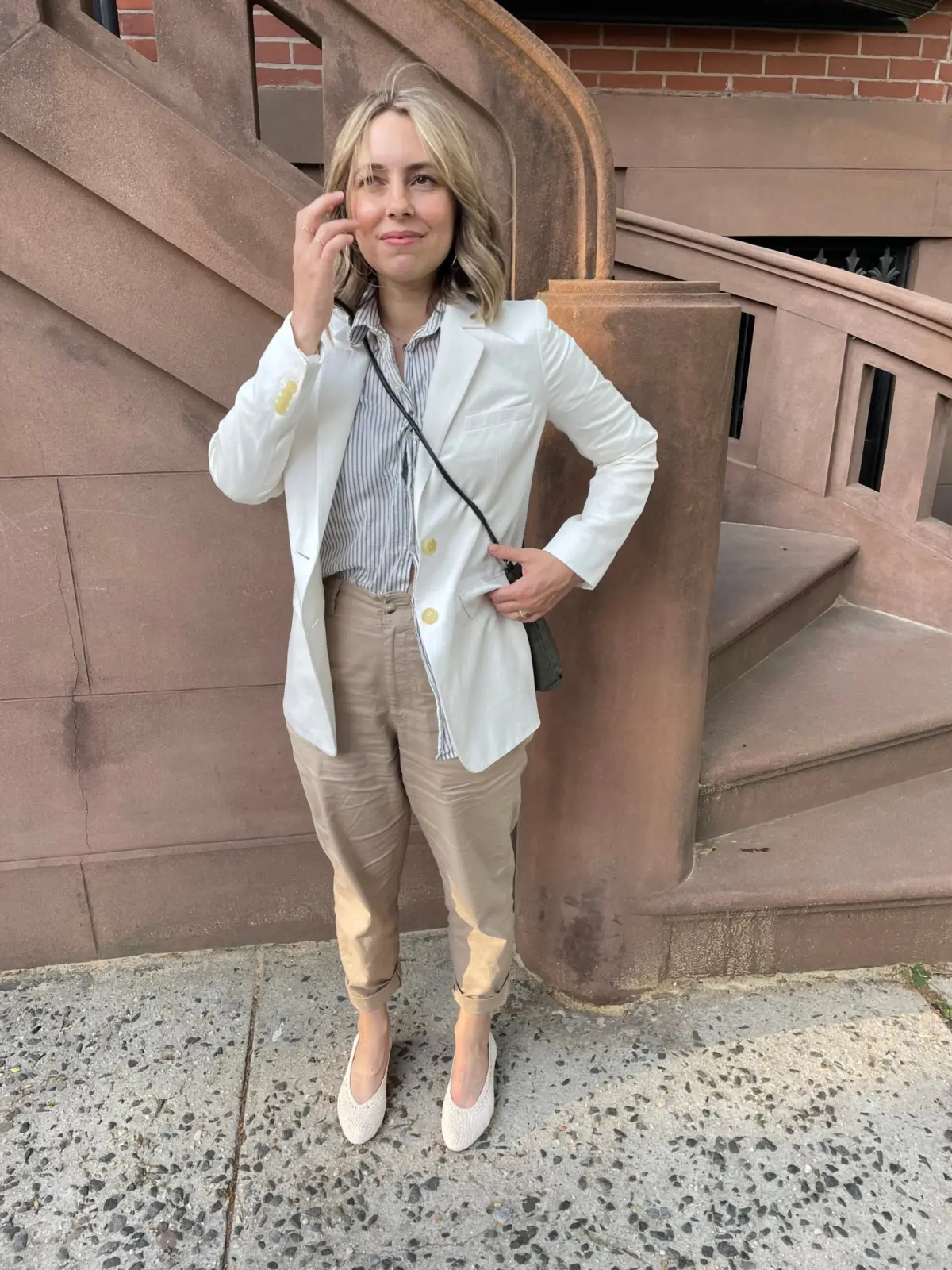
Far removed from the stiff, heavily padded riding jackets or formal corporate tailoring of the late 20th century, today’s preferred outerwear balances relaxed geometry with refined styling. According to recent lifestyle and fashion data, the foundational outfit formula of a casual t-shirt, a slouchy blazer, and well-fitted denim has emerged as the definitive uniform for contemporary professionals. This garment solves a unique psychological and practical puzzle: how to look authoritative and put-together while remaining approachable and comfortable throughout a demanding workday.
This report examines the resurgence of the slouchy blazer for the fall season, exploring the design mechanics that separate a sloppy garment from a chic statement piece, highlighting current market options and major retail promotions, and offering expert-driven styling advice for professionals looking to upgrade their seasonal capsule wardrobe.
Detailed Chronology: From Stiff Tailoring to Relaxed Elegance
The Traditional Era of Corporate Outerwear
For decades, the blazer was synonymous with corporate conformity. Characterized by aggressive shoulder pads, cinched waists, heavy internal canvassing, and stiff synthetic or wool blends, these jackets were engineered to project strict authority. While effective in traditional boardrooms, they frequently caused discomfort during long sedentary hours and felt deeply out of place in modern, collaborative environments.
The Shift Toward Hybrid Work Uniforms
As dress codes relaxed following the widespread adoption of hybrid work models, traditional tailoring experienced a sharp decline in daily wear. However, professionals quickly realized that eliminating structured layers entirely could result in an overly casual appearance—particularly for client-facing roles, therapists, educators, and creative directors who must project instant competence.
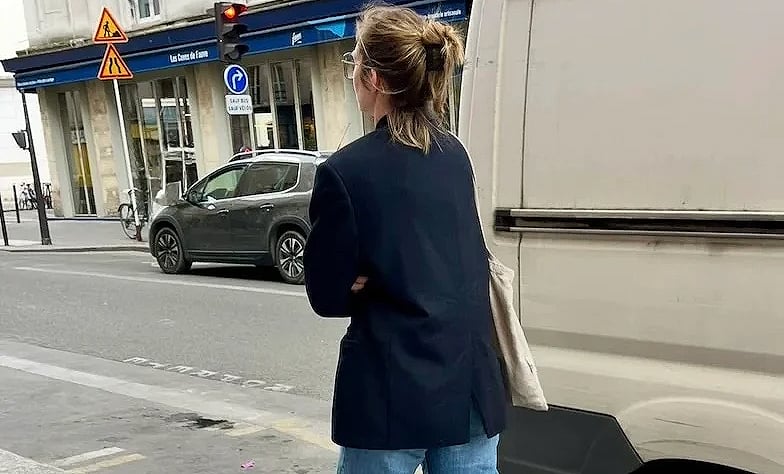
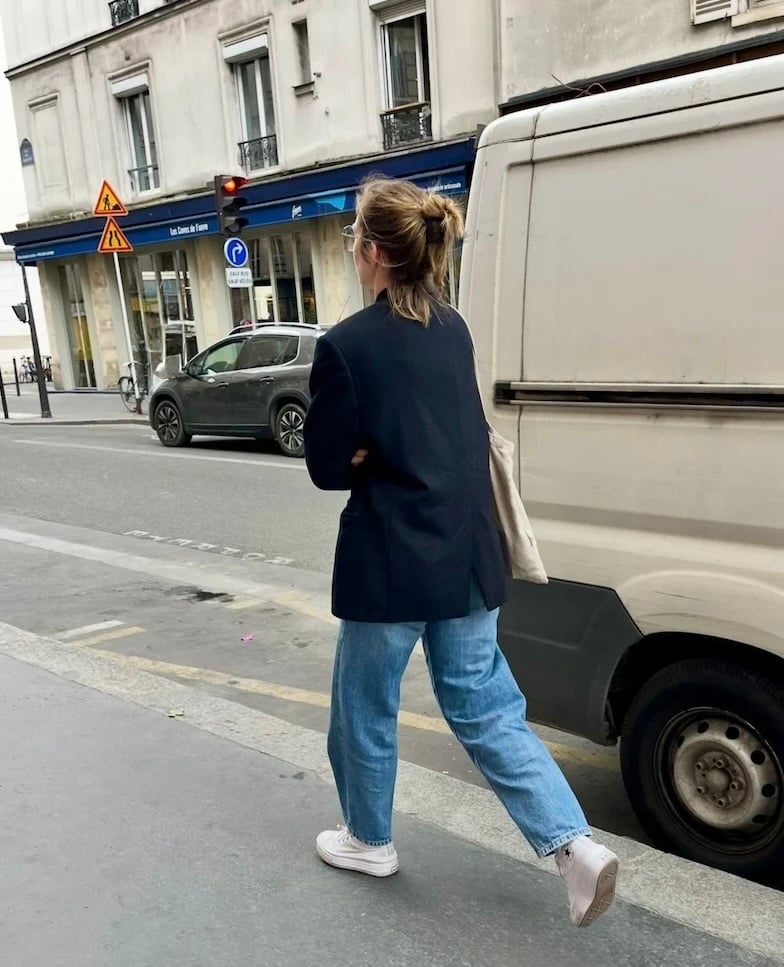
The compromise emerged organically on the streets of fashion capitals like Paris, Milan, and New York. Style enthusiasts began pairing oversized, unconstructed blazers with basic cotton t-shirts, vintage denim, and minimalist footwear. This high-low mixing created a visual tension: the blazer added instant intellectual weight and polish, while the relaxed fit communicated ease, confidence, and modern relevance.
The Fall Market Surge
By the early fall season, the demand for unconstructed outerwear reached a critical mass among working professionals seeking transitional wardrobe solutions. Retailers responded with targeted promotional events—most notably Madewell’s Insiders Event and extensive markdowns at luxury-adjacent retailers like Nordstrom Rack—making high-end, slouchy silhouettes accessible to a broader consumer base. Today, the slouchy blazer is no longer a niche runway trend; it is a mass-market staple backed by active consumer engagement and robust retail demand.
Supporting Context & Metrics: The Anatomy of a Slouchy Blazer
Achieving the coveted "effortless" look is deceptively technical. Fashion experts and stylists emphasize that finding the right slouchy blazer requires understanding specific structural elements. Wearing an oversized jacket without intentional design features can quickly make the wearer look unpolished rather than chic.
1. The Soft Shoulder
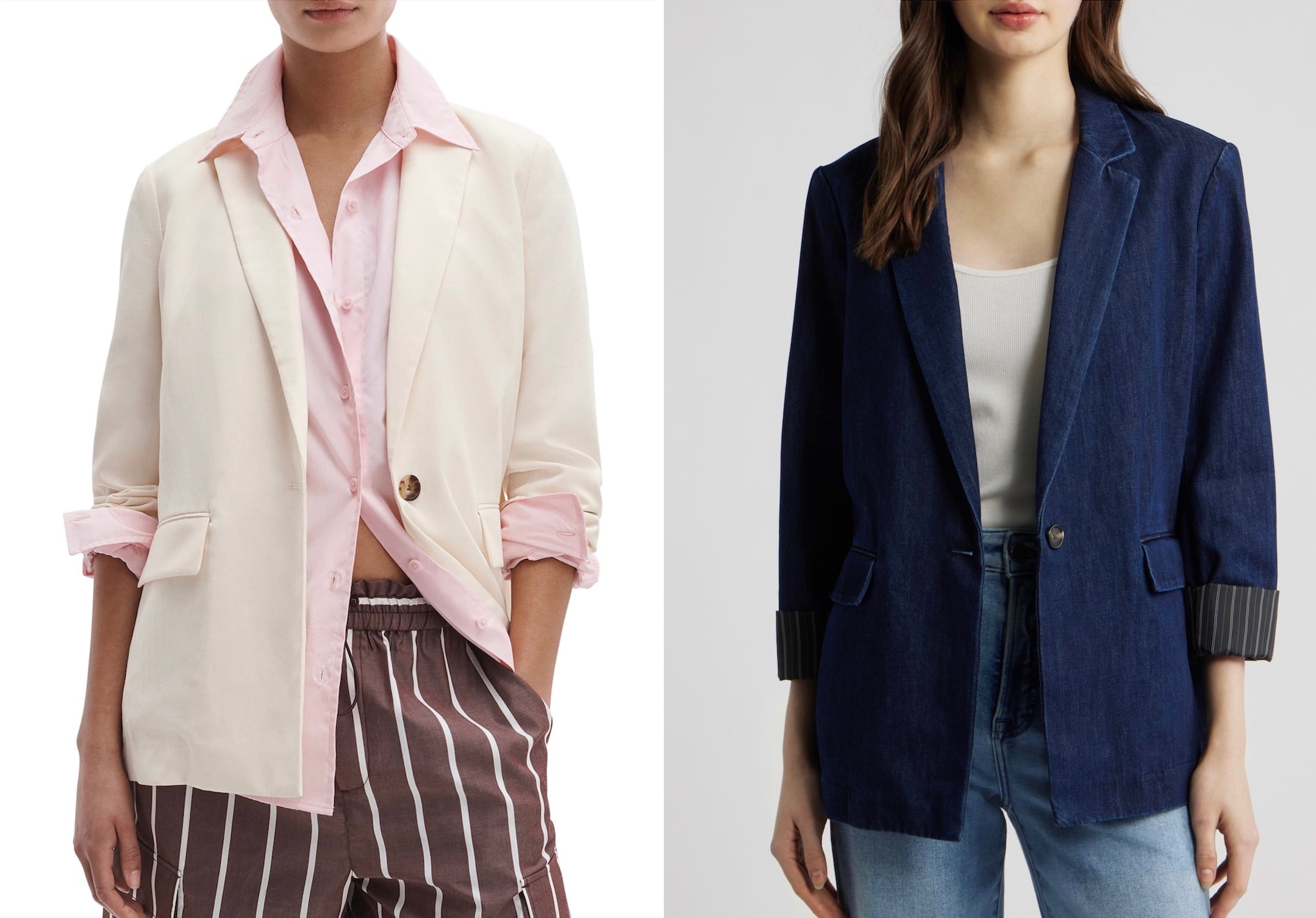
The single most critical design element of a true slouchy blazer is the construction of the shoulder seam. Traditional blazers rely on stiff foam padding to create a sharp 90-degree angle at the shoulder. In contrast, a modern slouchy blazer features minimal or entirely absent padding, allowing the fabric to drape naturally over the wearer’s natural shoulder line. This soft shoulder creates an approachable silhouette that avoids the intimidating rigidity of corporate wear.
2. Flexible Cuffs and Sleeve Length
Versatility is a defining trait of the fall capsule wardrobe. A quality slouchy blazer is designed with sleeves that can be effortlessly pushed or folded up. This functional detail not only adds to the relaxed aesthetic by exposing the wrists—often paired with simple jewelry or the hem of an inner layer—but also provides temperature control during fluctuating autumn weather.
3. Fabric Composition and Drapes
The choice of textile dictates how the garment moves and feels:
- Hemp and Cotton Blends: Ideal for early fall, offering breathability and a matte finish that reads as casual.
- Unstructured Wool and Knit Fabrics: Provide warmth and rich texture without the heavyweight stiffness of traditional suiting wool.
- Denim and Twill: Offer a contemporary, youthful edge while maintaining structural integrity.
Current Market Landscape and Retail Highlights
Consumers searching for the ideal fall outerwear piece currently have access to significant seasonal markdowns:
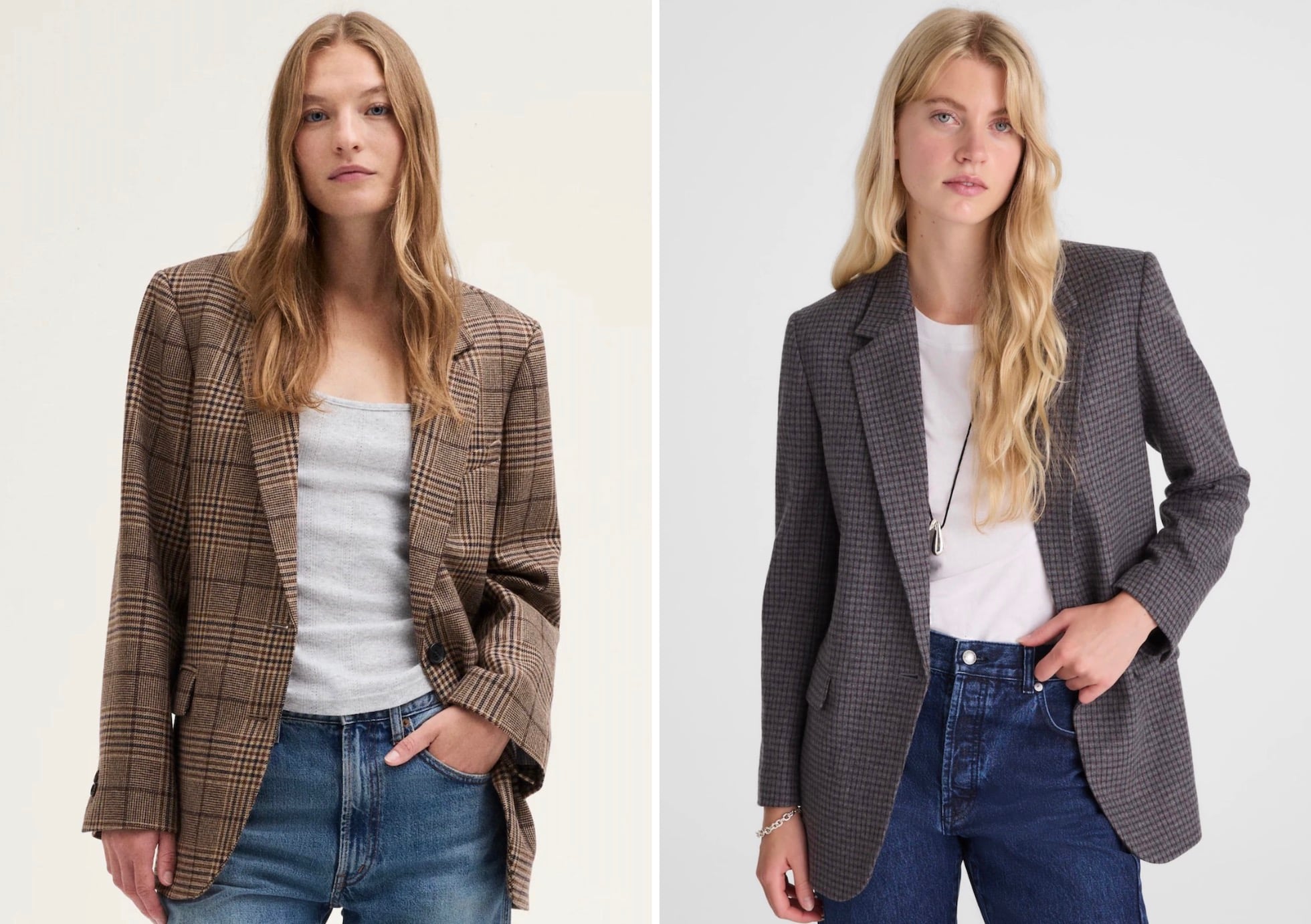
- Madewell: Known for their effortless everyday aesthetics, their current promotional events feature deep discounts (exceeding 40% off) on relaxed-fit blazers in rich seasonal tones like warm brown and versatile blue. These pieces pair seamlessly with basic cotton tees, striped maritime shirts, fine-gauge sweaters, and cotton turtlenecks.
- Rag & Bone: High-end offerings, such as their ivory single-button blazer, have seen dramatic price reductions (up to 65% off at select outlets). Featuring an easy fit and minimalist hardware, these luxury pieces provide maximum style with minimal effort. Denim-based variations featuring subtle structured shoulders and contrast-striped cuffs offer a playful twist on classic tailoring.
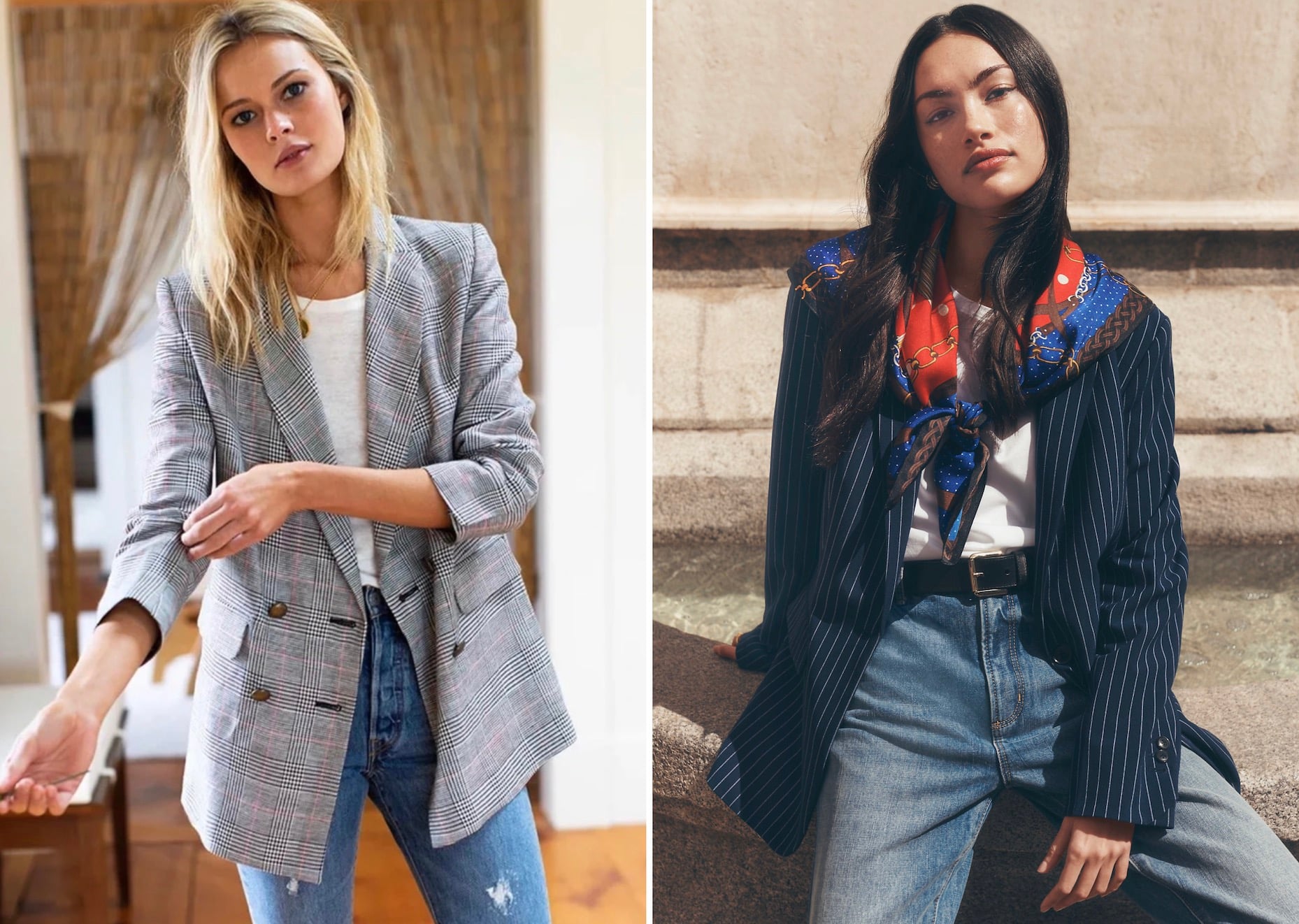
- Loft and Emerson Fry: Budget-conscious shoppers and vintage enthusiasts alike are turning to pre-loved markets (featuring classic houndstooth and plaid patterns) alongside contemporary oversized striped designs, many of which are currently marked down by 50%.
Professional Insights and Expert Styling Advice
To better understand how to integrate the slouchy blazer into a professional lifestyle, we consulted working professionals and fashion commentators.
The Therapist’s Perspective: Balancing Authority and Approachability
Lina, a practicing therapist, highlighted the psychological dimensions of professional attire:
"As a therapist, I want to look relaxed but also professional, and I’ve landed on a T-shirt, blazer, and jeans as my trusted combo. But I want it to look cool, not buttoned up like a riding jacket."
This sentiment resonates widely across service-oriented professions. Clients and colleagues respond positively to attire that bridges the gap between authority and empathy. The slouchy blazer acts as a visual softening agent, signaling that the wearer is both competent and easy to converse with.
The Sizing Strategy: The "Size Up" Rule
Stylist and style diarist Alison Piepmeyer offers a golden rule for achieving the ideal silhouette:
"Try to size up, if you can — that’s one way to look casual, not stuffy."
Buying a blazer in your exact tailored size can inadvertently recreate the formal corporate look you are trying to avoid. Sizing up introduces extra room through the torso and sleeves, allowing for comfortable layering over chunkier fall knits or hoodies while enhancing the drape of the fabric.
The Hunt for the "Blazer Prince"
As fashion commentator Gemma notes, finding the perfect vintage or thrifted blazer often requires patience:
"You have to kiss a lot of frogs to find a blazer prince."
Thrifting for vintage wool, plaid, or houndstooth blazers from the 1980s and 90s is a sustainable and cost-effective way to secure authentic slouchy outerwear. Because older menswear-inspired pieces were naturally cut with roomier proportions, vintage shops are goldmines for individuals seeking genuine unconstructed tailoring.
Future Outlook
As we look toward the future of fashion and work culture, the trajectory of the slouchy blazer points toward permanence rather than temporary trend status. The boundaries between professional and personal wardrobes will continue to blur, placing a premium on garments that offer maximum versatility, comfort, and self-expression.
Industry analysts predict several key developments in the category over the coming seasons:
- Sustainable and Circular Fashion Integration: With consumers increasingly turning to pre-loved markets for unique outerwear, brands are expected to lean into circular fashion initiatives, offering trade-in programs for tailored wear.
- Technical Textiles: The integration of wrinkle-resistant, stretch-infused, and climate-adaptive fabrics will make slouchy blazers even more practical for frequent travelers and hybrid workers.
- Gender-Fluid Design: The slouchy silhouette naturally transcends traditional gender lines, leading to more unisex collections and shared closet spaces among partners.
Ultimately, the slouchy blazer represents more than just a seasonal purchase; it is a manifestation of modern lifestyle values. By prioritizing comfort without sacrificing professional standards, it empowers wearers to navigate their busy lives with confidence, ease, and unmistakable style.