Finding the ideal gift for a father figure has historically presented a unique consumer challenge. Often characterized by the trope of the man who "wants nothing" or "already has everything," the father-focused gifting market requires a nuanced blend of practical utility, sentimental value, and lighthearted novelty. The release of the definitive 2026 holiday gift guide for fathers provides a fascinating macro-level look at modern consumer habits, shifting demographics, and evolving gift-giving psychology.
Rather than focusing solely on traditional tropes—such as novelty ties or generic grilling tools—the 2026 landscape leans heavily into experiential value, comfort, localized nostalgia, and meaningful philanthropy. Consumer data indicates that modern buyers are moving away from disposable novelties and toward items that enhance daily routines, encourage shared family activities, or honor personal values.
This comprehensive review examines the curated selection of 2026 gifts for fathers, analyzing the socio-economic trends driving these choices, the balance between luxury and utility, and the psychological impact of thoughtful gift-giving within contemporary family structures.
Detailed Chronology: The Shift Toward Intentional Gifting
The philosophy behind modern dad gift guides has undergone a significant transformation over the past decade. Tracing the evolution of these curated lists reveals a clear timeline of changing consumer priorities.
Phase One: The Era of Practical Novelty (Pre-2020)
In earlier retail cycles, gift guides targeting fathers relied heavily on predictable archetypes. Recommendations frequently centered on garage accessories, barbecue tool sets, electronic gadgets with single-use functions, and humorous apparel. The underlying assumption was that fathers occupied a distinct, utilitarian sphere of domestic life, where gifts should serve a mechanical purpose or offer a straightforward, surface-level chuckle.
Phase Two: The Wellness and Comfort Pivot (2020–2024)
Global shifts in lifestyle during the early 2020s fundamentally altered home dynamics. As remote work blurred professional and personal boundaries, gift guides began to emphasize domestic comfort, mental well-being, and lifestyle enhancement. Items such as premium loungewear, specialized skincare, and at-home leisure products gained prominence. Gifting began to acknowledge that fathers, too, appreciate self-care, comfort, and aesthetic quality in their personal spaces.
Phase Three: The Experiential and Sentimental Standard (2025–2026)
By 2026, the paradigm shifted toward experiential connection and sentimental resonance. The modern gift guide is no longer just a catalog of commodities; it is a curated toolkit for fostering relationships across generations. The 2026 selections reflect an intentional blend of high-end everyday essentials (such as classic eyewear and artisanal loungewear), interactive games designed for family bonding, personalized heirlooms, and socially conscious contributions like charitable donations.
This chronology illustrates a mature consumer market—one that recognizes that the best gifts for fathers are those that bridge the gap between practical utility and emotional expression.
Supporting Context & Metrics: Analyzing the 2026 Product Categories
To understand why specific items resonate with consumers in 2026, it is helpful to examine the categories highlighted in contemporary gift guides. The 2026 curation offers a cross-section of current retail trends, divided cleanly into distinct psychological and functional buckets.
1. Elevated Everyday Essentials
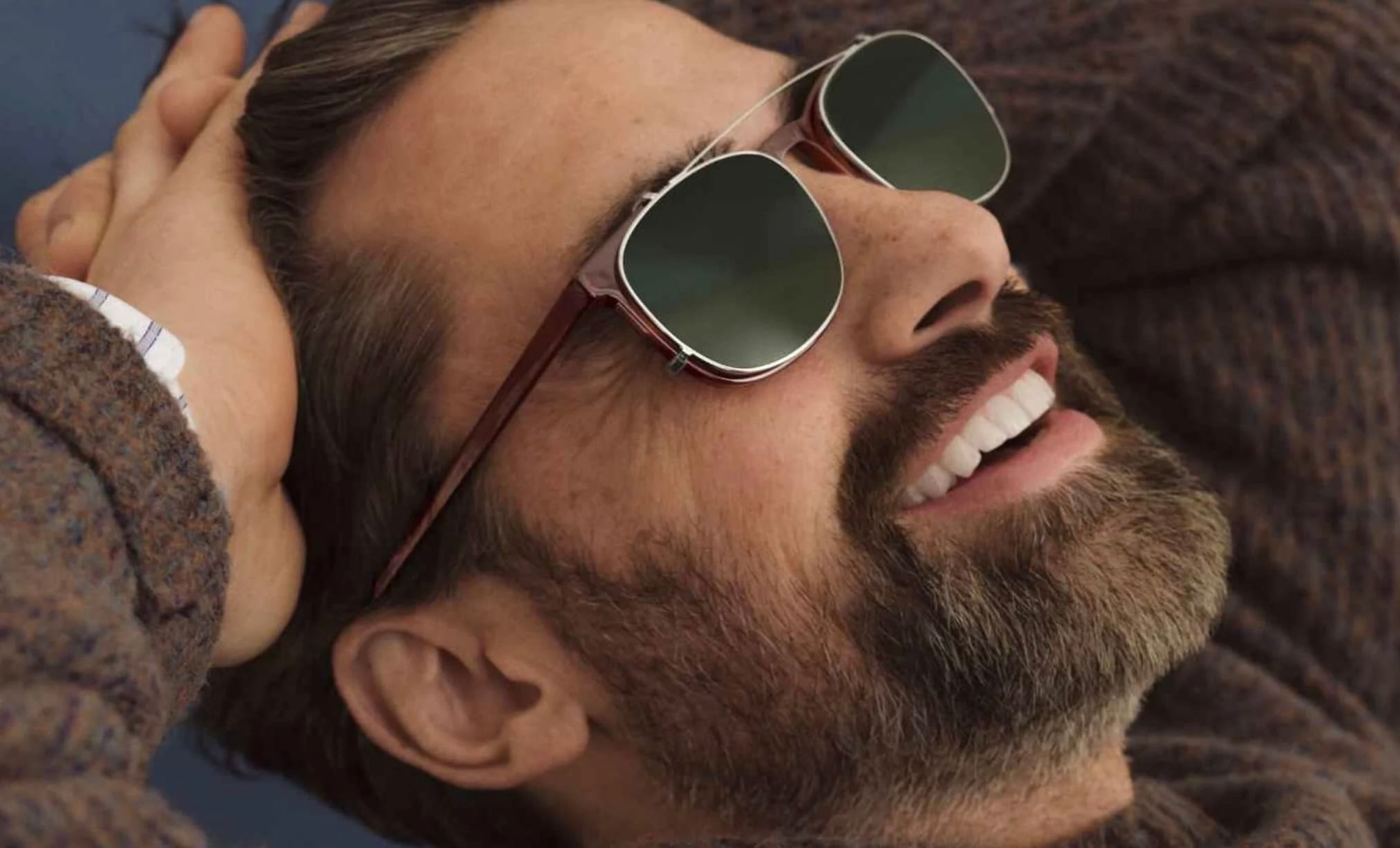
Classic Eyewear: Ranging upward from $95, stylish frames allow recipients to channel timeless icons like Paul Newman during routine errands or scenic road trips. Retail analysts note an increase in experiential gifting within this category—such as visiting brick-and-mortar storefronts together to try on frames—turning a retail transaction into a shared memory.
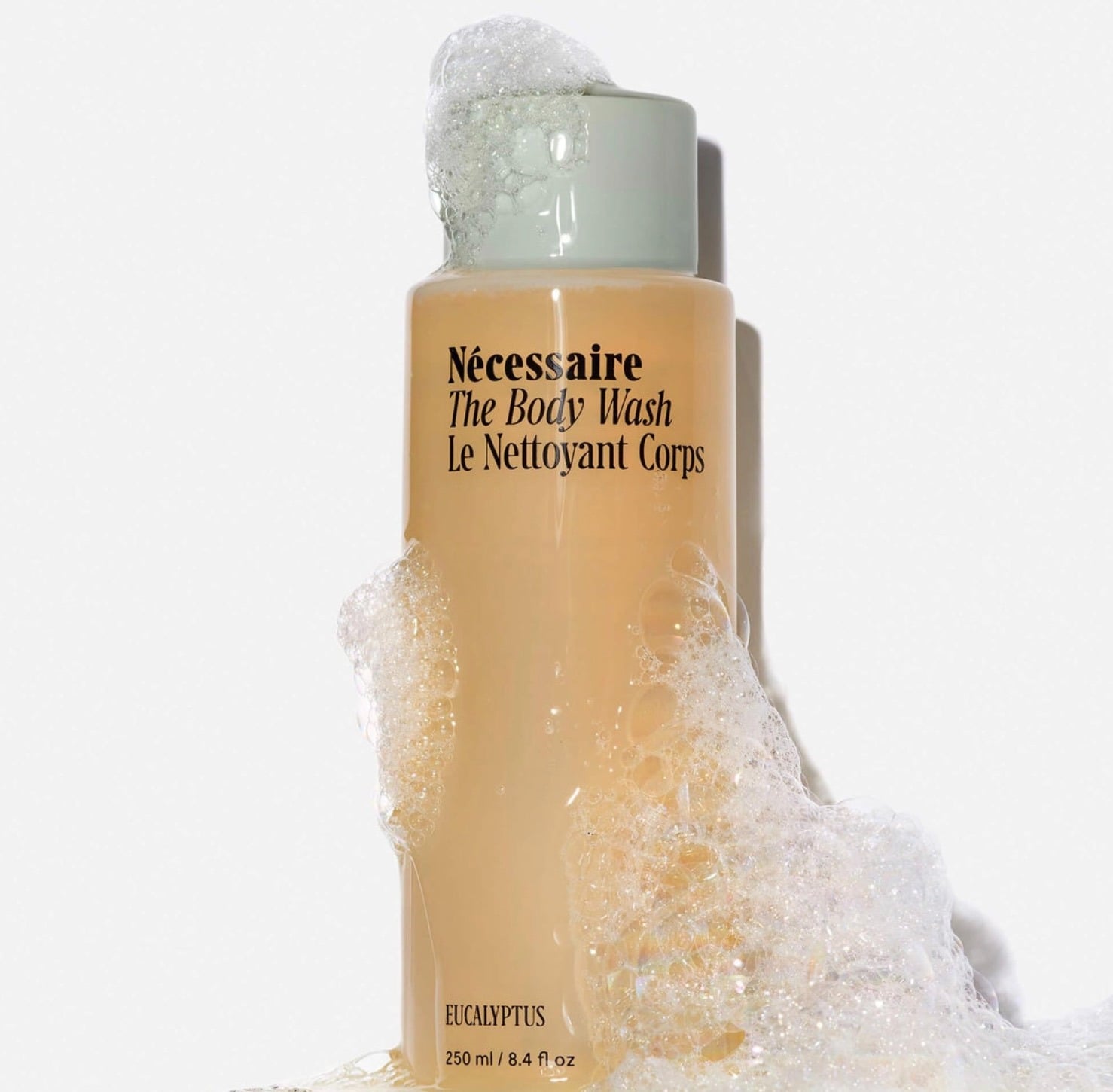
Artisanal Grooming Products: Premium body washes, priced around $28, highlight a broader trend toward accessible luxury in men’s personal care. Consumers are increasingly willing to invest in high-end sensory items that elevate mundane daily routines.
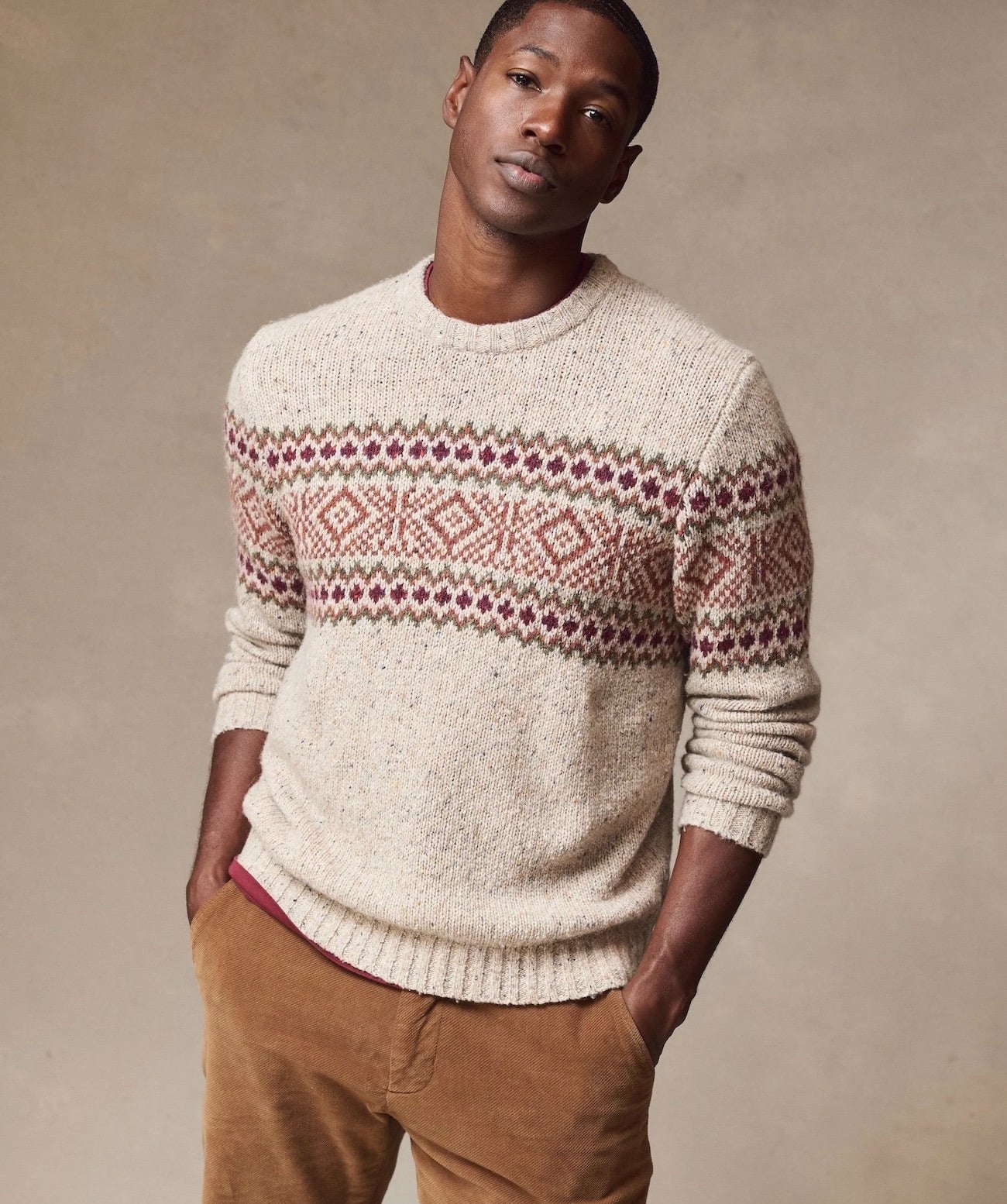
Coastal-Inspired Loungewear: Premium sweaters priced near $188 tap into the perennial household debate over thermostat settings. Marketed with a nod to California coastal aesthetics, these garments combine practical warmth with elevated style, proving that comfort wear can be both sophisticated and functional.
2. Wellness and Recovery
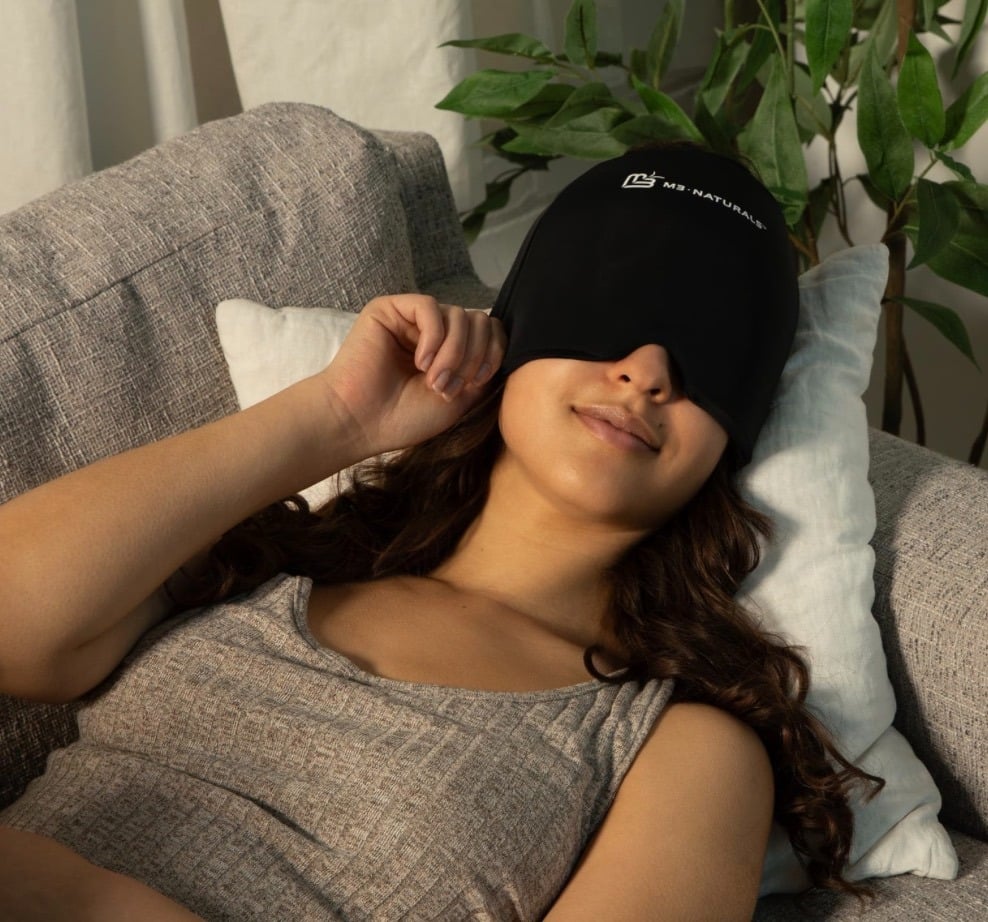
Therapeutic Cold Caps: Priced at $26, freezer-ready headache and cold relief caps represent a growing intersection between wellness technology and household accessibility. Designed to alleviate tension after long, demanding days, these items reflect a cultural shift toward normalizing stress relief and physical recovery tools for men.
3. Interactive Leisure and Nostalgia
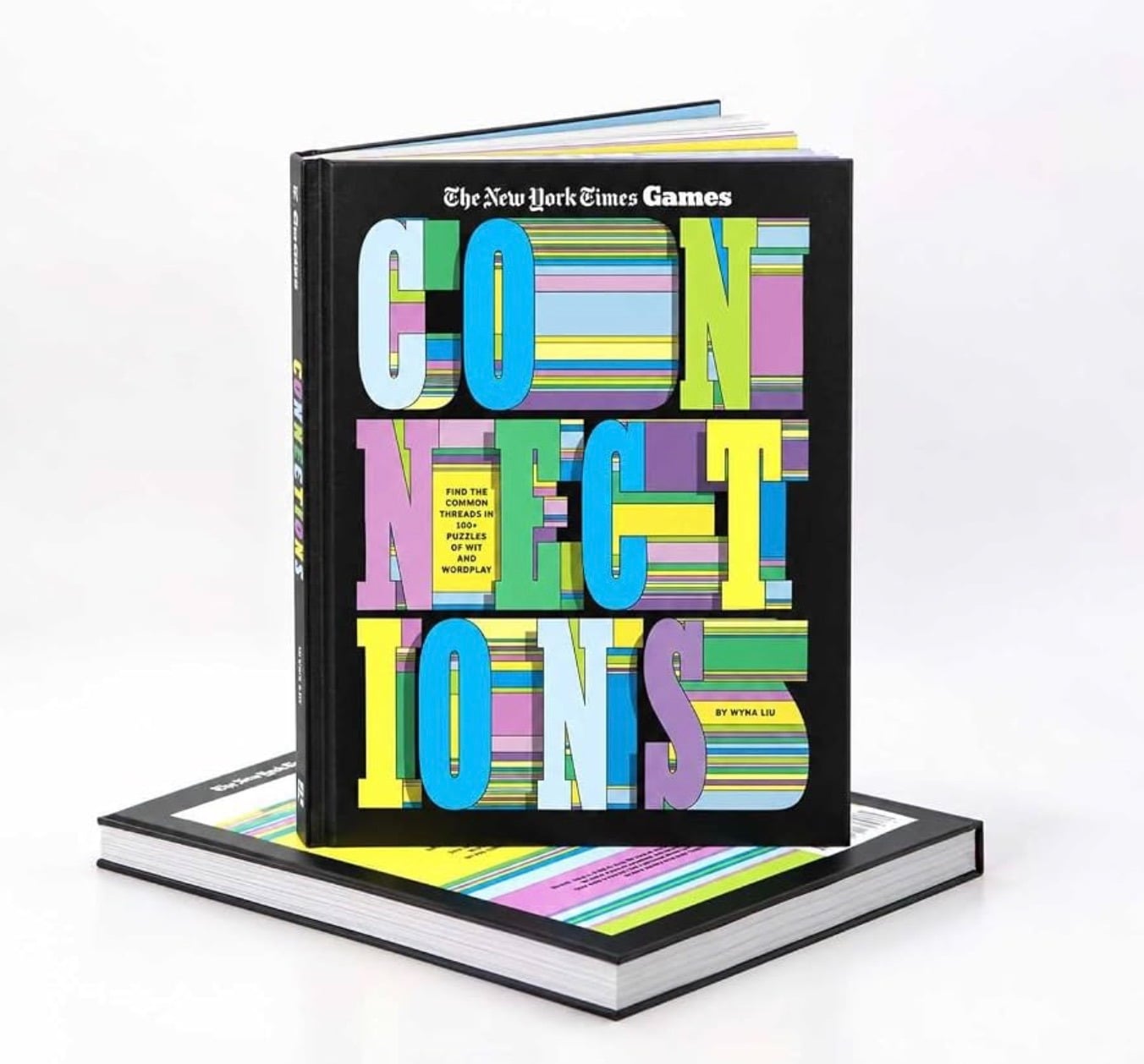
Collaborative Literature and Puzzles: True crime and investigative journalism titles, such as Patrick Radden Keefe’s London Falling (starting at $15), cater to the intellectually curious father. Meanwhile, products like the newly released Connections book ($20)—accompanied by the option to create custom family versions—and notoriously difficult jigsaw puzzles ($50) emphasize active engagement over passive entertainment. These items are specifically designed to be enjoyed collectively during holiday gatherings.
Curated Confections: Artisanal gift tins featuring premier New York confections ($72) provide a gourmet experience that pairs effortlessly with shared leisure activities, such as watching classic television reruns together.
4. Sentimental and Heritage Pieces
Decorative Catch-Alls: Italian money boxes ($33) offer a humorous and stylish nod to a universal domestic fixture: the entryway drop-zone where pocket change accumulates over decades.
Framed Intergenerational Photography: High-quality framed portraits featuring fathers and their grandchildren ($65) capture emotional milestones, reinforcing family bonds.
Philatelic Details: Specialty postage, such as lowrider car stamps ($12), appeal to detail-oriented writers who maintain the tradition of physical correspondence and handwritten thank-you notes.
5. Philanthropy and Emotional Core
Charitable Contributions: Donations made in a father’s honor to established humanitarian relief organizations, such as World Central Kitchen, reflect a growing consumer preference for impact-driven gifting.
The Sentiment-First Greeting Card: At its core, the modern gift guide acknowledges that physical items are secondary to emotional validation. A simple, heartfelt greeting card ($6) remains the ultimate focal point, recognizing that what fathers truly value is clear, direct expression of appreciation from their loved ones.
Official Statements and Industry Insights
Retail experts and lifestyle curators emphasize that the success of modern gift selection relies heavily on personalization and emotional resonance. Consumer psychologists point out that as society becomes increasingly digital and fast-paced, tangible items that facilitate slow, meaningful human interaction hold unprecedented value.
Industry analysts publishing within contemporary lifestyle spaces note:
"The modern father does not need more clutter; he desires connection, comfort, and recognition. The most successful gifts are those that spark a conversation, ease a daily burden, or create a shared experience between family members across generations."
Furthermore, brands participating in these curated markets report higher customer satisfaction when products emphasize multi-generational appeal. Whether it is an interactive puzzle game designed to challenge the entire family or an heirloom-quality photo frame capturing a moment between a grandfather and grandchild, the underlying retail strategy prioritizes relational longevity over transient novelty.
Future Outlook: Where the Dad Gift Economy is Headed
Looking ahead toward the late 2020s and beyond, several clear trajectories are emerging within the father-focused consumer market:
The Rise of "Phygital" and Experiential Gifting: As seen with the trend of trying on eyewear together or building custom trivia books based on family inside jokes, future gift guides will likely place an even greater emphasis on experiences and co-created items. The physical product will increasingly serve as a vehicle for shared time rather than an isolated commodity.
Sustainability and Conscious Consumption: The integration of charitable donations and ethically sourced goods into mainstream gift guides is not a temporary anomaly. Modern consumers—particularly younger generations purchasing gifts for older father figures—demand transparency, ethical supply chains, and philanthropic alignment from the brands they support.
Redefining Domestic Comfort: With remote and hybrid work models firmly entrenched, the boundary between professional attire and home leisure will continue to blur. High-end comfort items, ergonomic wellness tools, and specialized home-spa products will remain staple categories, reflecting a holistic view of men’s health and relaxation.
Ultimately, the 2026 holiday gift guide for fathers demonstrates that thoughtful consumerism is evolving in the right direction. By prioritizing utility, emotional intelligence, shared joy, and social responsibility, modern gift-givers are transforming a historically uninspired retail category into an opportunity for genuine connection.