

Executive Overview
In the high-stakes battle against abdominal malignancies, radiation therapy remains a cornerstone of modern oncology, offering targeted destruction to tumors in the pancreas, colon, and reproductive organs. Yet, for decades, physicians and patients alike have wrestled with a debilitating paradox: the very energy beams designed to save a life routinely devastate healthy tissue along the way. The small intestine, characterized by a delicate, rapidly dividing lining, is notoriously vulnerable. When radiation strips away this mucosal barrier, patients face severe complications—ranging from chronic nausea and debilitating diarrhea to life-threatening infections—that ultimately dictate the maximum safe dosage of radiation a doctor can administer.
Now, a groundbreaking preclinical study conducted at The University of Texas MD Anderson Cancer Center has unveiled a revolutionary mechanism that could fundamentally alter this calculus. Published in the Proceedings of the National Academy of Sciences (PNAS), the research reveals that a brief, 24-hour fast prior to radiation exposure primes the intestinal tract for rapid healing. Crucially, the study identifies the invisible engine behind this phenomenon: Akkermansia muciniphila (AKK), a specialized gut bacterium that acts in tandem with nutrient deprivation to activate the body’s innate tissue repair systems.
Co-led by Dr. Helen Piwnica-Worms, professor of Experimental Radiation Oncology, and Dr. Kunal Rai, professor of Genomic Medicine, the research bridges the fields of nutritional science, microbiology, and molecular genetics. By demonstrating how fasting alters the epigenetic landscape of intestinal cells through microbial metabolites, the team has mapped out a biological "emergency preparedness plan."
While the findings are currently confined to preclinical models—and thus require robust human clinical trials before becoming standard oncology practice—they open up visionary therapeutic avenues. Whether through targeted dietary interventions, direct administration of beneficial microbes, or synthetic delivery of microbial byproducts like propionate, scientists are now charting a course toward safer, more effective cancer treatments that protect healthy tissue without necessarily demanding grueling fasts from weakened patients.
Detailed Chronology: Unraveling the Fasting-Microbiome Axis
The journey toward understanding how a 24-hour fast protects the gastrointestinal tract has evolved over several years, moving from simple clinical observations of resilience to complex, multi-omics laboratory investigations.
Phase I: The Observation of Fasting-Induced Resilience
Years prior to the latest PNAS publication, the Piwnica-Worms Laboratory at MD Anderson observed an intriguing survival advantage in preclinical models subjected to short-term caloric restriction prior to receiving genotoxic stress such as radiation. While standard nutritional dogma suggested that cancer patients undergoing aggressive therapies needed to maintain high caloric intake to avoid wasting syndromes, empirical data hinted at a counterintuitive physiological shift. Animals subjected to a 24-hour fast before radiation exposure exhibited significantly enhanced recovery trajectories compared to their freely fed counterparts.
However, the biological underpinnings of this phenomenon remained elusive. Was the protection driven strictly by systemic metabolic shifts within the host—such as lowered glucose levels or shifts in systemic hormone signaling—or was something more complex at play within the complex ecosystem of the gastrointestinal tract?
Phase II: Pinpointing the Microbial Catalyst
To isolate the driving forces of this protective effect, the MD Anderson team expanded their investigative scope to examine the gut microbiome. The gastrointestinal tract is home to trillions of microorganisms that directly influence host metabolism, immune function, and epithelial integrity.
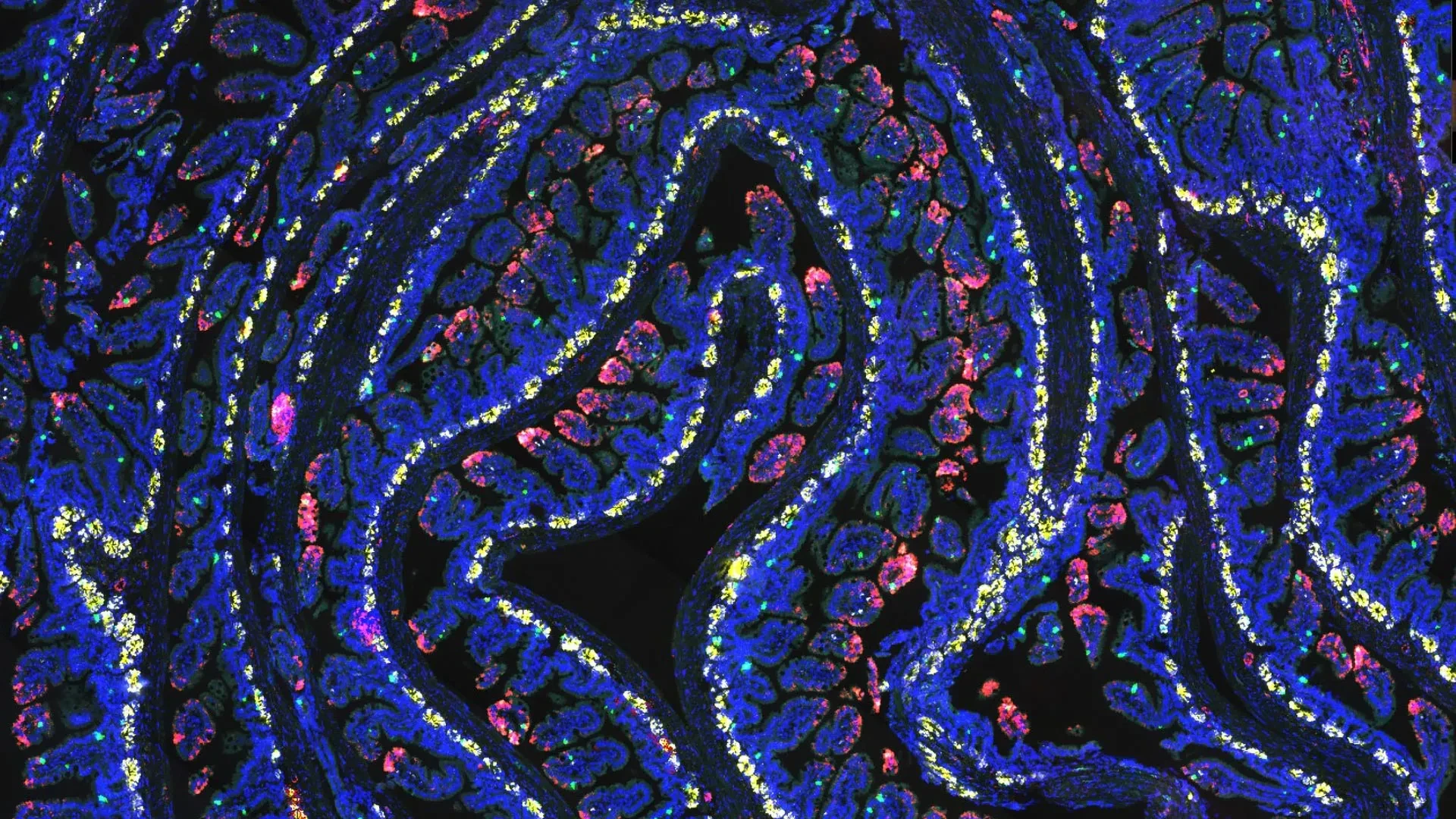
Through rigorous microbial profiling, researchers observed a striking shift during a 24-hour fast: a selective and marked increase in the abundance of Akkermansia muciniphila (AKK) within the small intestine. Known for its role in degrading the gut’s mucosal layer to stimulate renewal and maintain barrier function, AKK emerged as a prime suspect in the fasting-induced recovery process.
Phase III: Mechanistic Validation and the Epigenetic Switch
To prove that AKK was not merely a passive bystander but an active coordinator of tissue repair, the research team performed depletion experiments. When AKK was selectively removed from the microbial ecosystem, the protective benefits of the 24-hour fast vanished entirely. The intestinal cells failed to mount their accelerated recovery response, and radiation damage proved just as severe in the fasted subjects as it did in the non-fasted controls.
Conversely, when AKK was restored alongside the 24-hour fasting protocol, the protective phenotype re-emerged with full force. This pivotal experimental pivot proved that neither fasting alone nor the presence of the bacterium alone was sufficient; the two forces had to operate in synergy.
The researchers then traced the biochemical pathway connecting the microbe to the host’s DNA. They discovered that AKK metabolizes nutrients during the fast to produce propionate, a short-chain fatty acid. Propionate, working in concert with the broader metabolic shifts of fasting, induces crucial modifications to histones—the protein spools around which DNA is tightly wound. These epigenetic modifications do not alter the underlying genetic code, but rather act as biochemical master keys, unspooling specific regions of DNA to make genes involved in cellular regeneration immediately accessible.
Consequently, when radiation strikes, the intestinal cells are not caught flat-footed; they possess a pre-configured army of regenerative programs primed to deploy instantly, rebuilding the damaged mucosal lining with unprecedented efficiency.
Supporting Context & Metrics: The Anatomy of Radiation Vulnerability
To appreciate the gravity of the MD Anderson discovery, one must examine the clinical realities of abdominal radiation therapy and the physiological metrics that govern gastrointestinal health.
The Biological Cost of Abdominal Irradiation
Abdominal and pelvic cancers—including pancreatic adenocarcinoma, colorectal carcinomas, and various gynecological malignancies—frequently require high-dose external beam radiation therapy. While linear accelerators have become remarkably precise, sparing as much healthy tissue as possible, scatter radiation and intersecting beams inevitably deposit energy into non-target structures.
| Parameter | Clinical Detail / Metric |
|---|---|
| Primary Target Organs | Pancreas, colon, rectum, cervix, uterus, ovaries |
| Vulnerable Structure | Small intestine mucosal lining (crypt cells and villi) |
| Common Acute Side Effects | Severe nausea, cramping, exudative diarrhea, acute enteritis |
| Severe Complications | Bowel perforation, fistulas, sepsis, radiation-induced malabsorption |
| Dose-Limiting Factor | Risk of permanent gastrointestinal toxicity (restricts maximum therapeutic dose) |
The small intestine is uniquely susceptible because its epithelial lining turns over rapidly, driven by stem cells residing in the crypts of Lieberkühn. Radiation halts cell division and triggers apoptosis in these rapidly proliferating progenitor cells, causing the mucosal barrier to denude. When the barrier fails, luminal bacteria can translocate into the bloodstream, triggering systemic inflammation and potentially lethal sepsis. Because clinicians are acutely aware of these risks, they frequently cap radiation doses below the optimal level needed to eradicate aggressive tumors. Any intervention that safely accelerates intestinal regeneration fundamentally alters this risk-benefit equation.
The Power of Akkermansia muciniphila
Akkermansia muciniphila is a Gram-negative, strictly anaerobic bacterium residing in the mucus layer of the mammalian gut. Constituting up to 1–3% of the total microbial population in healthy humans, AKK has increasingly become a focal point of microbiome research.
- Mucin Degradation: Unlike many gut microbes that feed exclusively on dietary fiber, AKK specializes in breaking down host-derived mucins, a process that paradoxically stimulates the goblet cells of the intestine to produce fresh, healthy mucus, reinforcing the physical barrier against pathogens.
- Metabolic Output: Through its metabolic activities, AKK generates short-chain fatty acids (SCFAs) such as acetate, propionate, and various peptides that communicate directly with host intestinal epithelial and immune cells.
- Homeostatic Signalling: High baseline abundances of AKK are consistently correlated in clinical literature with lean metabolic phenotypes, reduced systemic inflammation, and improved responses to various immunotherapies. The MD Anderson study now expands its clinical resume to include direct radioprotection.
Official Statements & Expert Perspectives
The collaborative nature of the research is reflected in the insights shared by the study’s co-leaders, who emphasize both the elegance of the biological discovery and the pragmatic clinical hurdles that lie ahead.
Dr. Helen Piwnica-Worms, professor of Experimental Radiation Oncology, contextualized the cellular adaptation strategy observed in the laboratory models:
"Fasting helps prepare intestinal cells to respond more quickly and effectively after injury, almost like training the cells with an emergency preparedness plan. This study helps explain how that plan is organized and identifies a key bacterium involved in coordinating the response."
Dr. Piwnica-Worms noted that the concept of preconditioning—exposing an organism to a mild, non-lethal stressor (such as nutrient deprivation) to activate robust stress-response pathways—is a recurring theme in evolutionary biology. However, uncovering the specific microbial handoff that translates dietary restriction into epigenetic readiness represents a major leap forward in molecular radiobiology.
Addressing the translational challenges of bringing this discovery from the workbench to the bedside, Dr. Kunal Rai, professor of Genomic Medicine, highlighted the practical limitations of fasting in an oncology population:
"Fasting is not always practical for cancer patients, and this work supports several other potential ways to enhance recovery after treatment. Whether through dietary interventions, targeted microbes or their metabolites, the goal is to help repair healthy tissue more effectively while patients receive the cancer therapies they need."
Dr. Rai emphasized that while a 24-hour fast is a powerful experimental tool for unmasking biological pathways, cancer patients are frequently malnourished, cachectic, or dealing with extreme fatigue. Forcing such individuals to fast prior to radiation sessions could prove counterproductive. Therefore, the primary value of the study may not lie in prescribing fasting regimens, but rather in reverse-engineering the biochemical signals generated by the fasting-AKK axis.
Future Outlook & Translational Horizons
The publication of these findings in PNAS marks the conclusion of a rigorous preclinical chapter, but it simultaneously fires the starting pistol for a new era of translational oncology research. As investigators at MD Anderson and peer institutions look toward the future, several distinct research and clinical development pathways are taking shape.
1. Validating the Pathway in Human Clinical Trials
Before any dietary or microbial intervention can be recommended for patients undergoing radiation therapy, researchers must confirm that the fasting-AKK-propionate axis operates identically in human subjects. Clinical researchers are currently designing observational studies to track microbiome composition, specifically monitoring Akkermansia muciniphila levels in patients undergoing abdominal radiation. Subsequent early-phase clinical trials will likely test whether controlled nutritional manipulations or post-biotic supplementation can safely modulate intestinal resilience without interfering with tumor control.
2. Expanding Horizons: Protecting Other Rapidly Dividing Tissues
While the MD Anderson study focused intently on the small intestine, the broader implications of the research extend to other healthy tissues vulnerable to cancer therapy. Rapidly dividing cells throughout the body—most notably the hematopoietic stem cells within the bone marrow—are frequent casualties of both radiation and chemotherapy.
Bone marrow suppression leads to neutropenia, thrombocytopenia, and anemia, which can force clinicians to delay or reduce scheduled doses of life-saving cancer drugs. Investigators are eager to determine whether the epigenetic priming mechanism discovered in the gut can be replicated or harnessed to protect bone marrow reserves, thereby maintaining patient immune competence and overall physiological stability during treatment.
3. Developing "Post-Biotics" and Targeted Microbial Therapeutics
Perhaps the most immediate commercial and clinical promise of this research lies in the realm of synthetic biology and pharmacology. Rather than relying on live bacterial supplementation (probiotics)—which can sometimes pose infection risks in immunocompromised cancer patients—researchers are focusing on "post-biotics."
Post-biotics involve the direct delivery of the bioactive metabolites produced by beneficial microbes, such as propionate, engineered to target specific cellular compartments within the gastrointestinal tract. Alternatively, precision prebiotics—specific non-digestible dietary fibers designed to selectively stimulate the proliferation of native Akkermansia muciniphila populations—could be administered in pill or liquid form.
Conclusion
The intersection of oncology, microbiology, and nutritional science continues to yield paradigm-shifting insights. By demonstrating that a 24-hour fast recruits a specific gut microbe to alter the epigenetic destiny of intestinal cells, the MD Anderson team has transformed an ancient physiological practice into a molecularly precise target for modern medicine. As these discoveries transition from preclinical models into human clinical investigations, they carry the promise of a future where cancer therapies can strike their targets with maximum aggression, while healthy human tissue remains shielded by the body’s own microbial allies.
