

Executive Overview
In the realm of rare genetic disorders, few diagnoses carry the quiet, relentless devastation of Friedreich ataxia (FA). A progressive, neurodegenerative condition that slowly strips away a person’s coordination, mobility, and speech, FA has long eluded medical science. For decades, patients and their families have faced a grueling landscape defined by a lack of targeted therapies, shrinking life expectancies, and an overwhelming sense of helplessness.
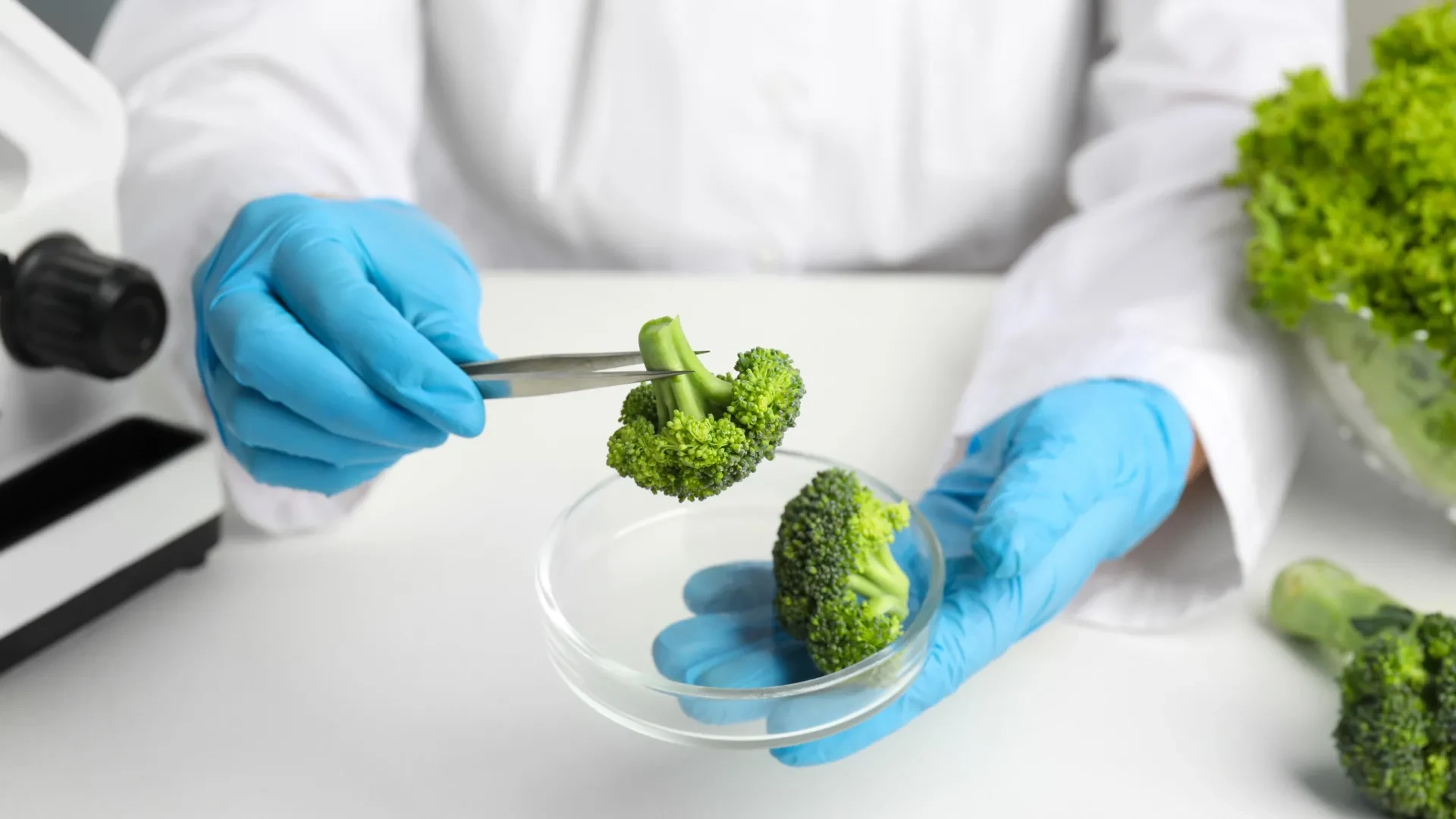
However, a breakthrough emerging from the laboratories at Swinburne University of Technology in Australia threatens to rewrite this bleak narrative. A research team led by Associate Professor Faith Kwa has identified profound therapeutic potential in sulforaphane—a natural, bioactive compound abundantly found in cruciferous vegetables, most notably broccoli.
According to recent findings, sulforaphane does more than merely mask the symptoms of this brutal disease; it directly combats its root biological mechanisms. The compound has been shown to increase levels of frataxin, a critical protein severely depleted in individuals with FA, while simultaneously mitigating cellular stress, reducing inflammation, and shielding vulnerable nerve cells from progressive destruction.
Beyond its biochemical efficacy, sulforaphane carries a unique suite of logistical advantages that could upend the traditional, multi-decade pharmaceutical development pipeline. Because it is a naturally occurring dietary substance with an established human safety profile, purified and bioactive forms are already commercially accessible. If forthcoming clinical trials validate the Swinburne team’s laboratory discoveries, the pathway from bench to bedside could be accelerated exponentially. This raises a tantalizing prospect for the global rare disease community: an intervention that is not only scientifically targeted and neuroprotective, but also affordable, scalable, and globally accessible.
Detailed Chronology: Unraveling the Science of Sulforaphane
To understand the magnitude of the Swinburne University discovery, one must trace the compounding timeline of how modern molecular biology zeroed in on a humble kitchen-gardener’s vegetable to tackle one of the most stubborn genetic anomalies known to neurology.
The Biological Root of Friedreich Ataxia
Friedreich ataxia is an autosomal recessive inherited disorder caused by a genetic defect—specifically, a trinucleotide repeat expansion (GAA) in the FXN gene on the ninth chromosome. This genetic stutter severely inhibits the body’s ability to produce frataxin, a nuclear-encoded mitochondrial protein.
Frataxin’s primary responsibility is the regulation of iron homeostasis and the assembly of iron-sulfur clusters within mitochondria—the powerhouses of the cell. When frataxin levels plummet, iron accumulates hazardously within the mitochondria, sparking an overproduction of reactive oxygen species (oxidative stress). Cells with high energy demands—most notably sensory neurons in the spinal cord, peripheral nerves, and cardiomyocytes in the heart—suffer the most catastrophic collateral damage. Over time, these vital nerve cells wither and die, manifesting clinically as the progressive ataxia, sensory loss, and hypertrophic cardiomyopathy characteristic of the disease.
The Discovery Phase at Swinburne University
For years, researchers worldwide sought molecules capable of crossing the blood-brain barrier to upregulate frataxin expression without triggering toxic side effects. Associate Professor Faith Kwa and her team at Swinburne focused their lens on cellular defense pathways, specifically targeting the Nuclear factor erythroid 2-related factor 2 (Nrf2) pathway. Nrf2 is a master regulator of the antioxidant response, known to protect cells against oxidative damage and inflammation.
Sulforaphane is a potent, natural activator of the Nrf2 pathway. In their latest investigative phase, the Swinburne researchers discovered that sulforaphane’s protective capabilities extend far beyond generic antioxidant behavior. Crucially, the compound demonstrated an ability to stimulate the biological pathways responsible for increasing frataxin production, directly addressing the foundational deficiency at the heart of Friedreich ataxia.
Furthermore, laboratory assays revealed that sulforaphane exerts a multi-pronged defensive effect. By concurrently suppressing neuroinflammation and mitigating intracellular oxidative stress, the compound shields fragile nerve cells from the progressive degeneration that typically accelerates the disease’s timeline. This ability to target multiple downstream pathogenic cascades simultaneously elevates sulforaphane from a simple dietary supplement to a sophisticated therapeutic candidate.
Supporting Context & Metrics: The Human and Economic Toll of FA
To grasp why the Swinburne discovery has ignited such fervent hope within the medical community, one must examine the clinical landscape of Friedreich ataxia through hard data and human realities.
Prevalence and Patient Demographics
- Rare Disease Status: Friedreich ataxia is classified as a rare genetic disease, affecting approximately 1 in every 50,000 people in Caucasian populations.
- National Impact: In Australia, an estimated 200 individuals are currently living with the condition, representing a tight-knit community of patients who navigate a world largely unequipped for their escalating physical needs.
- The Pediatric Burden: A deeply poignant facet of FA is its propensity to manifest early in life. A substantial proportion of those diagnosed are children and adolescents. The condition systematically robs them of developmental milestones, interrupting their schooling, social integration, and physical autonomy just as their lives are beginning.
- Life Expectancy: Because FA frequently compromises cardiac function alongside neurological integrity, the disease significantly shortens life expectancy, with many patients succumbing to heart-related complications in adulthood.
The Research and Funding Deficit
Despite its severity, FA suffers from a distinct structural disadvantage within the biomedical ecosystem: the rarity paradox. Because patient populations are small, public awareness remains exceptionally low. Consequently, pharmaceutical corporations often overlook the condition, viewing rare disease drug development as economically unviable due to low market returns.
This dynamic leaves academic institutions like Swinburne University heavily reliant on public grants, philanthropic donations, and targeted medical research funding to advance their work. The costs associated with scaling laboratory discoveries into formal, Phase I and Phase II human clinical trials are astronomical, creating a frustrating bottleneck where promising therapeutics sit stalled for lack of capital.
The Economic and Logistical Advantage of Sulforaphane
Traditional drug discovery is a notoriously grueling process, frequently spanning 10 to 15 years and costing upwards of a billion dollars per approved molecule. Most synthetic compounds fail late in clinical development due to unexpected toxicity or adverse side effects.
Sulforaphane bypasses many of these traditional hurdles. Because it is naturally derived from cruciferous vegetables, it possesses a long-established, highly favorable safety profile across both pediatric and adult human populations. Pure, biologically active forms of the compound are already commercially available. If clinical trials can empirically demonstrate that sulforaphane safely halts or slows the progression of Friedreich ataxia in human patients, the regulatory pathway toward approval and widespread clinical adoption could be compressed dramatically, offering a lifeline of affordability and global accessibility.
Official Statements: Voices from the Frontline of Research
The gravity of the Swinburne University findings is best articulated by the scientists dedicating their careers to altering the trajectory of this disease. Associate Professor Faith Kwa emphasizes both the heartbreaking reality of the condition and the profound optimism driving her team forward.
"Friedreich ataxia is a devastating rare genetic disease that progressively steals a child’s ability to walk, speak, play, and ultimately survive," Associate Professor Faith Kwa states, framing the emotional and physical stakes of the research.
The urgency of developing pediatric-specific treatments is a central pillar of Kwa’s advocacy. While modern medicine has made strides in adult-onset neurodegenerative disorders, therapeutic options for children suffering from rare genetic ataxias remain glaringly sparse.
"This novel therapeutic agent can target the underlying cause of the disease, while delivering an affordable and accessible therapy worldwide, improving treatment opportunities for families affected by this life-limiting disease," Kwa explains, highlighting the democratizing potential of a plant-derived compound.
Looking toward the horizon, the research team remains acutely aware that laboratory success is merely the prologue to clinical validation. The immediate institutional focus is locked on securing the necessary capital to translate Petri-dish breakthroughs into rigorous human trials.
"We are hoping to gain funding to conduct clinical trials and further prove the positive impact the broccoli compound could have on those suffering from Friedreich ataxia," Kwa urges. "Sulforaphane already has an established safety record in children and adults, and its pure and bioactive form is commercially available. This means if clinical trials prove successful, its rollout could accelerate the path to patient impact."
Beyond the clinical metrics of survival rates and protein expression counts, the Swinburne team maintains a deeply human-centric philosophy regarding their life’s work. For a patient population navigating a relentless degenerative path, incremental victories—preserving hand dexterity, extending independent mobility, or delaying speech impairment—represent monumental triumphs.
"Even if we can raise awareness of this debilitating condition or improve one person’s quality of life, our efforts will have been worth it," Kwa reflects.
Future Outlook: The Road Ahead for Sulforaphane and FA Patients
As the scientific community digests the Swinburne University findings, attention turns decisively toward the future. What are the concrete steps required to transform this laboratory hypothesis into an accessible clinical reality?
Phase I and II Clinical Trials: The Next Frontier
The immediate priority for Associate Professor Kwa and her colleagues is the acquisition of targeted grant funding and philanthropic investment to design and execute robust human clinical trials. These trials will need to:
- Establish optimal, safe therapeutic dosing of bioactive sulforaphane in human patients diagnosed with Friedreich ataxia.
- Monitor biomarker changes, specifically tracking whether oral administration of the compound successfully upregulates frataxin expression in patients.
- Utilize standardized neurological and cardiac scoring metrics to evaluate whether disease progression slows, stabilizes, or reverses over longitudinal study periods.
Navigating the Dietary vs. Pharmaceutical Dilemma
A common public reaction to discoveries involving natural compounds is the assumption that patients can simply increase their dietary intake of broccoli to achieve therapeutic results. Medical experts are quick to temper this misconception.
While incorporating cruciferous vegetables into a balanced diet offers well-documented general health benefits, the concentration of sulforaphane required to achieve neuroprotective, frataxin-boosting effects in the central nervous system far exceeds what an individual could consume through food alone. Furthermore, raw broccoli contains glucoraphanin (a precursor), which requires the enzyme myrosinase—often destroyed during cooking—to convert into active sulforaphane. Consequently, clinical development relies entirely on standardized, purified, and pharmaceutically stabilized bioactive formulations to ensure consistent, therapeutic delivery across the blood-brain barrier.
A Beacon of Hope for Rare Diseases
Beyond the specific boundaries of Friedreich ataxia, the Swinburne study serves as a powerful proof-of-concept for the broader rare disease research community. It underscores the untapped therapeutic potential lingering within natural pharmacopeiae and demonstrates how academic ingenuity can circumvent the prohibitive costs of traditional de novo drug discovery.
For the 200 Australians living with FA—and the thousands more globally—the research offers something more valuable than laboratory data: momentum. In a medical landscape historically defined by stagnant options and degenerative inevitability, the humble broccoli compound stands as a beacon of scientific rigor and compassionate hope, pointing toward a future where children diagnosed with Friedreich ataxia can look forward to longer, healthier, and more independent lives.
