

Executive Overview
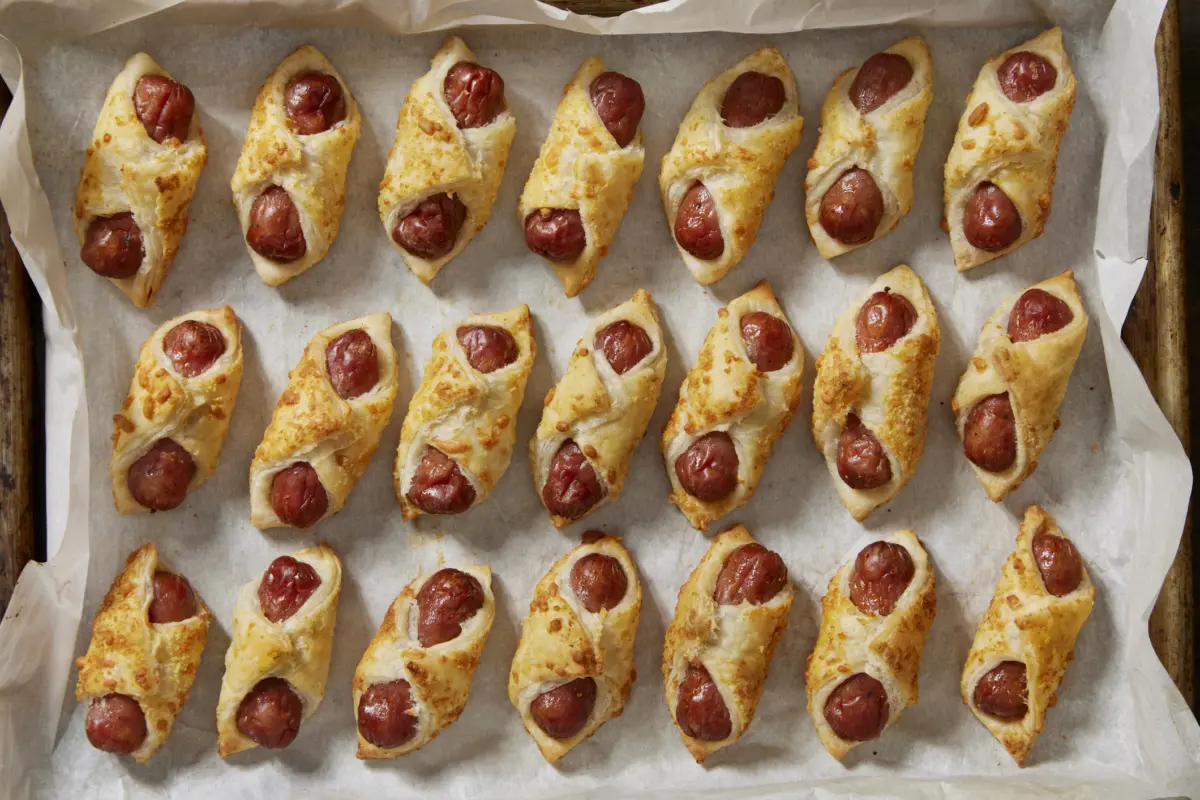
To the casual observer, the culinary landscape of the twenty-first century is dominated by extremes. On one end, we find hyper-refined, hyper-expensive molecular gastronomy; on the other, the algorithmic homogenizations of fast-casual chains. Yet, quietly resting beneath the radar of high-concept food media lies one of the most enduring, comforting, and universally beloved food groups in human history: meat encased in baked dough.
From the humble, frozen breakfast-table staple of the American South to $28 cocktail canapés at exclusive Manhattan clubs, the marriage of sausage and bread transcends socioeconomic boundaries, cultural divides, and culinary eras. This cultural obsession recently crystallized in a high-profile corporate battle: the triumphant, petition-driven return of Sister Schubert’s Sausage Wrap Rolls. Discontinued in 2021 to the utter fury of consumers, the product’s resurrection—prompted by nearly 16,000 impassioned signatures and even political intervention by Alabama Governor Kay Ivey—proves a fundamental truth of modern gastronomy.
Once humanity invents a form factor as satisfying as a meat-filled pastry, we will defend it to the death. This deep-dive investigation explores the psychology, global taxonomy, and persistent cultural gravity of the sausage-in-dough phenomenon, examining why this simple, portable combination continues to capture our collective imagination.
Detailed Chronology: The Rise, Fall, and Resurrection of the Sausage Wrap Roll
The trajectory of the Sister Schubert’s Sausage Wrap Roll offers a fascinating case study in consumer loyalty and corporate miscalculation. For years, the frozen food item—a deceptively simple combination of a small smoked sausage wrapped inside a soft, buttery Parker House roll—was a cornerstone of Southern holiday mornings and casual weekend brunches.
2021: The Discontinuation and Backlash
In 2021, amid supply chain disruptions and strategic corporate restructuring by parent company Marzetti, the decision was made to quietly sunset the beloved Sausage Wrap Rolls. In their place, the company introduced sausage pinwheels, a product they believed would offer broader appeal and streamlined manufacturing.
They miscalculated entirely.
Almost immediately, a localized sense of betrayal mutated into a regional movement. Consumers who had relied on the rolls for holiday traditions found themselves staring at empty freezer aisles. The psychological impact of losing a comfort food during a time of global uncertainty cannot be understated; for many, the sausage wrap was tied directly to memories of familial warmth, holiday mornings, and domestic security.
2024–2025: The Grassroots Campaign
Frustration soon organized into structural resistance. A Change.org petition demanding the return of the original recipe rapidly gathered nearly 16,000 signatures. Across social media platforms, mournful posts detailed ruined Christmas breakfasts and empty family traditions. Email campaigns flooded Marzetti corporate inboxes. The movement was characterized not by fleeting internet outrage, but by a steady, melancholic persistence.
Summer 2026: Political Intervention
The campaign reached an unprecedented peak in the summer of 2026 during a prominent business conference in Alabama. In what can only be described as a masterclass in constituent-driven lobbying, Alabama Governor Kay Ivey took the microphone during a public Q&A session with a Marzetti executive. Addressing the room—and the state’s deeply invested electorate—Governor Ivey posed the question haunting millions of Southern pantries: How quickly could they get the authentic sausage rolls back on store shelves?
Fall 2026: The Triumphant Return
Faced with coordinated consumer pressure, thousands of digital signatures, and direct inquiries from state leadership, the corporate wall finally broke. Sister Schubert’s officially announced that the classic Sausage Wrap Rolls would return to supermarket freezers just in time for the holiday season. The victory cemented a vital economic and cultural lesson: food brands tamper with nostalgic, high-performing comfort foods at their own peril.
Supporting Context & Metrics: A Global Taxonomy of Wrapped Meat
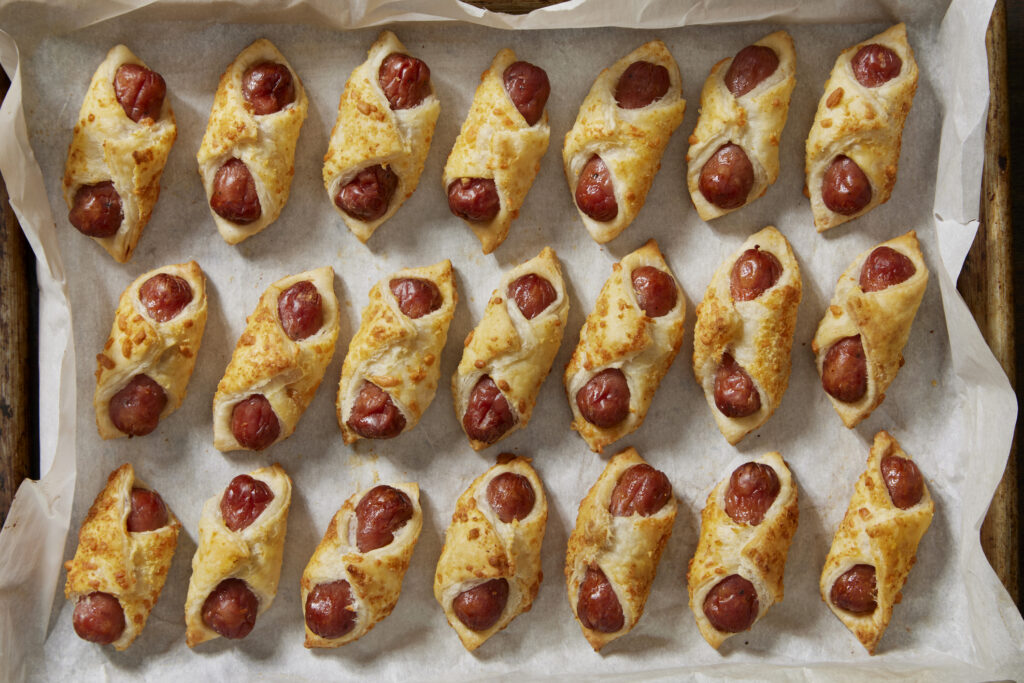
While the American South rallied for its Parker House rolls, the broader phenomenon of sausage-in-dough is far from localized. A cross-cultural audit reveals that wrapping meat in baked carbohydrates is an independent, convergent culinary invention across nearly every continent.
Global Variations of the Wrapped Sausage
- The United States: Beyond the Southern sausage roll, the American canon features the ubiquitous pig in a blanket, the nostalgic bagel dog (championed and mourned across various iterations), and viral modern crossovers like the Chicago-dog croissant—a fusion of Vienna Beef franks, croissant dough, and traditional Chicago-dog toppings born from a collaboration between Daisies and The Wieners Circle.
- Asia: In Chinese bakeries from coast to coast, the milk-bread hot dog—lacquered in egg wash and baked into a sweet, pillowy rope—serves as an indispensable breakfast and snack item. In Japan, bakeries like Pastry House Hippo at Mitsuwa Marketplace offer frankfurters encased in yeasty, striped shells, while high-end interpretations feature sophisticated shokupan preparations.
- Latin America & Europe: Brazil boasts the enroladinho de salsicha, a beloved street food classic. Denmark offers the pølsehorn, a staple of children’s parties and bakeries alike. In Texas, the Czech-influenced klobasnek wraps savory sausage inside sweet kolache dough, serving as a revered roadside breakfast tradition.
The Economics of Comfort: From 50-Cent Snacks to $28 Canapés
The versatility of the sausage-in-dough form factor is economically staggering. The exact same culinary architecture can pivot across extreme pricing tiers with minimal structural alteration:
| Tier | Setting / Context | Price Point | Representative Example |
|---|---|---|---|
| Everyday / Casual | Neighborhood bakeries, convenience stores | $1.50 – $4.00 | Chinese bakery milk-bread hot dog |
| Mid-Tier / Retail | Supermarket freezer aisles, family gatherings | $5.00 – $10.00 (per box) | Sister Schubert’s Sausage Wrap Rolls |
| High-End / Luxury | Country clubs, exclusive social venues | $20.00 – $30.00+ | Ralph Lauren Club gourmet pigs in a blanket |
This elasticity is rare in the culinary world. A hot dog tucked into dough requires no complex deconstruction to elevate it; a dab of grainy mustard turns it into street food, while puff pastry and artisanal dipping sauces transform it into white-glove cocktail party fare.
Official Statements and Industry Insights
Food historians and industry analysts note that the enduring appeal of these foods lies at the intersection of human psychology, visual design, and sensory comfort.
"Humanity has conducted thousands of years of culinary experimentation and repeatedly concluded that it would simply be helpful if the bread came attached to the sausage," notes one culinary anthropologist observing the trend. "It solves a practical problem of logistics while fulfilling a primal desire for tactile, bready comfort."
Furthermore, industrial food designers point to the "toy-like" proportions of wrapped sausages as a key driver of their psychological appeal. Small, plump, braided, or tucked-in items register subconsciously as non-threatening and playful.
A Marzetti corporate representative, reflecting on the lessons learned from the Sister Schubert’s revival, acknowledged the unique power of heritage products: "When consumers build generational traditions around a specific product, that product ceases to belong solely to the balance sheet. It belongs to their family histories. We are thrilled to restore that connection in time for the holidays."
Future Outlook: The Next Generation of Wrapped Innovation
As we look toward the future of comfort food, the sausage-in-dough paradigm shows no signs of stagnation. If anything, post-pandemic culinary innovation has supercharged experimentation within the category.
The most prominent recent harbinger of this evolution is the focaccia dog—hot dogs pressed directly into bubbly, olive-oil-slicked focaccia dough, emerging from the oven like a hybrid of artisanal bread art and childhood nostalgia. Born from the collective obsession with sourdough starters and high-hydration doughs during the early 2020s, the focaccia dog demonstrates that classic comfort foods are constantly ripe for reinvention by home cooks and professional chefs alike.
What Lies Ahead?
- Elevated Fillings: Expect to see artisanal, locally sourced meats—such as dry-cured chorizo, duck sausages, and plant-based craft links—increasingly replace standard industrial franks within gourmet pastry shells.
- Global Fusion Doughs: The cross-pollination of baking techniques will likely yield broader experimentation, combining French lamination, Asian milk-bread tangzhong methods, and traditional sourdough fermentation with cured meats.
- The Defensive Consumer: As demonstrated by the Sister Schubert’s uprising, food manufacturers will face heightened accountability from organized consumer bases. Brands can no longer quietly phase out nostalgic staples without facing severe digital pushback and, in extreme cases, political mobilization.
Ultimately, the enduring reign of the meat-wrapped pastry reminds us that the best foods do not always need to reinvent the wheel. Sometimes, the most profound culinary truth remains the simplest: put the sausage in the bread, and let humanity do the rest.