

Executive Overview
The intersection of mainstream family entertainment, global geopolitics, and high-stakes artistic activism reached a combustible flashpoint following the removal of rapper Macklemore from Ed Sheeran’s high-profile Loop Tour. What began as a spontaneous political declaration on a New Jersey stage has rapidly metastasized into a sweeping cultural and financial crisis, pulling in major recording artists, venue owners, corporate stakeholders, and one of the most prominent digital children’s entertainers in the world.
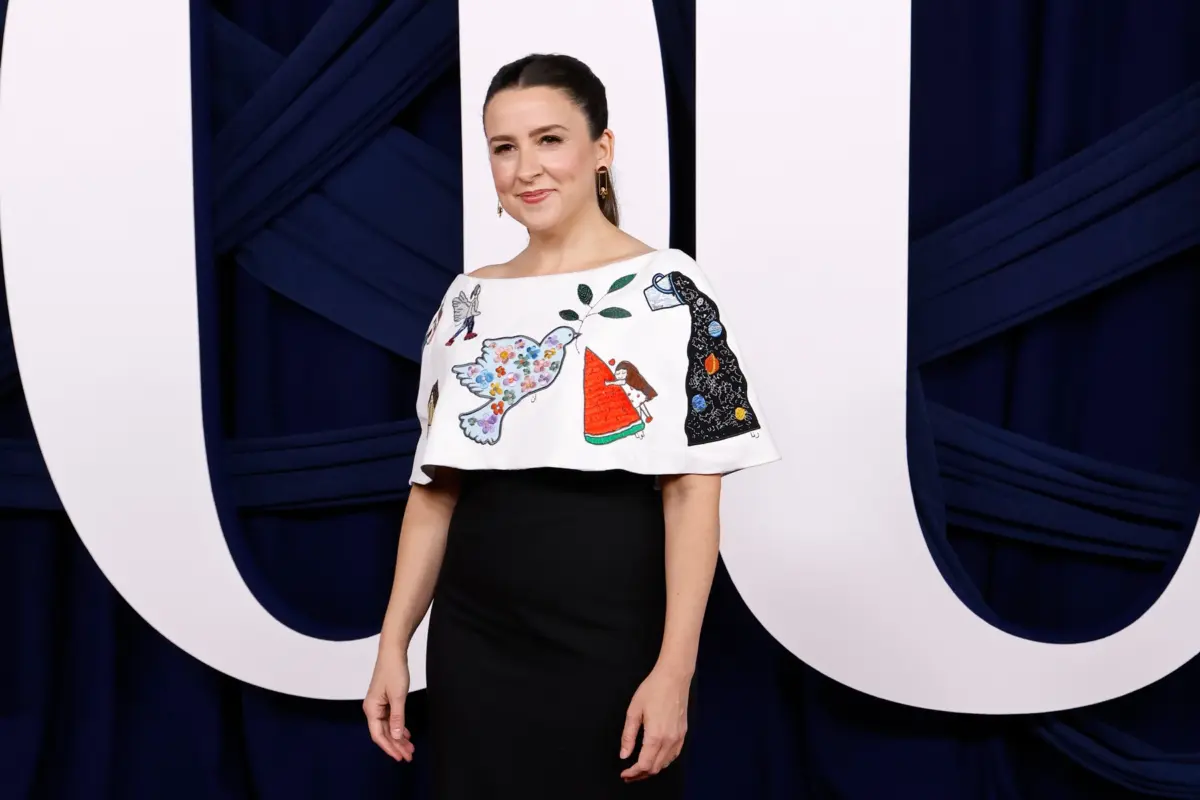
Rachel Accurso—widely known to millions of families globally as the internet personality "Ms. Rachel"—has formally pledged a $1 million donation to the Palestine Children’s Relief Fund (PCRF). This matching commitment mirrors a pledge made by Macklemore, who redirected $1 million of his tour earnings toward six humanitarian organizations dedicated to Palestinian aid. Accurso’s public announcement, distributed via Instagram, did not merely signal philanthropy; it issued a direct, unvarnished challenge to the upper echelons of the entertainment industry, calling on wealthy public figures to leverage their platforms and capital to oppose the ongoing humanitarian crisis in Gaza and the West Bank.
This escalating controversy has thrown the live music industry into turmoil, forcing promoters, artists, and venues to confront the friction between corporate risk management, artistic expression, and moral accountability. With multiple supporting acts withdrawing from Sheeran’s tour in solidarity with Macklemore, and with high-powered figures like New England Patriots owner Robert Kraft implicated in the backstage pressure campaigns, the incident has laid bare the complex, often contentious dynamics governing how modern celebrities navigate foreign policy, cancel culture, and public advocacy.
Detailed Chronology: From MetLife Stadium to Global Boycott
The sequence of events that fractured Ed Sheeran’s Loop Tour unfolded across a compressed, high-stakes timeline, transforming routine concert performances into a diplomatic and cultural battleground.
September 4–5, 2024: The Catalyst at MetLife Stadium
The friction began during the opening nights of Ed Sheeran’s Loop Tour stop at MetLife Stadium in East Rutherford, New Jersey. Macklemore, serving as a direct support act, took the stage and used his platform to address the humanitarian catastrophe unfolding in Gaza and the West Bank. Mid-set, the "Same Love" rapper delivered a passionate speech detailing the mass casualties and systemic devastation faced by civilians, culminating in a resounding declaration of "Free Palestine."
While the crowd response was mixed—ranging from enthusiastic applause to tense murmurs—the backstage repercussions were immediate. The performance set off a chain reaction among venue executives, promoters, and stakeholders who viewed the political messaging as a liability.
The Backstage Pressure Campaign
Following the September 5 show, backstage tensions escalated rapidly. Reports surfaced that New England Patriots owner Robert Kraft, whose connections to local stadium operations and high-net-worth business networks carry substantial weight, stepped in. Kraft reportedly refused to permit Macklemore to perform at the upcoming Gillette Stadium date, initiating a broader pressure campaign targeting other venue owners and stadium directors across the tour’s remaining stops.
Subsequent reporting by The Wall Street Journal detailed a critical 40-minute conference call that left Ed Sheeran’s tour hanging by a thread. Venue owners, spooked by the prospect of political controversy, liability issues, and potential protests, demanded assurances that future shows would remain entirely free of political commentary.
Ed Sheeran’s Ultimatum and Tour Fracturing
Facing mounting pressure from venue operators, Ed Sheeran was forced into a corner. According to subsequent statements, tour organizers presented the headliner with an impossible ultimatum: either remove Macklemore from the lineup immediately, or face the cancellation of the remainder of the tour.
Choosing to preserve the operational viability of the tour, Sheeran acquiesced to the venue owners’ demands, resulting in Macklemore’s formal dismissal. However, this decision failed to stabilize the tour. Instead, it triggered a mass walkout. In rapid succession, all remaining supporting acts on the bill—including GRAMMY-winning artist Finneas, pop singer Lukas Graham, folk band Beoga, and singer-songwriter Aaron Rowe—voluntarily dropped out of the tour. These artists cited their unwavering support for a "Free Palestine" and expressed deep apprehension regarding what they characterized as corporate censorship and the suppression of artistic free speech.
Macklemore’s Counter-Response and Aid Pledges
Undeterred by his removal from the tour, Macklemore leveraged the resulting global news cycle to center public attention back on the humanitarian crisis. On Wednesday, the artist announced that he would allocate $1 million of his personal earnings from the tour directly to six distinct organizations providing critical relief in the region:
- The Palestine Children’s Relief Fund (PCRF)
- HEAL Palestine
- Gaza Soup Kitchen
- Medical Aid for Palestinians (MAP)
- The United Nations Relief and Works Agency USA (UNRWA USA)
- Anera
In his public statement, Macklemore sought to pivot the narrative away from industry politics and back toward human preservation, writing: "Whatever we disagree about, perhaps we can agree on this: Palestinian lives are worth protecting. A Palestinian life is no less valuable than any other life on this earth."
Ms. Rachel Enters the Fray
Capitalizing on the momentum of Macklemore’s announcement, children’s entertainer Rachel Accurso posted a video to her Instagram account on Thursday, directly matching the rapper’s financial commitment.
"I will match Macklemore’s donation and I invite every wealthy white celebrity to match it and speak out against the genocide in Gaza," Accurso wrote. "Over 20,000 precious Palestinian children have been killed and children continue to be killed every day. We have a moral obligation to use our privilege and platforms to protect children and human rights."
Supporting Context & Metrics: The Human Cost and Digital Activism
To understand the fervor driving Accurso, Macklemore, and their peers, one must examine the staggering metrics and humanitarian realities governing the region, as well as the unique nature of Accurso’s digital empire.
The Humanitarian Crisis in Gaza
According to international monitoring bodies, the conflict has exacted a catastrophic toll on civilian infrastructure, health systems, and particularly children. UNICEF and the United Nations Office for the Coordination of Humanitarian Affairs (OCHA) have repeatedly designated Gaza as one of the most dangerous places on earth for children.
- Casualty Demographics: Health authorities and international observers report that tens of thousands of minors have been killed or severely injured since the escalation of hostilities.
- Infrastructure Collapse: The systematic destruction of hospitals, schools, water treatment facilities, and housing has left millions—predominantly families and children—displaced, malnourished, and lacking basic medical intervention.
- Access to Aid: Blockades and administrative hurdles have severely restricted the flow of humanitarian cargo, leading to acute food insecurity and preventable health crises. It is against this backdrop of widespread suffering that organizations like the PCRF and Anera operate under life-threatening conditions.
Ms. Rachel’s Platform and History of Advocacy
Rachel Accurso’s intervention is particularly notable given her professional domain: early childhood education and entertainment. As the creative force behind Ms. Rachel, she commands an audience of tens of millions of subscribers and viewers across YouTube and other social media platforms. Her content, designed for toddlers and preschoolers, focuses on speech development, emotional intelligence, and inclusivity.
However, Accurso has increasingly leveraged her massive digital footprint to advocate for humanitarian causes outside the classroom:
- Immigration Policy: She has been a vocal critic of family separation policies at the United States border, arguing that child welfare transcends national and political boundaries.
- Sudan Famine Relief: Accurso has directed fundraising efforts toward mitigating the devastating impacts of the ongoing humanitarian crisis and famine in Sudan.
- Resilience Against Backlash: Unlike many commercial creators who carefully curate neutral stances to protect brand partnerships, Accurso has openly dismissed the financial threats directed at her channels. In an interview with Rolling Stone, she noted: "‘You’re gonna lose this partnership. You’re gonna lose views.’ That doesn’t faze me because the kids gave me the platform. I’m going to stand with them no matter what… People on the ground in Gaza are risking their lives all the time to help kids. I can do it from Manhattan."
Official Statements and Industry Dispatches
The fallout from the tour cancellation generated a fascinating array of official statements from the principal actors, revealing deep ideological divides over the responsibilities of public figures.
Ed Sheeran’s Defense of Neutrality
In a carefully worded public statement, Ed Sheeran addressed the controversy, detailing the impossible position in which he was placed by venue owners and promoters:
"There is a reason I do not use my professional platform for politics — my audience includes young people, often children, of all backgrounds," Sheeran explained. "Those who come to my shows do not expect a political forum. I respect Macklemore’s strength of purpose to stand up and shout for what he believes. However, there is room for multiple approaches to the same end: peace."
Sheeran’s stance encapsulates the traditional corporate entertainment philosophy: that live music spaces should remain politically agnostic to preserve a universal consumer base. However, this approach faced fierce pushback from contemporary artists who argue that neutrality in the face of humanitarian devastation is a form of complicity.
Venue Management and Stakeholder Intervention
Robert Kraft’s confirmation to Rolling Stone that he exercised his authority to bar Macklemore from Gillette Stadium underscored the direct financial and corporate leverage held by sports and entertainment moguls. While stadium owners historically maintain broad latitude regarding facility usage, the overt coordination between venue operators—as documented by The Wall Street Journal‘s investigation into the behind-the-scenes phone calls—demonstrated an organized effort to police political discourse within private-public entertainment venues.
Philanthropic Clarity from Aid Organizations
Representatives from the Palestine Children’s Relief Fund (PCRF) and other recipient agencies issued statements expressing gratitude for the influx of unrestricted funding. Officials noted that the combined $2 million from Macklemore and Accurso, alongside contributions from supporting artists, will directly finance emergency medical supplies, pediatric surgical interventions, and nutritional rehabilitation programs for children caught in active conflict zones.
Future Outlook: The New Paradigm of Artist Activism
The collision between global geopolitics and the live entertainment industry points toward a fundamental restructuring of how artists, venues, and audiences interact. Several long-term implications are already taking shape:
1. The Death of Strict "Neutrality" in Live Performance
For decades, major headliners adhered to an unwritten rule: keep concerts apolitical to maximize ticket sales and avoid alienating sponsors. The actions of Macklemore, Finneas, Lukas Graham, and supporting acts signal that a new generation of performers rejects this constraint. Artists are increasingly willing to sacrifice high-profile tour slots, corporate sponsorships, and mainstream radio friendliness to voice ethical convictions. Conversely, venue operators and promoters are tightening contractual clauses regarding political speech, setting the stage for future legal and operational battles over freedom of expression on private-public stages.
2. The Rise of "Direct-Action Philanthropy"
Celebrity philanthropy is shifting away from passive public-service announcements and gala appearances toward direct, highly targeted financial allocations. By bypassing legacy international NGOs and routing funds directly to grassroots organizations operating on the ground in Gaza (such as the Gaza Soup Kitchen and PCRF), figures like Macklemore and Ms. Rachel are establishing a new benchmark for accountability and speed in disaster relief.
3. Brand Independence and Digital Resilience
Rachel Accurso’s trajectory illustrates a profound shift in modern media power dynamics. Historically, creators who relied on corporate sponsorships and traditional media networks were highly vulnerable to advertiser boycotts and public relations pressure campaigns. However, platforms like YouTube, built on direct-to-consumer subscriber models, grant digital creators unprecedented economic independence. Because Accurso’s primary constituency consists of everyday parents and children rather than corporate boards, traditional backlash has proven largely ineffective at silencing her advocacy.
Conclusion
As the shockwaves from the Loop Tour cancellation continue to reverberate across the global entertainment landscape, the actions of Rachel Accurso and Macklemore have redefined the boundaries of celebrity responsibility. What began as a brief stage proclamation has evolved into a watershed moment—one that forces artists, corporations, and audiences alike to answer a persistent, uncomfortable question: when human rights and international conflict intersect with the commercial machinery of pop culture, where does true accountability lie?