

Executive Overview
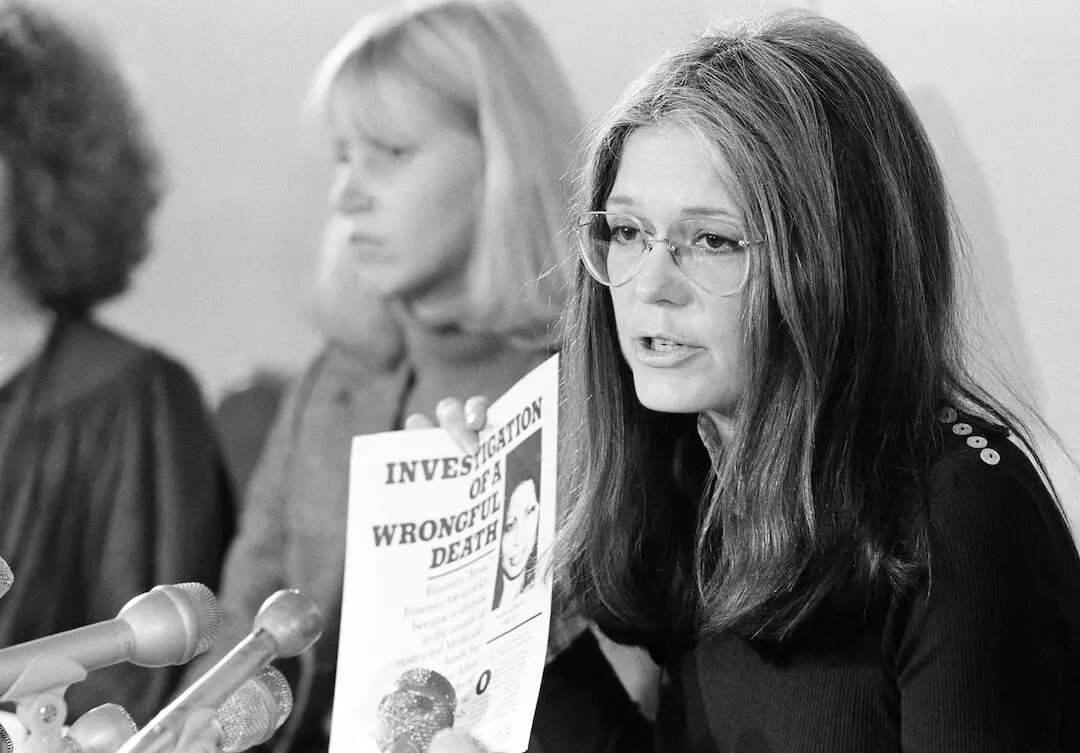
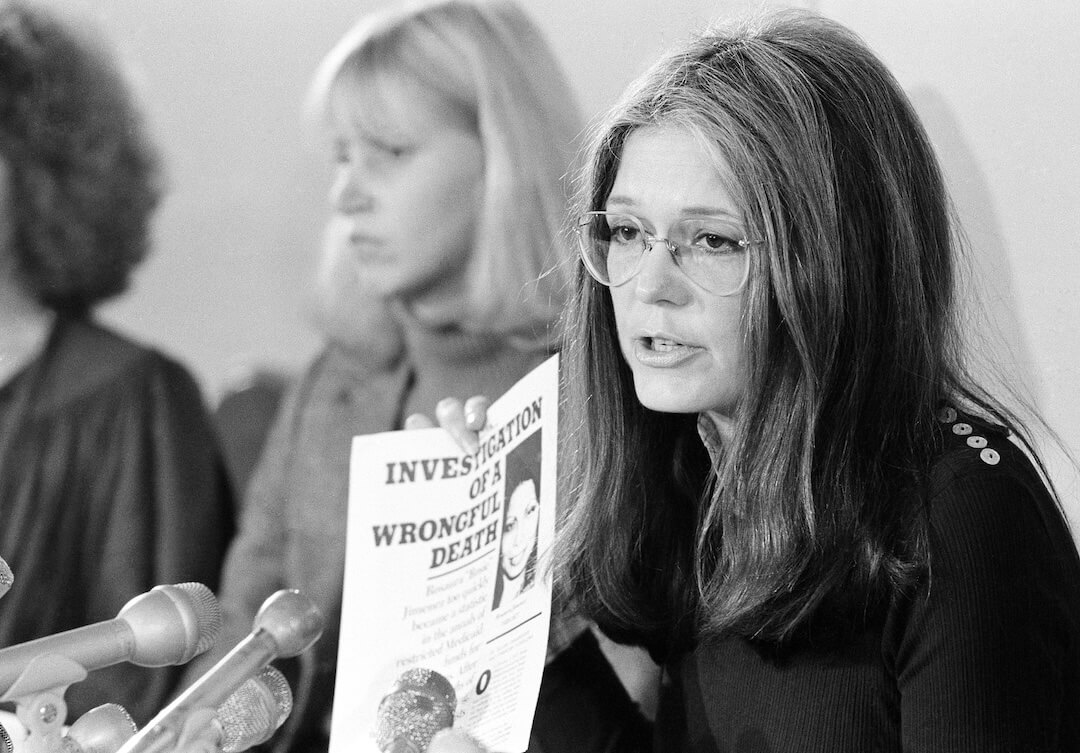
The contemporary media ecosystem is undergoing a profound and rapid transformation, caught between the shifting sands of digital distribution algorithms, historic personnel shakeups, and the mourning of foundational figures who shaped modern journalism. This week encapsulates these tensions. From the monumental passing of feminist trailblazer and journalist Gloria Steinem at age 92 to high-profile ethical crises in sports and cable news, the industry is reckoning with accountability, structural change, and institutional legacy.
Most notably, The Athletic has released the findings of an exhaustive internal investigation into former NFL insider Dianna Russini, confirming that an undisclosed personal relationship with New England Patriots coach Mike Vrabel breached journalistic standards, even as it found limited evidence of direct bias in her reporting. Concurrently, Fox News Media parted ways with financial anchor Maria Bartiromo following allegations that she leaked internal confidential editorial guidance to the Trump White House. Amplifying these institutional shocks, legacy print stalwarts like USA Today and its parent network are executing staff reductions and audience-team reorganizations as traditional search traffic plummets.
This comprehensive report examines these converging media storylines, providing structural context, chronologies, and expert analysis on the state of contemporary journalism.
Detailed Chronology of Recent Industry Crises
1. The Dianna Russini and The Athletic Inquiry
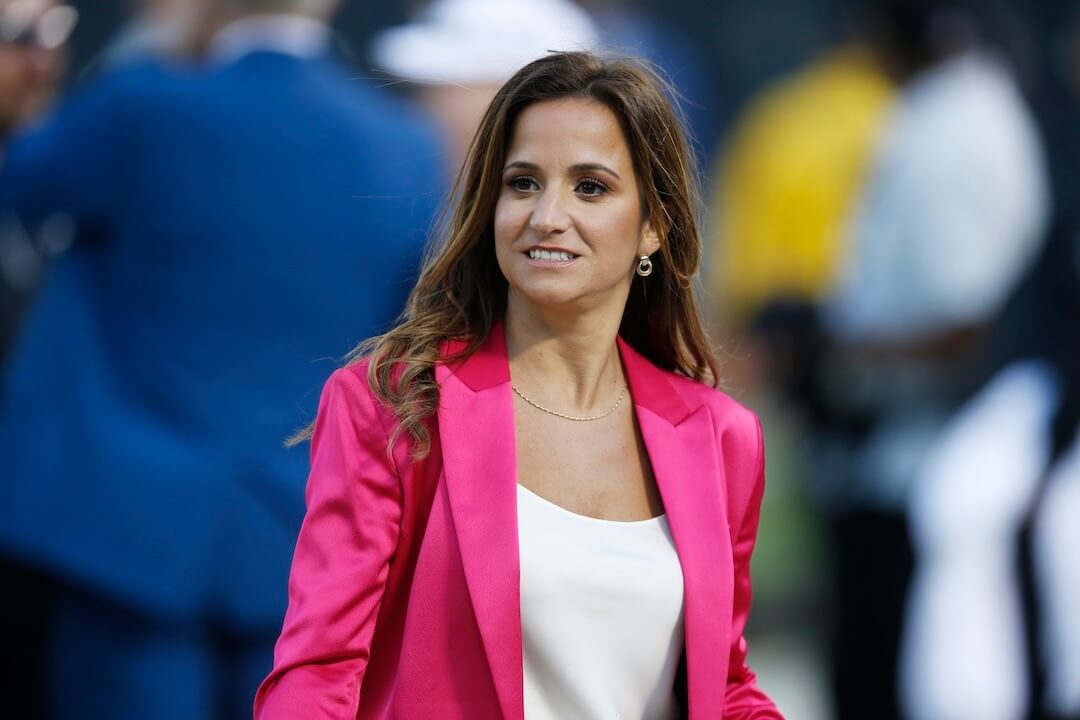
- April: The New York Post’s Page Six publishes photographs showing The Athletic’s NFL insider Dianna Russini and New England Patriots coach Mike Vrabel embracing, holding hands, and sharing a pool at an Arizona resort. Both individuals, married to other parties, separately deny inappropriate conduct.
- Initial Fallout: Executive editor Steven Ginsberg initially supports Russini, suggesting the photographs lacked context. However, as additional details emerge, The Athletic suspends Russini; she resigns one week later.
- The Investigation: Editorial director for standards and editorial quality Mike Semel launches a massive retrospective audit. Semel reviews 903 stories, 77 videos, 204 episodes of the "Scoop City" podcast, external appearances, and interviews approximately 14 staffers. Russini declines to participate.
- Thursday Release: The Athletic publishes its findings. While confirming a severe breach of conflict-of-interest standards, the report notes that of the 46 pieces concerning Vrabel or his teams (roughly 5% of her output), little direct evidence indicates her relationship altered the factual integrity of her reporting, though four pieces ultimately require retroactive editor’s notes.
2. Maria Bartiromo’s Sudden Exit from Fox News
- July: Following a prime-time speech by Donald Trump featuring conspiracy theories regarding the 2020 election and China, Fox News leadership issues written internal guidance instructing senior staff and anchors not to lend credence to the claims. The network largely bypasses the talking points in subsequent programming.
- The Leak: According to reporting by Status’s Oliver Darcy, anchor Maria Bartiromo bypasses internal protocol, forwarding the network’s internal confidential editorial guidance—including the exact text message from executives—directly to the Trump White House.
- Thursday Dismissal: After the breach of her employment agreement comes to light, Fox News issues a terse announcement stating that Maria Bartiromo is no longer with Fox News Media. The network begins aggressively rebranding her programs, transforming Mornings with Maria into Mornings with Fox Business and reassigning her specialty slots.
Supporting Context & Metrics
The intersection of personal relationships, political alignment, and corporate compliance has placed an unprecedented spotlight on newsroom mechanics. The metrics behind these investigations illustrate the immense scope required by modern media outlets to maintain credibility.
+-----------------------------------------------------------------------------------+
|                        THE ATHLETIC AUDIT METRICS (RUSSINI)                       |
+---------------------------+-------------------------------------------------------+
| Stories & Byline Pieces   | 903                                                   |
| Videos Reviewed           | 77                                                    |
| Podcast Episodes          | 204 ("Scoop City")                                    |
| Staff Interviews          | ~14 colleagues                                        |
| Vrabel-Specific Content   | 46 pieces (~5% of total reviewed)                     |
| Retroactive Editor Notes  | 4 pieces (3 videos, 1 column with attribution flaws)  |
+---------------------------+-------------------------------------------------------+
As outlets like USA Today confront shrinking search engine referral traffic—prompting Senior Vice President Monica Richardson to note that traditional volume-based growth "isn’t as effective as it once was"—digital publishers are forced to restructure. The pivot away from search-driven output toward specialized niche curation, platform relationship management, and direct audience engagement underscores a grim reality: newsrooms are leaner, more cautious, and increasingly vulnerable to macro-algorithmic shifts.
Official Statements and Industry Reactions
The professional community has responded to these developments with a mixture of introspection, grief, and defensive positioning.
- Gloria Steinem’s Estate and Colleagues:
Reflecting on the loss of the legendary journalist and Ms. magazine co-founder, an official statement posted to her Instagram highlighted her foundational ethos: "Gloria’s greatest gift was her ability to listen to others, to make others feel seen and heard… Her words, actions, and example gave people permission to be their truest selves." CNN anchor Christiane Amanpour noted via social media: "Gloria Steinem will go down in history as one of the most important activists of all time, leading a movement for the equality of half the world: its women." - Dianna Russini:
Declining to participate directly in The Athletic’s internal audit, Russini issued a concise statement to media reporters: "I stand by any and all reporting I’ve ever done in my career." - Mike Vrabel:
Addressing the media regarding the conclusion of The Athletic’s review, the Patriots coach maintained a forward-looking stance: "I’ve moved on and am excited about this new opportunity here as we start this season." - Fox News Media:
Opting for corporate minimalism regarding Maria Bartiromo’s departure, a spokesperson maintained: "This was a business decision and the release speaks for itself."
Future Outlook: Rebuilding Trust in an Era of Scrutiny
The cascading events of this week point to a singular, overarching mandate for modern journalism: the absolute necessity of absolute transparency.
When a journalist maintains an undisclosed personal relationship with a primary subject—as occurred in the Russini-Vrabel dynamic—the damage extends far beyond the individual by casting retroactive suspicion on an entire archive of work. Even when a thorough independent review finds no explicit distortion of facts, the mere presence of an undisclosed conflict forces readers, editors, and peers to read past journalism through an asterisked lens.
Similarly, the firing of Maria Bartiromo highlights the perilous blurring of lines between media organizations and political apparatuses. When internal editorial guidance intended to curb the spread of unsubstantiated conspiracy theories is leaked directly to the political subjects of coverage, the foundational firewall protecting journalistic independence collapses.
Moving forward, legacy networks and digital publishers alike will likely tighten compliance clauses, mandate more rigorous conflict-of-interest disclosures, and invest heavily in structural audits to preempt scandals. Yet, as print outlets scale back staff to navigate algorithmic headwinds, the human capital required to sustain deep investigative rigor remains under threat. Balancing financial survival with unyielding ethical standards will define the viability of the news industry for the next generation.