

Executive Overview
For decades, modern medicine operated under a straightforward assumption regarding pharmacology and the human body: once a drug is metabolized, cleared from the bloodstream, and excreted, its physiological footprint fades. While acute side effects dissipate and therapeutic benefits wane, the prevailing medical consensus held that the body returns to a stable, baseline state shortly after a pharmaceutical regimen ceases.
However, a groundbreaking, large-scale genomic study from the University of Tartu Institute of Genomics shatters this long-standing clinical paradigm. The research reveals that medications you may have stopped taking years ago continue to cast a long, indelible shadow over the complex ecosystem residing within your digestive tract.
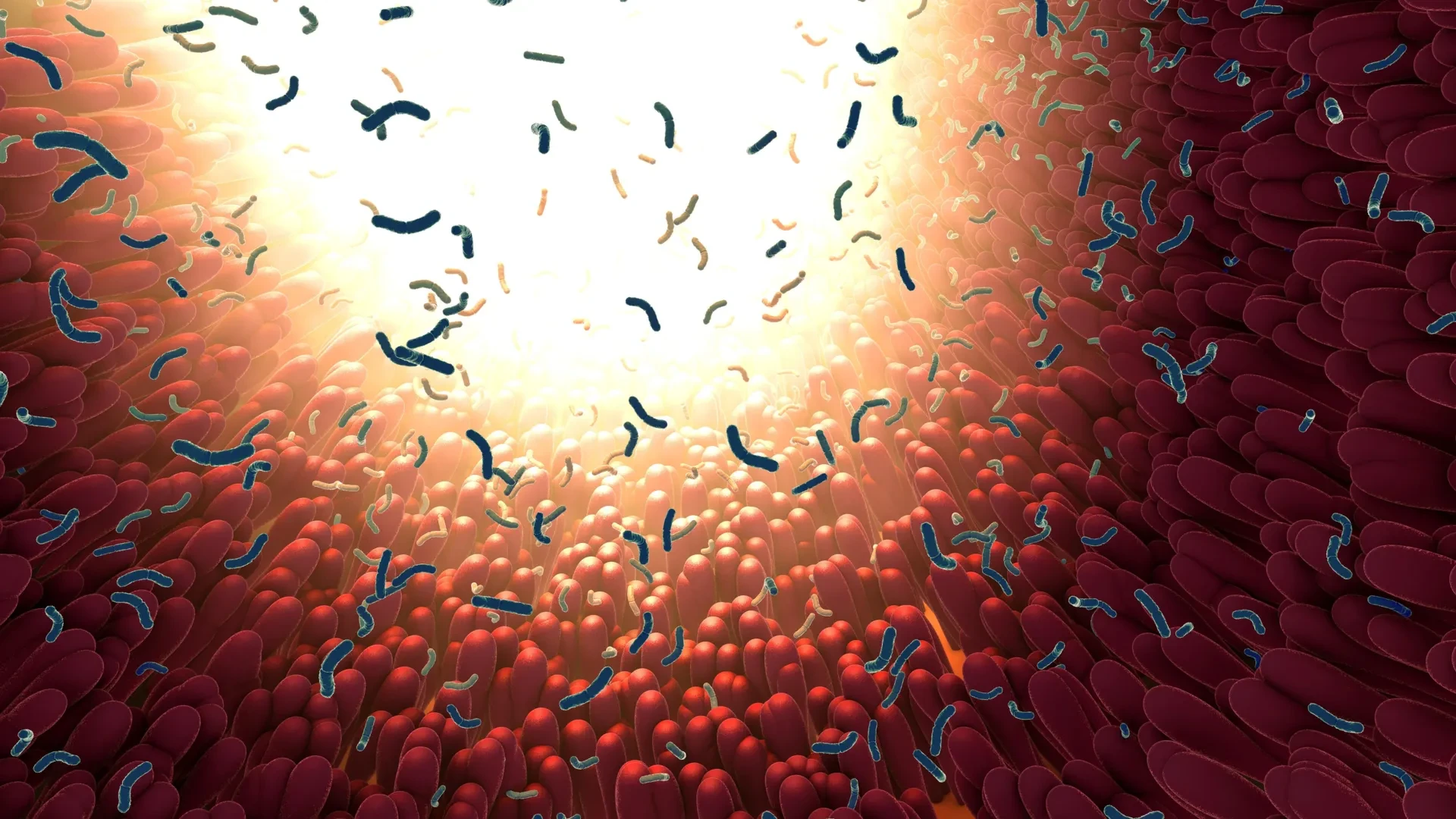
The gut microbiome—the vast, trillion-strong community of bacteria, fungi, viruses, and archaea inhabiting the human gastrointestinal tract—does not simply bounce back when a prescription ends. Instead, many commonly prescribed pharmaceutical drugs leave behind persistent microbial "fingerprints." These lasting alterations can remain detectable years after a patient has ingested their final pill.
This monumental discovery shifts how scientists must view human microbial diversity. Historically, researchers analyzing gut microbiome data focused almost exclusively on a patient’s current lifestyle, diet, and active medication list. The University of Tartu findings demonstrate that this approach is fundamentally incomplete. A person’s pharmaceutical history is a powerful, enduring architect of their microbial landscape.
By analyzing the comprehensive health records and stool samples of over 2,500 participants from the Estonian Biobank, the research team illuminated a hidden dimension of pharmacology. Medications such as antidepressants, beta-blockers, proton pump inhibitors (PPIs), and benzodiazepines do more than temporarily disrupt digestion. They can fundamentally restructure microbial communities for years, altering the terrain of the gut long after the chemical agents themselves have vanished from the body.
This revelation has profound implications for clinical practice, pharmaceutical development, and medical research. If past drug exposures systematically alter the gut microbiome, failure to account for a patient’s historical prescription profile could lead scientists to misattribute microbial shifts to active diseases rather than past medical interventions. As personalized medicine advances, understanding the lifetime chronicle of our drug exposure may prove just as critical as charting our genetic code.
Detailed Chronology and Investigative Methodology
To understand how researchers arrived at these paradigm-shifting conclusions, it is necessary to trace the investigative journey undertaken by the University of Tartu Institute of Genomics. The project was conceived out of a growing frustration within microbiome science: persistent, unexplained variances in human gut bacteria.
Bridging Genomic Biobanks and Microbiome Science
For years, population-scale biobanks have collected vast quantities of biological samples, genetic data, and longitudinal electronic health records. The Estonian Biobank, hosted by the University of Tartu, represents one of the most comprehensive repositories of its kind, housing health data and biological samples for roughly 20% of Estonia’s adult population.
Recognizing the gold mine of data available, a team of researchers led by Dr. Oliver Aasmets and senior author Professor Elin Org set out to interrogate the intersection of pharmacology and microbial genomics. They designed a study to systematically evaluate how both active and historical medication use correlates with the composition of the gut microbiome.
Phase One: Cross-Sectional Analysis of 2,500+ Participants
The initial phase of the investigation centered on a cohort of more than 2,500 participants drawn from the Estonian Microbiome cohort. For each participant, the researchers had access to high-throughput metagenomic sequencing data derived from stool samples, which provided an exhaustive inventory of the gut’s microbial inhabitants.
Crucially, the research team did not rely merely on patient questionnaires about current habits. Instead, they cross-referenced these biological samples with the participants’ comprehensive, digitized electronic prescription histories. This allowed researchers to map microbial composition not just against what drugs a person was swallowing today, but against every prescription filled over years or even decades.
The statistical analysis yielded an unexpected revelation: the sheer breadth of medications linked to microbiome alterations was vastly underestimated. While antibiotics have long held the monopoly in medical literature as the primary disruptors of gut flora, the Tartu team discovered that non-antibiotic drugs were just as strongly—and in some cases more persistently—associated with microbial divergence.
Phase Two: Longitudinal Validation and Dynamic Shifts
A correlation in a cross-sectional study, however striking, does not definitively prove causation. It is always possible that confounding variables—such as the underlying disease state for which a drug was prescribed—are responsible for the microbial differences.
To bridge the gap between correlation and causation, the researchers initiated a dynamic, longitudinal follow-up phase. They collected subsequent stool samples from a targeted subset of participants who underwent natural transitions in their medication regimens—specifically, individuals who either initiated or discontinued specific drug therapies during the observation window.
By tracking these intra-individual shifts over time, the research team observed predictable, real-time alterations in gut bacteria as medications were introduced or withdrawn. This longitudinal tracking provided the crucial empirical validation needed to confirm that the drugs themselves—rather than merely the underlying conditions—were actively driving the structural changes in the microbiome.
Although this dynamic tracking subset was comparatively small, it successfully verified lasting, predictable microbial shifts associated with major drug categories, including proton pump inhibitors, selective serotonin reuptake inhibitors (SSRIs), and specific antibiotic combinations like penicillins and macrolides.
Supporting Context & Metrics: The Pharmacology of Microbial Disruption
To fully grasp the weight of these findings, one must examine the specific drug classes implicated in the study and the metrics of their disruption. The research extended across several foundational pillars of modern pharmacology, revealing that everyday medications carry profound ecological consequences for our internal symbionts.
+-------------------------------------------------------------------------+
|                  MAJOR DRUG CLASSES & MICROBIAL IMPACT                  |
+--------------------------+----------------------------------------------+
| Drug Class               | Primary Clinical Use                         |
+--------------------------+----------------------------------------------+
| Benzodiazepines          | Anxiety management (comparable to antibiotics|
| Proton Pump Inhibitors   | Acid reflux & stomach acid reduction         |
| Antidepressants (SSRIs)  | Mental health & mood regulation              |
| Beta-Blockers            | High blood pressure & cardiovascular health  |
+--------------------------+----------------------------------------------+
Benzodiazepines: The Hidden Antibiotics of the Mind
One of the most startling discoveries of the study centered on benzodiazepines—a class of psychotropic medications widely prescribed for anxiety, panic disorders, insomnia, and seizures. Drugs such as diazepam and alprazolam are cornerstones of modern psychiatric care.
When analyzing the microbiome data, researchers found that benzodiazepine use was associated with alterations in gut bacteria that were quantitatively and qualitatively comparable to the disruptions caused by broad-spectrum antibiotics. Broad-spectrum antibiotics are famous for executing a scorched-earth policy in the gut, decimating beneficial bacterial populations and opening ecological niches for opportunistic pathogens.
Even more intriguing was the discovery of pharmacological nuance within drug classes. The study revealed that medications sharing the exact same therapeutic classification did not necessarily exert identical pressures on the microbiome. For instance, diazepam and alprazolam—both benzodiazepines used to treat similar spectrums of anxiety—exhibited measurable differences in the intensity and nature of their microbial disruption. This indicates that the microbiome’s response is governed not merely by broad pharmacological categories, but by the unique chemical architecture of individual compounds.
Proton Pump Inhibitors (PPIs)
Proton pump inhibitors, such as omeprazole and lansoprazole, are among the most frequently dispensed medications globally, used to manage gastroesophageal reflux disease (GERD) and peptic ulcers. By suppressing gastric acid production, PPIs fundamentally alter the chemical environment of the upper gastrointestinal tract.
Historically, researchers knew that reducing stomach acid could allow oral and upper-GI bacteria to survive transit into the lower gut, where they do not normally flourish. The Estonian study reinforced this, demonstrating that PPI usage leaves durable imprints on microbial community structures that persist long after patients cease therapy.
Antidepressants and SSRIs
Selective serotonin reuptake inhibitors (SSRIs) represent another pillar of modern medicine, routinely prescribed to manage depression, obsessive-compulsive disorder, and various anxiety disorders. The interaction between SSRIs and the gut is already a subject of intense scientific interest due to the gut-brain axis—the bidirectional communication network linking the enteric and central nervous systems.
The Tartu study confirmed that SSRIs leave distinct microbial signatures. Because serotonin receptors are densely populated throughout the gastrointestinal tract (in fact, the vast majority of the body’s serotonin is synthesized and housed in the gut), the local antimicrobial activity of SSRIs directly impacts the populations of bacteria that thrive or perish in this chemical environment.
Beta-Blockers
Beta-blockers are prescribed to millions of patients worldwide to manage hypertension, heart failure, and arrhythmias by blocking the effects of adrenaline. The inclusion of beta-blockers in the list of drugs leaving lasting microbial imprints broadens the scope of pharmacology’s reach, suggesting that cardiovascular medications exert systemic biochemical pressures that extend deeply into our microbial symbionts.
Official Statements and Expert Perspectives
The gravity of the University of Tartu study has resonated throughout the international scientific community, prompting leading researchers to reflect on how these discoveries will reshape future investigations.
Dr. Oliver Aasmets, lead author of the study, emphasized how the research fundamentally changes the baseline assumptions of microbiome epidemiology.
"Most microbiome studies only consider current medications," Dr. Aasmets noted during the release of the findings. "But our results show that past drug use can be just as important—it is a surprisingly strong factor in explaining individual microbiome differences."
This perspective exposes a historical blind spot in clinical research. For over a decade, scientists have published papers correlating specific gut enterotypes with diseases ranging from inflammatory bowel disease to obesity and diabetes. In many cases, these studies controlled for current medication use. However, if a patient’s microbiome is carrying the structural ghost of an antibiotic regimen, an antidepressant course, or a PPI cycle completed three years prior, those historical exposures could easily masquerade as disease-specific biomarkers.
Professor Elin Org, the corresponding author of the study and a leading authority on genomics and microbiome research, underscored the translational imperative of their work for clinicians and researchers alike.
"This is a comprehensive systematic evaluation of long-term medication effects on the microbiome using real-world medical health records," Professor Org stated. "We hope this encourages researchers and clinicians to factor in medication history when interpreting microbiome data."
Professor Org’s remarks point toward a crucial caveat: while the study successfully maps the persistence of these microbial changes, it stops short of declaring them pathologically harmful. The presence of a lasting microbial "fingerprint" does not automatically mean a patient is suffering from chronic pathology. Rather, it highlights the remarkable resilience, adaptability, and long-term memory of the human ecosystem.
Nevertheless, the inability to distinguish between a "neutral" historical shift and a clinically maladaptive microbiome alteration represents an urgent frontier for medical science.
Future Outlook: The Dawn of Pharmacomicrobiomics
As the medical establishment digests the findings from the University of Tartu, the horizon of microbiome research is shifting toward a new paradigm often termed pharmacomicrobiomics—the study of how human gut microbes affect the pharmacokinetics and pharmacodynamics of drugs, and conversely, how drugs shape the microbiome over a lifetime.
Re-Evaluating Clinical Diagnostics
In the near future, interpreting a patient’s microbiome profile may require a tool far more comprehensive than a simple list of current prescriptions. Just as clinicians routinely review a patient’s complete lifetime surgical and allergy history, future gastroenterologists, immunologists, and primary care physicians may need access to digitized lifetime pharmacological timelines.
Without this historical context, clinical interventions designed to manipulate the microbiome—such as fecal microbiota transplants (FMT), targeted prebiotics, or precision probiotics—risk running aground. If an individual’s microbiome is structurally constrained by historical drug exposures, standard therapeutic interventions may fail to take root because the underlying ecological landscape has been permanently redrawn.
Pharmaceutical Design and Drug Safety
For pharmaceutical companies, these findings introduce a new set of responsibilities during the drug development pipeline. Historically, clinical trials evaluate a drug’s short-term efficacy and acute adverse event profile. The realization that non-antibiotic drugs can leave multi-year imprints on the gut ecosystem suggests that preclinical and clinical testing protocols should incorporate longitudinal microbiome tracking.
Understanding whether an experimental anti-anxiety compound or cardiovascular agent leaves permanent microbial alterations could become a standard metric in determining its safety profile, guiding drug designers to engineer molecules that achieve therapeutic targets without inflicting collateral damage on our internal ecology.
The Lifetime Microbiome Narrative
Ultimately, the research from the University of Tartu redefines what it means to be a biological individual. We are not static biological entities governed solely by our human DNA; we are dynamic, walking ecosystems shaped by every chemical interaction we have ever experienced.
The pills we swallow today do not simply dissolve, act, and vanish. They leave an enduring inscription upon the microscopic communities that help define our health, our metabolism, and our vitality. As science continues to decode these microbial archives, the medical community moves closer to a truly holistic understanding of human health—one that acknowledges that our past prescriptions are living quietly within us, shaping the biological canvas of our future.
