


Executive Overview
In the contemporary digital economy, the traditional boundaries of advertising have shifted. The rise of multi-channel distribution networks—spanning search engine optimization (SEO), social media platforms, and algorithmic newsletter ecosystems—has elevated copywriting from a supportive creative task to a primary driver of customer acquisition. Historically, marketing departments prioritized linguistic elegance and brand awareness. However, data-driven performance marketing demands a structural shift: writing is now evaluated not by its aesthetic value, but by its direct return on investment (ROI) and conversion metrics.
This investigative analysis explores the strategic frameworks utilized by leading digital marketing practitioners, including the executive leadership at Copyblogger, to build high-converting content engines. By analyzing customer psychology, competitor intelligence, systemic writing workflows, and targeted artificial intelligence (AI) integration, this report outlines the precise methodologies that turn written words into predictable business assets.

At its core, modern copywriting is not about writing eloquently; it is about establishing a direct, clear connection with the reader’s immediate pain points, systematically neutralizing objections, and guiding them toward a measurable transaction.
Detailed Chronology: The Strategic Evolution of High-Performance Copywriting
To understand how modern copywriting generates seven-figure revenue streams, we must analyze the sequential development of a copywriter’s methodology. The transition from a novice writer to a high-earning conversion specialist relies on a ten-step operational blueprint.
[Phase 1: Market Intelligence] ──> [Phase 2: Workflow & Execution] ──> [Phase 3: Platform & ROI]
  - Customer Interviews             - Standardized Writing Process      - Algorithmic Optimization
  - Competitor Ad Mining            - Deliberate Practice Regimens      - Conversion Attribution
  - Swipe File Compilation          - Strategic AI Integration          - Community Feedback Loops
Phase 1: Market Intelligence and Customer Psychology
The foundation of any successful marketing campaign begins long before the first draft is written. It starts with deep, analytical customer research.
       ┌────────────────────────────────────────────────────────┐
       │               CUSTOMER INTEL MINING PIPELINE           │
       └───────────────────────────┬────────────────────────────┘
                                   │
         ┌─────────────────────────┼─────────────────────────┐
         ▼                         ▼                         ▼
┌─────────────────┐       ┌─────────────────┐       ┌─────────────────┐
│   SALES REPS    │       │    REDDIT &     │       │   TRANSCRIPT    │
│   INTERVIEWS    │       │   COMMUNITIES   │       │   AI ANALYSIS   │
└────────┬────────┘       └────────┬────────┘       └────────┬────────┘
         │                         │                         │
         └─────────────────────────┼─────────────────────────┘
                                   │
                                   ▼
                   ┌───────────────────────────────┐
                   │ Synthesized Pain Points &     │
                   │ Real Customer Language        │
                   └───────────────────────────────┘
1. Direct Customer and Sales Team Consultation
An effective copywriter must mirror the exact language, frustrations, and aspirations of their target audience. Practitioners utilize several primary research channels:
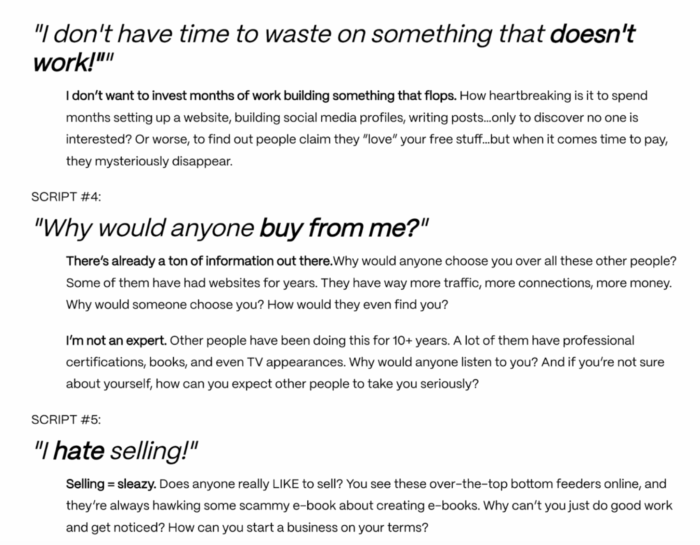
- Sales Representative Interviews: When direct access to customers is limited, copywriters interview frontline sales representatives to document the most common objections and recurring friction points in the sales cycle.
- Call Transcript Analysis: Utilizing AI tools to parse transcripts of recorded sales calls allows writers to extract exact phrasing, emotional triggers, and natural vocabulary used by prospective buyers.
- Digital Ethnography: Mining community platforms such as Reddit and specialized Facebook Groups provides unvarnished insight into organic consumer discussions. By studying these forums, copywriters identify the psychological realities of their target audience.
2. Competitor Intelligence and Ad Library Auditing
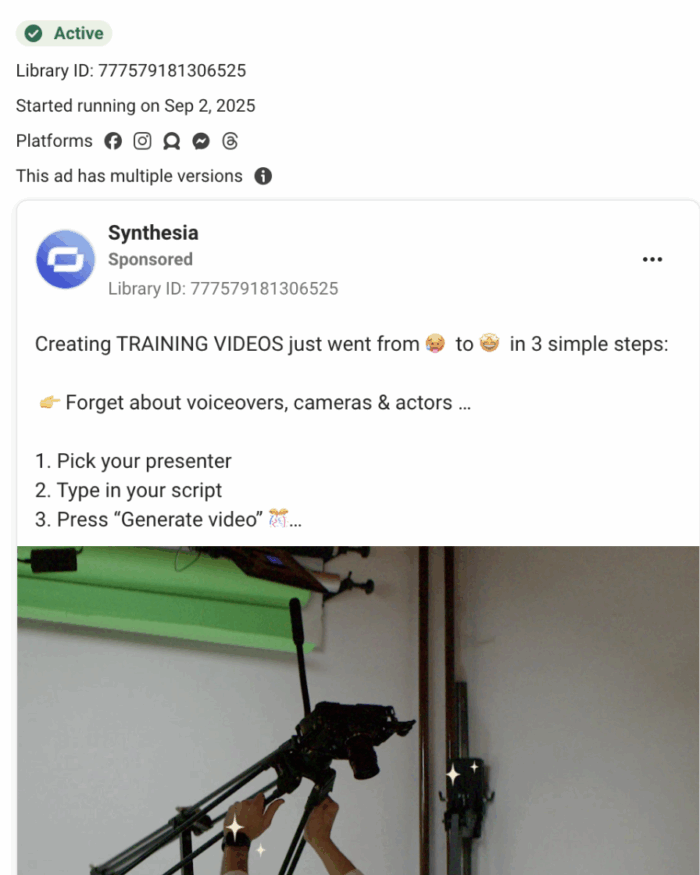
Modern copywriters do not write in isolation. Instead of starting from scratch, they analyze established competitors who have spent significant capital testing marketing messages. By auditing the Meta Ad Library and LinkedIn Ads Directory, writers can identify winning formulas:
- Ad Longevity Analysis: The duration of an active paid advertisement is a strong indicator of its performance. Ads that have run uninterrupted for months are highly likely to be profitable, highlighting the specific pain points and hooks that resonate with the market.
- Value Proposition Mapping: Analyzing competitor copy reveals which product benefits are prioritized, helping writers position their own offers more effectively.
3. Curation of a Digital Swipe File
A "swipe file" is a curated database of exceptionally high-performing sales pages, email sequences, and advertising hooks. Rather than copying these assets directly, professionals reverse-engineer their underlying psychological frameworks. Resources such as Neville Medhora’s SwipeFile.com serve as valuable reference points, helping writers analyze how master copywriters structure headlines, introduce offers, and present calls-to-action (CTAs).

Phase 2: Systematized Workflow and Execution
Once research is complete, the focus shifts to structured execution. Relying on raw inspiration often leads to writer’s block and inconsistent output; professional writers rely on repeatable systems instead.
┌────────────────────────────────────────────────────────────────────────┐
│                      THE THREE-STEP BLOG WORKFLOW                      │
├────────────────────────────────────────────────────────────────────────┤
│                                                                        │
│  [Step 1: Outlining] ──────────────────────────────────────────────┐   │
│  Define target keywords, search intent, and primary CTA.           │   │
│                                                                    │   │
│  [Step 2: Drafting] <──────────────────────────────────────────────┘   │
│  Focus on raw writing speed and fluid narrative generation.            │
│                                                                        │
│  [Step 3: Refining] ───────────────────────────────────────────────┐   │
│  Optimize formatting, remove fluff, and sharpen visual readability.│   │
│                                                                        │
└────────────────────────────────────────────────────────────────────────┘
4. The Three-Step Production System
To maintain consistent, high-volume output, professional copywriters separate the writing process into distinct, non-overlapping phases:

- Outlining: The writer establishes the structural backbone of the piece. This includes selecting target keywords, mapping the logical flow of arguments, identifying necessary evidence or quotes, and defining the primary call-to-action (CTA).
- Drafting: The writer focuses entirely on fluid creation, generating text quickly without self-censorship or real-time editing.
- Refining and Formatting: The final phase involves editing for clarity, removing unnecessary words, adjusting the tone, and formatting the text with bolding, bullet points, and clean subheadings to make it highly scannable.
5. Deliberate Practice and Real-World Application
Writing proficiency requires active, real-world testing. Successful copywriters often build and run their own digital assets to test their skills in live markets:
- Platform-Specific Ghostwriting: Developing a personal audience on platforms like LinkedIn or X (formerly Twitter) provides immediate feedback on what hooks and topics engage readers.
- Niche Affiliate and E-commerce Properties: Managing a direct-to-consumer dropshipping store or an affiliate marketing blog teaches writers to prioritize transactional intent over mere search traffic. This distinction is vital: ranking for high-volume, generic terms often yields fewer conversions than targeting specific, long-tail search queries with clear buyer intent.
6. Strategic AI Integration
Rather than using AI to generate entire articles—which often produces generic, uninspired content—top copywriters use large language models (LLMs) like ChatGPT as collaborative research and editing assistants:

| Use Case | Operational Application | Expected Outcome |
|---|---|---|
| Pain Point Research | Querying LLMs to identify the psychological anxieties of specific customer segments. | A comprehensive list of emotional hooks and potential objections to address. |
| Sentence Refinement | Prompting AI to rewrite complex paragraphs for maximum clarity and brevity. | Highly scannable, punchy, and direct copy that maintains reader attention. |
| Expert Sourcing | Directing AI search tools to locate real-world case studies, executive quotes, and industry benchmarks. | High-authority external references that validate sales claims and build trust. |
Phase 3: Platform Mastery and Performance Metrics
The final phase of the copywriting blueprint focuses on matching content to specific digital channels and tracking the direct business results of that work.
7. Channel-Specific Algorithmic Optimization
Every digital platform has its own unique user behaviors and distribution algorithms. High-earning copywriters master these platform-specific nuances:

- Professional Social Networks (e.g., LinkedIn): Content must lead with a compelling personal narrative or a bold industry insight, structured with strong hooks to stop users from scrolling past.
- Search Engine Optimization (SEO): Writing must align with search intent, satisfy Google’s helpful content guidelines, and feature clear, structured answers to user queries to earn organic search traffic.
8. Direct ROI Tracking and Attribution
To justify premium rates, copywriters must prove that their work drives business growth. This requires moving away from vanity metrics like "likes" and "shares" to track concrete business outcomes:
- E-commerce and SaaS Sales Funnels: Tracking direct conversion rates, average order value (AOV), and customer acquisition cost (CAC) across landing pages and promotional email sequences.
- B2B Content Engines: Implementing custom forms (e.g., "How did you hear about us?") on signup pages and setting up goal conversions in Google Analytics 4 (GA4) to attribute leads directly to specific blog posts or social campaigns.
                  ┌──────────────────────────────┐
                  │   MISTAKEN VIEW OF SUCCESS   │
                  └──────────────┬───────────────┘
                                 │
                     [Vanity Metrics Tracked]
                     - Likes & Impressions
                     - Raw Pageviews
                     - Social Shares
                                 │
                                 ▼ (No Clear Revenue Link)
                  ┌──────────────────────────────┐
                  │    REAL-WORLD ROI ENGINE     │
                  └──────────────┬───────────────┘
                                 │
                     [Conversion Metrics Tracked]
                     - Qualified Lead Volume
                     - Direct Funnel Conversion %
                     - Attributed Revenue (GA4)
9. Feedback Loops and Peer Review Communities
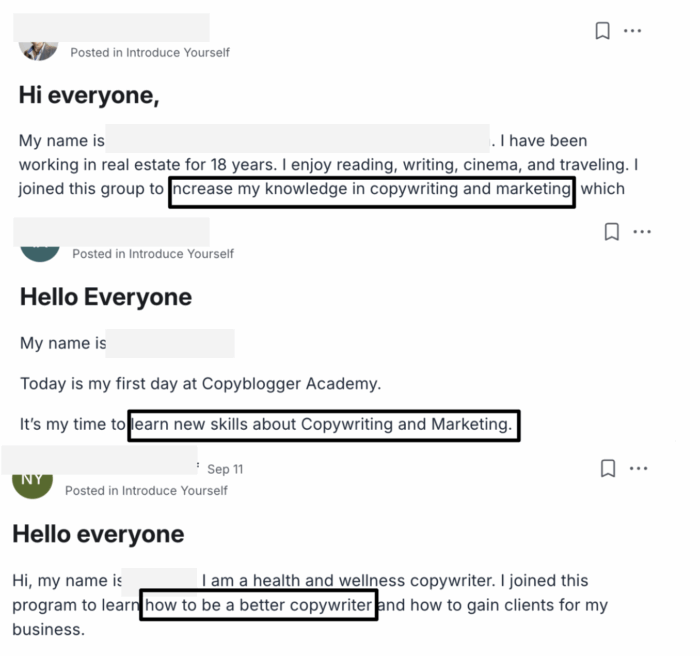
Writing in a vacuum can slow a copywriter’s professional growth. To accelerate development, writers join professional mastermind groups and structured communities. This collaborative environment provides several key advantages:
- Constructive Critique: Having experienced marketers review copy helps identify logical gaps, weak hooks, and confusing value propositions.
- Operational Accountability: Group settings help writers maintain consistent production schedules and stick to their writing goals.
- Referral Networks: Peer communities often serve as valuable sources for client referrals, industry insights, and collaborative business opportunities.
10. Long-Term Consistency and Strategic Patience
As investor Naval Ravikant famously noted, professionals should be "impatient with action, but patient with results." The compounding returns of direct-response copywriting require consistent, daily execution paired with the patience to let search authority, email list growth, and brand equity develop over several months.
Supporting Context & Metrics: Vanity Metrics vs. Business Revenue
One of the most common mistakes in content marketing is focusing on raw traffic instead of traffic that converts into customers. The table below illustrates the critical difference between vanity metrics and conversion metrics:

| Metric Category | Metric Name | Business Utility | Strategic Action Required |
|---|---|---|---|
| Vanity Metrics | Impressions / Reach | Low; measures potential views but does not indicate reader interest or engagement. | Shift focus to CTR (Click-Through Rate) and scroll depth. |
| Social Likes / Shares | Low; indicates casual interest but rarely correlates directly with sales. | Optimize copy hooks to attract qualified buyers over general audiences. | |
| Unqualified Traffic | Low; high traffic from non-buyers drives up hosting costs without generating revenue. | Refine targeting and focus content on topics with high purchase intent. | |
| Conversion Metrics | Lead Conversion Rate | High; measures the percentage of readers who share contact information. | Implement clear opt-in forms and compelling lead magnets. |
| Demo / Purchase Rate | Critical; directly tracks the percentage of readers who become paying customers. | Optimize product positioning, address objections, and simplify checkout funnels. | |
| Attributed Revenue | Critical; calculates the exact financial return generated by a specific piece of copy. | Use UTM tracking codes and GA4 conversion funnels to measure performance. |
Expert Perspectives on Modern Copywriting
Industry leaders place a high premium on clear, customer-centric writing over complex, overly creative prose.
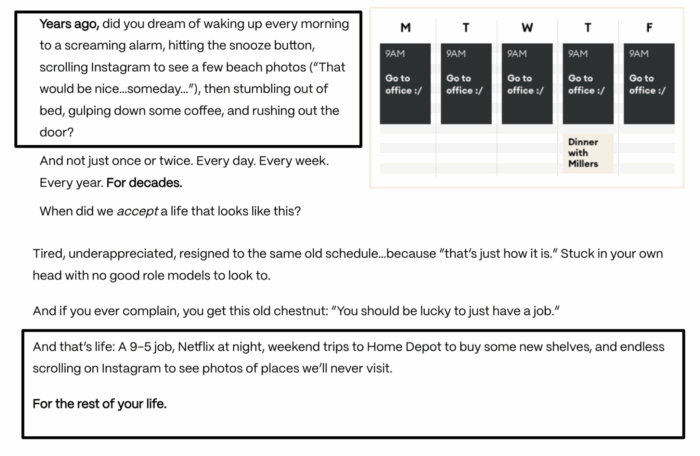
Ramit Sethi, personal finance expert and creator of the Earnable program, demonstrates this focus on his landing pages. Instead of using generic marketing jargon like "maximize your potential earning velocity," Sethi uses relatable, everyday language that mirrors his audience’s daily routine: “Netflix at night, weekend trips to Home Depot, endless scrolling on Instagram.” This highly specific, realistic imagery shows prospects that the program is tailored to their actual lives.

Gaetano Nino DiNardi, a prominent B2B growth marketer, consistently highlights the importance of audience quality over raw numbers. Commenting on the tendency of marketers to chase viral social media metrics, DiNardi notes that a post with modest engagement from ten enterprise decision-makers is far more valuable to a B2B company than a viral post seen by thousands of unaligned users.
This perspective is also central to the curriculum at the Copyblogger Academy. Directed by seasoned seven-figure marketers Tim Soulo and Charles Miller, the Academy focuses on teaching business owners how to turn written content into a measurable growth asset. The program emphasizes that effective copywriting is not about writing eloquently; it is about building a scalable digital system that turns reader attention into predictable cash flow.
Future Outlook: The Intersection of AI and Human Creativity
The rise of generative AI has created a clear divide in the copywriting industry. Lower-tier writers who rely on generic, formulaic templates face increasing competition from automated tools. Conversely, strategic copywriters who combine deep market research with targeted AI assistance are becoming more valuable.
       ┌────────────────────────────────────────────────────────┐
       │               THE MODERN HYBRID WRITING MODEL          │
       └───────────────────────────┬────────────────────────────┘
                                   │
         ┌─────────────────────────┴─────────────────────────┐
         ▼                                                   ▼
┌─────────────────────────────────┐                 ┌─────────────────────────────────┐
│     HUMAN CREATIVE DIRECTION    │                 │       AI-ASSISTED ENGINE        │
├─────────────────────────────────┤                 ├─────────────────────────────────┤
│ - Deep Customer Empathy         │                 │ - High-Speed Sentiment Mining   │
│ - Strategic Positioning         │                 │ - Structural Editing & Polishing│
│ - Brand Voice & Tone Control    │                 │ - Formatting Optimization       │
│ - Original Case Studies & Angle │                 │ - Multi-Draft Ideation          │
└─────────────────────────────────┘                 └─────────────────────────────────┘
Several key trends are shaping the future of conversion copywriting:

- The Premium on Original Data and Human Experience: As search engines and social feeds become crowded with AI-generated content, readers are placing a higher premium on unique, first-person perspectives. Original case studies, expert quotes, and real-world testing are essential for building trust and authority.
- The Shift to Collaborative AI Workflows: The most successful copywriters do not let AI do the thinking for them. Instead, they use it to handle repetitive tasks—such as formatting, generating initial variations of headlines, and sorting research data—freeing up more time to focus on strategy, positioning, and emotional resonance.
- The Rise of Specialized Micro-Communities: As open-web algorithms become more unpredictable, businesses are focusing on building direct relationships with their audiences. This shift is driving demand for copywriters who specialize in high-converting email newsletters and private community platforms, where personalized, direct communication is key.
Ultimately, the future of copywriting belongs to those who view the craft through an entrepreneurial lens. By focusing on deep audience research, structured production systems, and clear financial metrics, writers can elevate their work from a creative service to an essential driver of business revenue.