

Executive Overview
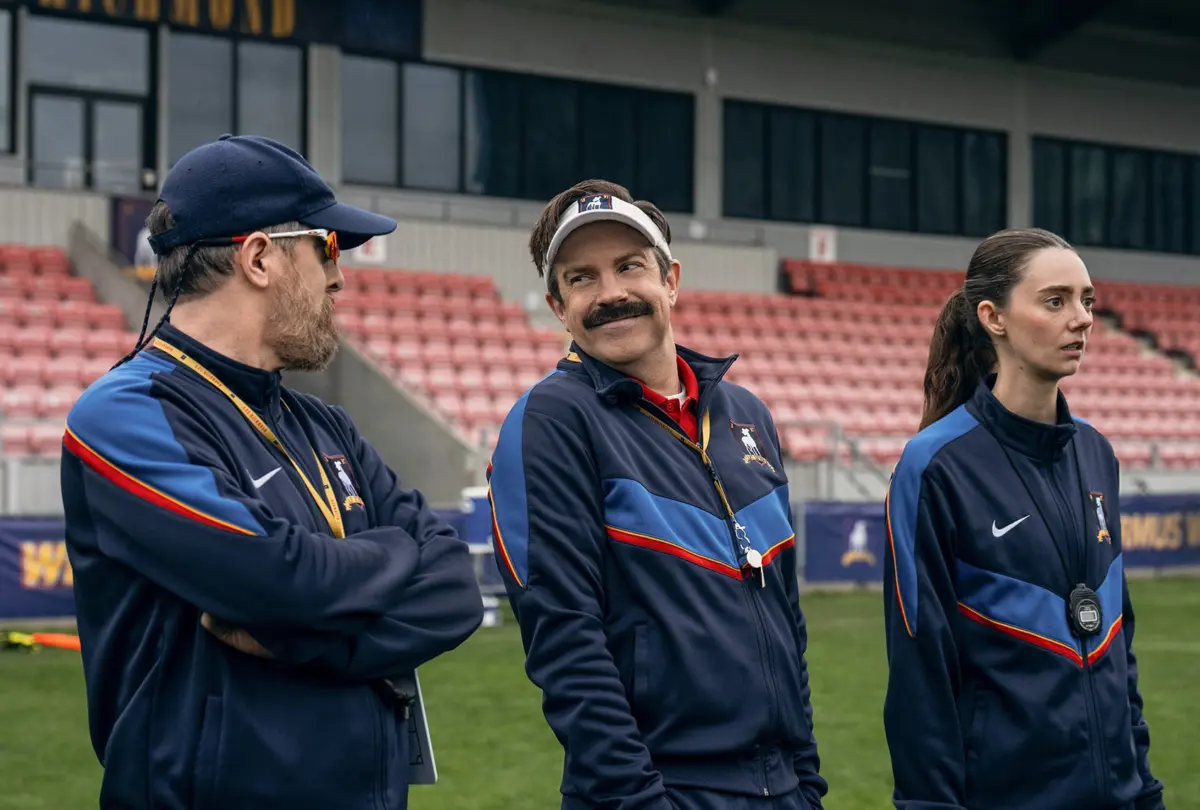
Summer may be an unconventional time for a holiday-themed narrative arc, but the devoted fanbase of Apple TV’s runaway global hit Ted Lasso has eagerly embraced the sugar rush of Season 4. Anchored by the standout installment “Don’t Jump Around Much Anymore,” the series is unmistakably regaining its comedic and emotional stride. Under the creative umbrella of executive producers Bill Lawrence, Jason Sudeikis, Brendan Hunt, and showrunner Joe Kelly, the world of AFC Richmond has expanded outward to include the Lady Greyhounds—the organization’s newly established women’s football team.
Yet, even as viewers lean into the comforting familiarity of folksy wisdom, locker room breakthroughs, and heartwarming personal redemptions, a glaring yellow card flutters in the wings. While Season 4 positions itself as a celebratory vehicle for women in sports, its handling of the club’s most complex female character—interim-coach-turned-assistant Alice Chilton (played with sharp intensity by Tanya Reynolds)—reveals a persistent blind spot. By framing a skilled, uncompromising woman as a primary antagonist simply because she lacks the folksy warmth of the show’s male protagonist, the series stumbles into familiar tropes of gender representation.
This analysis examines the triumphs and narrative missteps of Ted Lasso Season 4, assessing how the creative team balances audience cravings for feel-good escapism with the structural realities of women’s professional athletics.
Detailed Chronology
The trajectory of Ted Lasso Season 4 has been a masterclass in recalibration, moving from early-season friction to a more cohesive narrative rhythm as the episodes unfold toward their climax.
The Return of the Richmond Crew
Following Ted Lasso’s (Jason Sudeikis) retirement and subsequent return to active coaching to helm the Lady Greyhounds, the familiar ensemble has largely reassembled. Coach Beard (Brendan Hunt) has successfully navigated his post-breakup existential funk, while club owner Rebecca Welton (Hannah Waddingham) continues her romance with the "flying Dutchman" Matthijs (Matteo van der Grijn). Meanwhile, Jamie Tartt (Phil Dunster) drops in to promote a vanity vodka brand and reconnects with Roy Kent (Brett Goldstein) over a shared appreciation for House of Pain’s "Jump Around"—momentarily curing Roy of his chronic knee pain. Roy and AFC Richmond PR specialist Keeley Jones (Juno Temple) remain officially separated, though a painkiller-induced confession hints at simmering desires for a reconciliation.
Ted’s Personal Growth and Co-Parenting
Simultaneously, Ted’s personal arc showcases meaningful growth. Season 4 finds him successfully and healthily co-parenting his son, Henry (Grant Feely), alongside his ex-wife, Michelle (Andrea Anders). By the sixth episode, the narrative firmly establishes that Ted and Michelle have forged a solid friendship, paving the way for Ted to re-enter the dating world with his ex-wife’s blessing.
The Mid-Season Conflict: Alice Chilton vs. Ted Lasso
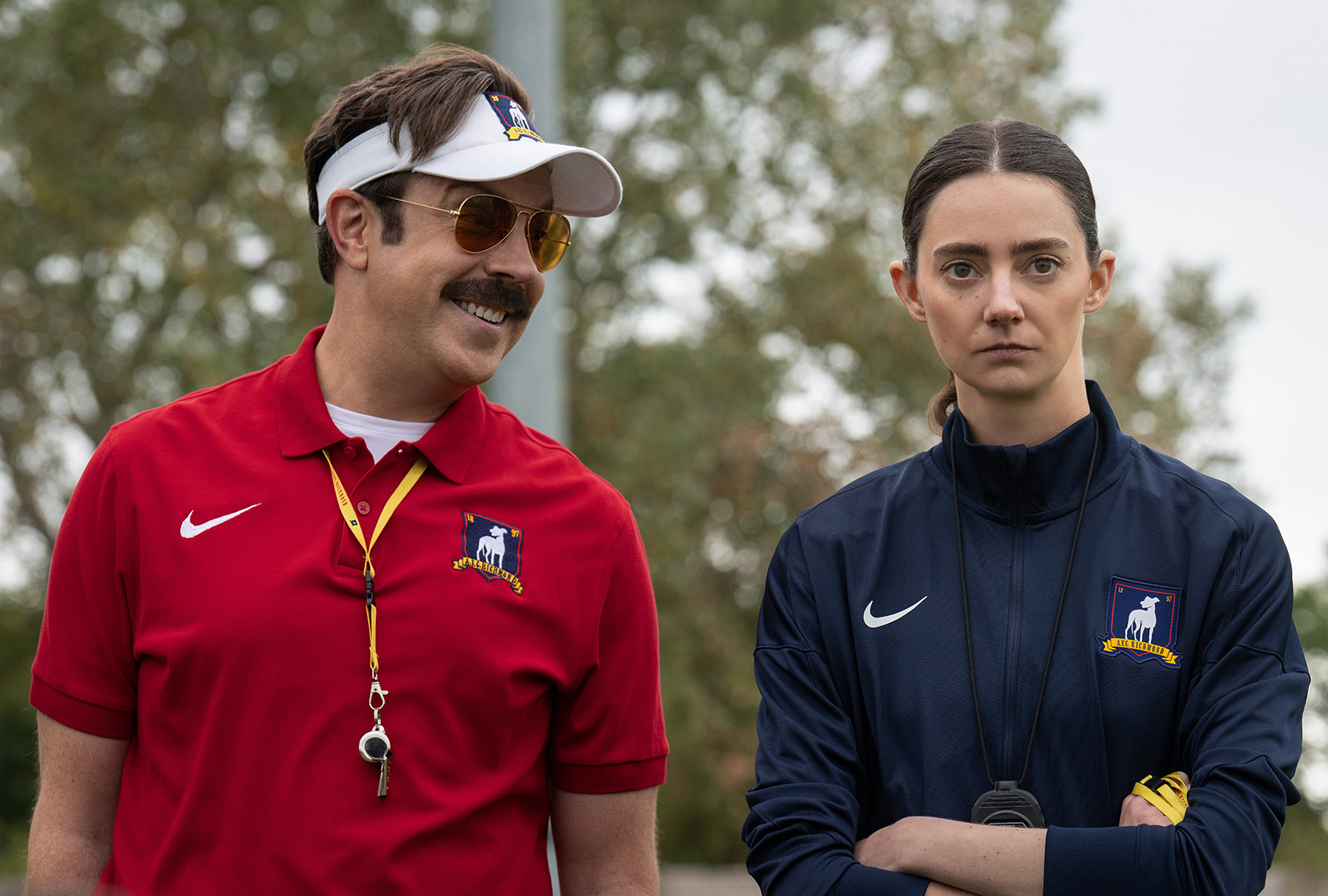
The narrative’s central tension, however, crystallizes around Alice Chilton. Prior to Ted’s arrival back in Richmond, Alice had been serving as the Lady Greyhounds’ interim head coach, harboring justifiable ambitions to secure the permanent position. Instead, the club’s brass reinstates Ted, displacing Alice to an assistant coaching role.
For the first few episodes, Alice’s characterization is defined almost entirely by biting remarks, heavy scowls, and a rigid, disciplinary coaching style. In the fifth episode, titled “Riches of Embarrassment,” Ted delivers a halftime speech designed to soften the blow after Alice labels the team’s first-half performance "embarrassing." True to the show’s formula, Ted turns the insult into an opportunity for motivation—reminiscent of his classic dart match against Rupert Mannion in Season 1.
However, following the match, Ted pulls Alice aside to issue a suspension for the final match before the Christmas break. He reveals that she reminds him of Nate Shelley (Nick Mohammed)—another coaching prodigy he failed in the past—and that he refuses to make the same mistake twice. This disciplinary action sets up the emotional turning point in the holiday-themed sixth episode, where Alice reluctantly attends a holiday party hosted by the eccentric Zelda Southport (Tracey Ullman), slowly beginning to thaw her hardened exterior.
Supporting Context & Metrics: The Reality of Women in Sports
The introduction of the Lady Greyhounds offers Ted Lasso an unprecedented opportunity to engage with the structural challenges facing women’s professional athletics. However, it also opens the door to uncomfortable real-world parallels that the writers navigate with mixed results.
The Optics of Failing Upward
When Ted Lasso displaces Alice Chilton, the narrative leans heavily into a well-worn entertainment trope: the charming, less-qualified man ascending to a leadership position at the expense of a hyper-competent woman. While Ted Lasso is an unabashed fantasy that justifies this dynamic by acknowledging Ted cannot succeed without Alice’s tactical acumen, the underlying optics carry genuine thematic weight.
To understand the sensitivity of this plotline, one must look at global sports statistics. According to a comprehensive benchmarking report published by FIFA on women’s football, women remain severely underrepresented in top-tier coaching positions:
- Global Coaching Disparity: Only 22% of head coaches across 669 clubs in 86 women’s professional leagues worldwide are women.
- Structural Barriers: Female coaches routinely face higher scrutiny, shorter leashes, and fewer opportunities to advance into elite managerial roles compared to their male counterparts.
By casting Alice as abrasive, uncompromising, and ultimately difficult to work with, the series risks validating the systemic bias that marginalizes women in sports leadership. In the world of Ted Lasso, likability is currency; characters like Rebecca Welton and Keeley Jones succeed because they combine ambition with conventional charm, emotional accessibility, and aesthetic appeal. Alice, by contrast, operates as an outlier—an introvert with a fierce defensive shell forged by a career-ending series of injuries that cut short her own playing days.
Official Statements and Industry Perspectives
The creative minds behind Ted Lasso have long championed the show as an antidote to cynicism, designed to feed an audience with an apparently bottomless appetite for comedic affirmation and human decency. Executive producer Bill Lawrence, an industry leader in feel-good television, spearheaded the series’ initial run and its subsequent revival on the premise that viewers crave simple, heartwarming character arcs.
Yet, critics and cultural commentators have increasingly scrutinized how the series handles female characters who defy traditional expectations of warmth and maternal care. Speaking on the integration of the women’s team into the series framework, production insiders noted that expanding the Richmond universe was intended to honor the explosive growth of women’s soccer on the global stage.
Despite these high-minded intentions, public reception regarding Alice Chilton’s arc has been mixed. Reviewers have pointed out that while Ted’s folksy interventionism works wonders on broken men like Roy Kent and Nate Shelley, applying the exact same formula to an ambitious female professional carries unintended paternalistic undertones. By treating Alice’s professional frustration as a personality flaw that requires Ted’s benevolent correction, the writers occasionally undermine the very empowerment they seek to celebrate.
Future Outlook
As Ted Lasso Season 4 barrels toward its conclusion, the central question is whether the series can permanently reconcile its feel-good brand promise with the more nuanced realities of modern sports culture.
The holiday-themed narrative arc of episodes five and six successfully humanizes Alice Chilton. Viewers learn that her harsh treatment of star player Gemma Jay (Abbie Hern) stems from a protective instinct born of her own unfulfilled, injury-plagued career. Her grudging attendance at Zelda Southport’s holiday gathering signals a softening of her defensive walls, suggesting she may find a sustainable, respected place within the Richmond coaching hierarchy.
Nevertheless, a lingering question remains for the remainder of the season and any potential future installments: Why must a woman’s professional ambition and sharp demeanor be cast as a primary obstacle to be smoothed over by a male protagonist?
Ted Lasso remains a triumphant exercise in optimism, proving that audiences will continue to root for a show that champions second chances and fundamental human goodness. As the Lady Greyhounds push toward the climax of their inaugural season, the hope is that the creative team will grant its female coaches the same multifaceted dignity afforded to its male leads—ensuring that competence and ambition do not require a side of folksy charm to be valued on the pitch.
New episodes of "Ted Lasso" stream Wednesdays on Apple TV.