

By Global Business & Consumer Trends Desk
Published: October
Executive Overview
For decades, the beverage industry has operated under an unwritten calendar rule: Christmas belongs to Coca-Cola, and summer belongs to everyone else. The iconic imagery of the red-suited Santa Claus, first popularized by Haddon Sundblom for The Coca-Cola Company in the 1930s, established a gold standard for seasonal marketing. It transformed a carbonated soft drink into an indispensable cultural artifact of the winter holidays. However, building a secondary seasonal anchor—one that could reliably drive volume, capture consumer imagination, and command cultural real estate outside of the year-end holiday rush—has long been the holy grail for fast-moving consumer goods (FMCG) brand architects.
Enter Halloween. Once viewed primarily as a localized, confectionery-driven holiday for children, October 31st has matured into a multi-billion-dollar cultural juggernaut encompassing adult celebration, pop-culture fandom, and elaborate experiential marketing. Recognizing this demographic and economic shift, The Coca-Cola Company embarked on a strategic, decade-long crusade to position its vibrant orange soft drink, Fanta, as the official beverage of the spookiest night of the year.
What began as a patchwork of regional activations across North America, Europe, and Latin America has quietly evolved into a masterclass in global brand synchronization. The culmination of this strategy arrived with the 2024 rollout of Fanta’s first-ever truly global Halloween campaign, anchored by the platform “Wanta Fanta.” Featuring high-octane 60-second hero spots, immersive digital extensions, and high-profile studio partnerships with the likes of Skydance (and earlier foundational alignments with Warner Bros.), the campaign signals a new era for seasonal beverage marketing.
This report provides a comprehensive examination of how The Coca-Cola Company engineered Fanta’s spooky ascendancy, analyzing the strategic milestones, marketing metrics, consumer psychology, and future outlook of a brand that successfully carved out its own slice of the calendar.
Detailed Chronology: From Regional Experiments to Global Dominance
The transformation of Fanta from a summer picnic staple into the undisputed beverage of Halloween did not happen overnight. It was forged through a calculated, iterative process of regional experimentation, data gathering, and eventual global unification.
Phase I: The Grassroots Awakening (2015–2018)
Nearly ten years ago, marketing teams within The Coca-Cola Company identified a glaring whitespace in the beverage calendar. While confectionery brands like Mars, Hershey, and Mondelez captured massive market share during October, beverage consumption lacked a defining seasonal pairing. Consumers loaded up shopping carts with fun-size chocolate bars, yet the liquid refreshment accompanying these treats was left entirely to chance.
Initial efforts were modest, localized, and largely decentralized. In North America and select European markets, Fanta began testing the waters with limited-edition packaging. Classic orange cans were draped in playful, spooky iconography—skeletons, jack-o’-lanterns, and vampires. These early activations relied heavily on point-of-sale (POS) displays in grocery aisles, positioning chilled Fanta directly adjacent to bulk Halloween candy bins.
Concurrently, Latin American markets began experimenting with experiential retail activations and localized social media content that leaned into the region’s rich traditions of folklore and celebration. These fragmented regional tests yielded invaluable consumer insights: shoppers actively responded to seasonal aesthetic changes, and pairing the vibrant, naturally orange liquid with Halloween’s signature color palette created an instant visual synergy at retail.
Phase II: Scaling Up and Digital Integration (2019–2023)
Buoyant from the success of localized trials, Coca-Cola began synchronizing its Halloween strategies across broader geopolitical zones. Between 2019 and 2023, the brand moved beyond mere packaging tweaks and entered the realm of narrative-driven digital marketing.
During this window, Fanta introduced limited-time-only (LTO) flavor variants—such as "Mystery Flavor" variants draped in ominous black-and-purple shrouds—to gamify the consumer experience. Shoppers were encouraged to scan QR codes on cans to unlock augmented reality (AR) filters, digital escape rooms, and interactive mobile games.
Crucially, this era marked Fanta’s pivot toward major pop-culture partnerships. Recognizing that Halloween’s core demographic—Gen Z and Millennials—consumes horror and fantasy content year-round, Fanta began aligning itself with major cinematic releases and streaming platforms. By securing strategic cross-promotions with entertainment giants like Warner Bros., Fanta embedded its brand identity directly into the modern cinematic horror and fantasy zeitgeist, establishing credibility with an audience that often rejects traditional, heavy-handed advertising.
Phase III: The Global Convergence (2024)
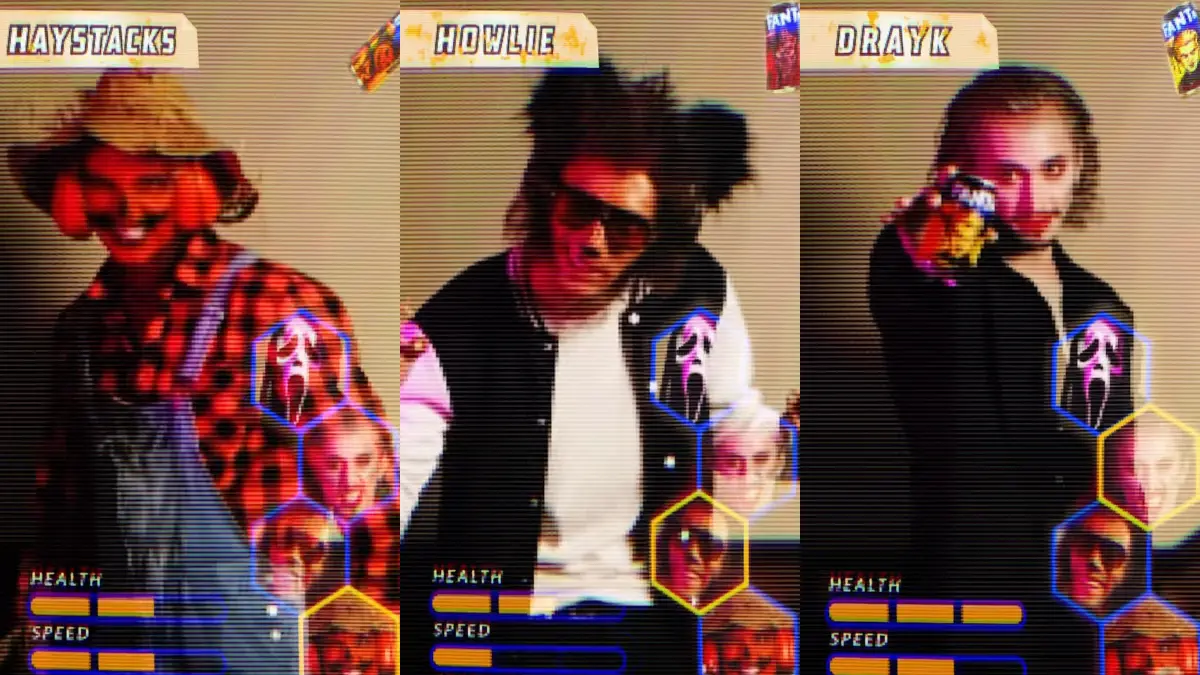
The strategic arc reached its apex in October 2024 with the launch of "Wanta Fanta"—the brand’s first unified, truly global Halloween campaign. Moving away from independent regional playbooks, The Coca-Cola Company deployed a centralized, multi-channel offensive that spanned dozens of countries simultaneously.
At the heart of the 2024 campaign was a high-production 60-second hero commercial designed to cut through the advertising noise of the autumn season. The creative platform, building on the broader "Wanta Fanta" brand ethos, nudged consumers to embrace their playful, unapologetic urges—framing the craving for a cold Fanta on a crisp October night as an irresistible, slightly mischievous impulse.
Furthermore, the 2024 campaign featured a blockbuster collaboration with Skydance (following previous foundational work with Warner Bros.), integrating high-end cinematic production values into the brand’s digital and television assets. This global alignment ensured that whether a consumer was walking down a supermarket aisle in London, Los Angeles, or São Paulo, they were greeted by a cohesive, high-impact visual universe that inextricably linked Fanta to Halloween.
Supporting Context & Metrics: Decoding the Halloween Beverage Market
To understand the magnitude of Fanta’s strategic maneuver, one must examine the macroeconomic and consumer behavior metrics that govern the autumn retail landscape.
The Confectionery-Beverage Synergy
Historically, Halloween represents the single largest seasonal surge for the confectionery industry outside of the winter holidays. According to data from the National Confectionery Association (NCA), seasonal spending in the United States alone consistently surpasses $10 billion, with a vast majority allocated toward chocolate and sugar candy.
Fanta’s strategic brilliance lies in co-opting this existing consumer purchase journey. By positioning Fanta as the ultimate palate cleanser for heavy, sweet candy consumption, Coca-Cola effectively engineered a complementary consumption model. Market research indicates that household basket sizes containing both Halloween candy and carbonated soft drinks experience a significantly higher average total checkout value. Retailers welcomed Fanta’s aggressive October marketing because it drove cross-category sales, boosting velocity in both the ambient beverage aisle and seasonal end-caps.
Demographic Alignment: Gen Z, Millennials, and the "Spooky Season" Phenomenon
Halloween is no longer exclusively a children’s holiday. Over the past decade, cultural phenomena have transformed October into "Spooky Season"—a lifestyle movement embraced fiercely by Gen Z and Millennials. From horror movie marathons and themed pop-up bars to elaborate costume culture and social media content creation, adults are spending record amounts on Halloween-related entertainment.
Fanta’s brand equity—rooted in vibrant colors, playful rebelliousness, and bold fruit flavors—resonates exceptionally well with these demographics. By tapping into the irony, nostalgia, and aesthetic pleasure of Halloween, Fanta successfully transformed itself from a generic soft drink into a cultural prop.
Digital Engagement and Share of Voice
In the hyper-competitive digital landscape of October, legacy brands must contend with tech giants, streaming services, and native digital-first companies for consumer attention. Fanta’s 2024 global campaign leveraged a full-funnel digital strategy designed to maximize "Share of Voice" (SOV) across TikTok, Instagram, and YouTube.
- Interactive AR Filters: Enabled millions of users to transform themselves into seasonal characters using Fanta-branded augmented reality lenses.
- Influencer Partnerships: Collaborated with prominent creators in the gaming, horror-review, and lifestyle niches to normalize Fanta as the beverage of choice for Halloween movie nights and parties.
- Performance Metrics: While proprietary sales figures for the LTO periods remain closely guarded, internal Coca-Cola performance indicators highlighted double-digit increases in social media engagement rates and record-breaking digital video completion metrics for the "Wanta Fanta" hero spots compared to pre-2024 regional baselines.
Official Statements and Industry Perspective
The evolution of Fanta’s Halloween strategy reflects a broader corporate philosophy within The Coca-Cola Company regarding agile marketing, cultural relevance, and localized-to-global scale.
While specific financial disclosures regarding campaign budgets remain confidential, leadership within Coca-Cola’s global marketing apparatus has repeatedly emphasized the importance of building proprietary seasonal occasions. Speaking on the strategic intent behind the brand’s evolution, senior marketing executives noted that the overarching goal was to replicate the cultural ubiquity that Coca-Cola achieved with Christmas, albeit tailored to a vastly different consumer sensibility.
"For nearly a decade, our teams have observed an undeniable shift in how consumers celebrate October," noted a representative close to the global Fanta brand team. "Halloween is no longer just a single evening; it is a cultural season defined by playfulness, fandom, and shared experiences. Fanta’s vibrant personality makes it the natural accomplice to this festive irreverence. With the rollout of our unified global platform, we are moving from localized experiments to a synchronized worldwide movement that speaks directly to the modern consumer’s desire for immersive seasonal traditions."
Industry analysts have similarly lauded the move. Consumer goods analysts point out that while launching a new holiday tradition is notoriously difficult and capital-intensive, beverage giants possess the supply chain fortitude and marketing muscle required to alter consumer habits over time. By systematically investing in Halloween for nearly ten years before declaring a global campaign, Coca-Cola demonstrated strategic patience—testing, refining, and validating the concept before scaling it universally.
Future Outlook: What’s Next for Fanta and Seasonal Beverage Marketing?
As the dust settles on the 2024 Halloween season, industry observers are already looking ahead to the future of seasonal brand positioning. Fanta’s successful execution serves as a case study for how legacy brands can capture emerging cultural moments, but it also establishes a high benchmark that will require continuous innovation to maintain.
1. Deepening Experiential and Immersive Integration
As consumer expectations shift toward experiential retail and immersive digital entertainment, future iterations of Fanta’s Halloween campaigns are expected to lean heavily into experiential marketing. This may include metaverse integrations, immersive pop-up brand experiences in major metropolitan areas, and deeper collaborations with the gaming industry—where Halloween in-game events command millions of concurrent users.
2. Flavor Innovation and Packaging Collectibility
The appetite for limited-edition, collectibie items remains insatiable among younger consumers. Future Halloween campaigns will likely see an expansion of Fanta’s flavor portfolio, potentially featuring interactive packaging elements such as thermo-chromic cans (which change color when chilled) or augmented-reality packaging that brings physical store shelves to life through mobile devices.
3. Broadening the Seasonal Playbook
Having successfully claimed Halloween, The Coca-Cola Company and its peers will undoubtedly scrutinize the remaining calendar gaps. The blueprint established by Fanta—identifying a culturally resonant holiday, running localized pilot programs for nearly a decade, building strategic pop-culture alliances, and ultimately consolidating into a unified global platform—provides a repeatable framework for other brands seeking to manufacture or capture secondary seasonal moments.
Conclusion
Fanta’s decade-long journey from a summer-centric soft drink to the undisputed monarch of Halloween is a masterclass in modern FMCG brand strategy. By respecting the cultural nuances of local markets while maintaining a steady, patient trajectory toward global unification, The Coca-Cola Company has proven that Christmas does not have to hold a monopoly on holiday-themed beverage dominance. As "Spooky Season" continues to expand its cultural footprint, Fanta is exceptionally well-positioned to ensure that when consumers reach for their Halloween candy, they know exactly what to wash it down with.