

Executive Overview
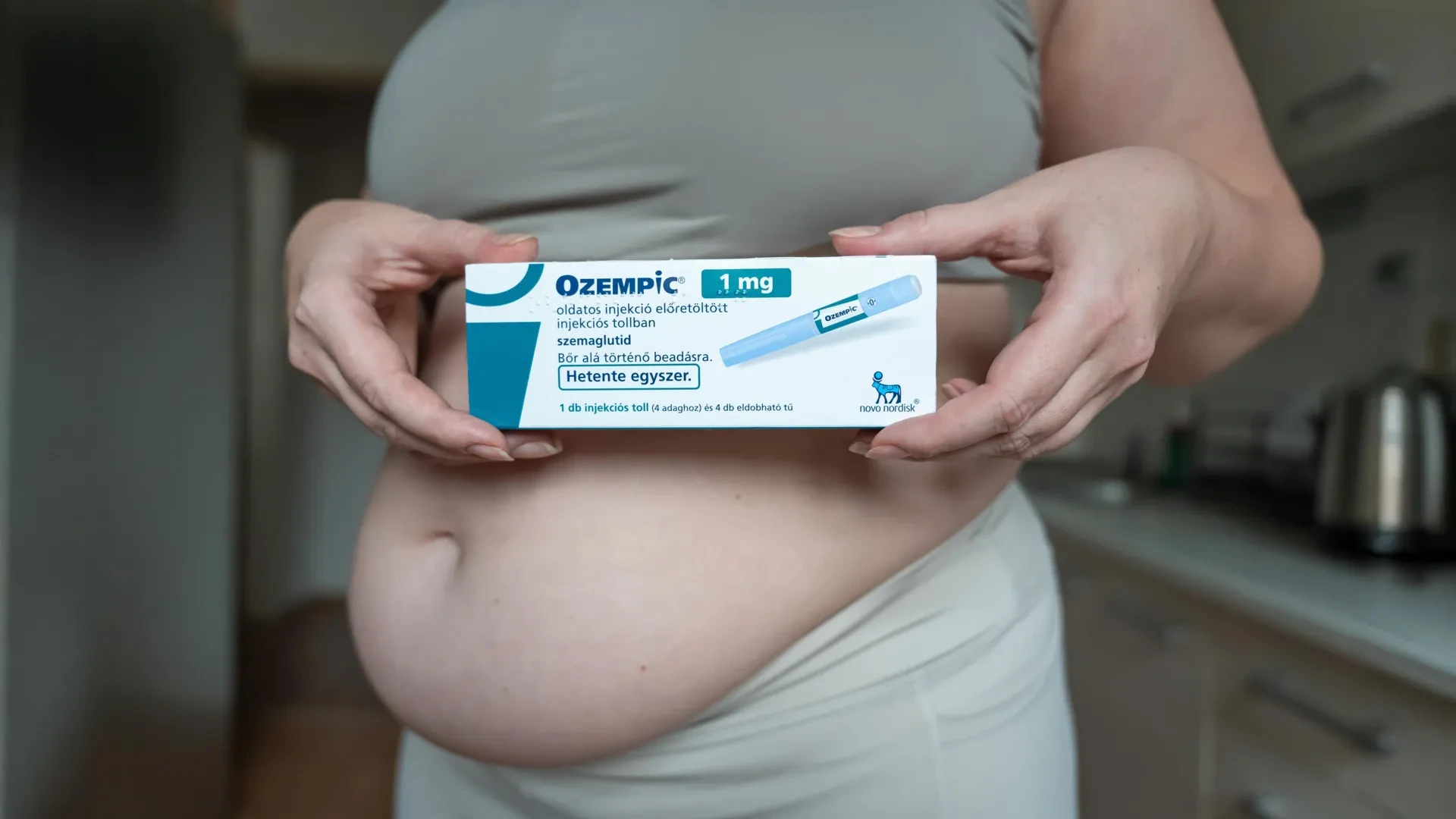
The meteoric rise of popular weight loss and diabetes medications—specifically GLP-1 receptor agonists like Ozempic, Wegovy, and Saxenda—has fundamentally transformed metabolic healthcare globally. However, as millions of patients incorporate these potent drugs into their daily regimens, a critical clinical blind spot has emerged: their safety profile during conception and early pregnancy. Because a substantial proportion of pregnancies are unplanned, or realized only after fetal organogenesis has begun, thousands of women worldwide face inadvertent exposure to these pharmaceutical compounds.
To address this pressing clinical uncertainty, a major population-based study recently published in the leading reproductive medicine journal Human Reproduction Open has delivered critical new data. Analyzing more than 750,000 single-infant pregnancies recorded across Denmark’s comprehensive national health registries, an investigative team sought to determine whether accidental periconceptional exposure to semaglutide or liraglutide elevates the risk of adverse obstetrical outcomes.
The findings are both reassuring and nuanced. While early-pregnancy exposure to GLP-1 receptor agonists initially appeared linked to a higher incidence of preterm delivery, closer statistical evaluation revealed a vital distinction: the elevated risk of premature birth was strictly confined to women who had been prescribed the medications for the treatment of pre-existing diabetes. Conversely, among women utilizing the exact same medications purely for weight management, researchers observed no statistically significant association with premature birth or any other examined pregnancy complications.
This pivotal distinction strongly implicates the underlying metabolic state of diabetes—rather than the pharmacological action of the GLP-1 medications themselves—as the primary driver of premature delivery risk. While these insights provide valuable context for clinical counseling and underscore the paramount importance of pre-pregnancy glycemic control, experts emphasize that current medical guidance advising the discontinuation of GLP-1 drugs prior to a planned pregnancy remains fully intact.
Detailed Chronology: The Journey of GLP-1 Research in Reproductive Health
The Global Surge in GLP-1 Prescriptions and the Periconceptional Blind Spot
Over the past half-decade, glucagon-like peptide-1 receptor agonists (GLP-1 RAs) have experienced the sharpest increase in prescription rates of any therapeutic class worldwide. Originally engineered to manage type 2 diabetes by stimulating insulin secretion and slowing gastric emptying, researchers quickly recognized their powerful secondary effect: profound appetite suppression leading to significant weight loss. Brand names such as Ozempic and Wegovy (both containing semaglutide) and Saxenda (containing liraglutide) have become household terms.
However, the rapid commercial expansion of these therapeutics outpaced longitudinal safety data concerning human reproduction. Historically, regulatory guidance regarding drug exposure during pregnancy has relied heavily on preclinical, early-phase animal model studies. Current clinical recommendations generally advise patients to discontinue GLP-1 treatments at least eight weeks prior to actively planning a pregnancy.
Despite these precautionary measures, real-world dynamics dictate that inadvertent exposure is virtually guaranteed. With approximately 70% of weight-loss medication users in countries like Denmark being women of childbearing age, thousands inevitably conceive before realizing they are carrying a child. Until recently, obstetricians and general practitioners possessed virtually no robust clinical evidence to guide counseling when accidental periconceptional exposure occurred.
Establishing the Danish Registry Investigation
Recognizing this critical information gap, a team of researchers at the Department of Gynecology and Obstetrics at Copenhagen University Hospital Hvidovre embarked on a comprehensive epidemiological investigation. Led by Professor Henriette Svarre Nielsen and spearheaded by PhD student Dr. Kathrine Hviid, the team leveraged Denmark’s universal, high-resolution national health registries to track a massive cohort of pregnancies.
The study population comprised every recorded single-infant delivery across Denmark between October 1, 2009, and December 31, 2023. In total, the registry data encompassed 756,636 pregnancies originating from 480,231 individual women. The breadth of this dataset provided the statistical power necessary to detect even modest shifts in obstetrical risk profiles.
Defining Exposure and Isolating Variables
To capture potential periconceptional exposure, the research team tracked pharmacy prescription records for semaglutide and liraglutide. A pregnancy was categorized as having potential accidental exposure if the mother filled a prescription for either medication during a precise 16-week window: the eight weeks immediately preceding the last menstrual period, and the eight weeks following it. This strategic time frame encapsulated both the pre-conception phase and the delicate early stages of embryonic development, during which major organ systems form and vulnerability to teratogenic agents is theoretically highest.
Out of the hundreds of thousands of pregnancies analyzed, precisely 529 met the criteria for GLP-1 exposure during this critical window. To isolate the true relationship between the medications and adverse outcomes, the researchers rigorously adjusted for a battery of potential confounding variables. These included maternal age, pre-pregnancy body mass index (BMI), smoking status, geographic location, socioeconomic education level, and pre-existing diabetes diagnoses. Furthermore, temporal variables—such as the specific month and year of delivery—were factored in to control for seasonal health trends and evolving clinical practices over the 14-year study period.
Supporting Context & Metrics: Unpacking the Data
The Spectrum of Examined Pregnancy Complications
The Danish investigation was not limited to preterm births alone. The research team evaluated a comprehensive panel of obstetrical and neonatal outcomes to paint a holistic picture of reproductive safety. The primary endpoints investigated included:
- Preterm birth: Delivery occurring prior to 37 completed weeks of gestation.
- Pre-eclampsia: A serious pregnancy complication characterized by high blood pressure and signs of damage to another organ system, most often the liver and kidneys.
- Gestational diabetes: Glucose intolerance diagnosed during pregnancy in women without previously diagnosed diabetes.
- Large-for-gestational-age (LGA) infants: Newborns whose birth weight lies above the 90th percentile for their gestational age.
- Stillbirth: Fetal death occurring after 22 weeks of gestation.
- Placental complications: Structural or functional abnormalities of the placenta that can compromise fetal development.
Unmasking the Diabetes Factor
Initial, unadjusted analyses suggested that women filling prescriptions for GLP-1 medications experienced certain pregnancy complications at rates higher than unexposed controls. However, once the statistical models accounted for maternal characteristics and underlying health conditions, most of these associations lost statistical significance.
The sole remaining significant finding centered squarely on premature birth—and the reason for the prescription proved to be the decisive variable.
| Prescription Indication | Adjusted Risk Multiplier (Preterm Birth) | Clinical Implication |
|---|---|---|
| Weight Management (Wegovy, Saxenda, etc.) | No statistically significant increase | No direct drug-induced risk of prematurity detected in non-diabetic cohorts. |
| Type 2 Diabetes (Ozempic, liraglutide) | Elevated (adjusted odds roughly 70% to 84% higher) | Pre-existing glycemic dysregulation strongly drives prematurity risk. |
When stratified by indication, women taking liraglutide or semaglutide for weight loss showed no elevated risk of delivering prematurely. Conversely, women utilizing the identical pharmaceutical agents for the management of pre-existing diabetes faced significantly higher adjusted odds of preterm delivery—reflecting an increase of approximately 70% for liraglutide and up to 84% for semaglutide compared to unexposed controls. Additional project announcements estimated overall incidence bumps of roughly 11% for semaglutide and 9% for liraglutide specifically within the diabetic demographic.
Methodological Strengths and Financial Compliance Realities
The study’s primary strength lies in its unprecedented scale, drawing upon population-wide data covering more than 750,000 pregnancies. This minimized selection bias and provided exceptional statistical fidelity.
Nevertheless, observational studies carry inherent limitations. Most notably, reliance on prescription registry data confirms that a medication was purchased, but cannot definitively verify whether the patient ingested every dose. However, the researchers noted a unique economic factor that strongly supported medication compliance: cost.
In Denmark, prescription medications are partially subsidized, but patients bear significant out-of-pocket expenses—particularly for weight loss indications. For instance, a standard 1mg injection of Wegovy or Ozempic costs approximately €180 and €114 respectively, with lower pricing structures accessible primarily through specific diabetes-related government subsidies. Given these substantial financial investments, study authors logically concluded that patient compliance and adherence rates among purchasers were exceptionally high.
Official Statements & Expert Perspectives
The profound clinical implications of the Danish study have resonated far beyond Scandinavia, drawing formal commentary and praise from international endocrinology and reproductive health experts.
Lead Investigator Insights
Professor Henriette Svarre Nielsen underscored the necessity of moving away from generalized assumptions when counseling patients who experience accidental pharmaceutical exposure.
"GLP-1 RA treatment has, within the last few years, become the medication with the sharpest increase in prescriptions worldwide," noted Professor Nielsen. "Current guidance suggests the treatment should be stopped eight weeks prior to planning a pregnancy. However, this is based on early-phase model organism studies, and not real-world evidence. Nonetheless, because of its widespread adoption, inadvertent exposure in early pregnancy is inevitable, and there is hardly any evidence to guide clinical counseling when it happens."
Emphasizing the analytical breakthrough of the study, Nielsen added: "Future studies must take account of the reason a woman has been prescribed these medications, as the risks differ between women using GLP-1 RAs for diabetes versus weight management. This is one of the first studies to examine GLP-1 RA exposure in early pregnancy according to the reason for prescription."
Dr. Kathrine Hviid, the study’s first author, echoed these sentiments regarding future medical frameworks: "We found that these medications were associated with an increased risk of preterm birth, but the risk was only present when the medication was used for diabetes treatment, and not for weight management. This suggests that the underlying condition of diabetes, rather than the medication, may be driving this association."
Independent International Commentary
In an invited expert commentary published alongside the study in Human Reproduction Open, prominent U.S. researchers Dr. Yeyi Zhu and Dr. Monique Hedderson—affiliated with Kaiser Permanente Northern California and the Center for Upstream Prevention of Adiposity and Diabetes Mellitus—welcomed the findings as a vital leap forward in reproductive safety science.
Drs. Zhu and Hedderson wrote that the findings "complement and extend an emerging evidence base on the reproductive safety of GLP-1 RAs." They emphasized that parsing the data by indication allows clinicians to deliver vastly superior, individualized care:
"For clinicians, the study by Hviid et al. may inform preconception and early pregnancy counseling. The observation that elevated preterm birth risk was confined to women treated for diabetes, and not to those using GLP-1 receptor agonists for weight management, supports more balanced, individualized discussions with patients who may have experienced inadvertent periconceptional exposure. For patients with diabetes, the study reinforces the importance of recognizing diabetes as an important risk factor for obstetric complications and prioritizing metabolic health and glycemic management before and during pregnancy."
Future Outlook and Clinical Recommendations
Navigating Clinical Practice Today
Despite the reassuring data concerning non-diabetic women using GLP-1 therapeutics for weight loss, medical authorities emphasize that these findings do not greenlight the intentional use of Ozempic, Wegovy, or related drugs during pregnancy.
Clinical guidelines maintain that GLP-1 receptor agonists should continue to be discontinued at least two months prior to an intentionally planned pregnancy. Teratogenic and developmental risks over the entire gestation period remain insufficiently mapped, and observational data cannot completely rule out subtle or long-term physiological impacts on the developing fetus.
Instead, the immediate clinical value of the Hvidovre Hospital study lies in panic reduction and precision counseling. When a patient undergoing weight management inadvertently conceives while taking a GLP-1 agonist, healthcare providers can now offer evidence-based reassurance that the drug itself has not been linked to a statistically significant surge in congenital anomalies or premature delivery in non-diabetic populations.
The Horizon of Reproductive Endocrinology Research
Moving forward, the medical community recognizes that future clinical trials and observational cohorts must adopt the methodological rigor pioneered by Dr. Hviid and Professor Nielsen. Lumping diabetic and non-diabetic cohorts together in reproductive safety studies obscures underlying pathological variables, risking unnecessary patient anxiety or misinformed clinical interventions.
As the global rollout of anti-obesity medications continues at an unprecedented pace, establishing nuanced, indication-specific safety registries will remain an absolute priority. For millions of women navigating metabolic health, fertility treatments, and modern pharmacotherapy, these evolving insights mark a critical step toward safer, more personalized reproductive healthcare.
