

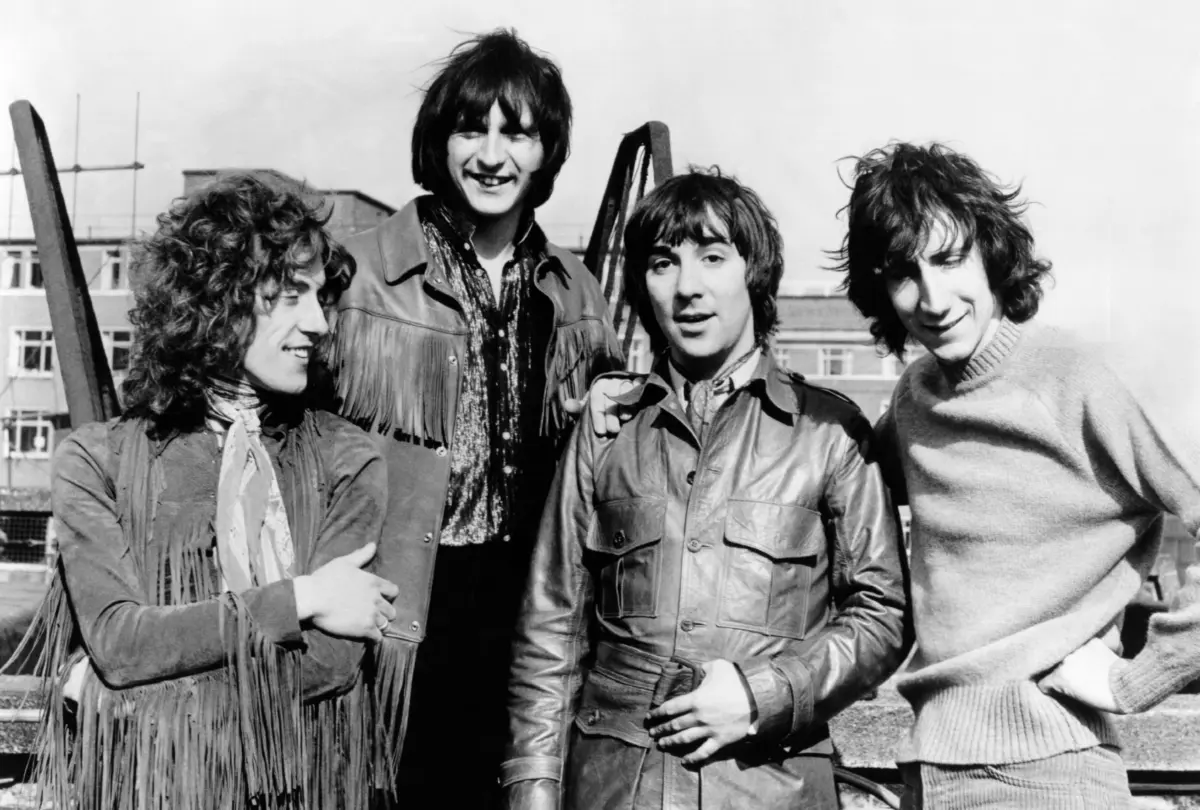
As the holiday shopping season rolls around, the vaults of rock history open once more, offering audiophiles and die-hard collectors a chance to reconnect with the genre’s golden eras. Yet, the modern classic rock box set has evolved far beyond a simple cash-grab compilation of previously released tracks and faded posters. Today’s premier archival releases are immersive, meticulously curated historical documents designed to capture the sweat, ambition, and creative friction of rock icons in their prime.
Two landmark releases for the 2026 holiday season—Tom Petty & the Heartbreakers’ Origins 1971-1978 and The Who’s The Who By Numbers 50th Anniversary Edition—exemplify contrasting methodologies in catalog curation. While both sets achieve their goals with flying colors, they take vastly different paths to reach their respective sonic destinations, proving that when handled with care, historical retrospectives don’t just revisit the past—they bring it vividly to life.
Executive Overview
The art of the box set requires a delicate balance between fan service and historical preservation. Record labels and estate managers face mounting pressure to deliver pristine audio alongside artifacts that justify steep price tags.
In Origins 1971-1978, the Tom Petty estate focuses on origin stories, charting the tumultuous, gritty path of a band fighting to break out of Florida and make a name for themselves in the hyper-competitive crucible of Los Angeles. It relies heavily on unreleased tracks curated to feel like lost albums rather than a haphazard dumping ground of studio detritus.
Conversely, The Who By Numbers 50th Anniversary Edition serves as a forensic examination of a single, highly specific moment in time. Released in 1975, The Who By Numbers found Pete Townshend grappling with mid-career ennui, personal isolation, and the staggering financial and cultural success of the Tommy film adaptation. This super deluxe edition captures the tension of a band on the precipice of massive global fame, utilizing raw tracking sessions, early demos, and explosive live documents to unpack why this record stands as the crucial bridge between Quadrophenia and Who Are You.
Detailed Chronology
Tom Petty & the Heartbreakers: Tracing the Road to Origins 1971-1978
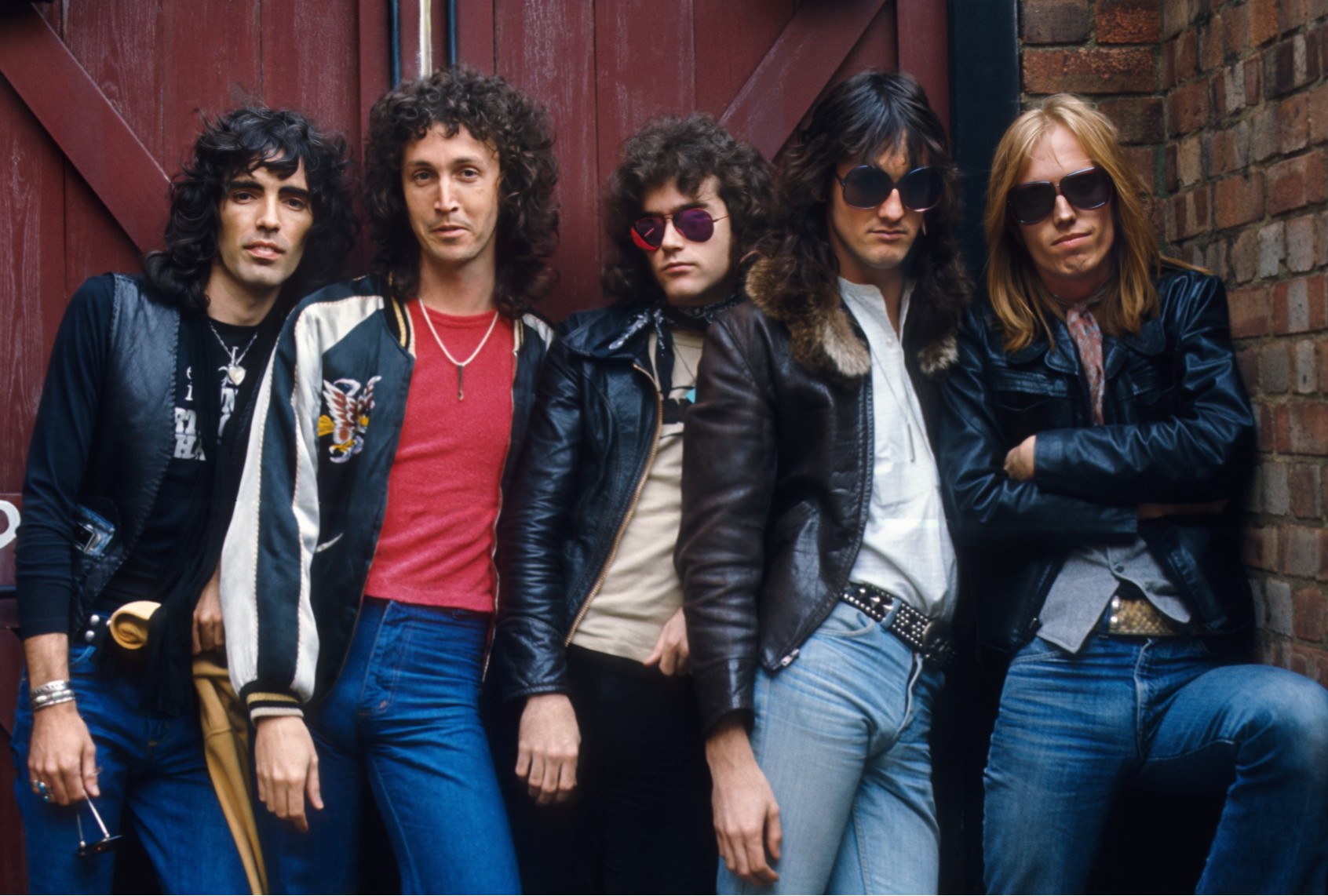
The heart of the Petty box set beats to the rhythm of newly mixed and remastered editions of the band’s first two milestones: their self-titled 1976 debut and its 1978 follow-up, You’re Gonna Get It!. However, the crown jewel for serious collectors is the compilation of unheard material housed across the discs No Sleep Til L.A. and The Cut Out Bin (consolidated on the CD iteration).
Rather than presenting demos in chronological order, producers deliberately curated these unreleased tracks into the shape of a cohesive album. The journey begins as early as 1971 with material from Mudcrutch—Petty’s pre-Heartbreakers outfit featuring future bandmates Mike Campbell and Benmont Tench. It traces their collective move from Gainesville, Florida, to Los Angeles, and subsequent pit stops in Tulsa, Oklahoma, where Shelter Records sent them to learn how to craft a record without running up exorbitant studio meter fees in L.A.
The package is rounded out by Live from the Record Plant (broadcast on KSAN-FM in 1977), a DVD of the band’s electrifying appearance on the BBC’s Old Grey Whistle Test, a Blu-Ray featuring high-resolution stereo, Dolby Atmos, and 5.1 immersive mixes, and a 46-page full-color fanzine titled Heart Attack.
The Who: Unpacking The Who By Numbers (1975–1976)
For The Who, archival releases aim to provide a comprehensive, 360-degree document of an individual album’s creation. Andy Neill, one of the premier historians behind the band’s reissues, spearheads the curation of the By Numbers 50th Anniversary box set.
The sprawling collection features 92 unreleased audio tracks, pristine remastering of the original
1975 LP, initial Townshend demos, loose tracking sessions, early mixes, guide vocals, and live recordings from Swansea in 1976 and the Pontiac Silverdome in December 1975. True to form for the band’s deluxe reissues, the package includes a gorgeous 100-page book filled with liner notes, rare photographs, lyrics, and insightful interviews.
The chronology of this release underscores a turbulent chapter in the band’s history. Approaching 30, Townshend was experiencing a profound crisis of identity. Feeling detached from his own material and wishing he could pursue a solo career (his last solo outing, Who Came First, dropped in 1972), he resented having to hand his most personal, confessional songwriting over to The Who.
Supporting Context & Metrics
The Strict Standards of the Petty Estate
When unearthing archival recordings, estates often fall into the trap of releasing every rough take and false start, diluting an artist’s legacy. Adria Petty, who oversees Petty Legacy, enforced a remarkably stringent filter for the Origins box set.
"It’s not Tom Petty good," Adria Petty explained regarding the criteria for inclusion. "Could this be any band? If so, it’s not in there . . . it’s gotta be something that really adds to the canon or we’re just detracting from the canon."
This strict standard elevated gems like "Parade of Loons," a track that balances new wave sensibilities with classic rock storytelling, and "You’re Gonna Learn," a surprisingly fluid reggae-infused track that predated the genre’s American rock acceptance. Other standouts include Dylan homages like "Wild Eyes" and "I Can’t Fight It," alongside "Unheard Kind of Hero"—a song that left keyboardist Benmont Tench flabbergasted when he first heard it, marveling at the sophisticated storytelling of a teenage Petty.
Townshend’s Creative Friction
On the other side of the Atlantic, The Who By Numbers captured a band navigating the double-edged sword of massive cinematic success. The Tommy film adaptation had transformed The Who into global superstars, filling arenas with screaming fans while padding the band’s bank accounts to unprecedented levels.
Yet, this commercial peak bred internal resentment. Townshend felt trapped, complaining about not having enough time for solo work and clashing with his bandmates over song selection. Ironically, Townshend was often shocked by Roger Daltrey’s choices; Daltrey gravitated toward the songwriter’s most deeply personal and vulnerable tracks, breathing raw pathos into cuts like "How Many Friends."
Official Statements & Archival Highlights
The Magic of the Old Grey Whistle Test
While the Petty box set guides listeners logically from outtakes to studio albums to live radio broadcasts, true aficionados often recommend jumping straight to the DVD featuring the band’s 40-minute Old Grey Whistle Test special.
Unlike standard television appearances where bands played a song or two, this BBC program gave Petty and the Heartbreakers an entire episode. Dressed in sharp black suits, aviators, and studded guitar straps, the band cut the figure of rock ‘n’ roll gunslingers. Though the studio audience—consisting of ticket-lottery winners rather than die-hard fans—looked somewhat bewildered by the American upstarts, the sheer electrical current pulsing off the stage remains undeniable.
Breaking Records at the Pontiac Silverdome
The Who box set pulls off a stunning coup with its final disc: the complete, remastered concert from the Pontiac Silverdome in December 1975. Setting a world record for the largest indoor rock concert attendance at 76,896 fans (a record broken by Led Zeppelin two years later), the gig utilized early closed-circuit video screens to ensure fans in the back could catch a glimpse of the action.
Captured via a direct line mono feed from the PA system, the audio may lack modern multi-track polish, but it captures an explosive, lightning-in-a-bottle performance. Seeing Daltrey in buckskin fringe and witnessing Keith Moon drive the band through a ferocious set provides a priceless window into the peak live prowess of one of rock’s most volatile lineups.
Future Outlook
As the physical music market continues to experience a renaissance driven by vinyl enthusiasts and dedicated collectors, the blueprint for archival box sets has been permanently rewritten. Listeners no longer want sterile, digital-sounding remasters encased in simple plastic jewel cases. They demand context, tactile packaging, immersive spatial audio mixes, and, most importantly, unvarnished historical truth.
Releases like Origins 1971-1978 and The Who By Numbers 50th Anniversary Edition set a high watermark for the industry. They demonstrate that looking backward does not mean rehashing old narratives; rather, it offers an opportunity to expand our understanding of how legendary artists forged their identities in the fire. As long as estate managers and archival producers approach vaults with the curatorial rigor shown by Adria Petty and Andy Neill, the classic rock canon will continue to grow richer, louder, and more vibrant with every passing decade.
