

Executive Overview
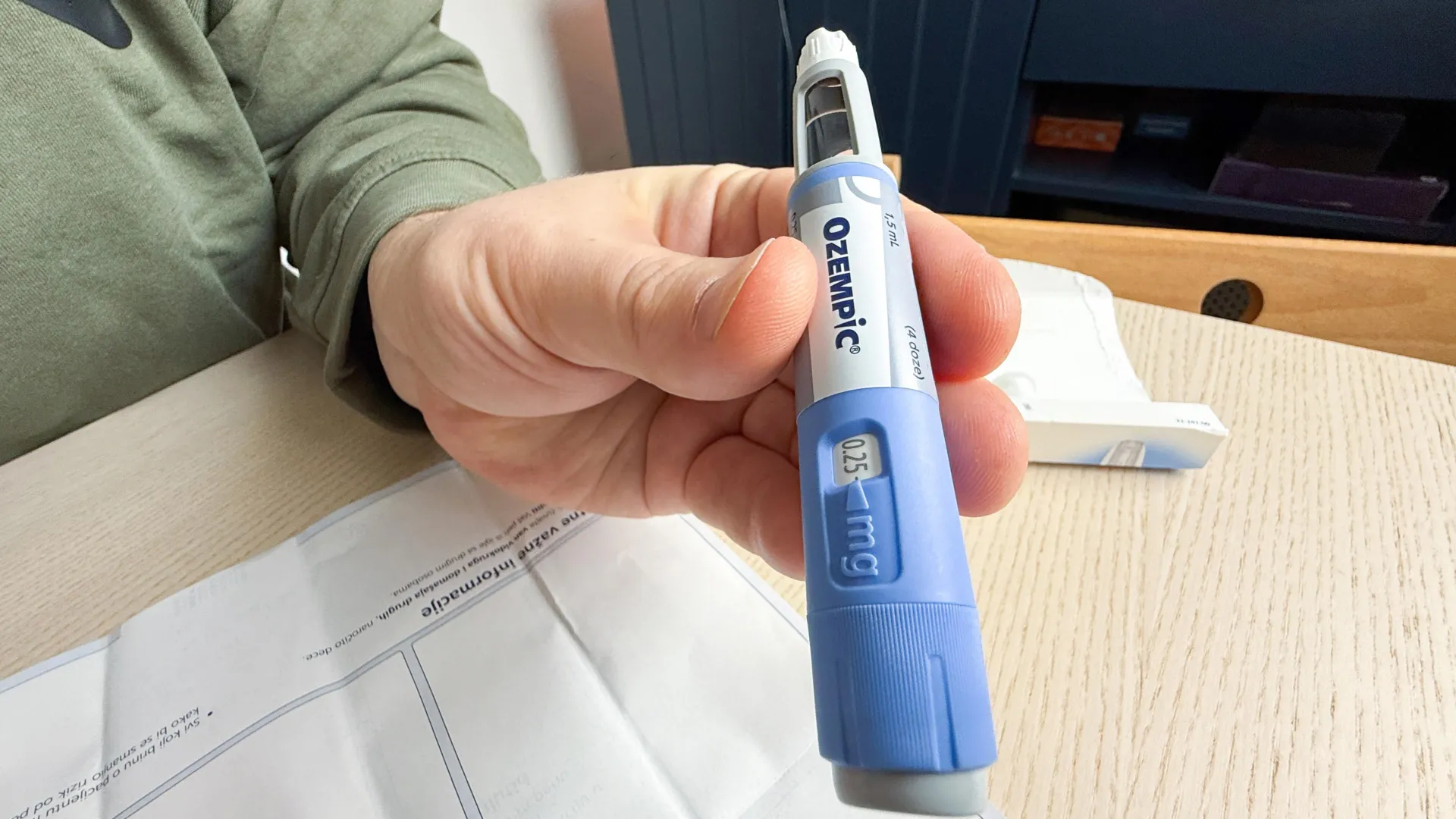
The pharmacological landscape of glucagon-like peptide-1 receptor agonists (GLP-1RAs)—widely recognized globally under brand names such as Ozempic, Wegovy, and Mounjaro—is undergoing a profound paradigm shift. Originally engineered for the management of type 2 diabetes mellitus and subsequently catapulted into worldwide prominence for chronic weight management, these innovative therapies are now demonstrating profound potential across entirely different therapeutic domains.
According to pioneering new research spearheaded by Griffith University’s School of Medicine and Dentistry, GLP-1 receptor agonists may offer substantial, previously unrecognized mental health benefits. Most notably, the research indicates a significant protective effect for individuals navigating the complexities of bipolar disorder.
The investigation, published in the esteemed peer-reviewed journal Acta Psychiatrica Scandinavica under the title "Use of glucagon-like peptide 1 receptor agonists and the associated risk of hospitalisation in bipolar disorder, from a nationwide cohort, 2009-2024," provides compelling real-world evidence. Analyzing a comprehensive nationwide Swedish dataset spanning 15 years, a research team led by Professor Mark Taylor uncovered a striking correlation: patients diagnosed with bipolar disorder experienced a notable 21 percent reduction in the risk of psychiatric hospitalization while actively taking semaglutide.
This finding arrives at a critical juncture in global public health. Bipolar disorder, a complex and often debilitating psychiatric condition characterized by severe shifts in mood, energy, and activity levels, affects roughly one in every 200 people worldwide—equating to approximately 37 million individuals. The frequent co-occurrence of metabolic disorders such as obesity and type 2 diabetes within this patient population has long presented clinical challenges.
By illuminating a biological bridge connecting metabolic regulation to neurological and psychiatric health, this landmark study opens new horizons in psychopharmacology. However, the study also issues a note of caution: the observed mental health benefits did not extend uniformly across all medications within the GLP-1 class. While semaglutide demonstrated a robust association with reduced psychiatric admissions, other agents such as liraglutide and dulaglutide did not exhibit the same protective statistical correlation.
As the medical community digests these insights, the Griffith University team’s findings serve as both a beacon of hope for improved psychiatric care and a call to action for rigorous, randomized controlled trials to confirm causality and chart the future of combination metabolic-psychiatric treatments.
Detailed Chronology: Unpacking the 15-Year Swedish Nationwide Cohort Study
To understand the weight of Professor Mark Taylor and his colleagues’ findings, it is essential to trace the methodological trajectory of the research. The study’s design reflects a massive epidemiological undertaking, leveraging Sweden’s uniquely integrated and comprehensive healthcare registries to track longitudinal patient outcomes across an entire nation.
The Foundation of the Swedish Cohort (2009–2024)
Sweden’s universal healthcare system and comprehensive national registers provide researchers with an extraordinary epidemiological laboratory. By tracking patient diagnoses, prescription dispensations, and hospital admissions through standardized identification numbers, longitudinal studies can be conducted with minimal loss to follow-up.
Over a 15-year observation window stretching from 2009 through 2024, the Griffith-led research team homed in on a highly specific and vulnerable patient demographic: individuals diagnosed with bipolar disorder who had also been prescribed GLP-1 receptor agonist medications. Within this expansive dataset, nearly 15,000 distinct individuals met the inclusion criteria, forming one of the largest and most robust cohorts ever assembled to study the intersection of metabolic therapies and psychiatric hospitalizations.
Tracking the Trajectory of Psychiatric Admissions
In psychiatric epidemiology, the rate of psychiatric hospitalization serves as a primary, objective proxy for disease severity, acute relapse, and the failure of outpatient stabilization. When a patient with bipolar disorder undergoes an acute manic, depressive, or mixed episode severe enough to warrant institutionalization, it represents both a profound personal crisis and a significant escalation in healthcare utilization.
The researchers sought to answer a fundamental clinical question: Did the introduction of a GLP-1 receptor agonist alter the frequency or likelihood of these acute psychiatric hospitalizations?
To account for confounding variables and individual patient baselines, the researchers utilized a self-controlled design framework alongside population controls. They compared the clinical outcomes of patients during periods when they were actively taking GLP-1 medications against periods when they were off these treatments.
The Semaglutide Signal Emerges
As the data was synthesized and analyzed, a clear pattern emerged regarding specific pharmaceutical agents within the broader GLP-1 class. Most prominently, semaglutide—marketed globally as Ozempic for type 2 diabetes and Wegovy for chronic weight management—stood out.
The statistical analysis revealed that when patients with bipolar disorder were prescribed and taking semaglutide, they experienced a statistically significant 21 percent lower risk of psychiatric hospitalization. This reduction was not merely a marginal statistical fluctuation; it held steady after adjusting for various demographic factors, concurrent medication use, and baseline metabolic health indicators.
Conversely, the data revealed a nuanced and critical distinction within the drug class. When researchers evaluated other GLP-1 receptor agonists available during the 15-year window—specifically liraglutide and dulaglutide—they did not observe the same reduction in psychiatric hospitalizations. This crucial divergence underscores the reality that pharmacological classes are not monolithic; individual molecular structures, blood-brain barrier permeability, receptor-binding affinities, and pharmacokinetic profiles can dramatically alter clinical outcomes, particularly within the central nervous system.
Supporting Context & Metrics: The Intersection of Metabolic and Mental Health
To fully appreciate the clinical implications of the Griffith University study, one must examine the deeply intertwined architecture linking metabolic health, systemic inflammation, and neuropsychiatric disorders.
The Epidemiological Landscape of Bipolar Disorder
Bipolar disorder is far more than a simple fluctuation in emotional state; it is a chronic, relapsing brain disorder characterized by profound disruptions in mood regulation, cognition, and functional capacity. According to the latest estimates from the World Health Organization (WHO), approximately 0.5 percent of the global population—roughly 37 million people—live with the condition.
The personal and societal toll of bipolar disorder is immense. Patients face elevated risks of occupational disability, relationship breakdown, cognitive decline, and premature mortality, driven in large part by suicide and comorbid physical health conditions.
The Metabolic-Psychiatric Synergy
For decades, clinicians have observed a profound, highly disproportionate co-occurrence of metabolic disorders—including obesity, insulin resistance, and type 2 diabetes—among patients diagnosed with severe mental illnesses like bipolar disorder and schizophrenia.
This convergence is driven by multiple overlapping factors:
- Shared Biological Pathways: Chronic low-grade systemic inflammation, oxidative stress, and mitochondrial dysfunction are increasingly recognized as core pathophysiological drivers in both type 2 diabetes and major psychiatric conditions.
- Lifestyle and Environmental Factors: Sleep disturbances, sedentary behavior, and socioeconomic challenges frequently associated with severe mental illness exacerbate metabolic risk.
- Pharmacological Side Effects: Many traditional mood stabilizers and atypical antipsychotic medications essential for managing bipolar disorder carry severe metabolic side effects, including significant weight gain, dyslipidemia, and insulin resistance.
This vicious cycle creates a clinical dilemma: treating the psychiatric condition often worsens the metabolic profile, while worsening metabolic health can, in turn, exacerbate psychiatric instability.
Pharmacodynamics: How GLP-1 Agonists Influence the Brain
Glucagon-like peptide-1 is a naturally occurring peptide hormone released from the gut in response to nutrient ingestion. Its primary physiological roles include stimulating insulin secretion, inhibiting glucagon release, slowing gastric emptying, and signaling satiety to the hypothalamus.
However, the discovery of GLP-1 receptors distributed widely throughout the central nervous system—including within brain regions heavily implicated in mood regulation, reward processing, and neuroplasticity, such as the hippocampus and prefrontal cortex—ignited intense scientific interest.
Researchers believe that exogenous GLP-1 receptor agonists like semaglutide may exert direct and indirect neuroprotective effects through several mechanisms:
- Reduction of Neuroinflammation: GLP-1RAs have been shown to cross the blood-brain barrier to varying degrees, where they suppress microglial activation and downregulate pro-inflammatory cytokine production within cerebral tissue.
- Cellular Stress Mitigation: By enhancing cellular resilience and improving mitochondrial function, these drugs may protect neurons from oxidative damage and apoptosis.
- Enhanced Neuroplasticity and Synaptic Function: Emerging preclinical data suggest that GLP-1 signaling may promote neurogenesis and improve synaptic plasticity, processes that are frequently impaired in chronic mood disorders.
- Improved Systemic Metabolic Health: By ameliorating peripheral insulin resistance and systemic inflammation, GLP-1RAs remove the exacerbating metabolic stressors that negatively impact cerebral function.
Official Statements and Expert Perspectives
The publication of the Griffith University study has reverberated through international psychiatric and endocrinological circles, drawing commentary from leading researchers and clinical experts.
Insights from Lead Investigator Professor Mark Taylor
At the heart of the research is Professor Mark Taylor of Griffith University’s School of Medicine and Dentistry, whose leadership steered the 15-year cohort analysis. In public statements accompanying the release of the findings, Professor Taylor emphasized both the encouraging nature of the data and the necessity for measured scientific interpretation.
"People with bipolar disorder who were taking semaglutide (otherwise known as Ozempic or Wegovy), a type of GLP-1 medication, had significantly lower rates of psychiatric hospitalization compared with periods when they were not taking GLP-1 medicines," Professor Taylor stated.
Expanding upon the broader implications of these findings, Professor Taylor highlighted how the study contributes to an evolving body of scientific literature:
"The findings add to growing evidence that GLP-1 receptor agonists may have benefits beyond diabetes and obesity treatment, and could represent a promising new avenue for bipolar research."
Addressing the critical disparity observed between semaglutide and other medications within the same drug class, Professor Taylor noted that the unique pharmacokinetic and pharmacodynamic properties of individual molecules must be thoroughly investigated. Furthermore, he articulated a clear vision for the next critical phase of scientific validation:
"The findings now need to be examined in a randomized controlled trial, which would provide stronger evidence about whether semaglutide itself can improve psychiatric outcomes in people with bipolar disorder."
Broader Scientific and Clinical Reactions
Independent psychiatric researchers not involved in the Griffith University study have praised the methodological rigor of utilizing Sweden’s nationwide registries while simultaneously urging clinical caution.
Clinical pharmacologists note that while observational registry data is invaluable for identifying real-world trends and generating actionable hypotheses, it cannot definitively prove a direct causal relationship on its own. Factors such as confounding by indication—where patients prescribed semaglutide may differ in subtle ways from those who are not—must be rigorously controlled for.
Nevertheless, the psychiatric community views the 21 percent reduction in hospitalization risk as a compelling signal that warrants immediate, intensive follow-up. In clinical settings where treatment options for treatment-resistant bipolar depression and mood instability remain stubbornly limited, any therapeutic avenue that simultaneously addresses metabolic comorbidity and psychiatric stability represents a monumental step forward.
Future Outlook: The Path to Clinical Trials and Multi-Disciplinary Care
As the medical and scientific communities absorb the implications of Professor Taylor’s research, attention is rapidly shifting toward the future. What steps must be taken to translate these observational registry insights into actionable, evidence-based clinical guidelines for psychiatrists and endocrinologists worldwide?
The Imperative of Randomized Controlled Trials (RCTs)
The gold standard of evidence-based medicine is the randomized controlled trial. While the retrospective, nationwide Swedish cohort study provides robust real-world data across thousands of patients over a 15-year span, observational designs are inherently limited by potential unmeasured confounders.
To establish definitive proof that semaglutide actively improves psychiatric outcomes and stabilizes mood in patients with bipolar disorder, international research consortia must design and execute gold-standard RCTs. These trials will need to:
- Enrol Diverse Patient Populations: Include patients with varying severities of bipolar disorder, encompassing both bipolar I and bipolar II subtypes.
- Isolate Molecular Mechanisms: Utilize placebo-controlled designs to directly measure changes in validated psychiatric rating scales (such as the Young Mania Rating Scale and the Montgomery-Åsberg Depression Rating Scale) alongside metabolic markers.
- Evaluate Long-Term Durability: Assess whether the psychiatric benefits observed over short-to-medium timeframes are sustained over multi-year treatment cycles.
Redefining Integrated Care Models
The convergence of metabolic and psychiatric medicine highlighted by this research underscores an urgent need to dismantle traditional silos within healthcare systems. For decades, psychiatrists have focused primarily on the brain, while endocrinologists and primary care physicians have focused on peripheral metabolism.
Given that conditions like bipolar disorder, obesity, and type 2 diabetes are deeply intertwined biologically, future clinical care models must move toward integrated, multi-disciplinary management. Endocrinologists prescribing GLP-1 receptor agonists for weight management or glycemic control must be cognizant of their patients’ psychiatric histories, while psychiatrists managing complex mood disorders must pay close attention to metabolic health and leverage modern pharmacological interventions that target both domains.
Conclusion
The Griffith University study published in Acta Psychiatrica Scandinavica marks a watershed moment in our understanding of GLP-1 receptor agonists. By demonstrating a significant 21 percent reduction in psychiatric hospitalizations among patients with bipolar disorder taking semaglutide, the research transcends the boundaries of endocrinology and opens exciting new frontiers in neuropsychiatry.
While caution is warranted—particularly regarding the differing efficacies among individual drugs within the GLP-1 class and the necessity for upcoming randomized controlled trials—the horizon of mental health treatment is expanding. For the 37 million people worldwide living with bipolar disorder, these findings offer a tangible glimpse of a future where managing metabolic health and achieving psychiatric stability go hand in hand, fundamentally transforming lives for the better.
