

Executive Overview
The intersection of sports, politics, and corporate media has long been a delicate tightrope, but over the past several years, networks have increasingly found themselves tumbling into the abyss below. ESPN, historically revered as the definitive worldwide leader in sports, has spent the last decade awkwardly navigating the terrain between athletic competition and sociocultural commentary. Criticism has rained down from all directions: sometimes for steering dangerously clear of political debates, and at other times for wading waist-deep into highly polarized national discourse.
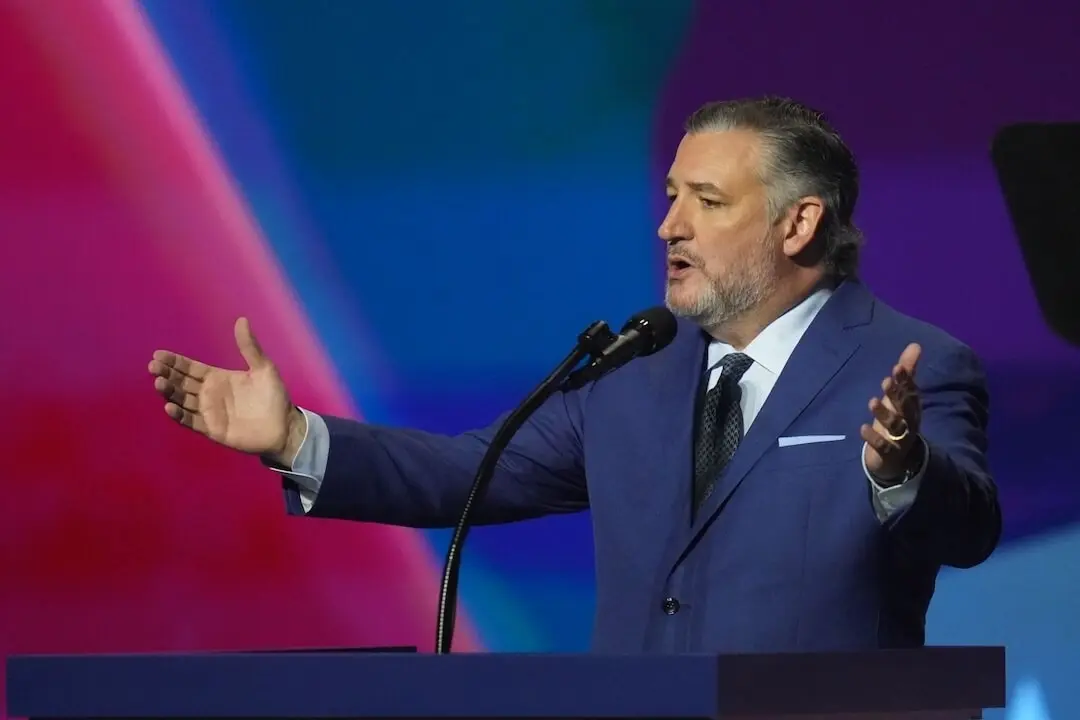
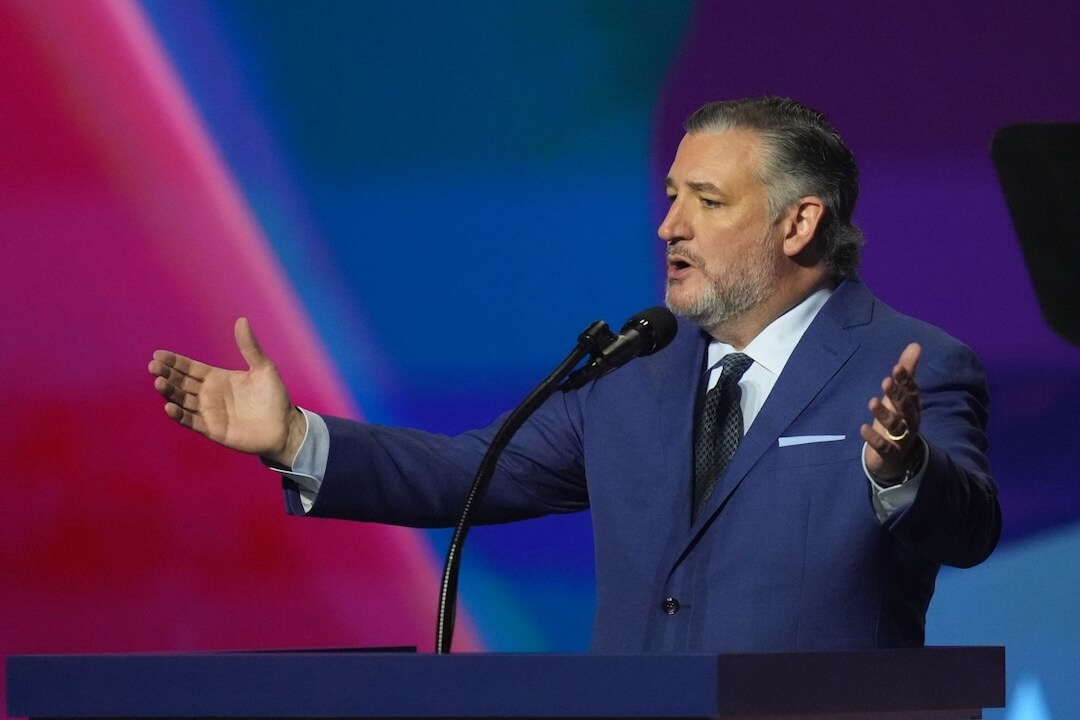
However, a watershed moment occurred on a Saturday in September during a live broadcast of College GameDay in Austin, Texas. The beloved pregame show, setting up a marquee matchup between No. 1 Ohio State and No. 4 Texas, waded headfirst into a fierce legislative battle regarding the future of college sports. By offering a nearly ten-minute, unopposed platform to Texas Republican Senator Ted Cruz—the lead sponsor of the controversial "Protect College Sports Act"—ESPN sparked an immediate firestorm.
The backlash was not merely because the network hosted a divisive political figure, but rather because the broadcast tilted heavily toward political advocacy rather than balanced journalism. This event did not happen in a vacuum. It unfolded against a broader national media landscape characterized by intense turbulence: 60 Minutes inaugurating a controversial new season under fresh editorial leadership, the New York Times exposing a sweeping administration-led campaign to muzzle speech, and the ongoing fallout from the weaponization of federal power against independent journalism. This report provides a comprehensive examination of how sports entertainment, investigative journalism, and political pressure are colliding in real time.
Detailed Chronology: The College GameDay Controversy
The Austin Setup and Senator Cruz’s Appearance
The controversy began against the backdrop of an electric college football atmosphere on the University of Texas campus. As College GameDay broadcast live to thousands of fans, host Rece Davis welcomed Senator Ted Cruz onto the set. Dressed in University of Texas colors, Cruz was greeted not with standard sports fandom, but with a chorus of boos and chants of "You suck, Ted!" from the student section.
Despite the hostile crowd, Cruz was given an uninterrupted platform for nearly ten minutes to champion the Protect College Sports Act—a piece of legislation currently making its way through Congress designed to fundamentally regulate the multi-billion-dollar business of collegiate athletics. Cruz offered a passionate defense of the bill, arguing it would restore order to a chaotic landscape.
However, the interview exposed a glaring editorial imbalance. Just one week prior, College GameDay co-hosts Pat McAfee and Nick Saban—two of the most influential voices in sports media—had openly used their airtime to urge Congress to pass the exact same legislation. By hosting Cruz without a counterbalancing voice, ESPN transformed its premier entertainment broadcast into an echo chamber for a specific political agenda.
The Network’s Justification and Swift Rebuttals
As media critics swarmed, The Athletic’s Justin Williams and Stewart Mandel reported that an internal ESPN source defended the interview, calling it an "easy decision" due to its timeliness and noting that the network had "not received any requests from a senator or other figure… opposed to the legislation." The source added that the network would "obviously do the same" if approached by opponents.
This defense was widely panned by media analysts as hollow and irresponsible. Critics pointed out that finding opponents of the bill requires minimal effort, given that player advocates, labor organizers, and civil rights groups have been vocal about the legislation’s true intent. Demonstrating how easily balanced perspectives could have been integrated, the NAACP publicly posted on social media offering to send President Derrick Johnson onto the show to articulate why the bill poses severe dangers to Black athletes and communities.
The juxtaposition did not go unnoticed. Matt Yoder of Awful Announcing highlighted the striking irony of ESPN granting an unopposed political platform to a Republican senator in the exact same week that its corporate sibling, ABC, faced federal pressure and pulled a scheduled interview between Jimmy Kimmel and Democratic Senate candidate James Talarico, relegating it to YouTube.
The Post-Game Sideline Drama
The tensions surrounding ESPN’s broadcast extended beyond the political desk and onto the turf. Following a dramatic, come-from-behind victory by Texas over Ohio State, veteran sideline reporter Holly Rowe approached Longhorns head coach Steve Sarkisian for a live post-game interview.
Amid the chaotic celebration, Rowe began, "Coach, this was one of the most…" before Sarkisian cut her off, shouting, "Let’s go, Texas fight! Let’s go, Texas fight! Hook ’em!" and abruptly walking away. Rowe, visibly stunned and annoyed, rolled her eyes and turned in the opposite direction.
The incident compounded an already awkward relationship between the Texas coaching staff and ESPN that evening. Earlier, at halftime, sideline reporter Laura Rutledge had been forced to wait through prolonged technical difficulties before Sarkisian ultimately declined her interview. While Rutledge later clarified on air that Sarkisian had been patient and apologized privately, a Texas spokesperson acknowledged that lingering technical gremlins on the field contributed to Sarkisian’s abrupt dismissal of Rowe. Regardless of the technical challenges, media observers noted it was an undignified look for a head coach capitalizing on a historic win to publicly dismiss one of sports journalism’s most respected professionals.
Supporting Context & Metrics: The 60 Minutes Shakeup and Press Freedom
The New Era of 60 Minutes
While sports networks wrestled with political advocacy, the grand institution of television investigative journalism faced its own existential pivot. The 59th season premiere of CBS’s 60 Minutes aired under unprecedented scrutiny following a tumultuous summer. The legendary newsmagazine saw the firing of three veteran correspondents and a longtime executive producer. Simultaneously, the program welcomed controversial New York Times opinion writer Ross Douthat—who possesses no prior television news background—as a correspondent, and Nick Bolton as executive producer, a hire spearheaded by controversial CBS News editor-in-chief Bari Weiss.
The premiere featured three distinct segments:
- Norah O’Donnell’s Military Feature: A high-profile profile of the U.S. Air Force officer shot down and subsequently rescued in Iran last April. Featuring interviews with Defense Secretary Pete Hegseth and Joint Chiefs Chairman Gen. Dan Caine, the segment was undeniably gripping and newsworthy, though critics noted its heavily pro-military framing.
- Lesley Stahl’s "Pardon Economy" Investigation: A classic, hard-hitting hidden-camera investigation exposing lawyers and lobbyists capitalizing on access to the presidency to broker pardons.
- Jon Wertheim’s Sports Feature: A lighter dive into the Super Bowl-favorite Los Angeles Rams, followed by a closing commentary segment, "The Last Minute," where Douthat pontificated on artificial intelligence and the erosion of trust in journalism.
Despite the sweeping structural and ideological changes orchestrated by network leadership, the broadcast largely functioned as a traditional iteration of the iconic program. Yet, the underlying tension regarding editorial independence remains a ticking clock for the network.
Trump’s Campaign Against the Press
The broader threat to independent media was underscored in a chilling investigative report by The New York Times journalists Jim Rutenberg and Haberman, titled "How Trump Is Wielding Power to Stifle Speech."
Nearly twenty months into his second term, Donald Trump’s historic animosity toward the media has morphed into an organized, systemic apparatus of government power aimed at controlling the national narrative. Deploying federal agencies, regulatory threats against broadcast licenses, subpoenas targeting journalistic sources, and a barrage of personal lawsuits, the administration is systematically targeting journalists, comedians, talk show hosts, and their corporate backers.
The report also uncovered a petty, previously undisclosed motivation behind the administration’s ban on the Associated Press from certain press events: beyond the AP’s refusal to adopt the administration’s preferred nomenclature of the "Gulf of America" instead of the Gulf of Mexico, White House aides revealed at a private lunch that the AP was blacklisted for denying the Trump team rights to its iconic, Pulitzer-caliber photograph of a bloodied Trump raising his fist following the 2024 assassination attempt in Butler, Pennsylvania. Free speech advocates warn that such punitive measures are designed explicitly to intimidate, punish, and silence dissent.
Official Statements and Industry Reactions
The blending of corporate lobbying, political access, and sports broadcasting drew immediate rebukes from media figures and civil rights organizations alike:
- Jemele Hill (Former ESPN Personality) via X (formerly Twitter):
"Did not know ESPN had become a political lobbying firm."
- Bomani Jones (Former ESPN Personality) via X:
"Talking about it and shilling for it — without disclosing that the company is literally lobbying for it — are vastly different things."
- The NAACP via X:
"Surprised @espn so willingly lent their platform to political performance today. But we’ll play. We’d love to have @DerrickNAACP join you in his home state of Miss. next week to express why the Protect College Sports Act is dangerous to Black Athletes and the Black community."
- Mike Florio (ProFootballTalk):
"Under the guise of ending chaos tracing to decades of antitrust violations… the proponents of the bill want to limit the amount of money that goes to players, diverting it to the programs… ESPN has been leading the conga line, with influential voices like Nick Saban and Pat McAfee openly pushing the Protect College Sports Act."
Future Outlook
The events surrounding ESPN’s College GameDay and the broader media landscape mark a permanent crossing of the Rubicon for sports broadcasting. Networks can no longer claim ignorance of the political implications inherent in modern athletics. College sports are no longer just games played on Saturdays; they are multi-billion-dollar corporate ecosystems deeply intertwined with antitrust law, labor unions, federal legislation, and higher education politics.
By granting uncritical airtime to legislative architects of bills like the Protect College Sports Act—especially when corporate parents and on-air personalities have financial or ideological alignments with the outcomes—ESPN has opened itself up to legitimate, probing questions regarding corporate lobbying and editorial integrity.
As the lines separating sports entertainment, hard news, and political theatre continue to dissolve, media organizations face an unforgiving choice. They can either commit to rigorous, multi-perspective journalism when wading into political waters, or they risk alienating audiences who recognize sports television not as an objective arena, but as a partisan billboard. In an era where trust in all media institutions is at an all-time low, the margin for error has officially evaporated.
