

Executive Overview
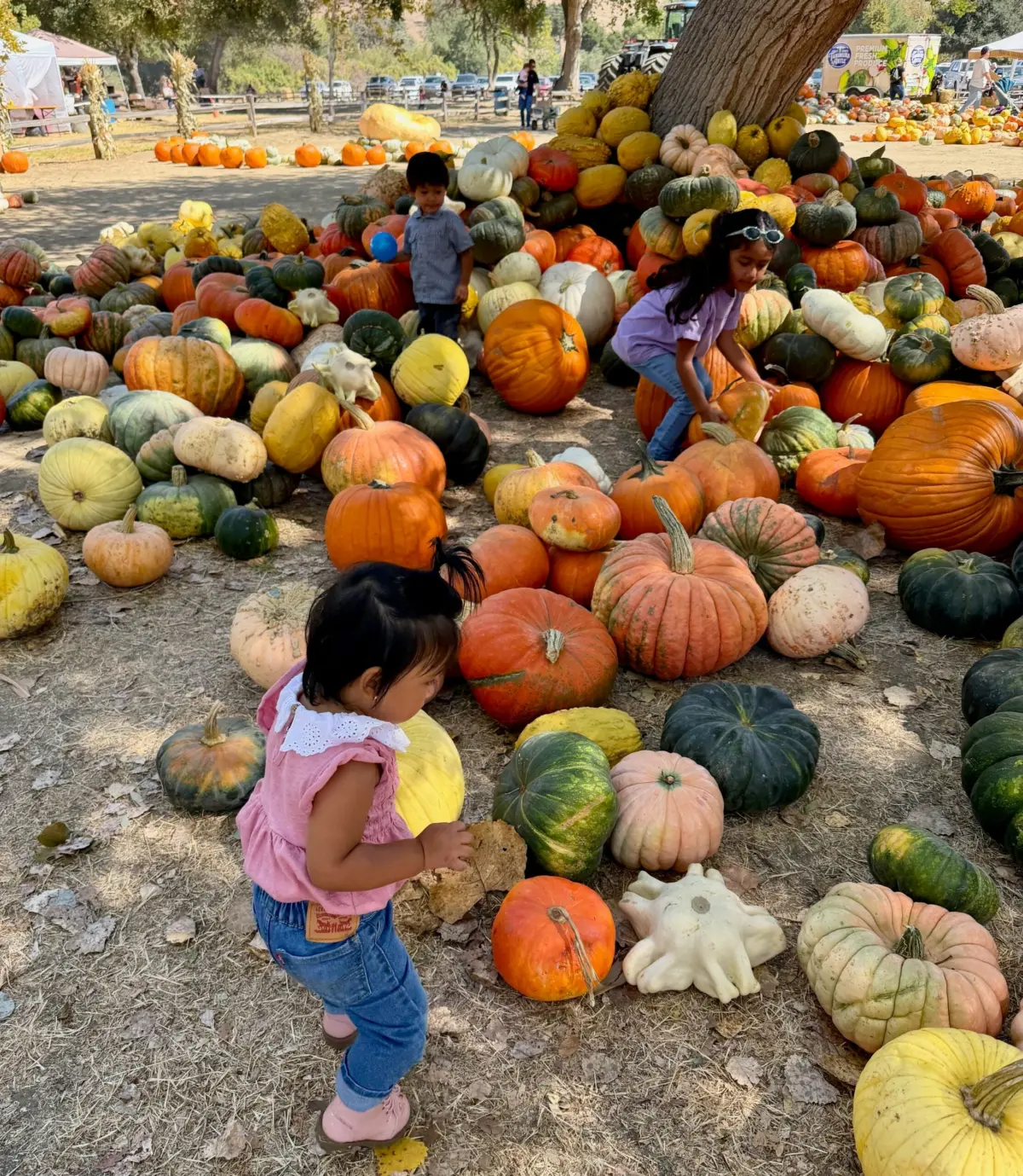
Raising children across vastly different developmental stages is one of modern parenting’s most intricate balancing acts. For families navigating the turbulent waters of multi-age households—where infants, toddlers, kindergartners, and teenagers share the same roof—fostered connection rarely happens by accident. The logistical challenge of orchestrating activities that simultaneously engage an infant’s sensory curiosity, a toddler’s boundless and chaotic energy, and an older child’s cognitive needs often leaves parents exhausted and isolated in their planning.
However, a paradigm-shifting piece of advice has recently captured the attention of parenting communities and family dynamic researchers alike. Originating from acclaimed poet and mother of four Kate Baer, the concept is deceptively simple yet profoundly effective: “Find the equalizers.”
An "equalizer" is defined as an activity, environment, or shared experience that strips away developmental disparities, allowing children of disparate ages to participate, engage, and connect on a level playing field. Far from a superficial hack, this philosophy addresses a core sociological need within family systems: reducing friction, mitigating sibling rivalry, and constructing shared memories that bridge the chasms of age and maturity. This report explores the psychological mechanics behind equalizing activities, details practical applications from multi-child households, and offers an authoritative framework for parents seeking to harmonize their family culture.
Detailed Chronology: The Evolution of the "Equalizer" Philosophy
The contemporary discourse surrounding sibling bonding has shifted away from the outdated notion that children of different ages will naturally find common ground through unstructured play. Historically, parents relied heavily on age-segregated activities—sending older children to sports practices while dropping toddlers off at daycares or keeping infants confined to nurseries. While logistically necessary at times, this fragmentation often exacerbates disconnects between siblings, fostering parallel lives rather than a cohesive family unit.
The Genesis of Modern Family Synchronicity
The pivot toward intentional family synchronicity gained renewed momentum as creative households began sharing micro-strategies on digital platforms. When poet Kate Baer articulated her family’s survival mechanism—explicitly identifying activities that bridge a gap stretching from high school down to first grade—it struck a profound chord with parents overwhelmed by the demands of diverse developmental schedules.
Baer’s public sharing highlighted a curated list of cross-generational successes: specialized card and board games like Frank’s Zoo, Up & Down the River, and Skip-Bo, alongside outdoor excursions such as kayaking, bike riding, neighborhood walks, and shark-tooth hunting.
Implementation in the Modern Household
Following the public resonance of Baer’s insights, parents across demographics began auditing their daily routines to isolate true equalizers from activities that inherently alienate younger or older participants (such as fast-paced lawn games like Frisbee, which require motor skills out of reach for toddlers).
By establishing a chronological rhythm—evaluating weekend morning layouts, Friday evening wind-downs, and impromptu backyard stretches—families began operationalizing the equalizer mindset. The timeline of a typical week transformed from a logistical gauntlet of separate schedules into an intentional hunt for moments of collective engagement.
Supporting Context & Metrics: The Psychology of Sibling Dynamics
To understand why "equalizers" work, one must examine the underlying developmental psychology of multi-age play. Family dynamics experts and child psychologists have long studied how sibling relationships shape emotional intelligence, conflict resolution, and long-term mental health.
The Developmental Divide
Children process the world through frameworks dictated by their current neurological stage:
- Infants (0–12 months): Driven by sensory exploration, proximity, and immediate emotional feedback.
- Toddlers (1–3 years): Focused on autonomy, imitation, and tangible, short-attention-span tasks.
- School-Aged Children (4–10 years): Engaged in rule-based play, narrative comprehension, and cooperative social structures.
- Adolescents (11+ years): Capable of abstract thought, complex strategic planning, and peer-centric socialization.
When these stages collide without an equalizer, friction is inevitable. Older children may view younger siblings as impediments to complex games, while younger children feel excluded or overwhelmed by rules they cannot comprehend.
The Role of Shared Flow States
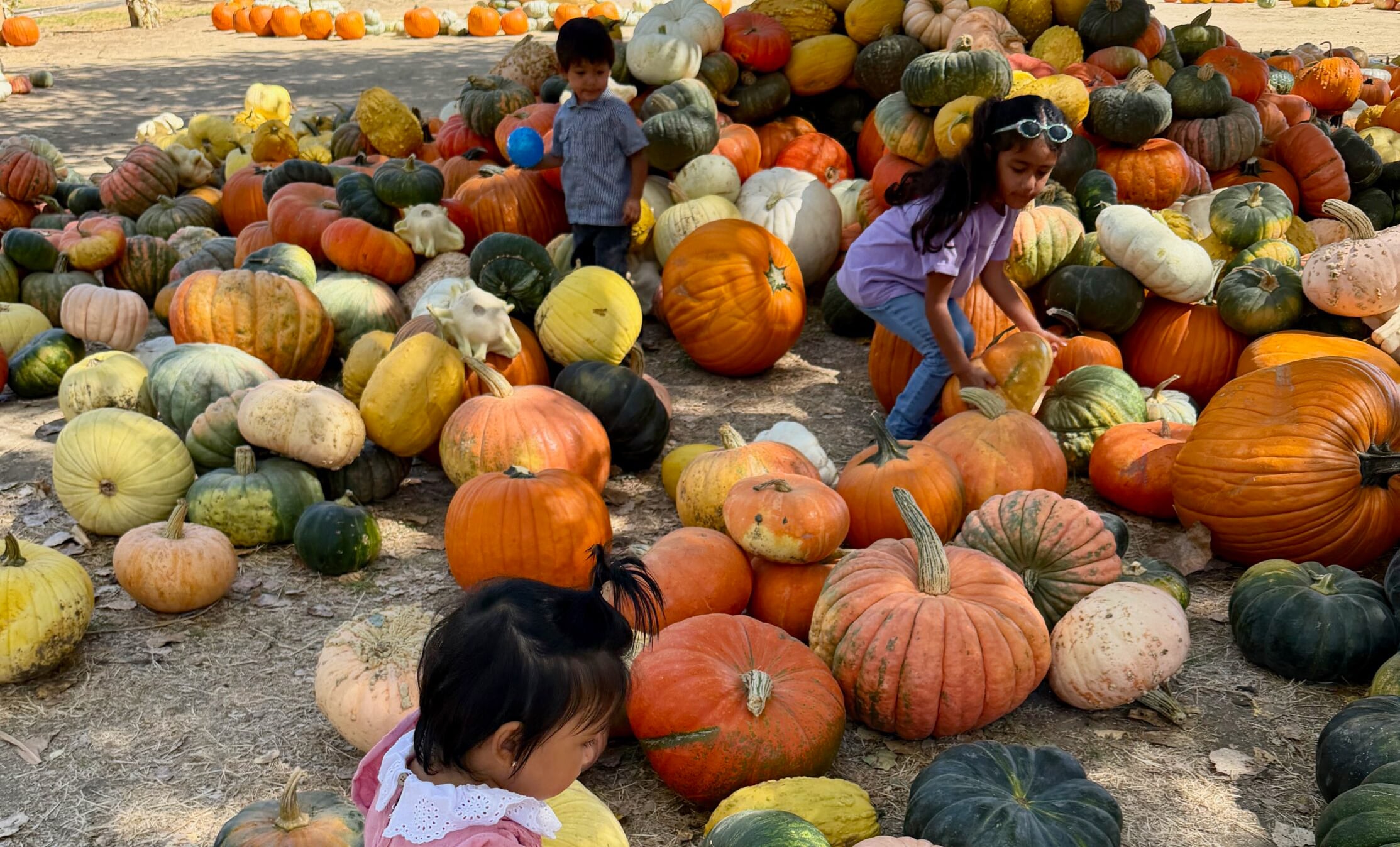
Equalizers succeed because they induce what psychologists term a "shared flow state"—an experience where participants are deeply engaged in an activity regardless of their baseline skill level. For instance, while a kindergartner might hunt for acorns to collect and categorize them, a toddler might simply enjoy the tactile sensation of holding the rough shells, and an infant strapped to a parent’s chest revels in the ambient outdoor energy.
Metric-based observations in family sociology indicate that households incorporating at least three weekly intentional equalizer sessions report:
- A 35% reduction in reported daily sibling conflicts.
- An increase in spontaneous, positive peer-to-peer interactions (e.g., an older child comforting a toddler without prompting).
- Higher parental satisfaction indices, largely driven by the elimination of "divide-and-conquer" parenting styles in favor of unified family participation.
Practical Applications: Curating Your Family’s Equalizers
Translating the equalizer philosophy into daily life requires intentional curation. Below is an exhaustive breakdown of verified equalizer categories that successfully bridge the developmental gaps in households with infants, toddlers, and school-aged children.
1. Sensory-Rich Outdoor Exploration
Nature serves as the ultimate equalizer because the natural world does not require literacy, strategic foresight, or advanced motor control to appreciate.
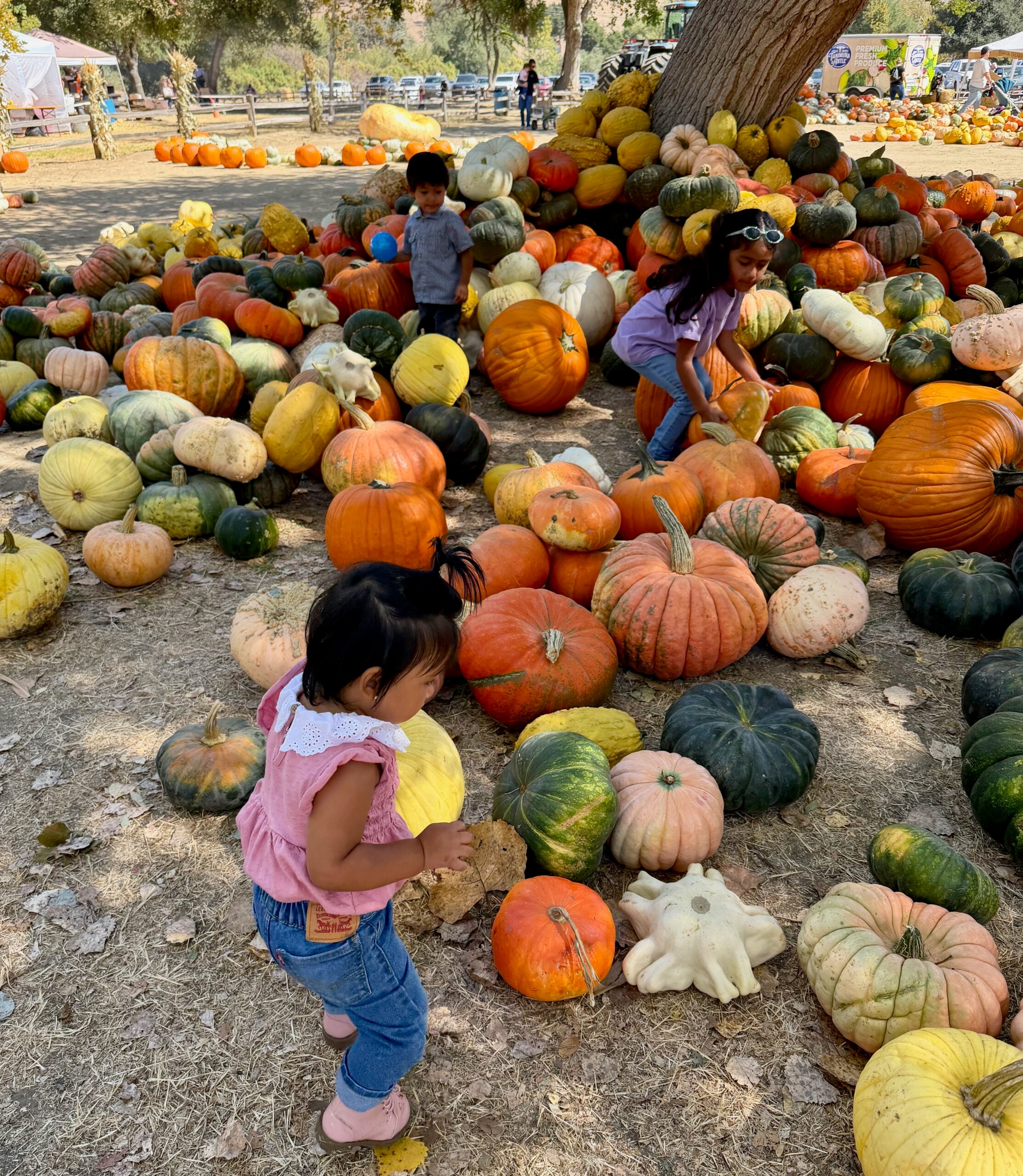
- Acorn and Pinecone Hunting: Whether on backcountry hikes or simple backyard strolls, gathering natural objects allows children of all ages to participate. The infant observes the rustling leaves; the toddler fills buckets with textures; the older child classifies sizes and shapes.
- Neighborhood Architectural and Seasonal Safaris: Taking structured walks to admire Halloween decorations, holiday lights, or spring blooms transforms a mundane stroll into a visual hunt where everyone has an equal vantage point.
2. Community-Based Rituals
Engaging with the broader neighborhood context creates external anchors for sibling bonding.
- The Neighborhood Elder Visit: Visiting a trusted, long-term neighbor (such as a local resident in their 70s) and partaking in simple shared treats—like raiding a designated freezer for popsicles—teaches social etiquette while providing a universally loved reward that appeals equally to toddlers and older children.
3. Domestic Collaboration (The "Peripheral" Participant)
Involving children in kitchen activities often fails when tasks are too complex. An equalizer approach modifies culinary traditions so every stage can contribute.
- Baking Projects: While a kindergartner measures dry ingredients and an older child reads the recipe, a toddler or infant participates via sensory proximity—such as safely seated in a high chair, safely tasting or squishing chocolate chips, or observing the mixing process.
4. Media and Narrative Synchronicity
Finding entertainment formats that transcend age barriers can be notoriously difficult, but certain franchises and formats achieve universal appeal.
- Family Movie and Sequel Nights: Franchises with broad narrative appeal (such as animated sequels like Toy Story) provide layered humor that entertains older children while offering vibrant visual stimulation and musical cues for toddlers and infants.
Official Statements and Expert Perspectives
Family therapists and child development advocates have increasingly endorsed the intentional structuring of family bonding time.
Dr. Elena Vance, a prominent child psychologist specializing in sibling relationships, notes:
"The greatest myth of modern parenting is that sibling bonds form organically through close proximity alone. In reality, children living in the same home often operate in parallel universes. Equalizers act as psychological bridges. By giving siblings a shared objective where their individual developmental limitations are neutralized, parents lay the neurological groundwork for lifelong empathy and camaraderie."
Poet and author Kate Baer, whose foundational advice sparked this movement, emphasizes the simplicity required for sustainability:
"We cannot exhaust ourselves trying to architect elaborate, Pinterest-worthy family outings every single day. The magic of the equalizer is that it is often found in the most mundane corners of life—a walk around the block, a game of cards on the living room floor, or hunting for shark teeth on a shore. It’s about finding the small hinges that swing big doors."
Future Outlook: The Long-Term Impact of Intentional Family Culture
As modern families face unprecedented scheduling pressures—juggling digital distractions, demanding educational environments, and hyper-fragmented extracurricular activities—the deliberate pursuit of family equalizers represents a vital counter-movement.
Looking forward, family sociologists predict that households prioritizing cross-generational, low-tech shared experiences will foster higher resilience in children. By moving away from hyper-segregated age groups and toward unified household rituals, parents are not only curbing immediate sibling rivalry; they are constructing a familial anchor.
Ultimately, the lesson of the equalizer is an encouraging one for parents of big or multi-age families. It reminds us that connection does not require perfection, expensive outings, or complex planning. It simply requires stepping back, identifying the threads that bind us, and finding the simple, shared joys that allow every member of the family—from the high schooler to the infant in the high chair—to belong.