

Executive Overview
In the modern digital landscape, visibility is everything. With over 3.5 billion searches processed daily, Google remains the undisputed gateway to consumer attention. Yet, the brutal reality of search engine optimization (SEO) is captured by a sobering digital marketing adage: "The best place to hide a dead body is page 2 of the Google search results."
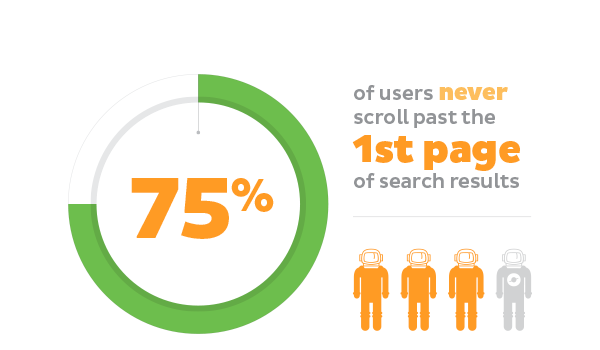
Data consistently shows that approximately 75% of users never scroll past the first page of search results. If your business, product, or blog fails to secure a coveted spot on page one, you are effectively invisible to three-quarters of your prospective audience.
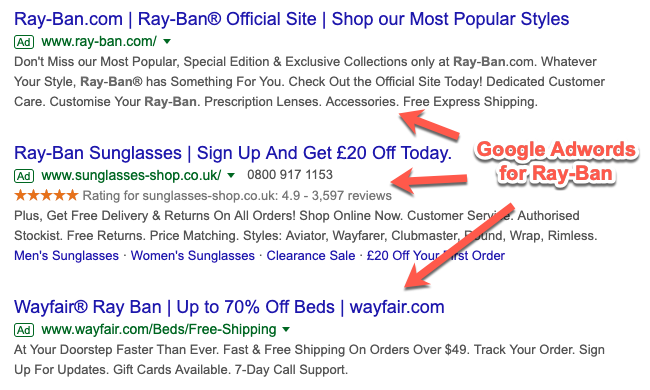
However, achieving and maintaining front-page visibility has become increasingly complex. The contemporary Search Engine Results Page (SERP) is no longer a simple vertical stack of ten blue links. It is a dynamic ecosystem crowded with Paid-Per-Click (PPC) advertisements, Local Map Packs, Featured Snippets, Knowledge Panels, and "People Also Ask" carousels.
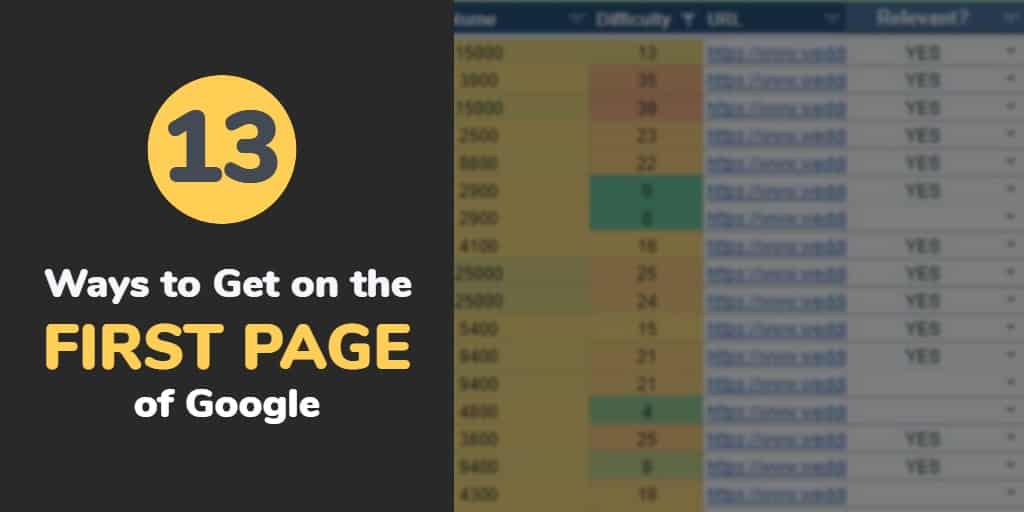
Despite these high barriers to entry, ranking on Google’s first page is not an impossible dream reserved exclusively for multi-billion-dollar enterprises. By leveraging systematic data analysis, identifying low-hanging keyword fruit, optimizing content types, and deploying advanced off-page strategies like Barnacle and Parasite SEO, organizations across any industry can secure dominant digital placement. This report breaks down the definitive 13-step methodology to capturing page-one rankings, weathering SERP volatility, and maximizing organic traffic conversion.

Detailed Chronology & Strategic Framework: The 13 Ways to Dominate Page One
To systematically capture front-page real estate, marketers must move away from guesswork and adopt a structured, tactical approach. Below is the comprehensive execution playbook, moving from rapid 24-hour optimizations to advanced authority-building strategies.

1: Capitalize on Existing Keyword Opportunities (Quick Wins)
If your keyword research is solely focused on generating brand-new content, you are leaving massive amounts of traffic on the table. You can often achieve near-immediate traffic gains by optimizing existing content that is currently underperforming.

- The Process: Use tools like Semrush to run an organic research report on your domain. Apply a custom filter to target positions 6 through 20 (your "low-hanging fruit").
- Refinement: Layer on filters for minimum search volume, keyword difficulty (KD) ceilings (e.g., under 49%), and word count (e.g., 3+ words) to isolate high-intent queries.
- Prioritization: Focus first on bottom-of-funnel "money" keywords before working your way up to top-of-funnel informational queries. Relaunching these assets with updated information and better semantic keyword optimization can rocket a page from position eight to position two overnight.
2: Find and Eliminate Keyword Cannibalization
Keyword cannibalization occurs when multiple pages on your domain compete for the exact same search query. This splits your backlinks, divides social shares, and confuses Google’s crawling algorithms—often resulting in none of the pages ranking well.
- The Audit: Export your domain’s organic keyword profile into a spreadsheet and cross-reference pages ranking for overlapping terms.
- The Fix: If competing pages offer unique value, merge them into a single comprehensive, canonical resource and establish a 301 redirect from the old URLs. If a competing page adds no unique value, delete it and redirect its traffic.
3: Steal Position Zero with Featured Snippets
Ranking #1 is great, but capturing Position #0 (the Featured Snippet) allows you to steal an estimated 8.6% of clicks directly from the top-ranking organic result.

- Target queries where your site already ranks on page one (positions 2 through 10) that feature an existing snippet held by a competitor.
- Structure your content to directly answer the query using concise paragraphs, numbered lists, or structured tables right below targeted subheadings (H2/H3 tags).
4: Secure Placement in the Google Map Pack
For local businesses, traditional organic rankings are only half the battle. Google frequently places the Local Map Pack at the very top of SERPs for commercially-intent queries, often rendering "near me" modifiers unnecessary.
- Optimize your Google Business Profile.
- Focus on the core local ranking signals defined by Google: Relevance (how well your listing matches the search), Distance (proximity to the searcher), and Prominence (offline visibility, reviews, and link authority).
5: Target Low-Competition, High-Intent Long-Tail Keywords
Long-tail keywords feature lower monthly search volumes but significantly higher conversion rates due to hyper-specific user intent (e.g., searching for "Sony 50 inch 4K TV under $1000" versus just "Sony TV"). Use keyword research tools to mine question-based queries and competitor long-tail gaps to capture high-converting traffic.

6: Use Barnacle SEO to Piggyback on High-Authority Giants
In hyper-competitive niches (like real estate, legal services, and travel), breaking onto page one with a new domain is nearly impossible. Instead of fighting industry monoliths like TripAdvisor, Zillow, or Avvo, attach your brand to them.

- Identify where these directories and forums (such as Quora or niche-specific review sites) dominate the top spots.
- Create active profiles, contribute expert answers, and link back to valuable resources on your own site to capture referral traffic and visibility.
7: Deploy Parasite SEO for Ultra-Competitive Terms
Parasite (or Tenant) SEO involves publishing content directly onto high-authority third-party publications (such as Business News Daily, Medium, or industry media outlets) to rank for hyper-competitive "money" keywords that your own domain cannot yet touch. By providing exceptional guest content, you can rank on page one and siphon thousands of targeted referral visits back to your core business offerings.

8: Match Your Content Type to SERP Intent
A frequent SEO failure is targeting a keyword with the wrong content format. If searchers want a long-form list post, a product page will fail to rank regardless of how many backlinks it has.

- Always analyze the top ten results for your target keyword before writing.
- Determine whether the SERP rewards ultimate guides, how-to blog posts, product category pages, or video content, and tailor your production asset accordingly.
9: Accurately Qualify via Page-Level Link Signals
Domain-level authority matters, but page-level backlink metrics—specifically Referring Domains and Page Authority—exhibit the strongest statistical correlation with page-one rankings. Analyze the link profiles of your competitors. If the top-ranking pages boast hundreds of referring domains while your site has zero, target alternative long-tail variations unless you can spot a major gap in content quality.

10: Build Page-Level Authority to Outrank Competitors
To bridge the authority gap, execute tactical link-building campaigns:

- Competitor Backlink Replication: Identify and pitch the high-quality, text-based follow links pointing to competitor pages.
- Backlink Gap Analysis: Find domains linking to multiple competitors but missing from your own profile.
- Internal Linking: Funnel link equity from your site’s highest-authority pages down to newly published assets using relevant anchor text.
11: Expand Your Organic Footprint (Semantic Optimization)
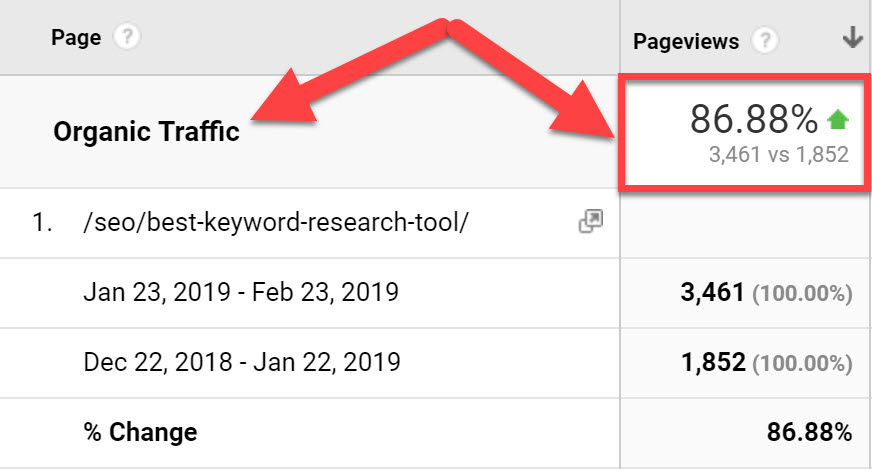
A single well-optimized page can rank for hundreds or thousands of secondary keywords. Use keyword magic tools and semantic grouping to identify related sub-topics, synonyms, and long-tail variations, integrating them naturally into your content to exponentially expand your organic visibility.
12: Embrace a Mobile-First Mindset
With mobile devices generating the vast majority of web traffic, Google utilizes mobile-first indexing. A slow, non-responsive, or mobile-unfriendly website will torpedo your rankings across both mobile and desktop platforms. Regularly audit your web vitals using Google PageSpeed Insights and Search Console’s mobile usability tools.
13: Pay to Play (PPC & Paid Placements)
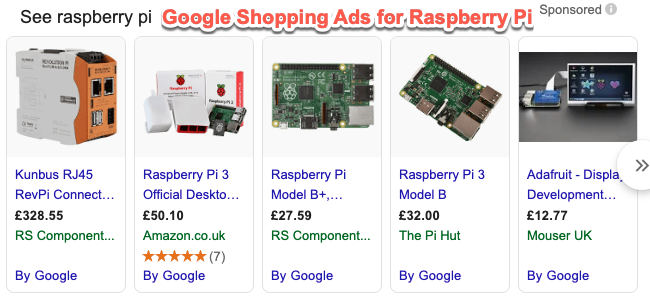
If you cannot wait months for organic SEO to compound, supplement your strategy with paid acquisition. Utilize Google Ads to bid on high-converting keywords immediately, or purchase sponsored placements on established review sites and industry directories to guarantee front-page visibility from day one.

Supporting Context & Metrics
Understanding the statistical realities of search engine optimization helps frame why these 13 strategies are essential.

- The 75% Rule: Data confirms that 75% of search users stop at the end of the first page.
- The Click-Through Value of Position Zero: Studies by Ahrefs demonstrate that capturing a Featured Snippet steals approximately 8.6% of clicks away from the #1 organic position, proving that ranking first is no longer the absolute ceiling of search visibility.
- The Power of Secondary Keywords: In many industries, the primary target keyword accounts for less than 15% of a page’s total organic traffic. The remaining 85%+ is driven by hundreds of semantic, long-tail variations captured through comprehensive content structuring.
Official Statements
Industry leaders and search engine optimization pioneers have long emphasized the necessity of intent alignment and technical excellence. As SEO expert Robbie Richards notes throughout his foundational strategy guides: "You can’t always rank on page one with your own web properties. But this shouldn’t stop your business from getting front page visibility for your most important keywords."

Furthermore, Google’s continuous algorithm updates underscore a singular objective: rewarding content that best satisfies user intent. Whether achieved through direct organic optimization, strategic parasite SEO, or targeted paid advertising, the overarching mandate for digital marketers remains clear—meet the user’s need faster, cleaner, and more comprehensively than anyone else in the SERP.

Future Outlook
As artificial intelligence and machine learning continue to reshape search engine algorithms—evidenced by the rollout of Google’s Search Generative Experience (SGE)—the nature of front-page real estate will evolve even further. Traditional ten-blue-link results are increasingly overshadowed by conversational AI summaries, instant answers, and hyper-personalized local recommendations.

However, the foundational principles outlined in this report will remain timeless. Search engines will always prioritize authoritative links, flawless mobile-first technical performance, rigorous semantic depth, and absolute precision in matching user intent. By mastering these 13 tactical pillars, organizations can insulate their digital presence against algorithmic turbulence and secure a dominant, revenue-generating foothold on Google’s first page for years to come.