

Executive Overview
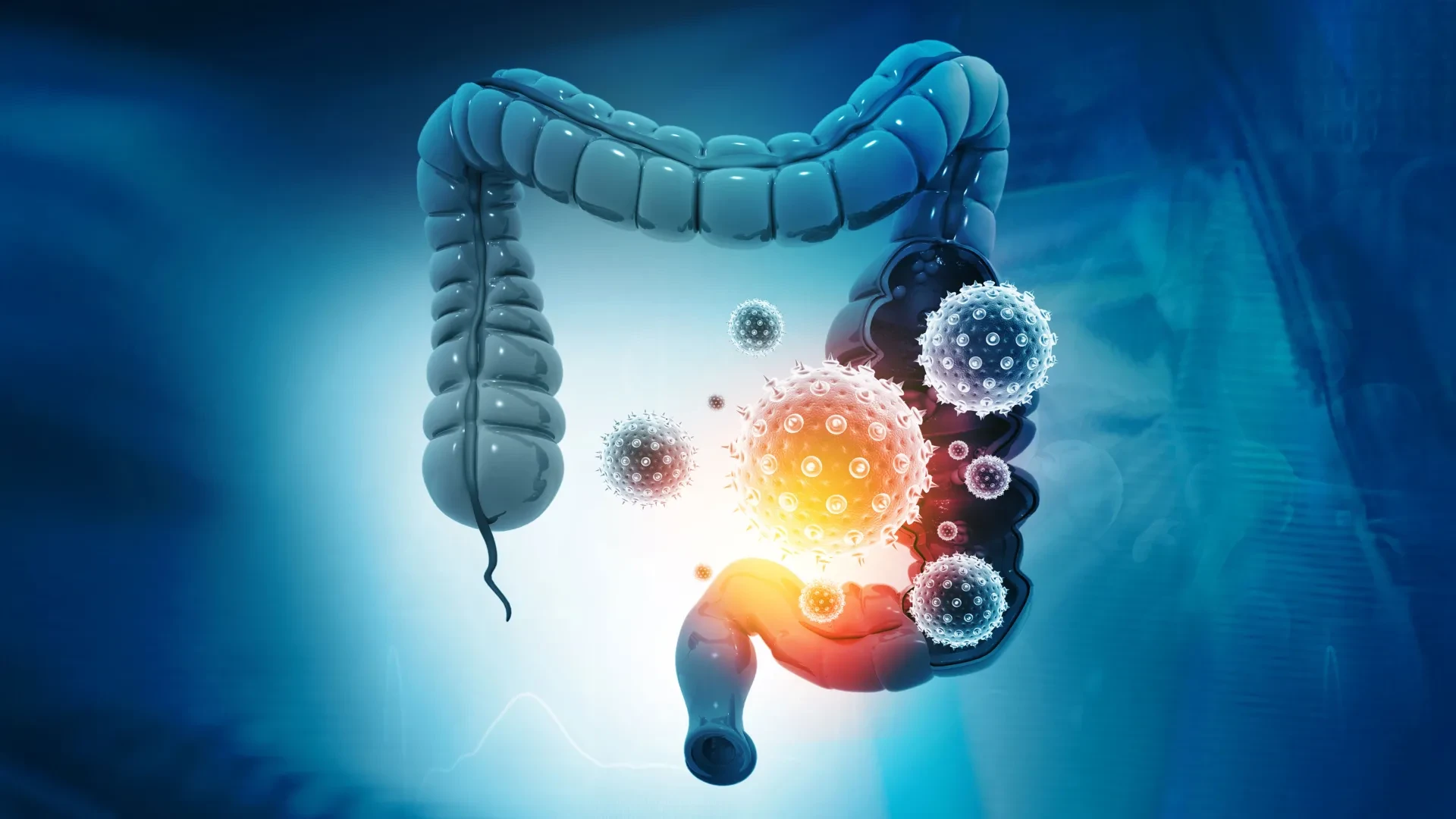
For nearly twenty years, the medical and scientific communities have understood that a prevalent strain of gut bacteria can unleash a destructive toxin capable of degrading the colon’s mucosal lining and accelerating tumor formation. Yet, despite the well-documented association between this microbial agent and colorectal cancer, a fundamental biological mystery persisted: how did the toxin initially attach to intestinal cells to commence its assault?
That persistent blank space in our understanding of cellular biology has finally been filled. In a breakthrough published in the prestigious journal Nature, an international research collaborative led by scientists at the Johns Hopkins Kimmel Cancer Center, the Bloomberg~Kimmel Institute for Cancer Immunotherapy, and the Johns Hopkins University School of Medicine has identified the missing link. The team discovered that a structural protein known as claudin-4 acts as the essential docking port for the Bacteroides fragilis toxin (BFT).
Equally significant to identifying this receptor is what the researchers did next. Leveraging this newly mapped vulnerability, the team engineered a molecular decoy designed to intercept BFT before it ever reaches host cells. In preclinical trials, this intervention successfully shielded mice from the toxin’s tissue-destroying effects. This conceptual leap—shifting the therapeutic objective from repairing colon damage after it occurs to intercepting the pathogen’s very first step—paves the way for entirely new paradigms in colorectal cancer prevention, diagnostics, and treatment.
Detailed Chronology
The Long Hunt for the Missing Receptor (2005–2023)
The trail began long before the recent CRISPR breakthrough. Bacteroides fragilis is a common resident of the human gastrointestinal tract, found natively in the colons of up to 20% of healthy individuals. While harmless in most contexts, certain strains are enterotoxigenic, meaning they secrete BFT.
In a landmark 2009 study published in Nature Medicine, senior author Dr. Cynthia Sears and her colleagues established the foundational link between BFT-producing bacteria, chronic intestinal inflammation, and the acceleration of colorectal tumors. Subsequent investigations revealed that BFT systematically cleaves E-cadherin, a crucial cell-adhesion protein responsible for maintaining the tight junctions between adjacent colon cells. When E-cadherin is broken apart, the gut barrier fractures, triggering localized inflammation and exposing deeper tissues to microbial disruption.
However, a major biochemical paradox remained unresolved. Although BFT systematically dismantled E-cadherin, experimental data showed that the toxin did not bind directly to E-cadherin itself. For well over a decade, researchers suspected an intermediary molecule was guiding the toxin to its target, but repeated attempts using traditional biochemical screening methods failed to unearth it.
The CRISPR Breakthrough
To solve a biological puzzle that had stymied laboratories for years, the Johns Hopkins team changed tactics, partnering with the laboratory of Dr. Matthew Waldor at Harvard Medical School. They deployed CRISPR-Cas9 technology—a revolutionary gene-editing tool capable of systematically silencing individual genes—to conduct a genome-wide screen.
Maxwell White, an M.D./Ph.D. candidate in the Sears laboratory who spearheaded the screening effort, worked alongside colleagues to systematically turn off genes in human colon epithelial cells. Their goal was simple yet exhaustive: determine which specific genetic knockout would render the cells immune to BFT attachment and subsequent damage.
The results of the high-throughput screen were unambiguous. When the gene responsible for producing claudin-4 was disabled, BFT lost its ability to bind to the cells entirely. Without this initial docking event, the toxin remained inert, powerless to reach or cleave E-cadherin. Claudin-4 was definitively identified as the long-sought receptor.
Mapping the Molecule and Building a Decoy
With the receptor identified, the researchers faced an intellectual surprise. Conventional pharmacological wisdom suggested that a protease-based toxin like BFT would target a cellular signaling nexus, such as a G protein-coupled receptor. Instead, it hijacked claudin-4, a protein dedicated to structural integrity rather than cellular signaling. Furthermore, literature reviews confirmed that utilizing a structural claudin protein as an entry gateway represents an entirely unprecedented mechanism for bacterial toxins.
To confirm the physical interaction, the Johns Hopkins team collaborated with structural biologists F. Xavier Gomis-Rüth and Ulrich Eckhard at the Molecular Biology Institute of Barcelona. Using state-of-the-art molecular binding assays, the researchers proved that BFT and claudin-4 lock together to form a stable, tightly bound complex on a strict one-to-one stoichiometric ratio.
Armed with this structural proof, the team conceptualized a defensive strategy: if BFT requires claudin-4 to dock, could they trick the toxin into binding to a harmless substitute instead?
Working alongside the laboratory of Dr. Min Dong at Harvard Medical School—including researcher Kang Wang—the team engineered a soluble molecular decoy featuring claudin-4 sequence elements. When tested in murine (mouse) models, the decoy successfully lured BFT away from the animal’s actual intestinal cells, intercepting the threat and preventing tissue degradation.
Supporting Context & Metrics
The Gut Microbiome and Cancer Etiology
Colorectal cancer remains one of the most diagnosed and lethal malignancies globally. While genetics, diet, and lifestyle play monumental roles in its development, the microenvironment of the gut—specifically its microbial inhabitants—has emerged as a critical variable in oncology.
- Prevalence: Bacteroides fragilis colonizes the gastrointestinal tracts of roughly 1 in 5 healthy individuals worldwide.
- The Enterotoxigenic Subset: Only strains that express the BFT gene drive pathological inflammation and tumor promotion.
- Multicenter Collaboration: The breakthrough represents an international cooperative effort uniting institutions across disciplines, including the Johns Hopkins Kimmel Cancer Center, Harvard Medical School, the Molecular Biology Institute of Barcelona, and Janssen Research and Development.
Comparative Mechanisms: How BFT Differs From Standard Toxins
| Feature | Typical Protease Toxins | Bacteroides fragilis Toxin (BFT) |
|---|---|---|
| Primary Target | Direct interaction with functional signaling cascades or direct intracellular substrates. | Cleaves E-cadherin to compromise gut lining. |
| Receptor Requirement | Often diffuse or non-specific membrane interactions. | Strictly requires claudin-4 as an essential, high-affinity docking receptor. |
| Pathological Outcome | Acute cytotoxicity or localized cell death. | Chronic barrier disruption, persistent inflammation, and tumor promotion. |
Official Statements
The significance of the discovery has resonated deeply throughout the academic and medical research communities.
Dr. Cynthia Sears, Bloomberg~Kimmel Professor of Cancer Immunotherapy, professor of medicine at Johns Hopkins, and senior author of the study, emphasized the long journey required to reach this milestone:
"We’ve made several attempts over time to identify the receptor, so this is an exciting moment. Understanding how bacterial toxins work can open doors to new approaches for detection and therapy for associated diseases, including diarrhea, colorectal cancer and bloodstream infections."
Maxwell White, the M.D./Ph.D. candidate who led the CRISPR screening effort, reflected on the moment the data became clear:
"It took a while to get the assay working and validate the approach, but once we were able to do the screen, claudin-4 was a clear, resounding top hit. That was an exciting moment."
Looking toward the translational future of the discovery, White noted the potential for pharmacological enhancement:
"This approach could be iterated upon with small molecules or other biologics that have better pharmacological properties."
Future Outlook
While the identification of claudin-4 as the BFT receptor and the successful deployment of a molecular decoy in murine models represent monumental scientific strides, significant hurdles remain before these findings can be translated into human clinical care.
1. Structural Resolution at Atomic Scale
Though the physical binding between BFT and claudin-4 has been validated through biochemical assays, researchers have yet to capture a high-resolution, three-dimensional spatial map of the exact interface where the two molecules lock together. Intriguingly, even cutting-edge artificial intelligence models, such as DeepMind’s AlphaFold, have thus far been unable to fully resolve the intricate geometry of this specific protein-protein interaction. Unlocking this atomic-level blueprint will be essential for rational drug design.
2. Progression from Tissue Protection to Tumor Prevention
While the mouse trials successfully demonstrated that the decoy strategy protects intestinal tissue from acute toxin-induced damage, future longitudinal studies must ascertain whether this barrier-protection strategy can actively prevent the long-term initiation and progression of colorectal tumors in living organisms.
3. Pharmacological Optimization
Moving from an engineered soluble protein decoy to a viable human therapeutic requires rigorous pharmaceutical development. Researchers are currently evaluating whether smaller, more stable organic compounds (small molecules) or engineered biologic drugs can be optimized for human pharmacokinetics—ensuring stability during digestion, adequate bioavailability, and minimal off-target immunological effects.
Conclusion
The unmasking of claudin-4 as the gatekeeper for Bacteroides fragilis toxin closes a two-decade chapter of scientific inquiry while opening an entirely new frontier in preventative oncology. By shifting the medical paradigm from repairing gut tissue damage after it occurs to intercepting the pathogen at its very first point of contact, this research offers a compelling roadmap toward novel diagnostics and therapeutics for colorectal cancer and related inflammatory conditions.