

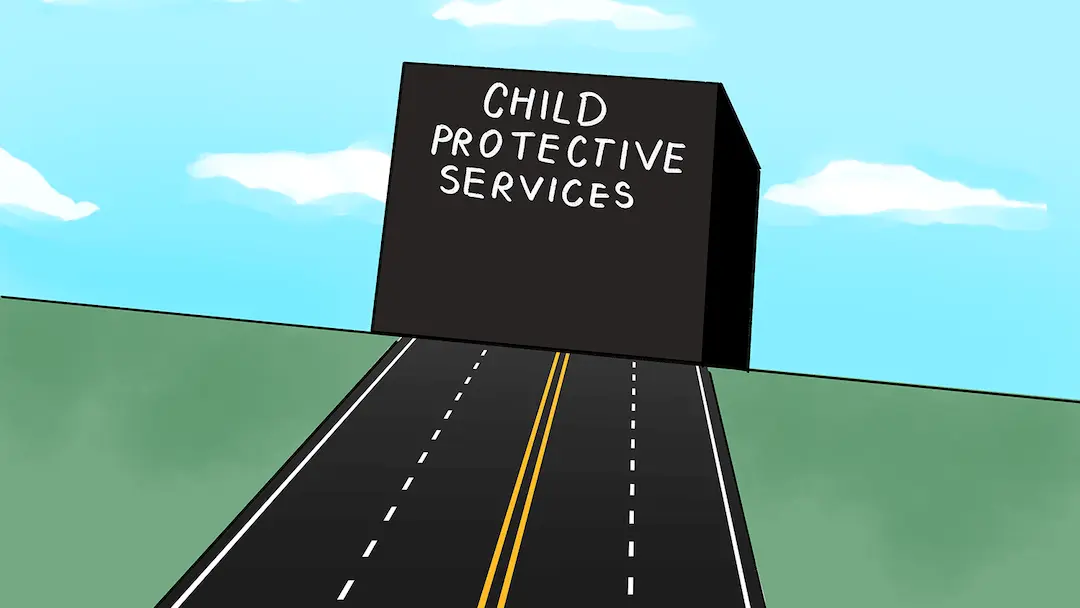
ST. PETERSBURG, Florida — In an era when local newsrooms face unprecedented resource constraints and critical public systems frequently operate behind opaque veils of bureaucracy, The Poynter Institute has announced its response to a pervasive journalistic blind spot. On August 31, 2026, the globally renowned nonprofit journalism organization officially revealed the incoming cohort for Covering Child Welfare: A Journalist’s Guide to Impactful Reporting.
This intensive, tuition-free professional development program is engineered to address a systemic failure in modern media: the treatment of child welfare and foster care as niche, episodic beats rather than the sprawling, high-impact societal pillars they truly are. Supported by generous grants from the Annie E. Casey Foundation and the Insita Group, the initiative equips a diverse, nationwide cadre of journalists with the advanced investigative tools, trauma-informed frameworks, and data-driven methodologies required to permanently elevate coverage of vulnerable children and families.
Running from September 3 through November 12, 2026, the program spans six rigorous live virtual sessions. It brings together 36 accomplished reporters, editors, and producers representing 30 distinct news organizations across the United States. By bridging the gap between novice reporters and seasoned investigative veterans, Poynter aims to foster a new standard of accountability journalism that holds state agencies, private contractors, and judicial systems to account.
Executive Overview: Bridging the Reporting Gap in Vulnerable Systems
The child welfare system in the United States touches the lives of millions of children and families annually, carrying lifelong, generational consequences. From state-run foster care networks and institutional placements to family preservation programs and kinship care dynamics, the decisions made by caseworkers and family courts dictate the trajectories of human lives. Yet, despite the immense stakes, day-to-day media coverage of these systems remains sparse, reactive, and often superficial.
Too frequently, mainstream newsrooms only turn their attention to child welfare during moments of catastrophic failure—such as the preventable death of a child known to caseworkers. These episodic bursts of crisis coverage rarely interrogate the structural underpinnings, systemic racial disparities, chronic understaffing, and legal complexities that govern these institutions.
Covering Child Welfare: A Journalist’s Guide to Impactful Reporting directly confronts this paradigm. The program is intentionally designed to help journalists build sustainable, long-term beats. By teaching participants how to decode complex public records, ethically navigate trauma, protect the privacy of minors, and cultivate trusted sources within guarded bureaucracies, Poynter is laying the groundwork for a renaissance in investigative reporting on social services.
Detailed Chronology: Structuring the 2026 Intensive Training Program
The 2026 curriculum has been meticulously crafted to guide journalists through every phase of investigative reporting—from conceptualizing an investigation to publishing sensitive stories with empathy and accuracy.
Phase One: Foundations and Systemic Literacy (September – Early October)
The program kicks off with foundational modules that demystify the architecture of child welfare systems. Participants learn how federal funding streams (such as the Title IV-E prevention services) interact with state-level administrative bodies. Led by program co-leads Fernanda Camarena and Steve Volk, the initial sessions focus on teaching reporters how to map the jurisdiction of local agencies, understand the legal definitions of abuse and neglect, and recognize the systemic factors—such as poverty, housing insecurity, and systemic racism—that disproportionately funnel families of color into the child welfare pipeline.
Phase Two: Data, Records, and Investigative Craft (Mid-October)
As the cohort moves into the heart of the program, the focus shifts heavily toward technical reporting skills. Journalists are trained in obtaining and analyzing public records, navigating Freedom of Information Act (FOIA) requests, and overcoming common roadblocks erected by state agencies citing privacy laws (such as the Child Abuse Prevention and Treatment Act, or CAPTA). Participants learn how to utilize statistical data to identify systemic trends, track spending, measure agency performance, and hold public officials accountable for systemic failures rather than writing off tragedies as isolated incidents.
Phase Three: Trauma-Informed Ethics and Impactful Storytelling (Late October – November 12)
The final weeks of the program delve deeply into the ethics of storytelling. Reporting on children and families navigating state intervention requires an extraordinary degree of care. The curriculum emphasizes trauma-informed interview techniques, ensuring that reporters do not re-traumatize sources or sensationalize human suffering. Furthermore, the sessions explore the immense power of narrative framing, challenging reporters to examine how their editorial choices influence public perception, policy reform, and the dignity of the individuals whose lives they document.
Supporting Context & Metrics: The 2026 Cohort Snapshot
The scope and ambition of the 2026 program are best reflected in its participants. This year’s cohort is composed of 36 journalists hailing from 30 prominent newsrooms and independent media outlets spanning the United States. The roster represents a powerful mix of local, regional, and national platforms across print, digital, television, and public broadcasting media.
The 2026 Participating News Organizations:
- 3TV/CBS 5 Arizona’s Family — Phoenix, AZ
- ABC15 — Phoenix, AZ
- ABC7 News San Francisco — San Francisco, CA
- Bay City News Foundation — San Francisco, CA
- BK Reader — Brooklyn, NY
- CBS News Philadelphia — Philadelphia, PA
- Chicago Tribune — Chicago, IL
- Colorado Public Radio — Denver, CO
- Democrat and Chronicle — Rochester, NY
- The Detroit News — Detroit, MI
- Independent / Freelance — Atlanta, GA
- Illinois Answers Project / Better Government Association — Chicago, IL
- inewsource — San Diego, CA
- Georgia Recorder — Atlanta, GA
- Her Agenda — New York, NY
- Houston Chronicle — Houston, TX
- KLAS-TV — Las Vegas, NV
- MLK50: Justice Through Journalism — Memphis, TN
- Mirror Indy — Indianapolis, IN
- NBC Connecticut — West Hartford, CT
- PennLive — Harrisburg, PA
- Regent University — Virginia Beach, VA
- The Seattle Times — Seattle, WA
- Stateline / States Newsroom — Washington, DC
- Tampa Bay Times — St. Petersburg, FL
- The City Reporter — New York, NY
- The Imprint — Los Angeles, CA
- The Monitor — Boulder, MT
- The Philadelphia Inquirer — Philadelphia, PA
- The Tennessean — Nashville, TN
- USA TODAY Network — McLean, VA
This geographic and institutional diversity ensures that reporting strategies learned in the virtual classroom will be rapidly deployed in communities coast-to-coast, touching urban centers, suburban counties, and rural jurisdictions alike.
Official Statements: Leadership Perspectives on the Mission Ahead
The leadership driving the 2026 cohort brings decades of frontline investigative experience and pedagogical expertise to the table.
Fernanda Camarena, a distinguished Poynter faculty member and co-lead of the program, emphasized the deep dedication and collaborative spirit of the incoming journalists.
"I know this is a group of journalists who want to get this reporting right," Camarena noted. "Covering child welfare is complicated, and there are no easy answers. Journalists are coming willing to learn how to ask hard questions, and also willing to listen and learn from each other. And because they’re from different newsrooms, perspectives and different parts of the country, they’re all bringing different experiences."
Camarena further underscored the weight of daily editorial decision-making, noting that every step of the reporting process shapes public understanding:
"There are so many decisions journalists make along the way that matter, from the moment an editor decides to assign a story, to a reporter choosing sources to interview. Each decision affects how the story comes out, and how an audience perceives it. In this program, we tackle all of that."
Co-lead Steve Volk, an accomplished freelance investigative journalist, media consultant, and trainer with extensive experience covering the foster care system, expressed enthusiasm for the unique makeup of the group.
"I’m excited to see such a diverse group of journalists from all over the country, with a mix of direct experience reporting on child welfare and those newly interested," Volk said. "We’ll have a lot of experience in the group and fresh eyes, too."
Volk stressed that the ultimate goal of the training is to dismantle the marginalization of social service reporting within the media landscape.
"The whole purpose behind this course for me is to expand coverage of what has traditionally been treated as a niche topic. The child welfare and foster care system affects millions of people per year, with lifelong consequences, but most media examines it sparingly, if at all. This system is difficult to report on, but we’ve got tips and resources to make it easier."
Future Outlook: Sustaining Accountability Journalism in Local News
As the six-week intensive program unfolds through the autumn of 2026, the ripple effects are expected to reverberate across local and national media ecosystems for years to come. By equipping reporters with the tools to sustain dedicated beats, Poynter is directly countering the hollowing-out of investigative desks across American newsrooms.
The challenges facing the child welfare system—ranging from post-pandemic trauma and severe mental health crises among youth to workforce shortages among caseworkers—demand rigorous, unyielding watchfulness. When local newspapers, digital startups, public radio stations, and television networks are empowered to look past press releases and interrogate administrative data, vulnerable populations gain a vital voice in the public square.
Through the ongoing support of philanthropic partners like the Annie E. Casey Foundation and the Insita Group, The Poynter Institute continues to solidify its role as the gold standard in journalistic training. By investing in the journalists who investigate society’s most vulnerable systems, Poynter is not only strengthening the integrity of the free press but also fostering a more transparent, accountable democracy.
About The Poynter Institute
The Poynter Institute is a global nonprofit organization dedicated to addressing society’s most pressing issues by teaching journalists and advancing the craft of journalism. Through professional training, media analysis, community building, and institutional support, Poynter works to improve the capacity, sustainability, and ethical standards of news organizations worldwide.
The Institute serves as a convening space where journalists, newsrooms, technology platforms, and citizens collaborate to foster trust, transparency, and high-quality public discourse. Home to renowned entities such as the Newmark Ethics Center, the International Fact-Checking Network (IFCN), MediaWise, and PolitiFact, Poynter remains a steadfast champion of the U.S. First Amendment and the preservation of a robust, independent press.