

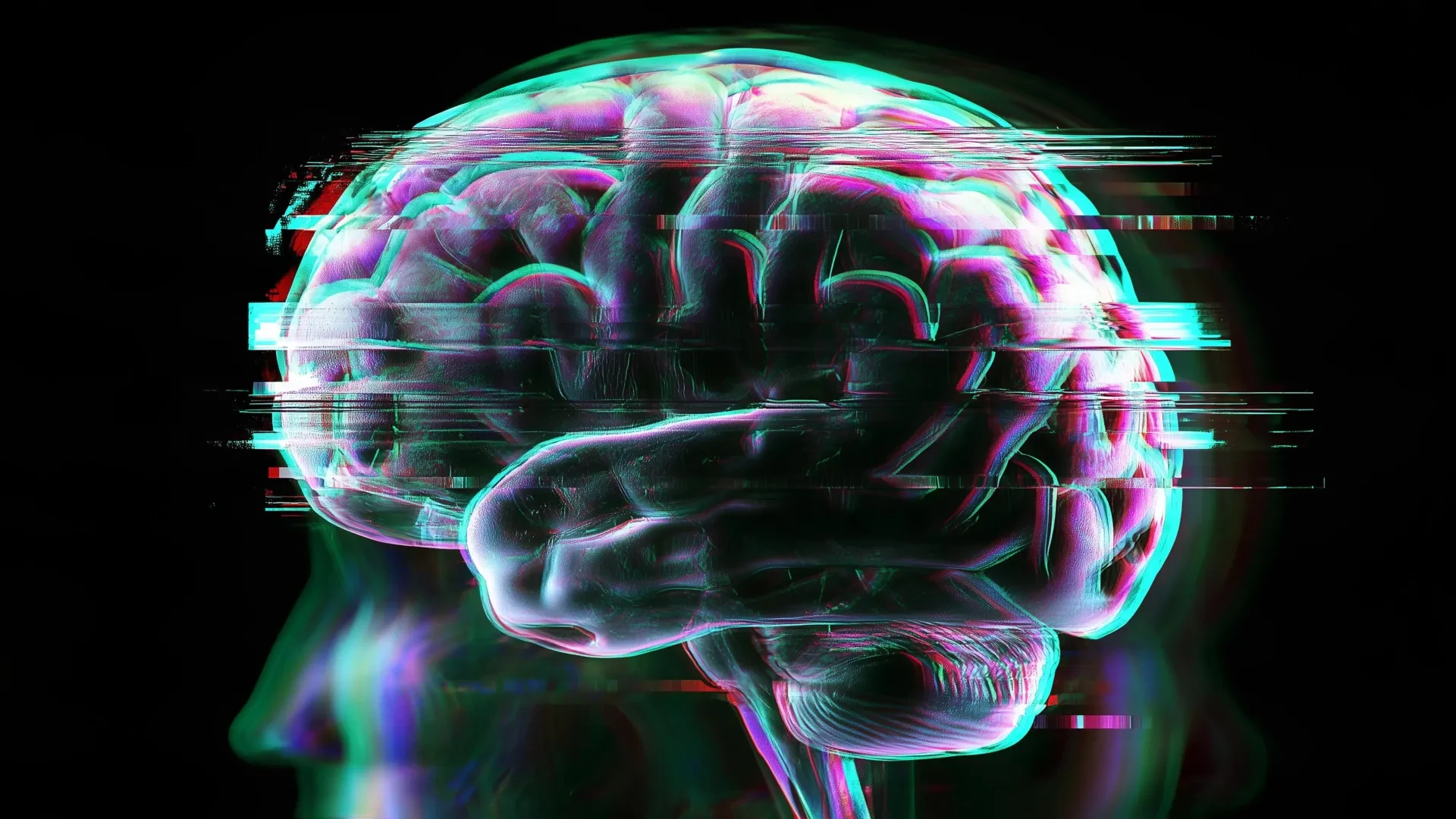
In a landmark neurological study that could rewrite the global clinical approach to post-viral syndromes, researchers at the Centre for Addiction and Mental Health (CAMH) have unveiled what is widely considered the most compelling physical evidence to date regarding the neurological underpinnings of long COVID. Published in the peer-reviewed journal eBioMedicine, the investigation reveals a direct association between long-term post-COVID complications and structural damage to dopamine-releasing neurons within the human brain.
For the estimated 5 percent of the global population—and roughly two million Canadians—grappling with the lingering, debilitating aftermath of SARS-CoV-2 infections, these findings offer a profound validation. For years, patients have navigated a frustrating landscape of invisible symptoms, often facing skepticism regarding the physiological reality of their conditions. Common neurological and psychological complaints—such as profound, fatigue-driven loss of motivation, psychomotor slowing, and severe cognitive fragmentation—now have a tangible, measurable biological anchor.
By utilizing advanced positron emission tomography (PET) neuroimaging, the CAMH research team has mapped structural deficits in the striatum, the brain’s central hub for regulating motivation, movement, and executive thought processes. This depletion of dopamine nerve terminals does not merely correlate with patients’ subjective complaints; it mirrors neurological injury patterns previously documented in distinct, progressive neurodegenerative pathologies.
Crucially, this breakthrough bridges the gap between earlier hypotheses centered on systemic and neuro-inflammation and the actual functional decline of neural networks. By isolating the dopamine system as a primary casualty of post-acute sequelae of COVID-19 (PASP), the scientific community is now poised to shift from purely supportive care models to targeted pharmaceutical interventions. With a newly announced clinical trial slated to test dopamine-augmenting therapies, this study marks a decisive transition from documenting the collateral damage of a pandemic to actively engineering therapeutic solutions for millions of chronically ill individuals.
Detailed Chronology: Unraveling the Neural Footprint of SARS-CoV-2
The path leading to this pivotal discovery represents a methodical, multi-stage epidemiological and neuroscientific crusade. To fully appreciate the weight of the eBioMedicine publication, one must trace the evolution of how researchers dissected the neuro-invasive and neuro-inflammatory capabilities of the SARS-CoV-2 virus from the earliest days of the pandemic through to the present day.
Phase I: The Emergence of the Post-Viral Enigma (2020–2021)
In the wake of the initial global waves of COVID-19, clinicians worldwide noted a peculiar, stubborn subset of patients who failed to return to baseline health. While acute respiratory manifestations dominated early medical literature, a secondary wave of presentations emerged characterized by persistent exhaustion, cognitive deficits colloquially termed "brain fog," executive dysfunction, and pervasive anhedonia.
Epidemiologists quickly classified this as "long COVID," a multi-system condition lingering for three months or longer post-infection. However, diagnosing and treating neurological manifestations proved extraordinarily difficult. Standard structural neuroimaging modalities—such as routine magnetic resonance imaging (MRI) and computed tomography (CT) scans—frequently returned completely normal results for patients experiencing debilitating cognitive decline. This diagnostic vacuum fostered a pervasive clinical skepticism, leaving patients isolated and forcing the medical community to rely on palliative symptom management without a mechanistic understanding of the underlying pathology.
Phase II: The Discovery of Central Nervous System Inflammation (2021–2023)
Recognizing the urgent need for objective biomarkers, leading neuroimaging centers—including CAMH under the leadership of Senior Scientist Dr. Jeffrey Meyer—began deploying molecular imaging techniques to search for hidden pathology. The team’s initial breakthrough centered on neuro-inflammation.
Utilizing specialized PET radiotracers designed to bind to translocator protein (TSPO), a marker of activated microglia (the brain’s resident immune cells), the researchers uncovered unusually high levels of neuro-inflammation in patients suffering from long COVID. Notably, this hyper-inflammatory state was not uniformly distributed across the brain; it was disproportionately concentrated in specific subcortical structures rich in dopamine-releasing neurons.
While this discovery established that the central nervous system remained inflamed long after the acute infection cleared, it left a critical question unanswered: Did this localized inflammation cause actual cellular damage, or was it merely a transient immune response?
Phase III: Pinpointing Neuronal Injury via Molecular Imaging (2023–2025)
To answer this lingering question, Dr. Meyer’s team initiated the precise neuroimaging protocol that culminated in the current eBioMedicine study. Moving beyond general markers of inflammation, the researchers deployed PET imaging to measure a specific, well-established molecular marker linked directly to the health, density, and integrity of dopamine nerve terminals.
By comparing long COVID cohorts against meticulously matched healthy control subjects, the research team quantified the concentration of this marker across all major subdivisions of the striatum. The results were stark: subjects with long COVID exhibited substantially lower marker levels across the board, indicating a quantifiable reduction in dopamine nerve terminal density. Furthermore, distinct anatomical patterns of depletion directly mirrored specific clinical symptoms reported by the patients, establishing a direct causal bridge between molecular loss and human suffering.
Supporting Context & Metrics: The Anatomy of Dopamine Depletion
To understand the profound clinical implications of the CAMH study, one must examine the neurobiological architecture of the striatum and evaluate the statistical metrics governing the prevalence and impact of long COVID.
The Striatum: The Brain’s Command Center for Drive and Action
The striatum is a subcortical nucleus of the basal forebrain that forms the primary input zone of the basal ganglia. Functionally, it acts as a grand central station for integrating information related to motor control, reward processing, reinforcement learning, and executive decision-making. The striatum is subdivided into functional zones, each corresponding to the specific clinical deficits documented in long COVID patients:
- The Ventral Striatum: Heavily implicated in the brain’s reward circuitry and motivation pathways. The study found that lower marker levels in this specific region correlated directly with a severe, debilitating loss of motivation and anhedonia in patients.
- The Dorsal Putamen: Essential for the execution and regulation of motor programs. Reductions in dopamine terminal density here mapped precisely to observed psychomotor slowing—the physical sluggishness and delayed movement reported by sufferers.
- The Caudate Putamen: Integral to cognitive processing, working memory, and goal-directed behavior. Depletion in this sector connected directly to the severe memory difficulties and cognitive fragmentation characteristic of "brain fog."
+-----------------------------------------------------------------+
|              STRATIGRAPHIC BREAKDOWN OF STRIATAL DAMAGE         |
+---------------------+-------------------------------------------+
| Brain Region        | Associated Long COVID Clinical Symptom    |
+---------------------+-------------------------------------------+
| Ventral Striatum    | Loss of Motivation / Anhedonia            |
| Dorsal Putamen      | Psychomotor Slowing / Motor Delays        |
| Caudate Putamen     | Memory Deficits / Cognitive Fragmentation |
+---------------------+-------------------------------------------+
Epidemiological Scope and Public Health Metrics
The global footprint of long COVID represents a staggering public health challenge:
- Global Prevalence: Current estimates suggest that long COVID affects approximately 5 percent of the global population.
- National Impact: In Canada alone, an estimated two million individuals live with the chronic, multi-system sequelae of the virus.
- Symptom Longevity: By definition, symptoms persist for a minimum of three months post-infection, though longitudinal data indicates many sufferers remain incapacitated years after their initial encounter with SARS-CoV-2.
- Therapeutic Void: Prior to this investigation, zero evidence-based, mechanism-targeted pharmacological treatments existed specifically for the neurological manifestations of long COVID, leaving physicians to rely on off-label symptom masking.
Official Statements and Lived Experience Perspectives
The gravity of the CAMH findings has resonated deeply across both academic neuroscience communities and patient advocacy networks, highlighting a rare synergy between empirical discovery and lived reality.
Academic and Scientific Leadership
Dr. Jeffrey Meyer, Senior Scientist at the CAMH Brain Health Imaging Centre, Canada Research Chair, and senior author of the study, emphasized the definitive nature of the work during a press briefing following the publication.
"Our findings provide compelling evidence that long COVID involves the loss of dopamine-releasing neurons," stated Dr. Meyer. "This kind of injury is well known to produce symptoms like lack of motivation and motor slowing, and may contribute to memory difficulties in other neurological conditions. Our results suggest a similar process is occurring in long COVID."
Connecting the dots between his team’s sequential studies on inflammation and neuronal degradation, Dr. Meyer underscored the mechanistic cascade at play:
"We know that inflammation can injure dopamine neurons. While our earlier research showed high levels of inflammation in those regions, this study provides direct evidence that the dopamine neuron marker is reduced in the same regions—and that this loss correlates with patients’ symptoms."
Looking toward the immediate therapeutic horizon, Dr. Meyer reframed the medical identity of the condition itself:
"These results indicate that long COVID is, at least in part, a disorder of the brain’s dopamine system. This suggests that repurposing medications that augment the function of dopamine-releasing neurons, including dopamine precursors and inhibitors of dopamine metabolism, could be a promising approach."
The Patient Voice: Validation After Years of Doubt
For millions of patients, the validation offered by hard neuroimaging data cannot be overstated. Susan Deuville, a lived experience research advisor who worked alongside Dr. Meyer, shared her personal narrative of surviving long COVID since contracting the virus in 2021:
"For five years I have been seeking answers on what happened to me after I contracted COVID in 2021," recounted Deuville. "It was a crushing loss of the life I had and the person I was before. The research of Dr. Meyer brings hope. It also validates what long COVID sufferers have always known—long COVID is real and the effects are devastating."
Deuville’s testimony underscores a dark chapter in modern medicine where psychological dismissals frequently compounded physiological injury. By providing an objective, scan-verified blueprint of neural damage, the CAMH study dismantles the psychosomatic narrative once and for all.
Future Outlook: The Upcoming Clinical Trial and Therapeutic Horizons
With the publication of these findings in eBioMedicine, the trajectory of long COVID research has pivoted sharply from diagnostic characterization to interventional trial design. The implications extend far beyond academic journals, promising tangible relief for populations that have exhausted standard rehabilitation protocols.
Upcoming Clinical Trial Architecture
Capitalizing on the insight that long COVID functions, in part, as a dopamine-deficiency syndrome, the CAMH research team is wasting no time. In direct collaboration with the University Health Network (UHN)—operating under an institutional partnership specifically engineered to bridge the historically siloed domains of mental and physical health care—the researchers are preparing to launch a targeted clinical trial within the next couple of months.
- Primary Objective: To evaluate whether pharmacological agents designed to augment dopamine function can successfully reverse or ameliorate the core functional deficits of long COVID.
- Target Symptoms: The trial will specifically measure patient outcomes concerning the restoration of working memory, the resurgence of motivational drive, and the mitigation of profound, chronic fatigue.
- Candidate Therapeutics: While official trial protocols will detail exact compounds, researchers have pointed toward established drug classes such as dopamine precursors and metabolic inhibitors that regulate dopamine degradation—agents safely utilized in other neurological contexts that can now be rapidly repurposed for post-viral syndromes.
Broader Implications for Neuro-Infectious Medicine
Beyond the immediate scope of the upcoming clinical trial, this study establishes a vital precedent for how the medical community investigates post-acute infection syndromes. Historically, conditions such as myalgic encephalomyelitis/chronic fatigue syndrome (ME/CFS) and post-treatment Lyme disease syndrome have suffered from a lack of biological markers.
By demonstrating that a systemic viral infection can trigger sustained central nervous system inflammation leading to discrete, localized dopaminergic neurodegeneration, the CAMH methodology provides a template for investigating other infection-triggered neurological disorders.
As funding bodies—such as the Canadian Institutes of Health Research (CIHR), which supported this work—direct resources toward mechanism-based clinical trials, the medical landscape enters a new era. For the millions navigating the shadow of long COVID, the fog of uncertainty is finally beginning to clear, replaced by the hard light of empirical science and the concrete promise of targeted medical restoration.