

In the hyper-competitive landscape of contemporary speculative fiction, few authors command the distinct, high-octane intersection of dark fantasy and visceral horror quite like Chuck Wendig. This October, Wendig has officially stepped back into the literary ring with the launch of his highly anticipated new novel, The Calamities—the opening salvo in a planned duology under his Fiends series banner.
The rollout of The Calamities has been nothing short of explosive. Propelled by a dense cocktail of sharp-edged family drama, supernatural underworld dealings, and Wendig’s signature tactile world-building, the novel has rapidly secured critical validation from major cultural arbiters. From landing a coveted spot on Esquire’s prestigious Halloween reading list to receiving glowing endorsements from fellow literary heavyweights like Veronica Roth and a stellar appraisal from Booklist, The Calamities has established itself as an essential title of the autumn literary season.
Simultaneously, Wendig has taken his work directly to the readership, embarking on an intensive multi-city promotional tour across the Northeastern United States and Canada. This report provides a comprehensive, chronologically structured investigation into the launch of The Calamities, analyzing its critical reception, thematic underpinnings, authorial statements, and the operational footprint of its promotional campaign.
Detailed Chronology: The Road to The Calamities
The arrival of The Calamities represents a significant milestone in Wendig’s bibliography, bridging his established reputation for gritty storytelling with an expansive new supernatural framework. The chronology of the book’s release, critical wave, and ongoing authorial tour outlines a masterclass in modern book-launch logistics and audience engagement.
Phase One: Critical Validation and Media Penetration
As the publishing industry transitioned into its peak autumn window—traditionally dominated by horror, thriller, and speculative releases—The Calamities immediately captured the attention of mainstream culture critics.
- Esquire’s Halloween Horror Spotlight: In early October, Esquire published its highly anticipated guide to the "10 Horror Books They’re Reading For Halloween." The Calamities secured a prominent placement, with critics succinctly summarizing its cross-genre appeal as Succession meets The Omen. While playful, the comparison underscores the novel’s core DNA: a toxic, high-stakes corporate-style dynasty operating within a macabre, supernatural theater.
- The Veronica Roth Endorsement: In a notable crossover of young adult and adult speculative royalty, bestselling author Veronica Roth (renowned for the Divergent series and When Among Crows) publicly recommended The Calamities via Elle. The endorsement served as a vital bridge, funneling crossover readers into Wendig’s dark fantasy ecosystem.
- The Booklist Seal of Approval: Trade reviews set a foundational layer of literary credibility. Booklist published a glowing review praising the novel as "Wendig at his very best," highlighting the intricate, tactile world-building and the seamless blending of horror and dark fantasy elements that populate the novel’s otherworldly landscape.
Phase Two: The Fall 2026 Tour Circuit
To capitalize on the critical momentum, Wendig mobilized an aggressive, boots-on-the-ground author tour spanning mid-October. Designed to foster direct community connection with readers, the tour itinerary features intimate bookstore events, collaborative panel appearances, and major speculative fiction conventions:
- October 13, 2026 – Concord, New Hampshire: Wendig kicked off the core of his tour at Gibson’s Bookstore, appearing alongside acclaimed author Delilah S. Dawson for a joint reading and discussion.
- October 14, 2026 – Burlington, Vermont: Maintaining the collaborative momentum, Wendig and Dawson traveled north to Phoenix Books in Burlington for a deep-dive conversation exploring The Calamities alongside Dawson’s creative ecosystem.
- October 16–18, 2026 – Ottawa, Canada: Shifting scales from independent bookstores to a major convention environment, Wendig anchored his presence at Can*Con (Conference on Canadian Content in Speculative Arts), engaging directly with international fans, aspiring writers, and industry professionals.
- October 20, 2026 – Rhinebeck, New York: Concluding the primary regional push, Wendig appeared at Oblong Books alongside author Sam Rebelein to discuss the intricacies of the new novel.
Supporting Context & Metrics: Decoding The Calamities
To fully understand the cultural footprint of The Calamities, one must examine the narrative mechanics that have earned the novel its comparisons to prestige television and dark literary fantasy.
Narrative Architecture and Thematic Core
At its heart, The Calamities introduces readers to a chilling economic and spiritual reality: souls are an exploitable commodity traded on an open, albeit subterranean, market. The narrative anchors itself around the Maynes dynasty, a wealthy and powerful lineage that effectively controls the underworld of soul trading.
However, dynastic control is complicated by generational friction. The primary narrative engine is driven by Mourning, the designated heir to the Maynes fortune. Unlike his ruthless forebears, Mourning exhibits a profound alienation from his family’s predatory empire. Pushed to his limits by a demanding father who seeks to force him back into the corporate-occult fold, Mourning must navigate a treacherous landscape of internal rebellion.
Will he forge alliances with factions dedicated to toppling the Maynes monopoly, or will the gravitational pull of his dark legacy consume him? This moral ambiguity and familial rot are precisely why industry critics have pointed to the novel as a project with inherent prestige television potential—a dark family drama custom-built for high-end adaptation platforms like HBO.

Critical Reception Metrics
Quantitative and qualitative markers underscore the successful market penetration of The Calamities:
- Cross-Demographic Appeal: The simultaneous capture of mainstream lifestyle press (Esquire, Elle) and traditional trade review bodies (Booklist) indicates a rare dual-market success, appealing to both horror purists and literary fiction enthusiasts.
- Duology Foundation: As Book 1 in a planned duology (the Fiends series), the critical consensus confirms that the world-building is robust enough to sustain a multi-volume narrative without suffering from "middle-book syndrome" or weak foundational pacing.
Official Statements & Authorial Commentary
Chuck Wendig’s public communications regarding the launch of The Calamities reflect his trademark blend of self-deprecating humor, urgent plea-bargaining for reviews, and genuine gratitude toward his readership.
Addressing his audience across his digital platforms, Wendig framed the release with characteristic wit, noting that the book requires immediate attention and review lest he "die unrecognized in the abyss." This hyperbole masks a genuine publishing reality: in an era of algorithmic saturation, independent author visibility and early reviews are the lifeblood of mid-list and major-release momentum alike.
Reflecting on the reception of the book, Wendig expressed profound appreciation for the community supporting his work, playfully acknowledging every corner of his fandom—ranging from traditional literary critics to the affectionately dubbed "weird hat" demographic whose fingers smell faintly of snack chips.
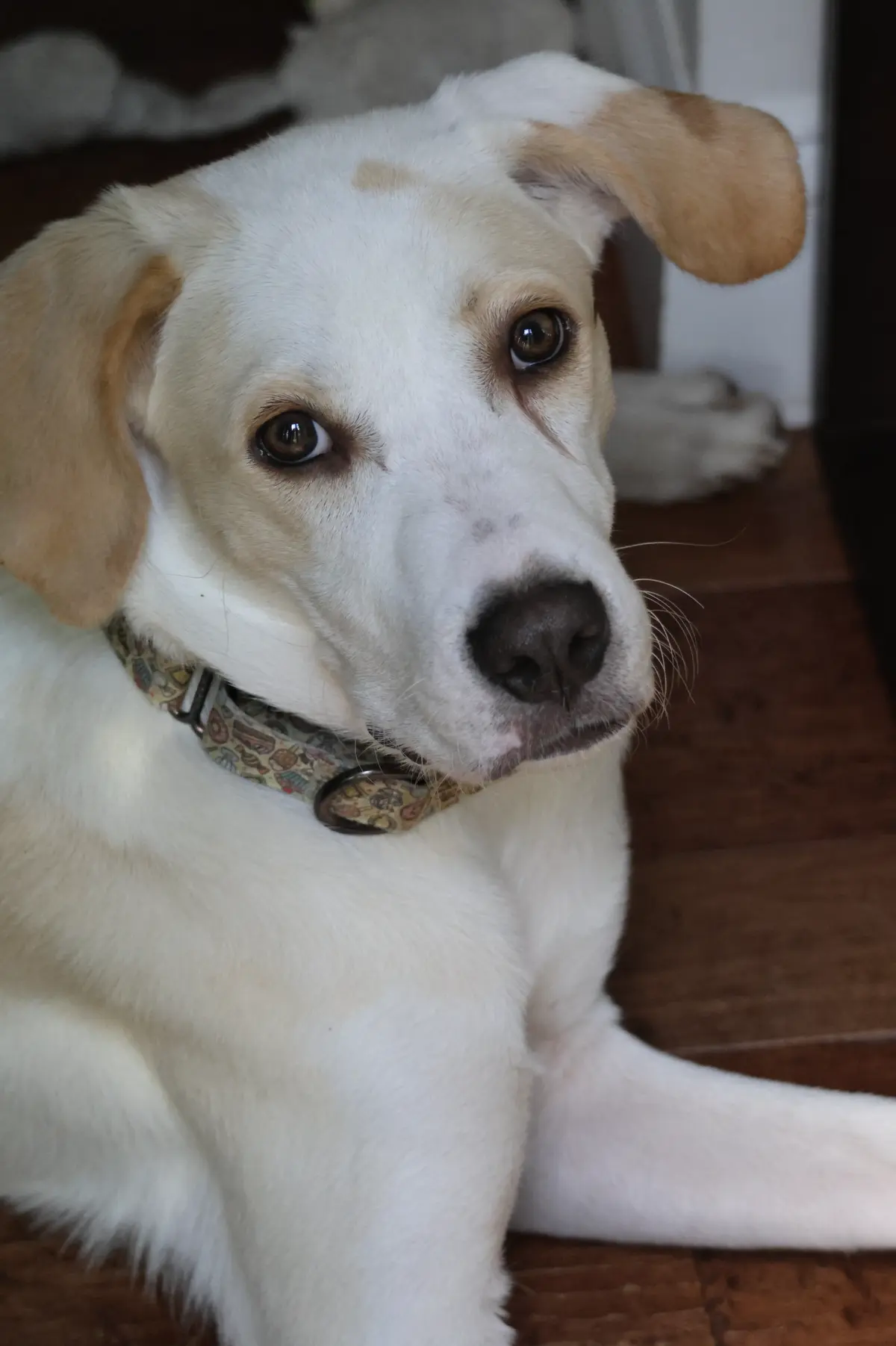
Furthermore, maintaining a beloved tradition of balancing professional literary updates with canine appreciation, Wendig officially paid the internet’s mandatory "Puppy Tax" by sharing extensive photo content of his dog, Cooper, ensuring that his digital updates remain as grounded in wholesome domesticity as they are anchored in dark, macabre storytelling.
Future Outlook: The Horizon of the Fiends Series
As the dust settles on the initial release week and the cross-country tour hits its final waypoints, the trajectory for Chuck Wendig and the Fiends universe appears exceptionally bright.
What Lies Ahead for Book 2
With The Calamities establishing the rules, players, and geographic boundaries of a world where souls are traded like commodities, the inevitable sequel will bear the burden of escalation. If Book 1 focuses on Mourning’s internal resistance and the preliminary fracturing of the Maynes family dynasty, Book 2 will undoubtedly test the durability of his alliances. The structural integrity of the duology relies heavily on whether Mourning’s nascent rebellion can successfully dismantle the underworld monopoly or whether the dynasty’s dark gravity will permanently corrupt him. Given Wendig’s penchant for uncompromising, high-stakes narrative resolutions, readers should anticipate a volatile and emotionally devastating conclusion in the forthcoming sequel.
The Broader Speculative Landscape
Beyond the immediate scope of the Fiends series, Wendig’s successful launch serves as a bellwether for the horror-fantasy hybrid genre. As audiences increasingly crave narratives that merge contemporary socio-economic anxieties (such as corporate corruption and inherited wealth, reminiscent of Succession) with supernatural, mythic horror, authors like Wendig are leading the charge.
The critical validation from outlets like Esquire and tastemakers like Veronica Roth proves that speculative fiction is shedding any lingering marginalization, stepping confidently into the center of the literary zeitgeist. For Wendig, The Calamities is not merely another book on a long bibliography; it is a definitive statement on the enduring power of dark, character-driven storytelling executed at the absolute peak of an author’s creative powers.