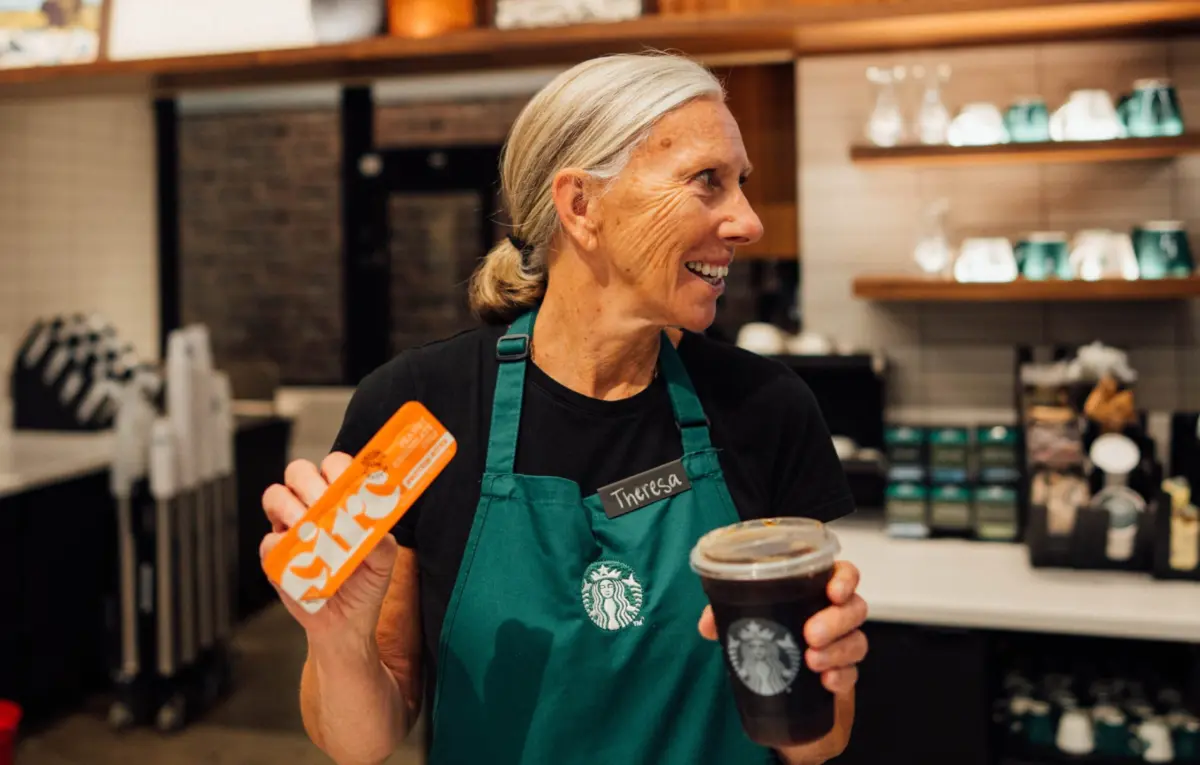
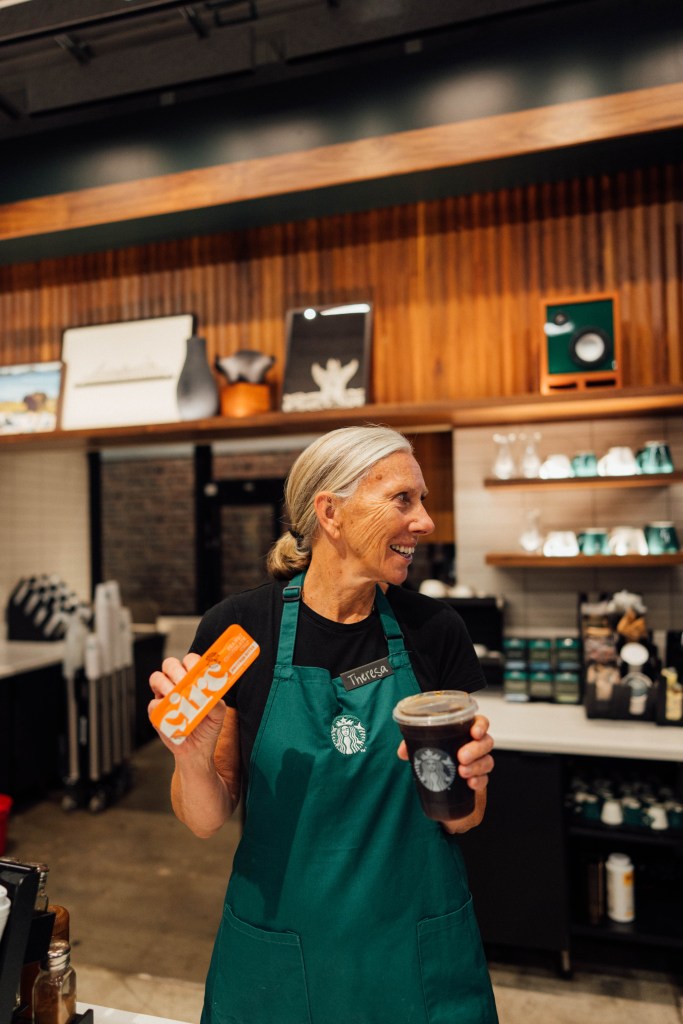
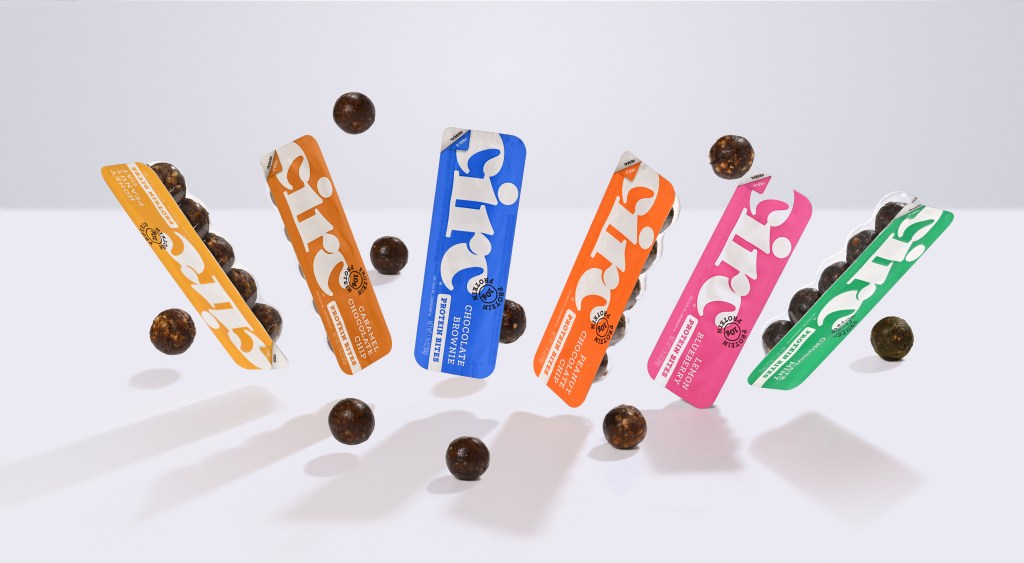
In the hyper-competitive landscape of consumer packaged goods (CPG), few founders possess the rare combination of manufacturing mastery, deep industry tenure, and radical consumer intuition required to build a nationwide brand from scratch. Enter Theresa Burnley, a 65-year-old entrepreneur based in Milford, New Hampshire, whose journey serves as a masterclass in modern food entrepreneurship.
For 16 years, Burnley operated quietly behind the scenes as the owner of Wiley Road Foods, a manufacturing powerhouse that created and produced unusual, clean-label baked goods for industry heavyweights such as Trader Joe’s and Milk Bar. Yet, despite her business’s success, Burnley harbored a lingering ambition: to build an independent, consumer-facing natural food brand alongside her family.
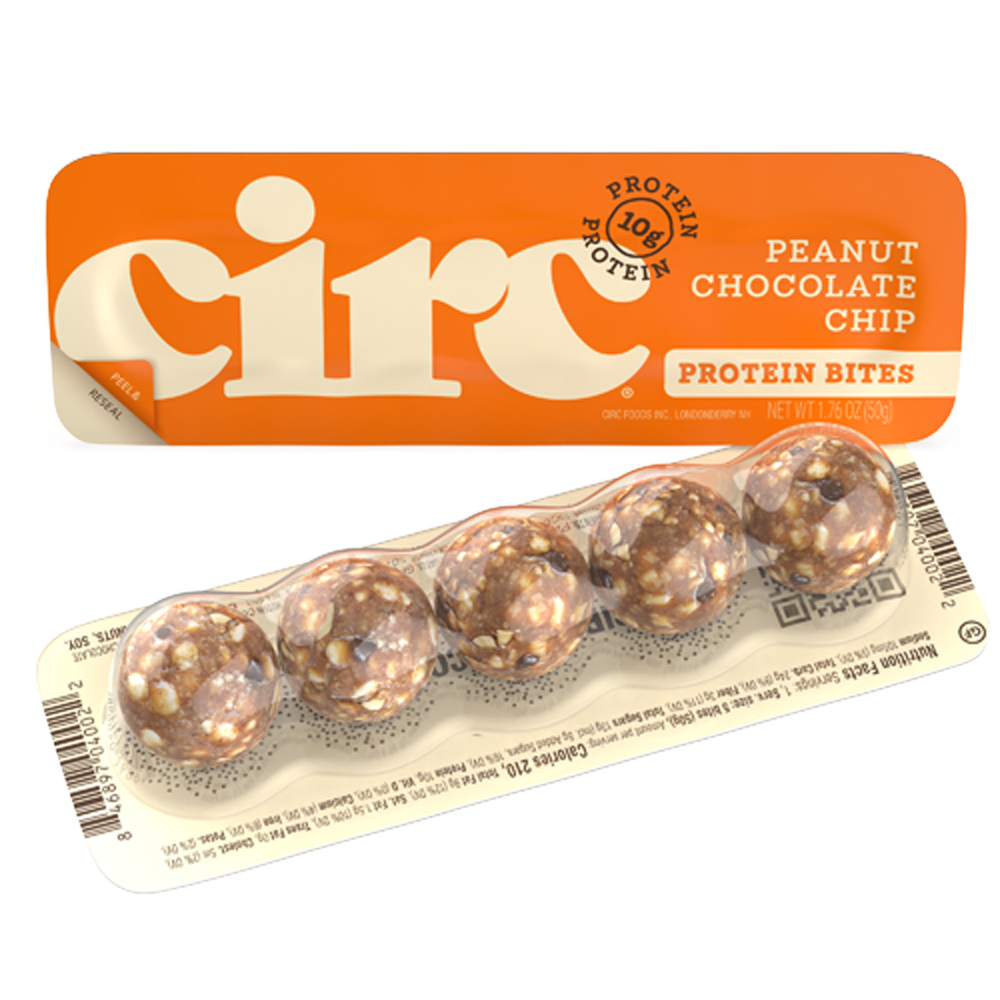
In 2023, while still running Wiley Road Foods, Burnley launched Circ—a line of innovative protein bites designed to disrupt the stagnant, archaic protein bar market. What began as a calculated side hustle quickly evolved into a commercial juggernaut. By the close of 2024, Burnley made the definitive leap, stepping away from Wiley Road Foods to steer Circ on a full-time basis.
Today, Circ boasts six distinct protein-bite flavors, commands approximately $2 million in annual revenue, and occupies shelf space in over 13,000 retail locations nationwide, including retail giants like Walmart and premier coffeehouse chains like Starbucks. Burnley’s trajectory from contract manufacturer to frontline brand builder illustrates how resilience, heavy early-stage infrastructure investment, and a keen eye for shifting dietary habits can transform a niche concept into a category-defining enterprise.
Detailed Chronology: The Evolution of Circ
The Genesis: Recognizing a Market Gap
Burnley’s lifelong relationship with health and nutrition laid the groundwork for Circ’s inception. As a lifelong distance runner and the mother of three collegiate athletes, she understood the nuanced nutritional demands of active lifestyles long before founding her own consumer brand. However, the immediate catalyst for Circ came from a glaring realization: the traditional protein bar format had failed to evolve alongside modern eating habits.
"I was inspired to create Circ after realizing how antiquated the protein bar space had really become," Burnley explains. "The bar form no longer met the functional needs of how people eat today: grazing, on the go, GLP-1s, portion control, etc."
Rather than forcing consumers to choke down dense, chalky, or oversized bars, Burnley envisioned bite-sized, portion-controlled nutrition that easily fit into pockets, gym bags, and modern consumer routines.
Laying the Groundwork and Overcoming Initial Hurdles
Unlike many first-time founders who immediately outsource production to a co-packer, Burnley leveraged her nearly two decades of manufacturing experience through Wiley Road Foods. This unique position allowed her team to write their own playbook from day one.
Drawing on the techniques they had refined while producing items for Milk Bar, Burnley’s research and development (R&D) team approached product creation not as traditional food scientists, but as pastry chefs. Their primary directive was simple: make functional food that genuinely tastes exceptional.
However, the true innovation behind Circ extended far beyond the ingredients; it lived in the packaging. Traditional protein snacks rarely offered user-friendly, resealable, multi-serving packaging designed for intermittent grazing. Burnley’s team spent two years engineering proprietary packaging solutions. They adapted existing manufacturing equipment to form specialized packs designed to hold precisely five protein bites, while collaborating closely with material suppliers to pioneer a dependable, resealable lid system.
To bring this vision to life, Burnley absorbed heavy capital expenditures, investing upwards of $1 million into comprehensive product formulation and bespoke manufacturing process development.
Scaling and the Full-Time Transition
Circ’s debut at the Natural Products Expo West trade show immediately yielded early retail placements, securing steady baseline revenue shortly after launch. Yet, Burnley’s decision to own her manufacturing infrastructure introduced distinct early-stage financial hurdles. Unlike asset-light brands that rely on co-packers and bear lower fixed costs out of the gate, Burnley’s manufacturing-first model required substantial upfront capital.
Recognizing that Circ required her undivided attention to capitalize on its explosive momentum, Burnley made a pivotal decision at the end of 2024: she sold her stake in Wiley Road Foods to focus on Circ full-time. The gamble paid off handsomely. By the end of its first full year of operations, Circ hit $2 million in top-line revenue, with projected run-rates anticipating a staggering $8 million (4x growth) for the upcoming year.
Supporting Context & Metrics: Inside the Numbers
To fully grasp Circ’s market penetration, it is essential to analyze the quantitative markers of its growth alongside broader consumer trends in the functional food sector.
Founding Year: 2023 (As a side hustle); transitioned to full-time operations at the end of 2024.
Founder: Theresa Burnley (Age 65, Milford, New Hampshire).
Initial Investment: $1+ million allocated entirely to custom R&D, proprietary packaging design, and machinery adaptation.
Retail Footprint: Available in over 13,000 retail locations across the United States.
Key Retail Partners: Starbucks, Walmart, and various natural food grocers.
Product Line: Six unique flavors of bite-sized, clean-label protein snacks.
Financial Performance: ~$2 million in gross top-line revenue last fiscal year, with an anticipated 4x run-rate expansion projected for the current year.
The Macroeconomic Tailwinds: Grazing, Portion Control, and GLP-1s
Burnley’s timing with Circ aligns perfectly with profound shifts in consumer physiology and behavior. Traditional protein bars were designed for an era of bulk calorie consumption and post-workout meal replacements. Today, consumers increasingly favor "grazing"—eating small, nutrient-dense portions throughout the day rather than three large meals.
Furthermore, the mainstream adoption of GLP-1 weight-loss medications has fundamentally altered consumer demand. Individuals utilizing these treatments often experience suppressed appetites and require hyper-targeted, portion-controlled nutrition that delivers maximum protein density without heavy, high-calorie bulk. Circ’s five-bite, resealable packaging structure positions it uniquely to capture this rapidly expanding demographic.
Official Statements & Founder Perspectives
Throughout her journey, Burnley has maintained a transparent, pragmatic perspective on the realities of scaling a physical-goods enterprise. In candid commentary regarding her entrepreneurial path, she outlines several key insights:
On the Realities of Manufacturing Versus Branding
"We approached Circ as a manufacturer that has its own brand and over time realized that we’re now a brand that has its own manufacturing. If we had it to do again, we’d focus on brand-building earlier."
While owning manufacturing capabilities provides long-term cost advantages and quality control, Burnley notes that the operational complexities of physical logistics can easily overshadow early marketing efforts.
On the Illusion of Ease in the Cpackage Goods Space
"There are hundreds of failed consumer brands every year. You read about the winners, see them on shelves and in your feed, and I think a lot of people think, How hard can it be? Even with a differentiated product that meets a consumer need, going from zero to one is very hard. You need a high tolerance for pain."
Burnley frequently cautions aspiring founders against underestimating the friction of the supply chain—from missing freight trucks and malfunctioning machinery to out-of-spec packaging materials. Her antidote to these operational headaches? Maintaining systematic redundancy: "A tool for managing all of them is keeping slack in the system: extra capacity, spare parts, buffer inventory, and comfortable lead times."
On Daily Demands and Founder Isolation
Comparing her current workload to the intense early days of raising infant twins, Burnley notes that the business cannot yet run autonomously. As the ultimate decision-maker, her days are long, complex, and deeply demanding. Yet, the emotional payoff comes directly from consumer feedback.
"There is nothing like receiving rave reviews from those who love all our brand embodies. I especially love hearing from parents who tell me about how Circ is ‘the only healthy food their kids will eat.’"
Future Outlook and Strategic Implications
As Circ looks toward the future, its trajectory provides a compelling case study for both legacy entrepreneurs and agile startups. By proving that a manufacturing-first model can successfully pivot into a mass-market retail darling, Burnley has established a blueprint for high-margin, vertically integrated food brands.
Scaling Challenges and Advantages Ahead
While owning production facilities initially saddled Circ with heavier fixed overhead than asset-light competitors, that very same infrastructure is poised to yield massive economic moats as volume scales. With a projected 4x expansion in run-rate revenue, the per-unit cost advantages of in-house manufacturing will begin to heavily favor Circ’s profit margins, granting the company immense pricing flexibility and supply-chain resilience.
Strategic Expansion Opportunities
With distribution already locked down in national heavyweights like Walmart and Starbucks, Circ’s immediate roadmap involves deepening SKU penetration, exploring international export channels, and continuing to innovate within functional snack formats. As consumer demand for clean-label, low-sugar, and high-protein convenience items continues its relentless upward march, Circ is exceptionally well-positioned to dominate the next generation of healthy snacking.
Final Takeaway for Founders
Theresa Burnley’s journey offers an enduring lesson for entrepreneurs across all industries: while outside mentors and advisors provide valuable perspective, nobody will ever understand a business with the depth, clarity, and urgency of its founder.
"Mentors and community can be a good source of perspective, but as a founder, you ultimately have to embrace the pain of hours, complexity, and rejection. No one else will spend one-tenth of the time you do thinking about your business, and no one can ever understand it as well. You have to listen to all of the voices around you, but ultimately own it completely."