

Executive Overview
In an era defined by professional burnout and the relentless pursuit of corporate milestones, the narrative of career pivots has become increasingly common. Yet, few transitions capture the profound psychological and creative shift as acutely as the journey of Helene Rosenthal. Once a high-powered New York City advertising copywriter tasked with conceptualizing Super Bowl commercials, Rosenthal faced a familiar modern dilemma: the crushing economic realities and grueling logistics of contemporary childcare. Choosing to step away from a 15-year career to raise her twin daughters, Rosenthal traded boardrooms for playrooms, stepping into the demanding, often invisible realm of stay-at-home motherhood.
What followed was an intense period of professional disorientation and an acute identity crisis. Accustomed to the validation of award shows, high-budget campaigns, and fast-paced agency environments, she struggled to find fulfillment in the repetitive, domestic chores of daily family life.
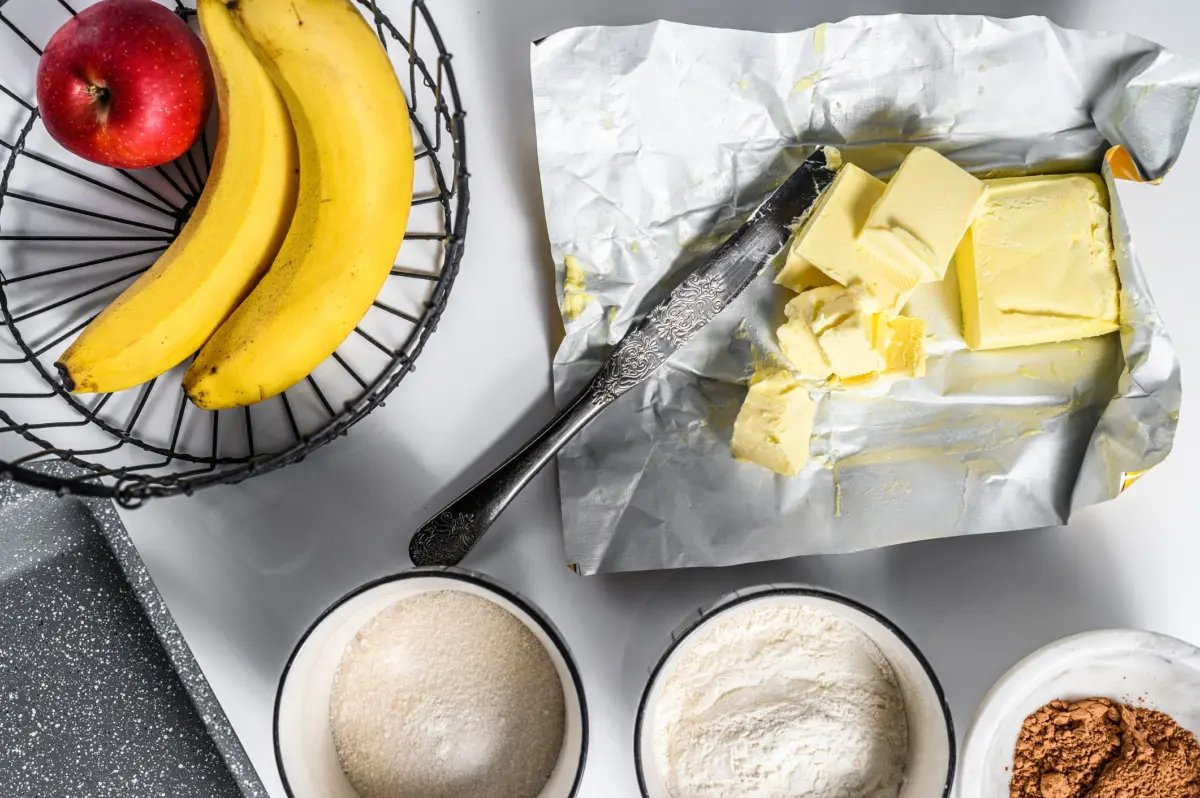
The turning point emerged unexpectedly from her home kitchen. What began as a therapeutic diversion to fill the void left by her corporate departure evolved into a masterclass in artisanal baking. By treating flour, sugar, and butter with the same strategic rigor she once applied to global brands, Rosenthal invented a signature banana cake. Far beyond a simple comfort food, this creation became a cultural touchstone—serving weddings, milestone birthdays, homeless shelters, and even finding its way across the country via private flights for an 80th birthday. Through the precise craft of baking, Rosenthal discovered that the profound human connections and narrative impact she once sought on the geopolitical frontlines were already unfolding right at her own kitchen counter.
Detailed Chronology: From War Zone Aspirations to Agency Life and Motherhood
The Ambition of the Foreign Correspondent
Rosenthal’s professional trajectory began with aspirations far removed from the corporate corridors of Madison Avenue. Fresh out of college, her sights were set squarely on international journalism. Envisioning a life modeled after the rugged foreign correspondents who defined the mid-to-late 20th century, she aspired to report on humanitarian crises shaping the global landscape. Her imagined future left no room for domestic conventionality; instead, it featured a lifestyle lived out of suitcases, a dog-eared passport permanently tucked into her back pocket, and a tight-knit community of fellow embedded journalists as her primary social circle.
However, the rigid gates of elite international reporting proved formidable. Failing the rigorous entrance examination administered by the Associated Press for prospective foreign reporters effectively closed the chapter on her war-correspondence ambitions. Forced to pivot, Rosenthal redirected her sharp narrative skills toward the commercial sector, securing a position as a copywriter in the creative department of a prominent New York City advertising agency.
The Height of the Advertising Era
For fifteen years, Rosenthal immersed herself in the high-stakes, fast-paced world of advertising. Working in New York—the global epicenter of the industry—she thrived on the adrenaline of creative brainstorming, brand positioning, and campaign execution. Her work resonated across the industry; she successfully conceptualized and executed high-profile advertisements, earning prestigious awards and carving out a respected reputation among her peers.
Yet, the agency lifestyle is notoriously unforgiving. Long hours, relentless deadlines, and the constant pressure to innovate took a toll. The breaking point arrived not from a lack of professional passion, but from the unyielding logistics of modern family life. Following the birth of her twin daughters, Rosenthal confronted a systemic hurdle familiar to millions of working parents: the prohibitive cost, limited availability, and chronic unreliability of professional childcare.
Weighing the financial drain of urban daycare against her desire to be present for her daughters’ formative years, Rosenthal made the definitive choice to leave advertising. She stepped away from her office, her awards, and her creative team to assume a role she had never envisioned for herself: a stay-at-home mother.
The Domestic Void and the Birth of a Baker
The transition from managing high-budget corporate accounts to managing toddler meltdowns precipitated a profound psychological vacuum. While Rosenthal deeply valued the privilege of staying home with her daughters, the daily reality proved profoundly isolating and intellectually understimulating.
She grappled with a quiet crisis of relevance. In advertising, her output was validated by bronze statues, commercial airings, and client applause. At home, her efforts were measured by unfinished plates of chicken nuggets and the endless cycle of household management. The cognitive dissonance of moving from prime-time television spots to snack-bag organization left her questioning her identity.
Seeking a deliberate outlet for her dormant creative impulses, Rosenthal turned to baking. Initially viewed as a harmless domestic hobby that could be seamlessly integrated between school drop-offs and household chores, the kitchen quickly transformed into her new creative laboratory.
+-------------------------------------------------------------------+
                  THE CREATIVE EVOLUTION TIMELINE
+-------------------------------------------------------------------+
|                                                                   |
|  [Post-College]  --> Aspirations of international journalism &    |
|                      war correspondence (AP exam failure).        |
|                                                                   |
|  [Advertising]   --> 15 years as an award-winning NYC copywriter, |
|                      crafting campaigns and Super Bowl spots.     |
|                                                                   |
|  [The Pivot]     --> Childcare hurdles lead to stepping away      |
|                      to raise twin daughters as a SAHM.           |
|                                                                   |
|  [The Crisis]    --> Professional disorientation and creative     |
|                      void replaced by kitchen experimentation.    |
|                                                                   |
|  [The Creation]  --> Refinement of the signature banana cake,     |
|                      bridging domestic life and high artistry.    |
|                                                                   |
+-------------------------------------------------------------------+
Supporting Context & Metrics: The Modern Caregiver Crisis and Baking as Therapy
The Economic Realities of Childcare in America
Rosenthal’s departure from the workforce is emblematic of a broader, systemic crisis facing modern families. According to data compiled by economic policy institutions and labor departments, the cost of center-based infant and toddler care in major metropolitan areas like New York City frequently eclipses median household rental payments. For many families, dual-income earnings are severely eroded by the sheer expense of outsourcing childcare, forcing one parent—historically mothers—to exit the formal labor market.
Sociologists and labor economists refer to this phenomenon as the "motherhood penalty," characterized not only by lost wages during the immediate childcare years but also by long-term career stagnation and the psychological toll of identity forfeiture. Rosenthal’s essay highlights the invisible labor of caregiving and the cultural undervaluing of domestic work, contrasting it sharply with the visible, quantifiable rewards of corporate achievement.
Baking as a Psychological Coping Mechanism
Mental health professionals increasingly recognize the therapeutic value of sensory, tactile hobbies during periods of major life transitions. Culinary arts, and baking in particular, engage multiple senses while requiring precise cognitive focus—measuring, timing, chemistry, and structural engineering.
For Rosenthal, the kitchen functioned as an analogue to the advertising bullpen. Instead of branding consumer products, she was branding bespoke cookies: experimenting with unconventional flavor pairings such as potato chips and butterscotch, rum and dark chocolate, and fresh corn with cranberries. This iterative process of hypothesis, experimentation, and refinement provided the psychological dopamine hits previously derived from professional accolades.
The Anatomy of a Masterpiece: The Signature Banana Cake
While her early kitchen experiments yielded diverse pastries, the definitive breakthrough occurred due to an everyday household surplus: a counter full of overripe, nearly black bananas. Rather than defaulting to traditional banana bread—which typically relies on loaf pans, heavy spices like cinnamon and cardamom, and dense textures—Rosenthal conceptualized an entirely different culinary architecture.
Crafting the Recipe
- The Foundation: The process begins by vigorously whipping butter and sugar together until the mixture achieves a pale, frothy consistency, incorporating air to build a structural base.
- The Integration: Dry ingredients are carefully sifted and folded in, establishing a fine crumb structure.
- The Tang: Just before the batter achieves uniformity, sour cream is folded in. This strategic addition introduces a subtle acidity that cuts through the natural sweetness of the bananas, elevating the flavor profile from simple sweetness to complex depth.
- The Fruit: An abundance of overripe bananas is incorporated, anchoring the cake in a familiar, comforting nostalgia.
- The Finishing Touches: The cake is crowned with a Swiss meringue buttercream—requiring egg whites and sugar to be heated over simmering water before being whipped into stiff peaks—followed by a signature culinary trick learned from specialized baking newsletters: a tablespoon of premium olive oil drizzled into the batter to ensure supreme moisture retention.
Cultural Resonance and Universal Appeal
The resulting layered cake is a masterclass in culinary balance: deceptively light, structurally delicate, and subtly sweet. What began as an experimental household bake rapidly assumed a life of its own. Over the span of nearly four decades, Rosenthal’s banana cake transcended the domestic sphere to become a sought-after centerpiece for milestone events:
- Celebratory Milestones: It has served as the wedding cake, birthday cake, and gender-reveal centerpiece for countless families, and was once transported via commercial flight across the country to anchor an 80th birthday celebration.
- Private Hoards: A devoted couple in Los Angeles maintains a dedicated supply of the cake in the back of their freezer, rationing it for special occasions.
- Athletic Superstition: An NBA player famously attributed the cake to good fortune after consuming an entire portion the night before a high-stakes professional game.
- Community Outreach: During her tenure as head baker at a local homeless shelter, Rosenthal baked the cake hundreds of times. Observing how a single slice served on a paper plate could spark meaningful dialogue among marginalized individuals reinforced her understanding of food as an egalitarian connector of human experiences.
Future Outlook: Redefining Humanity Beyond the Frontlines
As Rosenthal reflects on nearly forty years of baking, observing individuals cut into her signature creation at weddings, shelters, and family gatherings, her perspective on her life’s work has undergone a profound evolution.
The young college graduate who believed that witnessing humanity required traveling to active conflict zones and military frontlines discovered a vital truth: human vulnerability, resilience, joy, and grief are just as potent in a suburban kitchen as they are in geopolitical crisis zones.
The modern workplace increasingly encourages individuals to tie their self-worth exclusively to corporate productivity and professional titles. Rosenthal’s journey offers a compelling counter-narrative. By leaning into the unexpected detours of life—navigating the complexities of parenthood, embracing the quiet indignities of domestic displacement, and channeling creative energy into the universal language of food—she reclaimed a richer, more grounded creative life.
Looking forward, her narrative serves as an enduring testament for professionals navigating mid-career transitions, burnout, or involuntary career pivots. It demonstrates that creative expression is not bound to a specific industry, office building, or job title. Whether conceptualizing a Super Bowl advertisement or whisking Swiss meringue buttercream in a home kitchen, the pursuit of human connection through narrative and craft remains an essential, enduring enterprise.