

Executive Overview
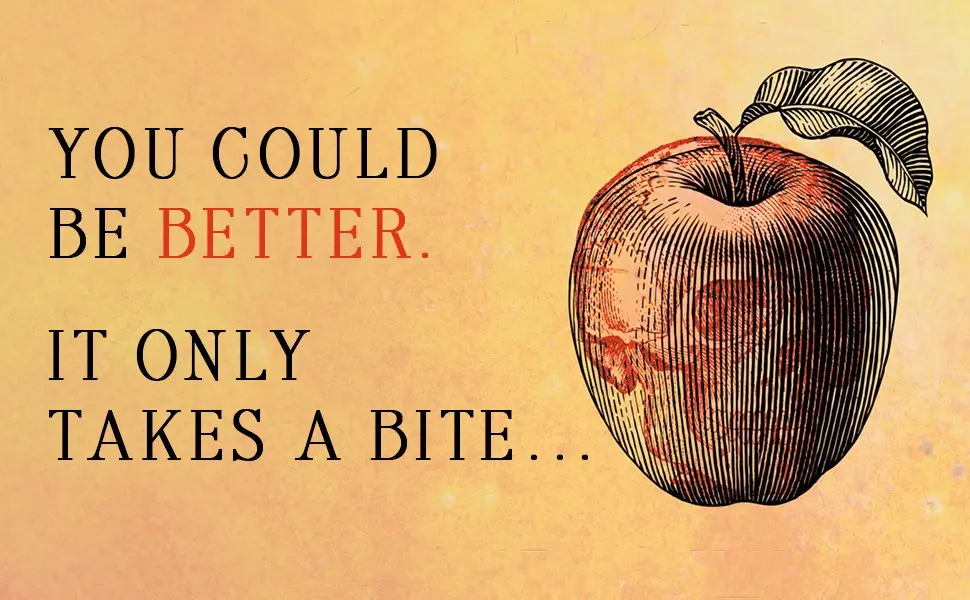
For decades, the traditional autumn aesthetic has been defined by cozy comforts: crisp fallen leaves, cinnamon-spiced cider, pumpkin-flavored treats, and the quintessential family trip to the local apple orchard. However, speculative fiction has long sought to subvert the mundane, weaponizing domestic tranquility into vehicles for psychological dread and supernatural terror. Enter Black River Orchard, a masterclass in modern folk horror penned by acclaimed New York Times bestselling author Chuck Wendig.
Currently making waves across digital bookshelves, the novel has experienced a massive resurgence in readership thanks to a steep promotional discount—dropping the price of the electronic edition to a mere $2.99 across major digital vendors, including Kobo and Bookshop.org. Blending the nostalgic charm of apple-picking season with the creeping dread of suburban cult dynamics and ancient, botanical malice, Black River Orchard stands as one of the most uniquely terrifying releases of recent years.
Set against the backdrop of a declining Rust Belt town, the narrative explores the devastating introduction of a mysterious, otherworldly apple variety that bewitches a community and unleashes a slow-burning apocalypse of human greed, obsession, and biological corruption. Blending biting social satire with atmospheric dread, Wendig has crafted a sprawling epic of small-town rot that readers and critics alike have hailed as a high-water mark in contemporary horror. As the ebook price plummets to less than the cost of a gourmet coffee, a new wave of readers is discovering the sinister agricultural conspiracy lurking within the fictional town of Harrow.
Detailed Chronology: The Genesis and Evolution of Black River Orchard
Conception and Agricultural Research
The roots of Black River Orchard extend far beyond standard literary inspiration, drawing deeply from real-world pomology, agricultural history, and folklore. Chuck Wendig, renowned for his versatility across speculative fiction, urban fantasy, and post-apocalyptic thrillers, spent years accumulating an eccentric catalog of apple-related knowledge before putting pen to paper.
Long before the fictional saplings of Black River took root in his imagination, Wendig was fascinated by the forgotten heritage of American fruit production—specifically, the thousands of heirloom apple varieties that have vanished from commercial markets, replaced by uniform, mass-produced cultivars optimized for shipping rather than flavor. This deep-dive into agricultural history provided the perfect thematic fertile ground for a horror story: what if a lost, ancient apple variety was discovered, but its perfection came with an insatiable, supernatural cost?
The Creative Struggle
Writing a sprawling, multi-perspective folk horror novel is no small feat, and Wendig has been refreshingly candid about the grueling creative process behind Black River Orchard. Unlike fast-paced action thrillers, structural folk horror requires a delicate balancing act of pacing, mood, escalating paranoia, and ensemble character development.
During the drafting phase, the author repeatedly expressed doubts over whether he could successfully weave together the disparate elements of suburban consumerism, small-town municipal politics, slow-acting biological corruption, and ancient folk mythology. The challenge lay in grounding the absurd and the supernatural in raw, authentic human emotion—ensuring that the townspeople’s descent into madness felt earned, tragic, and terrifyingly plausible. Upon completion, Wendig noted that it stands as one of his personal favorites among his vast bibliography, a sentiment echoed by critics who praise its narrative ambition and relentless momentum.
The Digital Resurgence and Promotional Push
With the literary market constantly shifting, securing long-term discoverability for mid-list and backlist hardcover titles can prove difficult. Recognizing the power of digital accessibility, a strategic promotional push recently slashed the price of the Black River Orchard ebook to an irresistible $2.99.
This pricing strategy has successfully galvanized both longtime fans of Wendig’s work and horror enthusiasts looking for seasonal chills that bridge the gap between "apple-picking season" and "spooky season." The viral momentum generated by this discount has propelled the book back onto the radar of digital book clubs, horror review blogs, and literary social media networks, transforming a beloved backlist title into an active cultural phenomenon.
Supporting Context & Metrics: The Anatomy of Modern Folk Horror
To understand the cultural resonance of Black River Orchard, one must examine the modern renaissance of folk horror—a subgenre characterized by isolated communities, ancient traditions, the oppressive weight of the landscape, and the terrifying resurgence of old gods or forgotten practices.
The Subgenre of Suburban Folk Horror
While traditional folk horror often takes place in isolated rural communes, misty Scottish isles, or remote English villages (as seen in classics like The Wicker Man or Midsommar), Black River Orchard cleverly transplants these tropes into the contemporary American suburb. This stylistic choice amplifies the terror: the uncanny isn’t hiding across an ocean or deep within an untamed wilderness; it is growing in the backyard orchard, sold at the local farmers’ market, and baked into school-function pies.
The town of Harrow serves as a microcosm of modern economic anxiety. Like many Rust Belt or semi-rural towns, Harrow is struggling. Its citizens are vulnerable—financially, emotionally, and socially. When a mysterious orchardist arrives bearing fruit that promises vitality, wealth, and unmatched sensory pleasure, the townspeople readily swallow the lie. The apple acts as a powerful metaphor for late-stage capitalism and consumerist addiction: it tastes like paradise, but it demands the consumption of the soul in return.
Market Metrics and Accessibility
The digital publishing landscape relies heavily on price elasticity to drive volume and capture readers who might otherwise hesitate to take a chance on a sprawling, 500+ page horror novel. At $2.99, Black River Orchard represents an extreme value proposition.

- Platform Availability: Widely distributed across major digital storefronts, including independent platforms like Bookshop.org (which supports local brick-and-mortar bookstores) and Kobo.
- Target Audience Demographics: Crossover appeal bridging contemporary horror fans, literary fiction readers, and enthusiasts of atmospheric dark fantasy.
- Seasonal Marketing Synergy: Perfectly positioned to capitalize on dual consumer spikes—the romanticization of autumn agricultural traditions and the year-round appetite for psychological horror.
Official Statements and Authorial Commentary
Chuck Wendig’s approach to publicizing Black River Orchard has been marked by his signature blend of self-deprecating humor, enthusiasm, and visceral marketing language. Rather than relying on sterile corporate press releases, Wendig has taken directly to his platform to champion the novel’s current discounted status and its bizarre thematic core.
Reflecting on the book’s unconventional premise, Wendig noted:
"Small-town suburban folk cult folk horror all surrounding the introduction of a new (aka ancient) evil apple variety? I mean, hey, I had to monetize all this weird apple knowledge somehow."
Addressing the internal creative battles fought during the writing process, Wendig admitted to his audience that the manuscript was an absolute beast to tame:
"It’s definitely one of my favorite things I’ve written. Maybe the most favoritest thing I’ve written. I just am really glad I pulled it off—I wasn’t sure I was going to be able to pull it off, honestly. It was a hard book to get my hands around, but I think? Maybe?? It worked out??? Who knows. That’s your call, not mine."
Highlighting the sheer affordability of the current digital promotion, the author emphasized the absurdity of modern pricing structures compared to the immense narrative value contained within the electronic pages:
"And at least you can make the call now for like, three bucks. Not even three bucks. $2.99. Can’t buy anything for that price anymore. I think three bucks even costs more than three bucks."
Wendig concluded his appeal to readers with a characteristic touch of whimsical chaos—inviting readers not only to spread the word and leave reviews, but jokingly demanding tribute fit for a harvest deity:
"If you’ve read it, then maybe tell a friend to go grab it. And then maybe leave a review somewhere! AND THEN MAYBE LEAVE ME A SECRET CACHE OF APPLES SOMEWHERE, APPLES TO APPEASE ME AND MY DARK APPETITES. OR SHOULD I SAY APPLETITES… WHICH ADMITTEDLY I FIRST MISTYPED AS APPLETITS, WHICH IS VERY DIFFERENT."
Future Outlook: The Legacy of Black River Orchard
As Black River Orchard continues to find new life through its discounted digital distribution, its long-term footprint within the horror genre looks increasingly secure. The novel has cemented Chuck Wendig’s reputation not only as a master of high-octane speculative action (as seen in his Star Wars contributions and Wanderers series) but as a deeply psychological and atmospheric storyteller capable of chilling domestic unease.
Potential Adaptations and Cinematic Appeal
Given the highly visual nature of the novel, the tactile horror of its botanical manifestations, and the claustrophobic dread of its suburban setting, Black River Orchard possesses all the necessary ingredients for a cinematic or episodic television adaptation. The resurgence in popularity driven by the current $2.99 ebook promotion serves as an ideal barometer for producers looking for proven intellectual property with a dedicated, highly engaged fanbase.
The Evolution of Modern Folk Horror
As readers increasingly gravitate toward horror that addresses systemic anxieties—environmental collapse, economic precarity, and the loss of community identity—stories like Black River Orchard point the way forward for the genre. By grounding ancient mythological dread in the everyday realities of modern life, Wendig has ensured that the book will be studied, discussed, and feared for years to come.
For those yet to step into the sinister groves of Harrow, the barrier to entry has never been lower. With the autumn chill settling in and digital shelves offering unprecedented bargains, there has never been a better—or more dangerous—time to take a bite out of Black River Orchard. Just be prepared for what grows back inside you once the fruit is gone.
