

By Investigative Staff
Published: September 6, 2026
Executive Overview
In the waning months of 2023, the Texas Legislature voted unanimously on a seemingly straightforward piece of legislation. Conceived in the shadow of a tragic crime—the fatal shooting of Harris County Deputy Darren Almendarez as he interrupted catalytic converter thieves—the bill introduced a modest $1 annual increase on Texas auto insurance policies. Lawmakers framed the fee as a targeted measure to curb rampant, highly mobile automotive parts theft that was bleeding dealerships and vehicle owners dry.
Three years later, an exhaustive investigative analysis by The Texas Tribune has revealed that this unassuming $1 fee became the primary financial engine behind a sweeping expansion of state surveillance. A little-known state regulatory body, the Motor Vehicle Crime Prevention Authority (MVCPA)—led primarily by appointees of Governor Greg Abbott—diverted at least $30 million of those insurance proceeds to supercharge the deployment of "Flock" automated license plate readers (ALPRs).
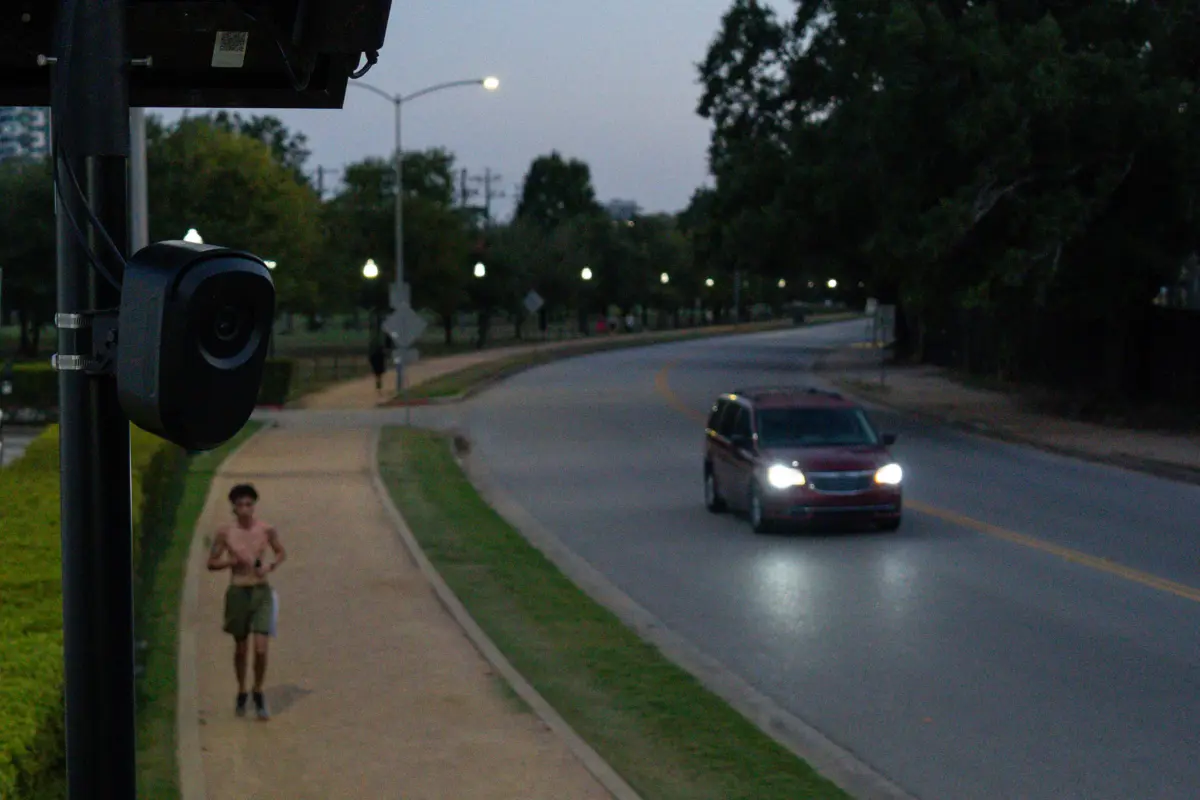
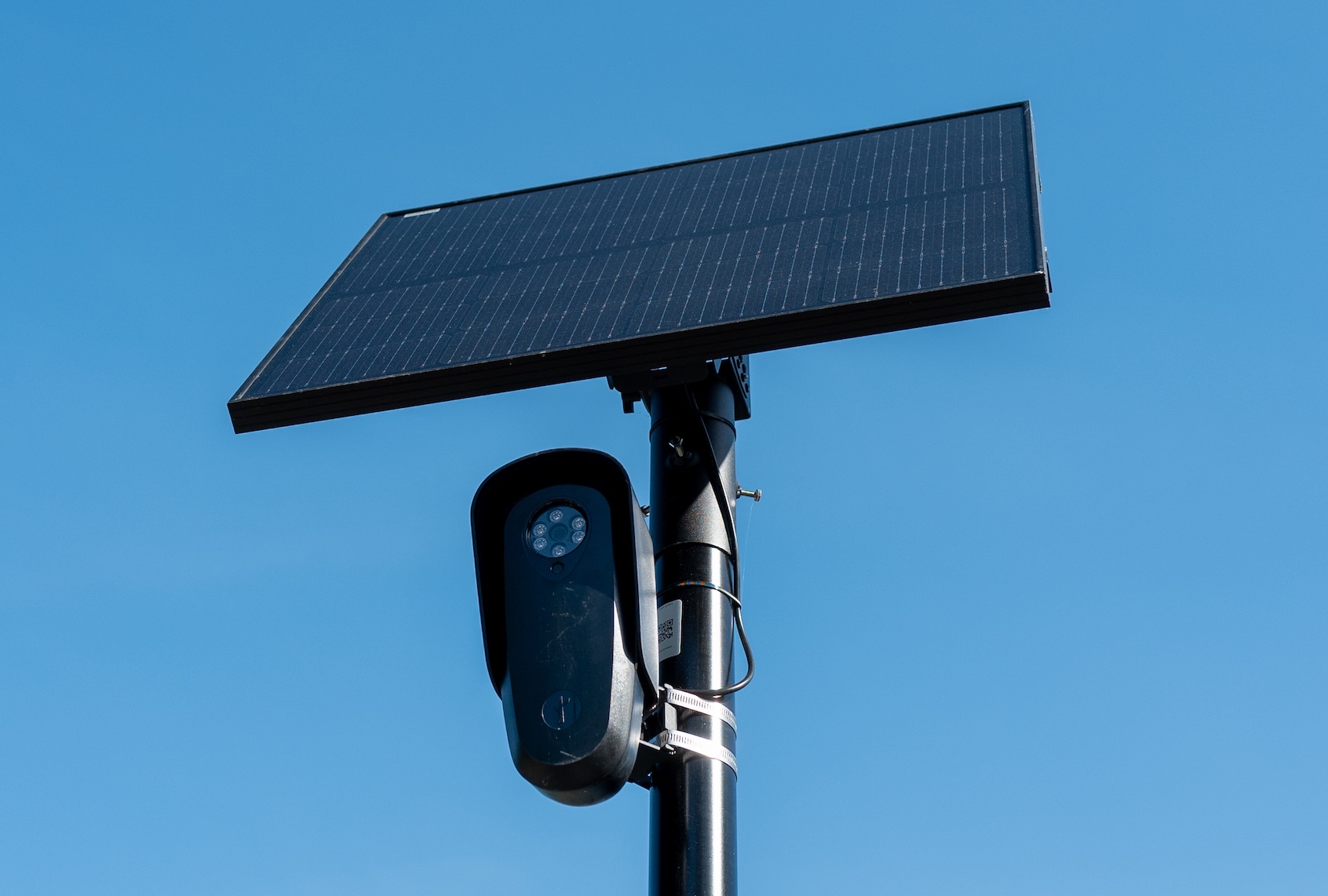
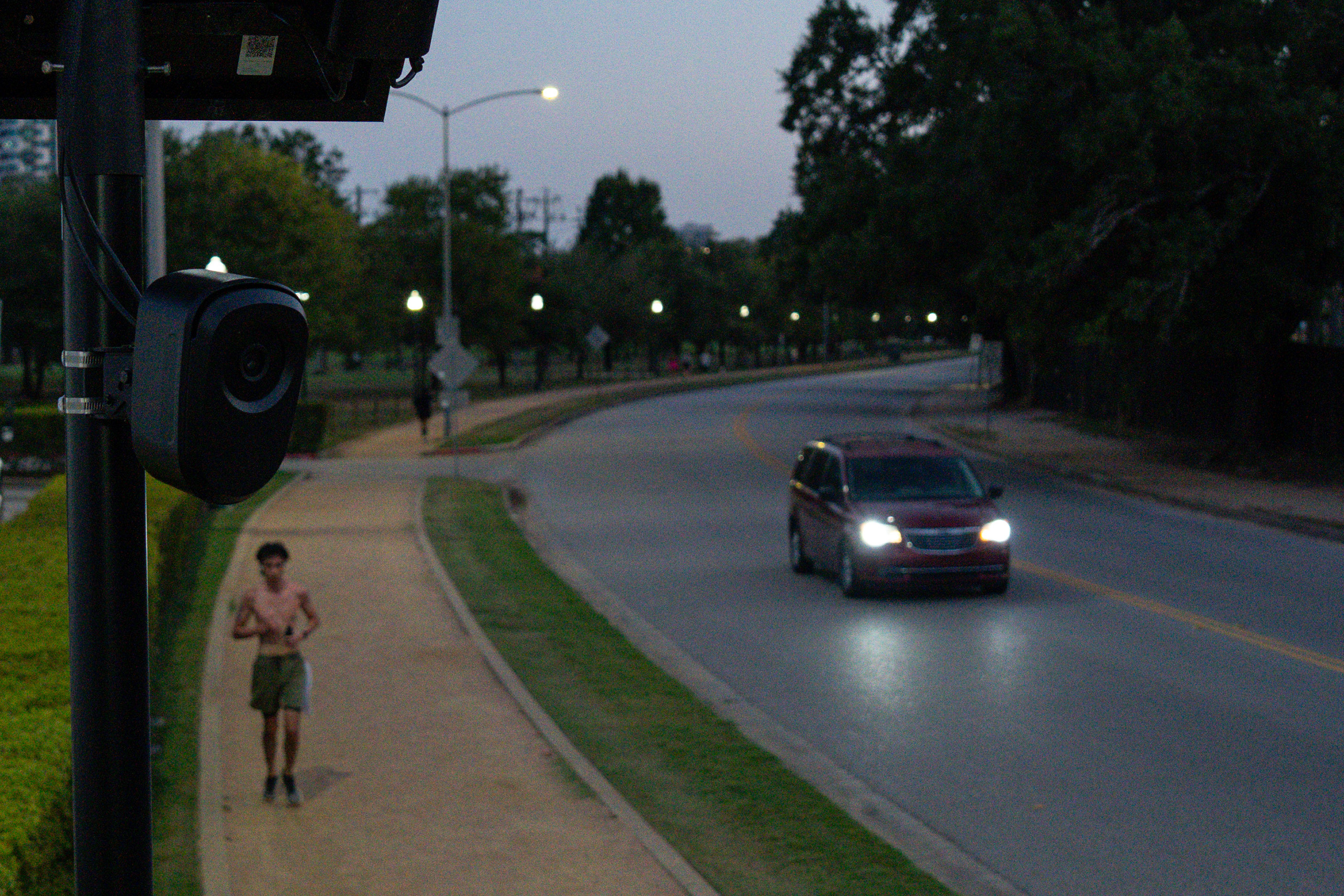
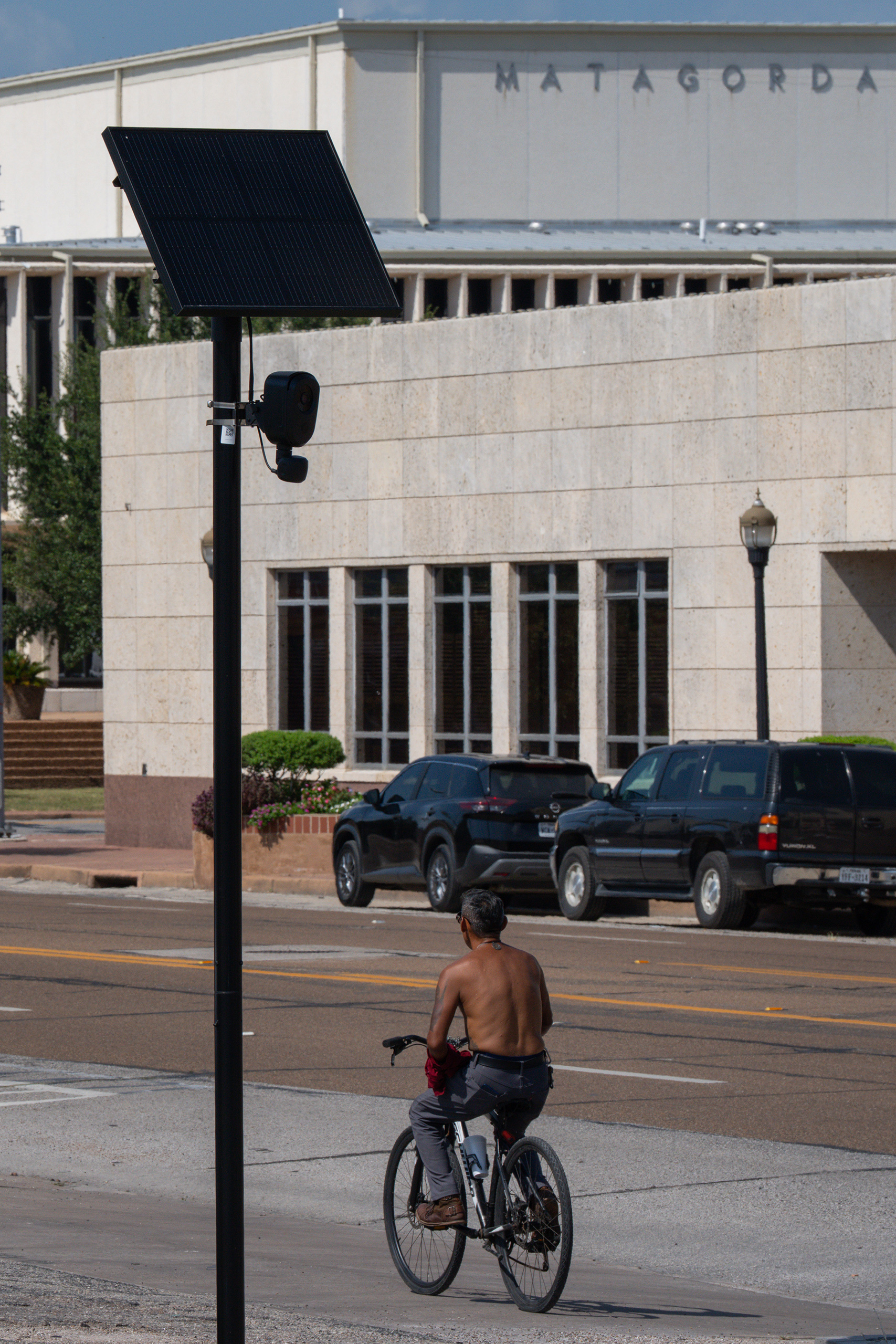
From the West Texas corridor of El Paso to the humid Louisiana borderlands, the funding has seeded a network of at least 3,200 high-tech cameras. These devices compile permanent, searchable "vehicle fingerprints" using artificial intelligence, logging the make, model, color, and unique physical identifiers of millions of civilian vehicles.
As public backlash swells, grassroots privacy organizations mobilize, and documented cases of police officers abusing the network to stalk romantic partners emerge, the political consensus around the cameras has shattered. Following media inquiries regarding the funding streams, Governor Abbott’s administration abruptly announced a pause on state grant funding for local Flock installations, plunging the future of Texas’ digital surveillance infrastructure into sudden uncertainty.
Detailed Chronology: From Legislative Intent to Mass Surveillance
1. The 2023 Mandate and the Insurance Fee Hike
When Senate Bill 224—named in honor of the slain Deputy Almendarez—rushed through the Texas Legislature in 2023, it enjoyed rare, unbroken bipartisan support. The core objective was clear: allocate resources to law enforcement agencies to crack down on organized rings stealing automotive components. To fund this mission, the state added a $1 per year surcharge to personal auto insurance premiums.
Stacked on top of previous fee hikes enacted in 2011 ($2) and 2019 ($4), the new levy pushed the total annual insurance surcharge pool to roughly $81 million. While the statute explicitly aimed to combat motor vehicle and parts theft, it contained no explicit language regarding automated license plate readers, artificial intelligence, or wide-scale optical data collection.
2. The MVCPA Pivot and the Camera Gold Rush
Behind closed doors, the Motor Vehicle Crime Prevention Authority—overseen by a board consisting of a Department of Public Safety official and six governor appointees representing law enforcement, insurance, and consumer interests—solicited recommendations on how best to deploy the windfall. Law enforcement agencies overwhelmingly pointed toward automated license plate readers as the ultimate panacea for catalytic converter theft.
Seizing on this feedback, MVCPA leadership transformed the agency into a major grant-making apparatus for Flock Safety, a private surveillance corporation. Over the next three years, the agency approved no fewer than 95 distinct grants enabling local police departments to purchase and maintain roughly 2,000 Flock cameras.
Concurrently, the agency dedicated $15.9 million to a multi-year contract with the Texas Department of Public Safety (DPS) to deploy an additional 1,200 cameras along critical state infrastructure. By August 2026, the MVCPA doubled down, approving another $3 million to fund 583 cameras specifically targeted along Texas tollways. Miguel Rodriguez, Laredo Police Chief and chair of the MVCPA, defended the strategy during board meetings, noting an explicit ambition to "cover the entire state" with cameras to disrupt transnational criminal enterprises.
3. The Backlash and the Governor’s Sudden Reversal
As the camera footprint expanded—with watchdog groups like DeFlock estimating upwards of 13,000 total Flock units deployed statewide—public resistance coalesced. Civil liberties advocates, constitutional scholars, and a growing faction of libertarian lawmakers began raising alarms over the complete absence of statutory oversight.
The tipping point arrived in late August 2026, following investigative reports detailing the vast scale of insurance-subsidized surveillance and a string of high-profile police misconduct scandals. Most notably, a Lufkin police officer was indicted on 100 counts related to the misuse of official information after allegedly exploiting the Flock database for illicit personal tracking. Similar disciplinary actions, arrests, or internal investigations surfaced in Baytown, Harris County, Fort Bend County, Temple, and Pasadena.
Faced with mounting inquiries from journalists and escalating public fury, Governor Greg Abbott’s office abruptly shifted course on a Friday evening, announcing a freeze on state grant funding for local Flock deployments.
"To the extent that cities get any funding for those cameras, most of it comes from the federal government," stated Andrew Mahaleris, a spokesperson for Governor Abbott. "To the extent any funding comes from Texas agencies, those agencies are clarifying that those funds cannot be used for Flock cameras."
Supporting Context & Metrics: Inside the Flock Ecosystem
To grasp the magnitude of the Texas deployment, it is necessary to examine how Flock cameras function and how the state’s funding mechanisms accelerated their adoption.
- The "Vehicle Fingerprint": Unlike standard traffic cameras designed to catch speeders or red-light runners, Flock cameras capture high-definition images of every passing vehicle. Utilizing machine learning, the software extracts and logs license plate numbers, vehicle makes, body styles, primary colors, and unique anomalies such as bumper stickers, roof racks, and body damage.
- National and Statewide Scale: While Flock maintains a policy of not publicly disclosing precise device counts, industry estimates rank Texas second only to California in total camera density. Crowdsourced mapping projects by DeFlock indicate that state-managed or insurance-subsidized grants accounted for roughly one in every four cameras operating within Texas. Nationally, Flock technology is utilized by approximately 7,000 law enforcement agencies across a network of 120,000 devices.
- Granular Disparities in Grant Distribution: The financial footprint of MVCPA grants varied dramatically based on municipal need. Smaller jurisdictions received modest sums—such as a $7,000 grant for two cameras in Bellmead, near Waco. Conversely, major metropolitan centers secured massive outlays; Dallas received nearly $1.7 million to install 201 cameras. Entire municipal surveillance networks, such as those in Laredo (165 cameras) and El Paso (150 cameras), were constructed almost entirely via state subsidies.
- The "Force Multiplier" Argument for Law Enforcement: Proponents within policing argue that the technology revolutionized investigations into high-volume, low-witness crimes. Sergeant Douglas Buckert of the Pasadena Police Department remarked that the cameras "changed the game," noting that the volume of actionable leads outpaced the department’s investigative capacity. Data from the MVCPA indicates that LPR data was queried over 62,000 times in 2025, assisting in the clearance of approximately 1,660 catalytic converter theft cases and tracking high-profile fugitives across jurisdictional boundaries.
Official Statements and Legislative Friction
The revelation that auto insurance surcharges—levied upon everyday drivers under the guise of theft prevention—were directly financing a warrantless mass surveillance apparatus has triggered open warfare within the Texas Capitol.
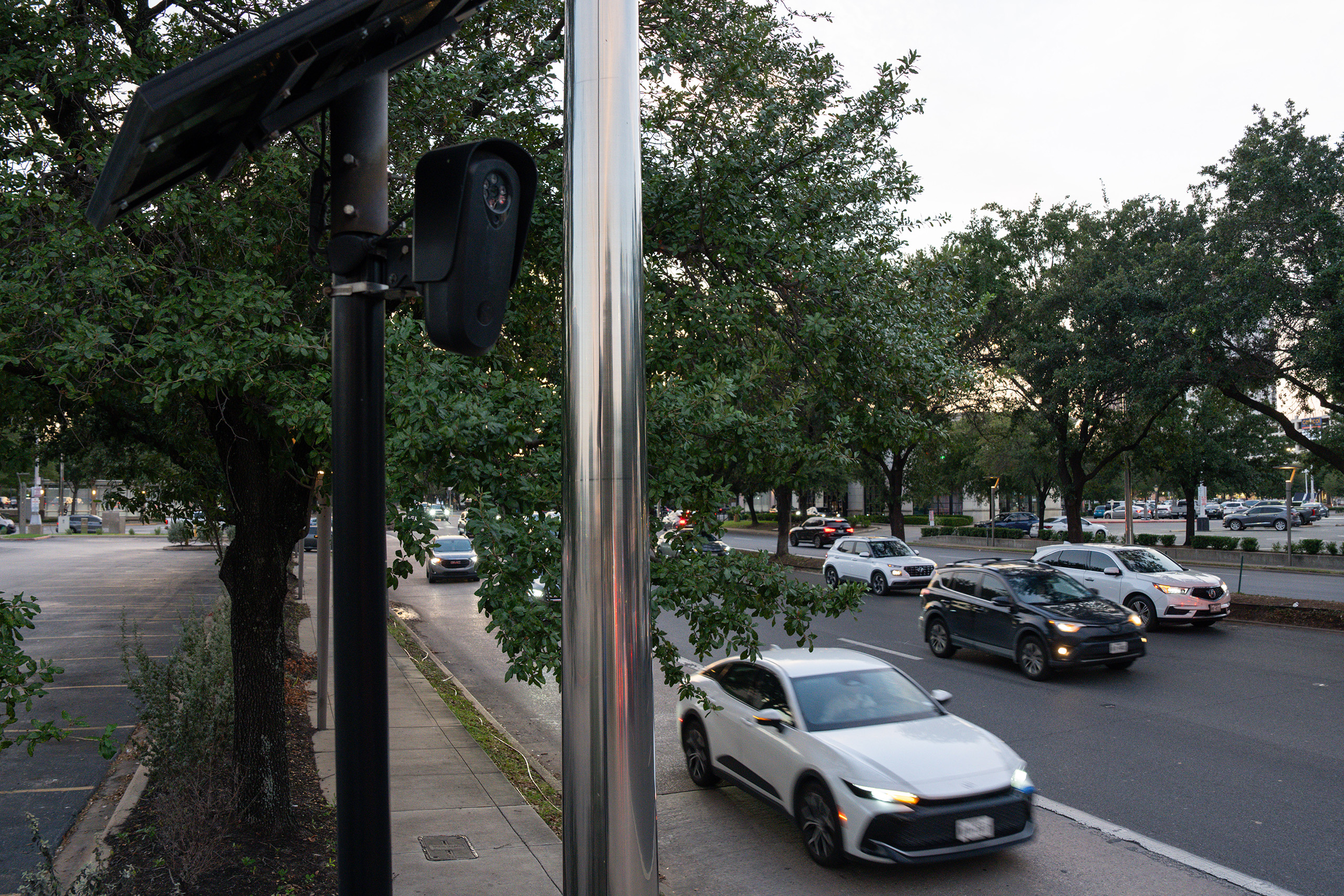
Lawmakers who voted in favor of Senate Bill 224 expressed shock upon learning how the administrative agencies interpreted their mandate.
"In a million years, I never could have even contemplated that this would be used to fund what is effectively warrantless surveillance," said State Representative Brian Harrison (R-Midlothian), who voted for the bill and has repeatedly filed legislation requiring warrants for LPR data access. "Otherwise, I can’t imagine it would have gotten unanimous support. I sure as hell wouldn’t have voted for it if I knew some bureaucrat was going to redirect the money to Flock cameras."
State Senator Carol Alvarado (D-Houston), the bill’s Senate sponsor, echoed those sentiments, noting that surveillance cameras were never mentioned during committee hearings or floor debates.
"When I think of combating crime, I’m thinking… more boots on the ground, hiring more officers to tackle the crime or some type of undercover work," Alvarado stated, adding that while there is a delicate balance between public safety and privacy, the diversion of funds caught her completely off guard.

Constitutional concerns have likewise taken center stage among conservative and progressive lawmakers alike. Representative Mitch Little (R-Lewisville) pointedly questioned the constitutionality of the sprawling data collection framework.
"The sheer volume of information captured is not something that is entertained, in my view, by the Fourth Amendment," Little said, highlighting the alarming reality that police officers in distant corners of the state can track the daily movements of citizens without judicial oversight.
Conversely, law enforcement leaders and defenders of the program maintain that critics misunderstand the operational necessity of the technology. Proponents argue that transnational cartels and mobile theft rings rely heavily on regional mobility, making cross-jurisdictional data sharing an indispensable tool for public safety. Furthermore, defenders emphasize the utility of the network in recovering missing persons—a metric Flock representatives claim exceeded 10,000 successful location recoveries nationwide last year.
Future Outlook: What Lies Ahead for Texas Surveillance
The sudden intervention by Governor Abbott’s office has halted the immediate flow of state grant dollars toward local Flock acquisitions, but the foundational architecture of the network remains largely intact. Thousands of cameras purchased through prior grant cycles continue to operate along municipal thoroughfares, tollways, and state rights-of-way.

Grassroots mobilization shows no signs of slowing down. Organizations such as DFW DeFlock and local chapters in cities like Carrollton continue to pressure municipal councils to cancel existing contracts, pointing to a growing list of municipalities—including Bandera and Hood County—that have already terminated their agreements following intense public backlash.
As the Texas Legislature prepares for its upcoming session, lawmakers like Harrison and Little are drafting explicit statutory bans and warrant requirements aimed at dismantling the unchecked storage and cross-jurisdictional sharing of automated license plate data.
For ordinary Texans, the controversy has ignited a broader, existential debate over the price of modern security. As community organizer Kenneth Feagins encapsulated the sentiment of the anti-surveillance movement: "For me, it’s always been the question of, well, how much liberty are we willing to trade for safety?"
With state funding temporarily frozen and legislative showdowns looming, the battle lines over digital privacy in the Lone Star State have officially been drawn.