

Executive Overview
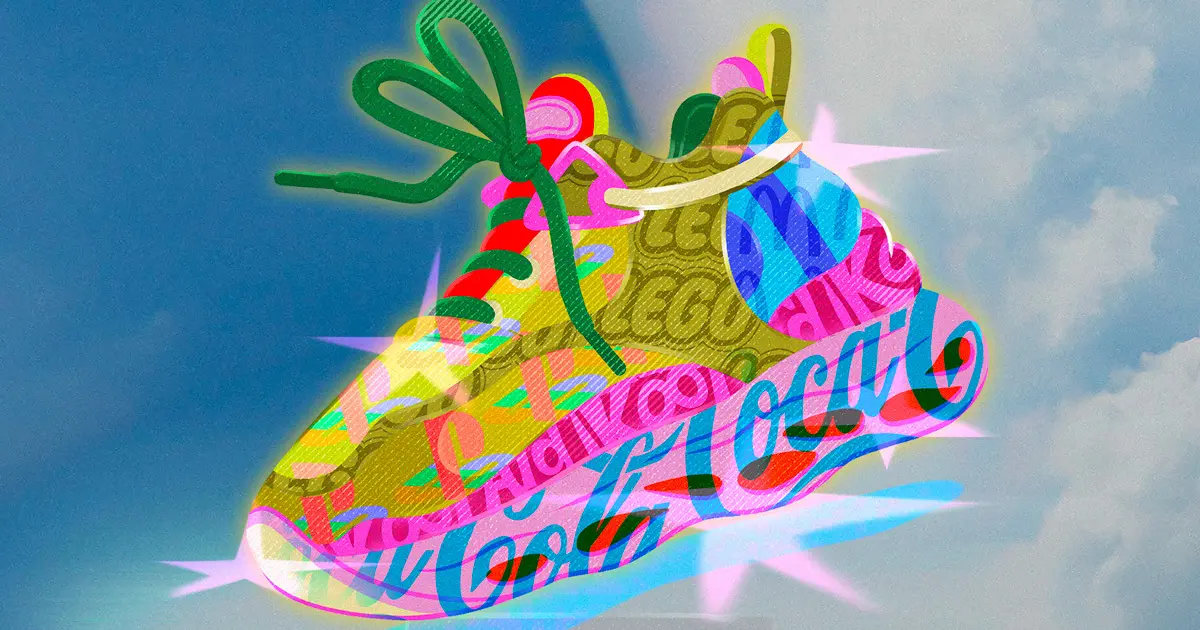
An old industry adage suggests that the very first thing people notice about another person is their shoes. In the contemporary marketing landscape, this piece of folk wisdom has evolved into a multi-billion-dollar strategic playbook. For brands spanning the entire commercial spectrum—from legacy luxury houses and tech conglomerates to fast-moving consumer goods (FMCG) and unexpected non-endemic enterprises—footwear has decisively surpassed apparel, accessories, and traditional media channels to become the ultimate vehicle for cultural penetration.
Shoes are no longer merely functional items designed to protect the feet; they are wearable canvases, social signifiers, and high-stakes financial assets. Unlike a billboard that fades from memory or a digital ad blocked by software, a sneaker or a boot is an active lifestyle choice. It is worn on the street, photographed for social media, traded on secondary marketplaces, and collected like fine art.
“Shoes are an omnipresent icon of culture,” explains Jed Hallam, co-founder and managing director of CultureLab. “More so than any other item of clothing, it’s the thing that you outwardly signal your affiliation with.”
This innate psychological pull has not gone unnoticed by modern marketers. Over the past decade, and accelerating rapidly into the mid-2020s, companies with zero heritage in footwear have aggressively branched out into sneaker drops, boot designs, and avant-garde collaborations with athletic giants and independent labels alike. From fast-food chains creating limited-edition trainers that sell out in seconds to technology firms designing ergonomic footwear for digital nomads, the sneaker has become the lingua franca of modern brand relevance.
This comprehensive report investigates the phenomenon of footwear as a cultural currency. We will explore the historical evolution of the sneaker collaboration, examine key case studies that prove its unmatched efficacy, analyze the economic metrics driving the trend, feature insights from industry leaders, and forecast where this high-velocity intersection of commerce and culture is heading next.
Detailed Chronology: The Evolution of the Sneaker Collaboration
To understand how footwear became the premier medium for brand expression, we must trace its trajectory from functional athletic equipment to the crown jewel of high fashion and corporate marketing.
Phase I: The Athletic Foundation (1970s–1990s)
For decades, footwear marketing was straightforward. Brands signed professional athletes—runners, basketball players, tennis stars—to endorsement deals. The playbook was simple: design a high-performance shoe, put a famous athlete’s name on the box, and run television commercials during major sporting events.
The watershed moment arrived in 1984 when Nike signed an unproven rookie named Michael Jordan. The subsequent launch of the Air Jordan line shattered the boundaries of sports marketing, proving that footwear could embody an entire cultural attitude. Streetwear subcultures—particularly hip-hop and skateboarding—adopted these athletic silhouettes, transforming basketball shoes into urban uniforms.
Phase II: The Streetwear Crossover (2000s–2010s)
As the millennium progressed, sportswear brands began looking beyond athletes to cultural architects. Boutiques like Undefeated, Supreme, and Atmos were invited to reinterpret classic silhouettes. These limited-run collaborations introduced the concept of "hype."
Concurrently, high-fashion houses took notice. In 2009, Kanye West partnered with Louis Vuitton to design a luxury sneaker, bridging the chasm between haute couture and street culture. This era proved that consumers craved scarcity, storytelling, and unexpected juxtapositions. Footwear was no longer just about sport; it was about taste.
Phase III: The Non-Endemic Explosion (2020s–Present)
Today, we are living through the third and most radical phase of footwear evolution: the non-endemic brand takeover. Companies whose core business has nothing to do with fashion—ranging from corporate software providers to condiment manufacturers and casual dining chains—are leveraging footwear to capture consumer attention.
When a brand that typically sells beverages or digital services drops a sneaker, it instantly signals self-awareness, cultural agility, and a desire to meet consumers where they live. Footwear has become the ultimate shortcut to relevance, allowing legacy companies to bypass traditional advertising fatigue and embed themselves directly into the lifestyle ecosystem of Gen Z and Millennial buyers.
Supporting Context & Metrics: Why Shoes Outperform Traditional Media
The migration of marketing budgets into footwear is underpinned by hard data and shifting consumer psychology. In an era where ad-blockers, streaming services, and banner blindness have decimated the efficacy of traditional digital advertising, physical products offer an immutable advantage.
1. The Economics of Scarcity and Secondary Markets
The rise of platforms like StockX, GOAT, and Grailed has turned footwear into a liquid asset class. When a brand launches a limited-edition shoe, it is not merely selling a product; it is manufacturing an appreciating asset.
- Market Valuation: The global sneaker resale market alone is valued at over $10 billion, with projections indicating it could exceed $30 billion by the early 2030s.
- Earned Media Value (EMV): A successful footwear collaboration routinely generates millions of dollars in organic earned media value through unboxing videos, TikTok reviews, and sneakerhead forum discussions—metrics that dwarf the return on investment of a standard paid social campaign.
2. Psychological Affiliation and Identity Signaling
Clothing items like t-shirts or hats are often viewed as promotional merchandise, especially when branded with corporate logos. Footwear, however, is judged by a different aesthetic standard. If a shoe is well-designed, comfortable, and rare, consumers will proudly wear a corporate logo on their feet in a way they never would on their chest.
As Jed Hallam notes, footwear operates as an outward signal of tribal affiliation. By wearing a specific collaboration, consumers communicate their values, their sense of irony, their taste level, and their insider status within a community.
3. The Death of the Hard Sell
Modern consumers—particularly younger demographics—recoil at traditional advertising. They view direct pitches as intrusive and inauthentic. Footwear bypasses this resistance entirely. A cleverly designed sneaker functions as a piece of wearable art or functional design. It invites engagement rather than demanding attention, turning the consumer into a willing, mobile billboard.
Five Case Studies: Proof of Footwear’s Cultural Dominance
To see this phenomenon in action, we examine five recent, highly distinct footwear collaborations that demonstrate how brands across diverse sectors are leveraging shoes to break into culture.
1. The Fast-Food Phenomenon: KFC x Crocs
When Kentucky Fried Chicken partnered with casual footwear brand Crocs, skeptics wondered if it was a stunt too far. The result was a masterclass in internet-breaking marketing. The collaboration featured a Classic Clog patterned with a fried chicken print, adorned with two Jibbitz charms shaped and scented like real fried chicken.
- The Impact: The shoes sold out in minutes upon release, dominated social media feeds for weeks, and generated massive conversation across mainstream news outlets. It proved that heritage brands could embrace absurdity and self-deprecation to capture cultural mindshare.
2. The Tech-Infused Drop: MSCHF’s Subversive Satire
Art collective and brand incubator MSCHF has repeatedly used footwear as a medium for cultural commentary. From their "Satan Shoes" containing human blood to the viral, cartoonish "Big Red Boot," MSCHF treats footwear as sculptural sculpture that mocks consumerism while participating in it.
- The Impact: Each drop triggers global headlines, viral TikTok challenges, and intense debate. By utilizing shoes as their primary vehicle, MSCHF commands the attention of the entire fashion and media establishment with minimal traditional ad spend.
3. The Beverage Intersection: Heineken’s "Heinekicks"
Beer brands have long relied on standard merchandise like glassware or t-shirts for promotions. Heineken broke the mold by collaborating with sneaker designer Dominic Ciambrone (The Shoe Surgeon) to create "Heinekicks"—a limited-edition sneaker featuring built-in bottle openers, a sole injected with real Heineken beer, and a hidden compartment for a miniature opener.
- The Impact: Limited to just 32 pairs globally, the shoes became an instant collector’s item. The campaign shifted Heineken from a beverage brand consumed at bars to a lifestyle brand embedded in sneaker culture.
4. The Grocery Giant: MSCHF x Crocs "Boot"
Demonstrating the unstoppable momentum of the foam clog silhouette, various grocery and retail brands have entered the footwear space to signal approachability and grassroots authenticity. By partnering with unexpected design houses, everyday retailers have transformed their brand perception from mundane necessity to ironic streetwear staple.
5. The Corporate Software Surprise: MSCHF and Financial Institutions
Even business-to-business (B2B) enterprises and software giants have flirted with custom footwear drops for developer conferences and internal culture-building. By treating employee and client footwear as a badge of honor, these firms foster deeper emotional connections than any branded pen or notebook could ever achieve.
Official Statements and Industry Insights
The strategic shift toward footwear is viewed by creative directors and cultural analysts as a permanent evolution in how brands build equity.
“Shoes are an omnipresent icon of culture. More so than any other item of clothing, it’s the thing that you outwardly signal your affiliation with.”
— Jed Hallam, Co-founder and Managing Director, CultureLab
Industry veterans emphasize that footwear success cannot be faked. Consumers possess finely tuned radar for inauthentic cash grabs. If a brand wants to enter the footwear space successfully, it must partner with authentic creators, prioritize superior design and comfort, and respect the subcultures it seeks to enter.
“When you enter the footwear market, you are stepping onto sacred ground for sneakerheads,” notes a leading brand strategist specializing in streetwear collaborations. “You cannot just slap a logo on a generic white sneaker and expect culture to embrace it. There has to be a narrative, a design hook, and a genuine appreciation for the craft.”
Future Outlook: Where Do We Go From Here?
As we look toward the remainder of the decade, what does the future hold for footwear as a cultural vehicle? Industry analysts point to several emerging trends that will shape the next generation of brand collaborations:
1. Hyper-Sustainable and Circular Footwear
The environmental footprint of the fashion industry is under intense scrutiny. Future footwear collaborations will increasingly rely on biodegradable materials, lab-grown leather alternatives, and fully circular lifecycle designs. Brands that can merge cultural cachet with radical sustainability will dominate the next era.
2. Phygital Integration
The boundary between physical shoes and digital assets is blurring. We will see more footwear drops that include an identical digital twin for the metaverse, augmented reality (AR) try-on capabilities integrated directly into social media platforms, and NFC chips embedded in shoe tongues that unlock exclusive content, event access, or verified ownership certificates on the blockchain.
3. Hyper-Niche Micro-Collaborations
While massive global partnerships will continue to make headlines, the future also points toward hyper-niche, hyper-local collaborations. Brands will partner with regional artists, neighborhood coffee shops, and micro-communities to release ultra-limited runs of footwear that speak to hyper-specific cultural sub-segments rather than mass markets.
Conclusion
Footwear has definitively transcended its utilitarian origins. It is no longer just something we wear to walk from place to place; it is a cultural passport, a financial asset, and a high-performance marketing vehicle. For brands looking to break through the noise of the modern digital landscape, the message from the streets is clear: if you want to capture culture, start from the ground up.