

Executive Overview
The American cultural ecosystem is uniquely tethered to a singular, relentless ambition: the pursuit of fame. Decades of socio-cultural conditioning have hardwired the national consciousness to believe that upward mobility is synonymous with reaching the apex of celebrity. From childhood, Americans are taught that hard work and unyielding ambition are keys to unlocking a kingdom of universal recognition. Yet, this modern iteration of the American Dream extracts a devastating toll, devouring the personal lives, emotional stability, and psychological well-being of those who rise too fast, too high.
The sudden, tragic death of actress Hayden Panettiere at the age of 36 laid bare the structural dysfunction of this fame machine. Arriving just months after the release of her revealing memoir, This Is Me: A Reckoning—wherein she detailed the harrowing realities of child stardom, postpartum depression, abuse, and addiction—Panettiere’s passing triggered an immediate cultural paroxysm. The digital landscape split instantly into two familiar camps: an outpouring of genuine, heartbroken grief from those who grew up watching her light up screens, and a predatory, ghoulish feeding frenzy characterized by viral conspiracy theories, algorithmic rubbernecking, and exploitative true-crime content generation.
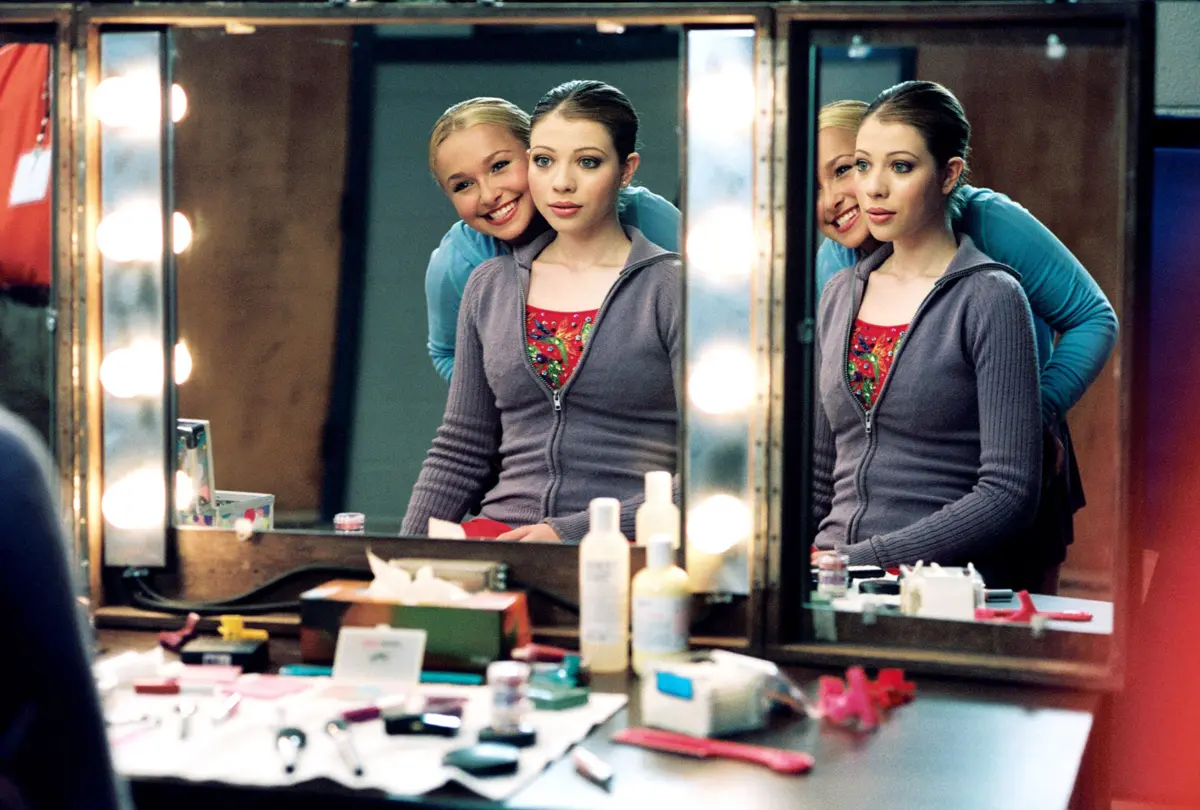
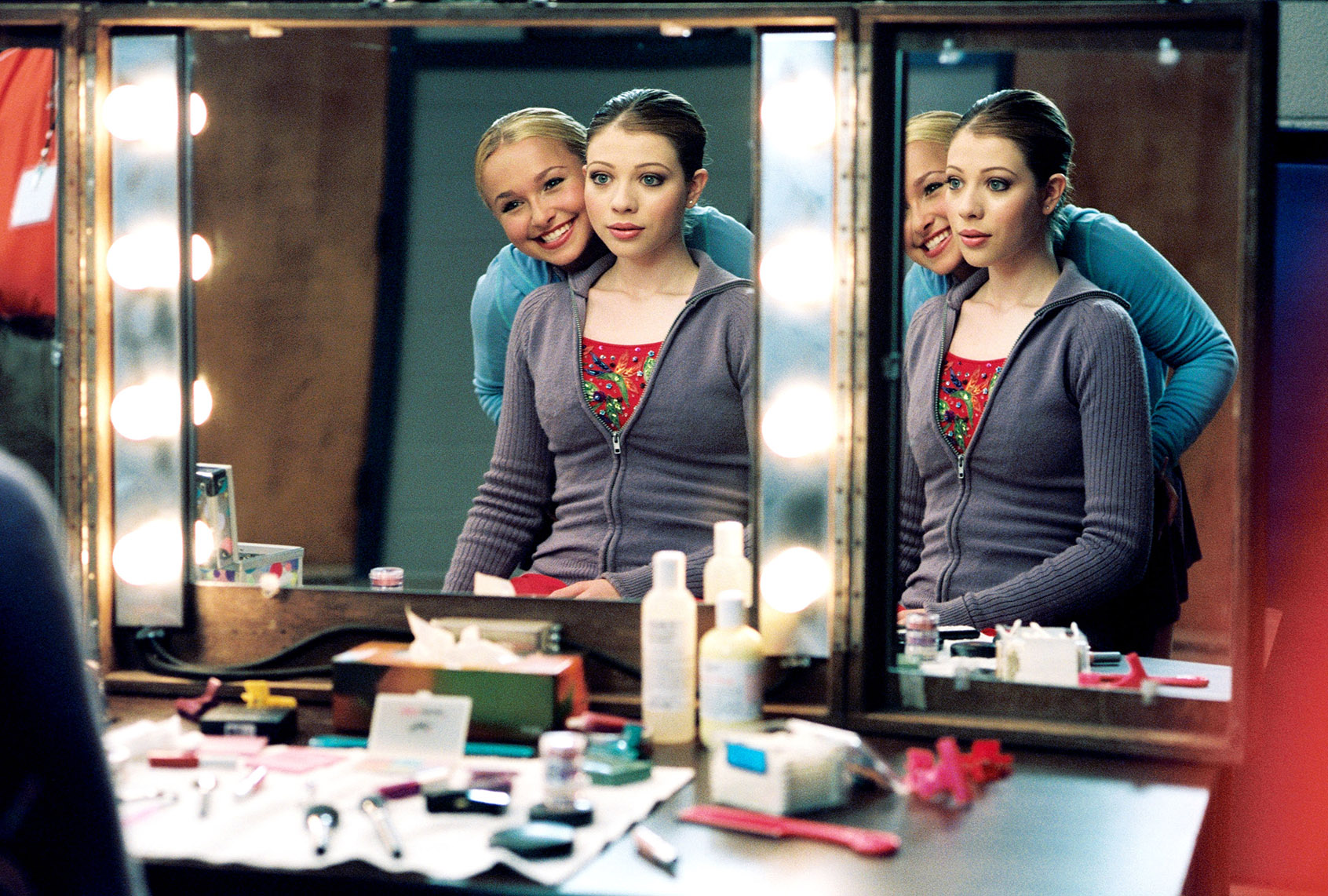
Amidst this modern tragedy, critics and pop-culture historians have found themselves looking backward at a seemingly innocuous piece of early 2000s media: Walt Disney Pictures’ 2005 sports drama, Ice Princess. Starring Panettiere alongside fellow gone-too-soon child star Michelle Trachtenberg, the film follows two young women navigating the grueling, hyper-competitive world of competitive figure skating. Stripped of its glossy Disney veneer, Ice Princess emerges today as an eerily prophetic text. It serves as both a sensitive critique of the industrial pressures placed on talented youth and a heartbreakingly meta-commentary on the real-world trajectories of its young leads. As contemporary culture grapples with the dark side of ambition—now metastasized into the digital economy of content creation and influencer culture—Ice Princess and the lives of its stars demand a rigorous re-examination.
Detailed Chronology: From Childhood Prodigies to Cultural Icons
To understand the weight of Ice Princess and the lives of its leading women, one must trace the developmental trajectories of both Hayden Panettiere and Michelle Trachtenberg within the machinery of the entertainment industry.
The Rise of Hayden Panettiere
Born in Palisades, New York, Panettiere entered the entertainment industry before she could walk, appearing in commercial advertisements at just eleven months old. By the time she was a toddler, she was a fixture of daytime television, securing a contract on the ABC soap opera One Life to Live (1994–1997) before transitioning to Guiding Light (1998–2000).
Her transition to mainstream cinematic and television success came swiftly. In 2000, she starred alongside Denzel Washington in Disney’s critically acclaimed Remember the Titans, playing the football coach’s young daughter. Throughout her pre-teen and teenage years, Panettiere’s face was ubiquitous, culminating in her breakout international role as Claire Bennet—the immortal cheerleader—in the NBC sci-fi phenomenon Heroes (2006–2010). With the iconic catchphrase, "Save the cheerleader, save the world," Panettiere was thrust into the white-hot center of global fandom just as internet culture and tabloid journalism were merging into an aggressive, round-the-clock media beast.
Subsequent starring roles, notably as country music star Juliette Barnes in the critically praised drama Nashville (2012–2018), cemented her status as a powerhouse performer capable of holding the screen under intense scrutiny. However, behind the glossy headshots and awards nominations lay a grueling personal reality. As detailed extensively in her 2026 memoir, This Is Me: A Reckoning, Panettiere’s formative years were marred by industrial exploitation, predatory environments, substance dependency, and severe mental health battles. Her tragic passing in August 2026 at age 36—following emergency responders finding her in cardiac arrest—marked a devastating punctuation mark on a life spent almost entirely in the public eye.
The Trajectory of Michelle Trachtenberg
Sharing the screen in Ice Princess, Michelle Trachtenberg navigated a parallel path through the labyrinth of child stardom. Rising to prominence with her charming turn as the title character in Nickelodeon’s The Adventures of Pete & Pete (1994–1996) and the feature film Harriet the Spy (1996), Trachtenberg quickly established herself as a versatile, sharply intelligent performer.
Her career reached a new echelon when she cast a long, enigmatic shadow over the cultural landscape as Georgina Sparks in the hit CW teen drama Gossip Girl (2007–2012), following her beloved recurring role as Dawn Summers in Buffy the Vampire Slayer (2000–2003). Like Panettiere, Trachtenberg grew up entirely under the microscope of an industry that prized youthful perfection while offering scant emotional scaffolding to protect its young talent from burnout, body dysmorphia, and the psychological depredations of early fame.
The Intersection: Ice Princess (2005)
Released in March 2005, Ice Princess united these two heavyweights of 2000s youth culture. Directed by Tim Fywell, the film tells the story of Casey Carlyle (Trachtenberg), a shy physics prodigy pushed by her mother (Joan Cusack) toward an elite academic scholarship. To win over university boards, Casey uses her analytical genius to decode the physics of figure skating, eventually stepping onto the ice herself. Along the way, she crosses paths with Gen Harwood (Panettiere), the town’s reigning skating prodigy whose life is rigidly choreographed by an overbearing, perfection-obsessed mother (Kim Cattrall).
What began as a standard Disney sports movie has, with the passage of time and the untimely deaths/struggles of its leads, transformed into a poignant artifact. The film’s narrative—centering on young women whose passions are co-opted by ambitious adults and toxic institutional standards—mirrors the real-world trajectories of both Panettiere and Trachtenberg with chilling accuracy.
Supporting Context & Metrics: The Anatomy of Modern Stardom
The cultural discourse surrounding Panettiere’s passing highlights a systemic failure within creative industries regarding the protection of minors. To contextualize this phenomenon, it is valuable to examine the metrics and systemic realities governing child stardom and modern media consumption.
The Child Star Crisis: Industry Metrics and Mental Health
- The Longevity Disparity: Studies tracking former child actors over the past four decades indicate that performers who enter the entertainment industry before age 12 experience rates of clinical depression, substance abuse, and career burnout at rates up to three times higher than their adult-onset counterparts.
- The Oversight Void: Historically, California’s Coogan Act (established in 1939 and amended periodically) protected the financial earnings of minor actors by mandating blocked trust accounts. However, legal frameworks governing psychological safety, work-hour violations, educational consistency, and protection from workplace exploitation remained dangerously loose well into the 21st century.
- The Tabloid Economy: Throughout the 2000s—the peak era of Panettiere and Trachtenberg’s youth—the tabloid industry operated with near-total impunity. Research from media watchdogs indicates that female child stars during this era were subjected to disproportionate scrutiny regarding physical appearance, weight fluctuations, and romantic choices, laying the groundwork for severe internalized perfectionism.
The Evolution of the Fame Machine: From Studio Lots to Social Media Feeds
A vital observation raised in cultural commentary regarding Panettiere’s death is the seamless evolution of the fame machine. While 2005-era child stars dealt with the traditional Hollywood studio apparatus, the modern digital landscape has democratized—and exponentially worsened—this toxicity.
Today, the pursuit of celebrity has trickled down to everyday teenagers through influencer culture, TikTok monetization, and parasocial content creation.
- The New Training Regimen: Modern youth spend formative years curating public personas, meticulously tracking metrics (views, likes, engagement rates) in a manner structurally identical to Gen Harwood’s hyper-regulated salad diets and endless ice-rink practices in Ice Princess.
- Algorithmic Ghoulishness: Within hours of Panettiere’s passing, social media platforms were flooded with exploitative content. TikTok searches for her name yielded thousands of conspiratorial videos—such as "Last video of Hayden Panettiere alive" and unverified audio recordings of 911 dispatch calls posted by mainstream news outlets. This digital necrophilia demonstrates how the public treats fallen celebrities not as human beings who suffered, but as raw data particles to be harvested for clout.
Official Statements and Public Reaction
The sudden loss of Hayden Panettiere and the subsequent discourse surrounding her life and work prompted reflections from across the entertainment community, mental health advocates, and cultural critics.
Industry and Peer Reflections
Colleagues and contemporary performers took to public platforms to honor Panettiere’s resilience, artistic integrity, and bravery in confronting her demons. In her 2026 memoir, This Is Me: A Reckoning, Panettiere wrote candidly about her motivations for stepping back into the spotlight:
"I spent years running from the narrative that others wrote for me—the tragic child star, the fallen idol, the cautionary tale. I wanted to write my own ending, not because I owed perfection to an audience, but because I owed peace to myself."
Mental health organizations and advocacy groups utilized the public mourning period to issue statements regarding the systemic pressures placed on public figures, emphasizing the urgent need to destigmatize conversations around postpartum trauma, addiction recovery, and industrial exploitation in media.
Critical Reappraisal of Ice Princess
Film critics and cultural historians have similarly re-evaluated the textual messaging of Ice Princess. Where it was once dismissed as formulaic Disney fluff, contemporary analysis highlights its subversive subtext.
- Kim Cattrall’s Tina Harwood serves as a stark embodiment of the "stage mother" archetype—demanding emotional sterility and physical deprivation in exchange for gold medals. Lines such as "Winners make sacrifices" carry a haunting weight when viewed through the lens of Panettiere’s actual life struggles within the Hollywood machine.
- Thematic Resonance: The central thesis of the film—that teenagers are systematically robbed of their youth in pursuit of adult-defined definitions of "success"—has transformed Ice Princess from a simple sports movie into a prescient cautionary tale about the perils of ambition without boundaries.
Future Outlook: Rebuilding the Guardrails of Youth Culture
As the dust settles on the immediate media storm surrounding Hayden Panettiere’s death, the broader cultural conversation must shift from reactive mourning to proactive reform. The intersection of her life, her work in Ice Princess, and the realities of modern digital culture points toward several imperative action items for the future.
1. Legislative and Industrial Reform for Young Creators
The entertainment industry—spanning traditional Hollywood studios, streaming platforms, and social media networks—must implement robust psychological and structural protections for minors. This includes:
- Mandatory, independent psychological support systems funded by studios and platforms, entirely separate from production management.
- Strict enforcement of boundaries preventing digital exploitation, algorithmic harassment, and parasocial abuse directed at young performers and content creators.
- Comprehensive educational and financial counseling to ensure youth performers retain autonomy over their personal narratives and identities.
2. A Cultural Shift Away from Toxic Achievement Culture
Society at large must re-evaluate its worship of the "fame machine." As Ice Princess so elegantly illustrates through the journeys of Casey and Gen, true fulfillment is found not in the cold, isolating heights of perfection and public adulation, but in personal agency, community, and the freedom to make mistakes. Parents, educators, and cultural critics must foster environments where young people are encouraged to define success on their own terms, free from the crushing weight of external expectations.
3. Preserving the Legacies of Panettiere and Trachtenberg
Ultimately, the cultural legacy of performers like Hayden Panettiere and Michelle Trachtenberg should not be defined solely by the tragedies or pressures that accompanied their fame. Their luminous, complex performances on screen—particularly their sparkling, nuanced chemistry in Ice Princess—stand as testaments to their immense talent and enduring humanity. By refusing to let their memories be co-opted by the very fame machine that consumed them, audiences can honor their true contributions: reminding us all of the vital importance of empathy, grace, and the courage to reclaim one’s own story.