

Executive Overview
In the rapidly shifting landscape of modern digital commerce, the traditional avenues of securing freelance writing work—such as saturated job boards, unpredictable content mills, and exhausting cold-pitching campaigns—are undergoing a fundamental structural transformation. For years, independent creators and B2B writers relied heavily on volume outreach to sustain their pipelines. Today, however, industry data points toward a different reality: inbound lead generation driven by personal branding has taken center stage.
At the epicenter of this paradigm shift is LinkedIn. Far from its origins as a digital repository for static resumes, the platform has evolved into a powerhouse for business-to-business (B2B) thought leadership, strategic networking, and targeted authority-building. For the modern freelance writer, establishing a commanding presence on LinkedIn is no longer an optional extracurricular activity; it is a core business necessity.
Navigating this platform requires a sophisticated understanding of contemporary algorithm dynamics, targeted messaging, profile optimization, and daily tactical execution. Old growth hacks and superficial engagement tactics no longer yield results. Instead, success belongs to those who treat LinkedIn as a high-intent commercial ecosystem. This comprehensive guide outlines five foundational strategies designed to help freelance writers cut through the digital noise, eliminate posting anxiety, optimize their profiles for maximum conversion, and build a sustainable inbound client acquisition machine in 20 to 30 minutes a day.
Detailed Chronology of a Platform Shift: From Resume Board to B2B Powerhouse
To understand why LinkedIn currently dominates the freelance lead-generation landscape, one must examine its evolutionary trajectory over the past decade.
- Phase 1: The Digital Rolodex (Early 2010s): Initially, LinkedIn functioned primarily as an online repository for professional credentials. Users uploaded their resumes, connected with former colleagues, and occasionally scanned job listings. Content creation was virtually nonexistent, and the platform held little value for independent creative professionals seeking project-based work.
- Phase 2: The Publishing Experiment (Mid 2010s): LinkedIn introduced native publishing tools, allowing users to write long-form articles. While this democratization of content attracted early-adopter thought leaders, the overall user experience remained formal, dry, and heavily corporate. The algorithm largely favored self-promotional corporate press releases and outbound networking spams.
- Phase 3: The Creator Economy Boom (Late 2010s–2020): As remote work accelerated and the creator economy expanded, LinkedIn pivoted aggressively toward community and content. The introduction of native video, document carousels, and algorithmic feeds that rewarded conversational text posts transformed the platform. Independent consultants, coaches, and specialized writers began realizing they could bypass traditional gatekeepers entirely by publishing insightful, industry-specific commentary directly to decision-makers.
- Phase 4: The Modern Inbound Ecosystem (Present Day): Today, LinkedIn operates as a highly sophisticated B2B ecosystem. Decision-makers—including marketing directors, chief executive officers, content managers, and founders—turn to the platform daily not just to network, but to discover specialized talent. For freelance writers, LinkedIn has officially supplanted traditional job boards as the premier destination for high-paying, long-term inbound clients.
Supporting Context & Metrics: Decoding the Modern Algorithm
Before investing time into content creation, writers must grasp the underlying mechanics of how LinkedIn distributes information. Over the years, platform updates have continually refined what the algorithm rewards and penalizes. Understanding these parameters is essential for maximizing organic reach and securing qualified leads.
What the Algorithm Rewards Now
- Topical Authority and Relevance: The platform increasingly prioritizes niche consistency. When a creator repeatedly publishes content focused on a specific vertical (e.g., SaaS marketing, fintech compliance, or medical research), the algorithm identifies them as an authoritative voice and distributes their content to a targeted audience interested in those exact subjects.
- Dwell Time and Meaningful Conversations: Posts that encourage thoughtful dialogue—evidenced by multi-sentence comments and substantive debates in the reply sections—receive significantly higher distribution than those relying on rapid, superficial engagement.
- Clean, Formatted Text Structures: Well-paced hooks, short paragraphs, and clear narrative arcs consistently outperform hyper-links dropped directly into the body of a post, as the platform favors keeping users within its native ecosystem.
What the Algorithm Penalizes
- Outbound Links in Primary Posts: Placing external URLs directly in the main body text often triggers algorithmic suppression. Creators seeking to direct traffic to external portfolios or websites are generally advised to place links in the comments section or utilize the platform’s native editing features.
- Engagement Bait: Low-effort tactics—such as explicitly asking users to comment a single word ("Interested!") just to game the metrics—have been systematically deprioritized in favor of authentic intellectual exchange.
- Generic, Broad-Spectrum Content: Content that attempts to appeal to everyone usually appeals to no one. Broad, generalized tips lack the specificity required to capture the attention of high-paying corporate clients.
Five Strategic Pillars for LinkedIn Mastery
Transitioning from a passive observer to an active, in-demand freelance writer on LinkedIn requires a structured, disciplined methodology. The following five strategies outline a clear blueprint for success.
1. Write to Potential Clients, Not Other Freelancers
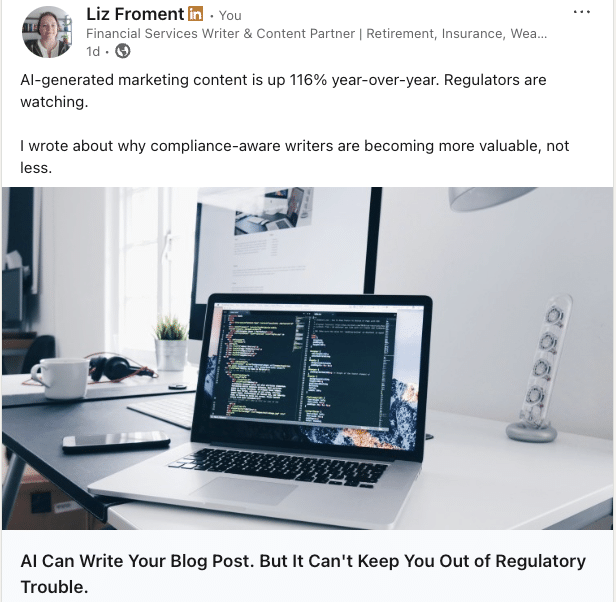
A classic pitfall for emerging writers is entering LinkedIn and immediately immersing themselves in peer-to-peer networking communities. While building camaraderie with fellow writers is supportive, it rarely translates into revenue. When a prospective marketing director visits your profile, they should instantly understand your commercial value proposition.
- Audit Your Feed: Review your last ten published posts. Count how many address general writing tips for other freelancers versus content that directly solves problems for your target clients. If the balance leans toward peer education, a strategic pivot is required.
- Identify Core Vertical Topics: Select three to five strategic pillars that matter deeply to your ideal clients. For instance, a freelance medical writer might focus on regulatory hurdles, clinical trial updates, or content bottlenecks in biotech. A fintech writer might analyze compliance frameworks or user-onboarding trends.
- Demonstrate Domain Expertise: Share operational insights derived from recent projects (maintaining client confidentiality), critique public-facing content strategies within your industry, or offer contrarian takes on emerging sector trends. The objective is to signal that you understand the operational reality of your target market.
2. Overcome Posting Anxiety Through Sustainable Systems
The conventional wisdom surrounding social media management often dictates daily posting schedules accompanied by aggressive multimedia production. For many independent writers juggling client deadlines, this advice breeds severe imposter syndrome and systemic burnout, ultimately resulting in complete inaction.
- Prioritize Consistency Over Frequency: Posting high-value content once or twice a week consistently over a sustained period yields exponentially better results than erratic daily bursts followed by weeks of silence. Mondays and Thursdays, or a reliable mid-week cadence, provide stable publishing anchors.
- Batch Your Creation Process: Dedicate thirty minutes on the weekend to draft and schedule upcoming posts using LinkedIn’s native scheduling tools. Once scheduled, remove the mental load of content creation from your daily routine.
- Utilize Proven Formats: Lean heavily on high-performing text structures, such as structured lists, contrarian perspective essays, before-and-after project breakdowns, and clear step-by-step frameworks. Strong hooks and clean formatting drive results without requiring expensive graphic design assets.
3. Focus Relentlessly on Intentional Engagement
Content creation is only half the battle. In a long-term relationship-driven platform like LinkedIn, active engagement—commenting on prospect posts and cultivating strategic connections—often generates results faster than publishing standalone updates.

- Build a Target Prospect List: Curate a focused database of 20 to 30 marketing directors, content managers, and startup founders at organizations you aspire to work with. Follow their professional profiles closely.
- Execute Thoughtful Interventions: Dedicate 15 to 20 minutes daily to reading and engaging with your prospect list. Discard generic praise like "Great post!" in favor of substantive contributions that add value to the conversation, share a relevant data point, or offer a unique perspective.
- Implement Micro-Habits: Adopt structured frameworks like the popular 3-2-1 method (three connection requests, two thoughtful comments, and one published post daily) or scale the metric to fit your available bandwidth. Consistency in relationship-building compounds over time.
4. Treat Your Profile Like a High-Converting Sales Page
Your content attracts attention, but your profile closes the deal. When hiring managers or corporate decision-makers evaluate your qualifications, they examine your LinkedIn profile as a primary vetting tool.
- Optimize Your Headline: Move beyond a generic title like "Freelance Writer." Craft a descriptive headline that clearly states your value proposition, such as: "I write high-converting B2B SaaS content that turns complex software features into pipeline revenue," or specialize by industry with trusted client validation.
- Restructure Your About Section: Write your summary in the second person, addressing the prospective client directly. Detail the specific pain points you resolve, the industries you serve, and measurable outcomes you have delivered. Conclude with a clear call to action and a link to your external portfolio website.
- Leverage the Featured Section: Pin your best-performing writing samples, comprehensive case studies, and glowing client testimonials directly to the top of your profile.
- Detail Your Experience: Transform generic employment entries into impact-driven case studies. Instead of listing "Wrote articles for various clients," specify: "Authored 50+ authoritative long-form guides for enterprise fintech brands covering payments infrastructure, AI integration, and cross-border regulatory compliance."
5. Build an "Idea Brain" to Eliminate Creative Block
The fear of running out of things to say paralyzes many potential creators. Establishing an ongoing repository for raw concepts ensures an endless supply of content material.
- Establish a Daily Idea Habit: Commit to recording ten raw ideas every morning or evening in a dedicated notes application. Allow yourself to capture unpolished thoughts, customer questions, industry frustrations, or recent learnings without immediate self-judgment.
- Review and Refine Weekly: At the end of each week, review your list of 70 raw concepts. Select the five to ten most promising ideas and flesh them out into fully developed content assets.
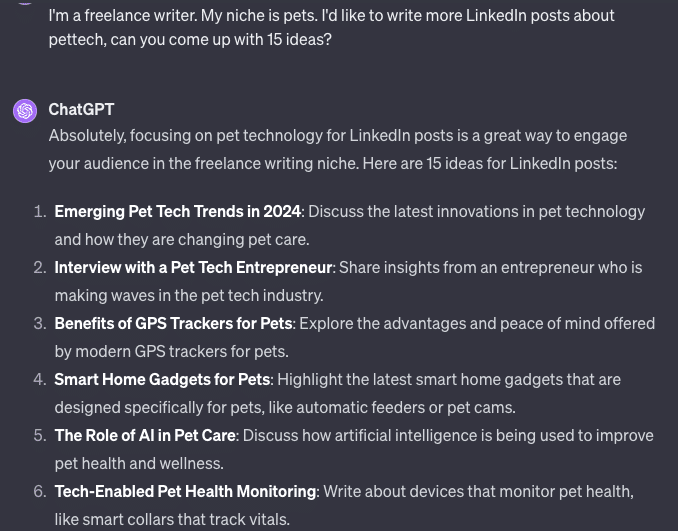
- Leverage AI as a Collaborative Sparring Partner: When facing stubborn creative blocks, utilize advanced AI writing tools to brainstorm angles, outlines, or alternative perspectives within your specific niche, using the generated output as a springboard for your own authentic voice.
Official Statements and Industry Insights
Industry veterans and thought leaders across the digital marketing ecosystem consistently emphasize the unique strategic advantage LinkedIn offers modern independent professionals.

Commenting on the daily discipline required for effective client acquisition, B2B content strategist Sarah Greesonbach famously characterizes the process as "walking the marketing dog"—a daily, non-negotiable routine of stepping into the marketplace, engaging with peers and prospects, and maintaining consistent visibility.
Similarly, business growth expert Ed Gandia underscores the power of structured, incremental daily habits through methodologies like the 3-2-1 framework. By breaking marketing down into manageable micro-actions—such as sending targeted connection requests and contributing insightful commentary—writers remove the intimidation factor from business development and replace it with predictable, compounding momentum.
Future Outlook
As the digital economy continues to mature, the barriers to entry for freelance writing will shift further away from raw output volume and toward specialized expertise, trust, and relationship capital. Artificial intelligence tools have commoditized basic content generation, making human insight, unique industry experience, and authoritative thought leadership more valuable than ever before.
For freelance writers willing to dedicate a focused 20 to 30 minutes a day to mastering LinkedIn, the platform offers an unparalleled springboard for career stability and financial growth. By aligning content with client needs, overcoming posting anxiety through systematic planning, optimizing profiles for high-end conversion, and actively engaging with key decision-makers, writers can transition away from the feast-or-famine cycle of job boards and build a thriving, resilient inbound business that stands the test of time.