

Executive Overview
As artificial intelligence rapidly transitions from a speculative technological frontier into a ubiquitous enterprise tool, corporate leadership teams find themselves racing to capture productivity gains. Yet, the current enterprise approach to AI rollout often resembles a corporate farce rather than a calculated strategic deployment. Blinded by technological hype, many organizations are repeating the exact governance, cultural, and operational missteps that plagued the digital transformation era a decade ago.
According to strategist and author Paul Boag—who famously mapped out the pitfalls of modernization in his 2014 book Digital Adaptation—the core systemic error remains unchanged: leadership continues to treat a profound cultural and behavioral transition as a simple IT implementation project. By treating AI adoption as a matter of distributing software licenses rather than reshaping human workflows, organizations risk triggering widespread employee resistance, paralyzing bureaucracy, and a dangerous surge in unsupervised "shadow AI."
This investigative report examines the psychological, structural, and strategic hurdles facing modern enterprises, drawing direct lessons from the past to establish a sustainable framework for artificial intelligence integration.
Detailed Chronology: From CMS to Copilot—A Decade of Amnesia
To understand why contemporary AI deployments are floundering, one must look backward. The patterns defining today’s boardroom strategies are not novel; they are direct echoes of the digital transformation wave that began in the early 2010s.
2010–2016: The Digital Transformation Mirage
During the height of the digital adaptation era, organizations faced an imperative to modernize. IT departments scrambled to deploy Content Management Systems (CMS), Customer Relationship Management (CRM) platforms, and sprawling intranets. Simultaneously, consumer-facing divisions pushed out mobile applications and early personalization engines.
However, these rollouts were largely technology-first initiatives. Organizations invested heavily in software infrastructure while paying almost zero attention to how internal staff or external customers would actually interact with these systems. Internal tools proved notoriously difficult to use, and customer-facing digital properties frequently missed the mark because they were designed around technological capabilities rather than human needs. The result was widespread project failure, massive sunk costs, and institutional frustration.
2023–Present: The AI Gold Rush
Fast forward to the present day, and the corporate playbook has barely evolved. Following the mainstream explosion of generative artificial intelligence, senior executives have rushed to buy into the prevailing market hype.
In many companies, the execution strategy remains strikingly lazy: IT departments purchase enterprise-wide licenses for tools like Copilot Studio, push out a generic, mandatory training webinar, and consider the digital evolution complete. Employees are left staring at advanced interfaces with little to no guidance on how to integrate them into daily operations, creating an acute sense of anxiety, alienation, and professional pressure.
Supporting Context & Metrics: The Human Element of Technological Shift
The primary catalyst for failure in both digital transformation and AI integration is a fundamental misdiagnosis of the problem. Technology is merely the tip of a very large, deeply human iceberg.
The Culture Shift and Employee Motivation
AI represents a monumental cultural and operational shift with profound implications for the workforce. Unlike previous software upgrades, modern generative AI carries an existential weight: employees fear for their livelihoods. Headlines regarding automation and workforce reduction have created an atmosphere of pervasive insecurity that no amount of hollow corporate messaging can alleviate.
Furthermore, from an employee’s perspective, AI adoption offers little personal incentive. The primary driver for executive enthusiasm is operational productivity—doing more with less time. However, in a standard 9-to-5 structure, increased efficiency does not automatically translate into shorter working hours or higher compensation. Instead, it frequently manifests as an expectation to absorb a heavier workload within the exact same parameters.
To overcome this psychological barrier, organizations must fundamentally rethink their motivational strategies:
- Targeting Pain Points: Rather than forcing top-down operational changes, organizations must help employees identify the tedious, repetitive tasks they actively dislike and demonstrate how AI can alleviate those specific burdens.
- Positive Framing: Change management succeeds when it is presented as a tangible opportunity to improve the daily working lives of employees, rather than a cost-cutting exercise designed to render them redundant.
- Structural Incentives: Forward-thinking enterprises should explore adjusting compensation structures, career progression pathways, or working hour expectations to equitably share the dividends of AI-driven productivity.
Rebuilding Procedural Knowledge
Adopting AI is not as simple as logging into a new application. It requires dismantling and rebuilding procedural knowledge that employees have spent decades refining. Most workers are already operating at or beyond capacity, struggling endlessly against overflowing to-do lists. Asking them to master complex, emerging technologies without dedicated time, mental space, and systematic experimentation is a recipe for burnout.
Official Statements & Expert Insights
Industry leaders and organizational psychologists are increasingly sounding the alarm regarding the disconnect between executive mandates and frontline realities.
"Organizations need to recognize that AI is a cultural shift as much as a technology, and that shift has enormous implications for their staff," notes Paul Boag. "When you demand higher output while simultaneously threatening their job security and punishing minor errors, you create an environment where doing nothing is safer than innovating."
According to enterprise change management frameworks, effective technology adoption relies heavily on peer validation rather than executive edicts. Formal training seminars can establish baseline knowledge, but true cultural assimilation happens organically through social proof.
[Top-Down Mandate] ---> Generates Resistance & Fear
[Bottom-Up Experimentation] ---> Driven by Internal Champions & Social Proof ---> Sustainable Adoption
Organizations should identify internal enthusiasts—those rogue employees already experimenting with generative models independently—and empower them. By providing these early adopters with the time and platform to share successful use cases with their peers, companies can leverage organic enthusiasm that far outstrips the efficacy of any corporate memo.
Future Outlook: Safety, Governance, and the Shadow AI Threat
As enterprises look toward the future of work, navigating the delicate balance between control and innovation will determine which organizations thrive and which collapse under the weight of their own bureaucracy.

Creating a Safe Space to Fail
Learning inherently involves making mistakes. Yet, many corporate cultures remain entrenched in a rigid paradigm where failure is penalized as incompetence. During the digital transformation era, executives demanded modernization while stubbornly holding employees to legacy Key Performance Indicators (KPIs) and punishing every misstep during annual reviews.
The AI era has amplified this toxic dynamic. Reports routinely surface of employees being reprimanded for minor cost overruns—such as consuming excessive API tokens—weeks after being ordered to embrace AI tools. Others are buried under so many compliance caveats that paralysis sets in.
To foster genuine innovation, management must:
- Adjust Performance Metrics: Temporarily recalibrate KPIs to account for the steep learning curve associated with generative tools.
- Decriminalize Experimentation: Cultivate psychological safety by treating initial missteps as valuable data points rather than performance deficiencies.
Avoiding the Bureaucratic Trap of Governance
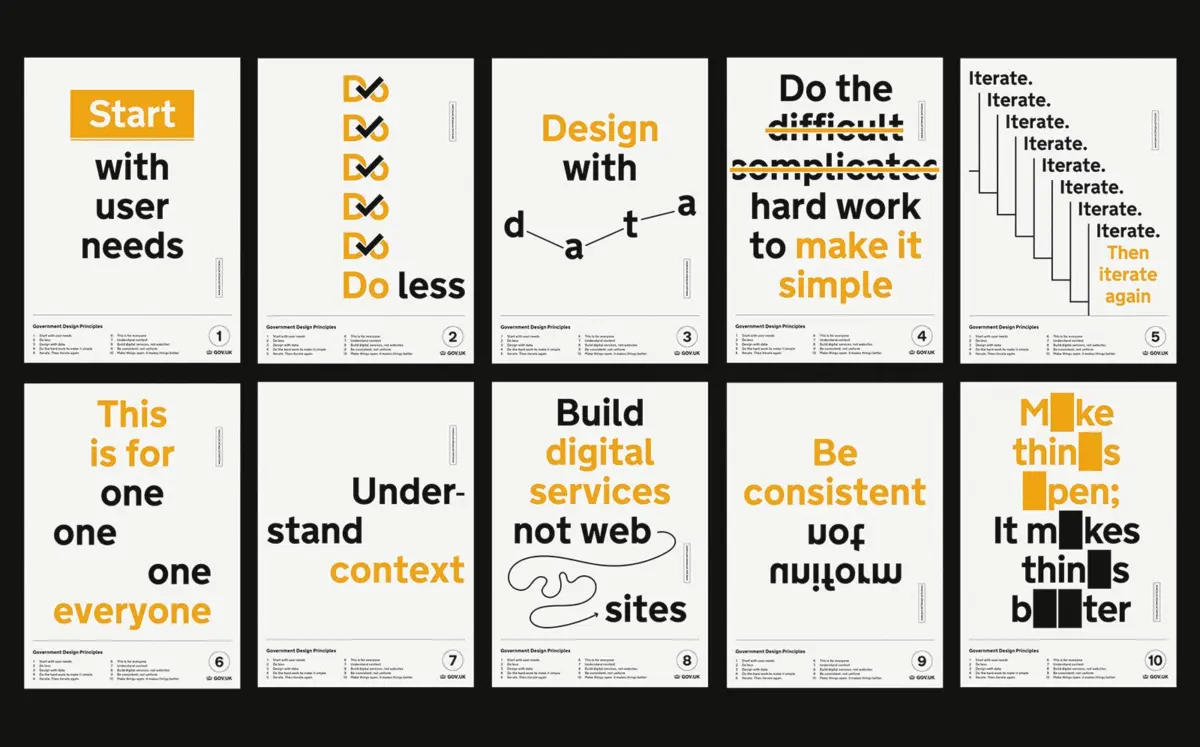
Governance is necessary, but it must be handled with extreme care. Overly strict governance policies create friction that actively stifles progress. Rather than issuing voluminous compliance manuals detailing every prohibited action, organizations should adopt concise, principles-based governance models—similar to the acclaimed design principles utilized by government digital services.
The Rise of Shadow AI
When official corporate tools prove inadequate or bureaucratic approval processes move at a glacial pace, employees inevitably resort to unauthorized workarounds. Just as "shadow IT" emerged via unauthorized cloud storage platforms during the digital transformation boom, we are now witnessing an epidemic of "shadow AI."
Frustrated workers are bypassing corporate guardrails entirely, inputting sensitive enterprise data into personal ChatGPT, Claude, or Gemini accounts on their phones and home laptops. This behavior represents a severe security vulnerability born directly of excessive restriction.
"Instead of trying to stamp out shadow AI, organizations should learn from it," Boag advises. "Talk to staff about what they are using personal accounts for and what they feel they cannot do with the official toolset. Use those insights to shape what gets rolled out next."
Conclusion
Ultimately, viewing AI adoption merely as an IT procurement milestone is a catastrophic strategic error. Artificial intelligence is an exercise in human change management, cultural adaptation, and organizational empathy. Companies that recognize the profound human scope of this technological revolution—prioritizing psychological safety, practical motivation, and adaptive governance—will successfully navigate the turbulent waters ahead. Those that rely on top-down mandates and fear-based control will find themselves outpaced by a workforce driven entirely underground.