

Executive Overview
In the high-stakes arena of seasonal fast-food marketing, autumn has long been synonymous with one dominant flavor profile: pumpkin spice. For over two decades, coffee chains, bakeries, and consumer packaged goods (CPG) brands have waged fierce marketing battles to capture the cultural zeitgeist every September.
Yet, as consumer fatigue sets in regarding standard-issue autumnal promotions, brands are forced to elevate their creative strategies, turning to high-concept nostalgia, unexpected celebrity pairings, and humorous narrative-driven campaigns.
Enter Dunkin’—the Massachusetts-based coffee and doughnut giant—with what may be its most ambitious and pop-culturally disruptive fall campaign to date.
Launching on September 8, Dunkin’s latest commercial campaign confronts a pressing, albeit absurd, historical question: Who was the real sixth member of the Spice Girls?
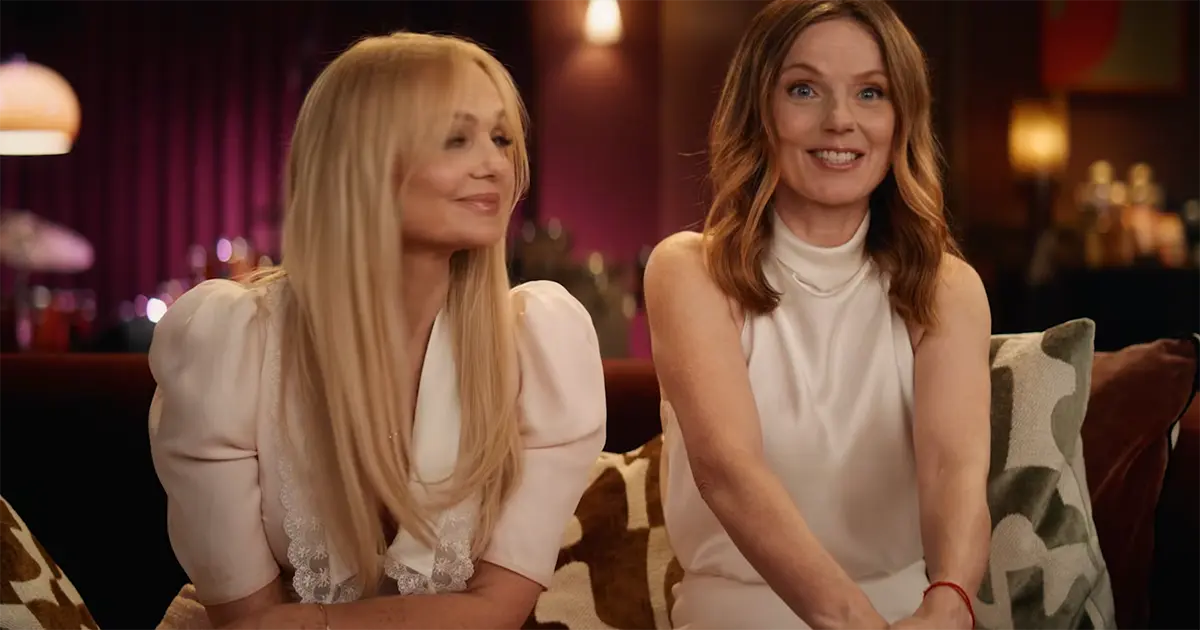
Leaning into the rich, highly scrutinized mythology of 1990s British pop culture, the brand’s new creative spot reunites two iconic members of the global powerhouse group—Emma Bunton (Baby Spice) and Geri Halliwell-Horner (Ginger Spice)—to reveal a startling retcon. According to the ad, the group’s original lineup included a forgotten sixth bandmate: Pumpkin Spice, brilliantly portrayed by comedian and actress Rachel Dratch.
This comprehensive report provides an in-depth analysis of Dunkin’s blockbuster autumn campaign. We examine the detailed chronology of the spot’s narrative, explore the rich pop-cultural context of the Spice Girls’ lore, analyze Dunkin’s broader marketing trajectory (including its penchant for 90s nostalgia and celebrity-studded vehicles), and project the future outlook for seasonal coffee marketing in an increasingly saturated digital media landscape.
Detailed Chronology & Creative Breakdown
Setting the Stage: The 90s Pop Reunion
The commercial opens in a sleek, nostalgic aesthetic that immediately transports viewers back to the height of Cool Britannia and late-90s pop excess. Emma Bunton and Geri Halliwell-Horner, recognizable instantly by their enduring monikers Baby Spice and Ginger Spice, sit together in a stylish, sunlit interior. They are poised, reflective, and visibly nostalgic as they discuss the foundational years of the greatest girl group of the twentieth century.
However, the conversation quickly takes a surreal, comedic turn. The duo begins reminiscing not about chart-topping stadium tours or global domination, but about a mysterious, oft-erased sixth member of the ensemble: Pumpkin Spice.
Enter Rachel Dratch as "Pumpkin Spice"
Cue Rachel Dratch. The Saturday Night Live alumna bounds into the narrative clad in an aggressively orange, pumpkin-themed stage outfit that parodies the maximalist fashion of the late 90s pop scene. Dratch embodies the fictional character with unhinged comedic precision, capturing the earnestness of a pop star lost to the mists of time.
As the spot unfolds, Baby Spice and Ginger Spice recount the golden era of Pumpkin Spice’s tenure in the group, dropping references to lost musical gems from the vault, such as:
- "Don’t Squash My Love"
- "Walk Through My Pumpkin Patch"
In a confessional interview segment, Bunton gravely reflects on Pumpkin Spice’s avant-garde artistic contributions, noting with a straight face that the character’s choreography was simply "ahead of its time."
The Breakup and Solo Career
Every legendary band breakup has its artistic differences, and the Spice Girls are no exception. According to the commercial’s rewritten history, Pumpkin Spice did not leave the group due to the traditional pressures of fame or internal friction. Instead, she boldly struck out on her own to pursue an unexpected solo trajectory: a career in lattes.
The spot culminates in a brilliant comedic beat: Pumpkin Spice passionately pitches a grand reunion tour to her former bandmates, complete with stadium-sized ambitions. Bunton and Halliwell-Horner exchange skeptical, deadpan glances, utterly unconvinceable. The spot closes on this hilarious impasse, leaving viewers amused, bewildered, and craving a hot espresso beverage.
Supporting Context & Cultural Metrics
Navigating Spice Girls Lore
For pop music historians and die-hard fans (commonly referred to as "Spice Boys" and "Spice Girls"), the premise of a "sixth member" carries a layer of genuine historical irony.
While the official narrative of the group’s formation centers around the iconic quintet of Mel B (Scary Spice), Mel C (Sporty Spice), Emma Bunton (Baby Spice), Geri Halliwell (Ginger Spice), and Victoria Beckham (Posh Spice), pop lore dictates that the original lineup was slightly different.
Before their explosive 1996 global debut with "Wannabe," a singer named Michelle Stephenson was briefly part of the group under the original moniker Touch before leaving—or being asked to leave—due to conflicting personal and professional ambitions.
By inserting Rachel Dratch’s "Pumpkin Spice" into this historical gap, Dunkin’ cleverly lampoons music industry documentaries, behind-the-scenes tell-alls, and manufactured pop nostalgia. It treats the quintessential autumn flavor not merely as a culinary ingredient, but as a living, breathing pop star with a troubled past and a penchant for dramatic exits.
Dunkin’s Broader Marketing Playbook: The Nostalgia Economy
This campaign is not an isolated creative experiment; it is the latest masterstroke in Dunkin’s ongoing masterclass in nostalgia-driven advertising. Over the past several years, the brand has successfully positioned itself at the intersection of comfort food, pop culture iconography, and high-profile celebrity collaborations.
Consider Dunkin’s recent marketing milestones:
- The Super Bowl Sitcom Throwback: Earlier this year, Dunkin’ dominated Super Bowl ad metrics with a star-studded commercial that transported audiences straight back to the late 1990s and early 2000s. The spot featured brand regular Ben Affleck alongside heavy-hitting sitcom royalty, including Jennifer Aniston and Matt LeBlanc (Friends) and Jason Alexander (Seinfeld).
- Influencer-Driven Launches: Dunkin’ has similarly dominated digital-first spaces by partnering with Gen Z and millennial powerhouses, such as TikTok megastar Alix Earle, to introduce seasonal menu items to younger demographics.
By marrying the global recognition of 90s icons (Bunton and Halliwell-Horner) with the sharp comedic timing of Rachel Dratch, Dunkin’ successfully bridges generational divides. Gen X and older millennials experience a dopamine hit of pure childhood nostalgia, while younger consumers enjoy the absurdity of the narrative and the meme-able nature of Dratch’s orange-hued performance.
Official Rollout & Consumer Engagement Strategy
Launch Timeline and Digital Ecosystem
The campaign officially breaks on September 8, strategically timed to catch consumers just as the collective psychological shift toward autumn takes hold.
However, Dunkin’s rollout strategy spans multiple phases across both traditional broadcast and digital ecosystems:
- The Lead-Up: Dunkin’ officially kicked off the fall season on August 19 by quietly dropping its comprehensive line of pumpkin-flavored products in stores, generating early buzz and satisfying eager consumer demand ahead of the official calendar shift.
- The Commercial Drop: On September 8, the primary television and digital video spots featuring Bunton, Halliwell-Horner, and Dratch debut globally across major networks, YouTube, Meta platforms, and connected TV (CTV) environments.
- Social Media Amplification: Throughout the fall months, Dunkin’ plans to roll out supplementary social media content across TikTok, Instagram, and X (formerly Twitter). This content will feature outtakes, mockumentary-style interview clips with "Pumpkin Spice," and interactive fan engagement opportunities designed to drive user-generated content (UGC).
Promotional Incentives: The Conversion Mechanism
Creative storytelling is only as effective as its bottom-line impact. To convert digital engagement and cultural curiosity into physical foot traffic, Dunkin’ is backing the campaign with a high-value consumer promotion:
- The Free Latte Offer: Throughout the initial rollout phase, participating Dunkin’ locations nationwide are offering a free medium pumpkin spice latte with any qualifying purchase.
This promotional strategy leverages the classic "loss-leader" model, drawing consumers through store doors to experience the flagship fall item at zero marginal cost, while driving cross-purchasing of breakfast sandwiches, baked goods, and branded merchandise.
Future Outlook: The Evolution of Seasonal Marketing
The Death of the Standard Product Launch
Dunkin’s "Pumpkin Spice" campaign offers a clear blueprint for the future of fast-moving consumer goods (FMCG) and quick-service restaurant (QSR) marketing.
For nearly two decades, the playbook for autumn product launches was straightforward: announce the return of the pumpkin spice latte, plaster a leaf graphic on a paper cup, and rely on the inherent addictiveness of cinnamon, nutmeg, and espresso.
That playbook is no longer sufficient. In an attention economy saturated with competing brands—ranging from independent artisanal coffee shops to direct-to-consumer grocery brands—consumers demand entertainment, narrative depth, and emotional resonance.
By treating a flavor profile as a fictional character with a complex backstory, Dunkin’ has elevated a standard seasonal menu update into a piece of pop culture entertainment. Consumers are no longer just buying a beverage; they are participating in a joke, a shared cultural moment, and an ongoing narrative.
What Lies Ahead for QSR Brand Strategies
As we look toward the remainder of the decade, several key marketing trends will likely emerge from the success of campaigns like Dunkin’s Spice Girls reunion:
- Hyper-Niche Nostalgia: Brands will continue to mine the late 90s and early 2000s for cultural touchstones, targeting the peak purchasing power of millennials who now occupy prime consumer demographics.
- Narrative Serialization: Rather than relying on one-off commercials, successful brands will build multi-part storylines across digital and social channels, turning product launches into episodic events.
- Comedic Self-Awareness: Consumers are increasingly skeptical of corporate earnestness. Campaigns that lean into absurdity, self-deprecation, and comedic heavyweights (such as Rachel Dratch) consistently outperform traditional, overly polished promotional spots.
Conclusion
Dunkin’s audacious gambit to rewrite pop history proves that even the most heavily commercialized seasons of the year still harbor room for genuine creativity, humor, and surprise.
By uniting Baby Spice, Ginger Spice, and a fictional, pumpkin-clad Rachel Dratch, the brand has successfully navigated the cluttered noise of autumn advertising. Whether consumers are rushing to secure a free medium latte or debating the historical accuracy of Pumpkin Spice’s choreographic contributions, one thing remains indisputable: Dunkin’ has officially spiced up the fall.
For more information on Dunkin’s fall menu, store locations, and promotional terms, visit Dunkin’s Official Website or explore trade insights via ADWEEK.