

Executive Overview
In the quiet domesticity of a Pennsylvania kitchen, amidst the autumnal ritual of preserves-making, an unexpected culinary masterpiece emerged. Author and avid pomological enthusiast celebrated a personal milestone in fruit tasting: the consumption of what he has formally classified as the single greatest apple of his life.
The specimen in question—a Reine des Reinettes, historically known variously as the King of the Pippins, Queen of the Pippins, or Golden Winter Pearmain—defied all standard agricultural logic. Having endured a grueling, cross-border book tour spanning Vermont, Canada, and the Hudson Valley, the apple bypassed conventional cold-storage protocols, spent days languishing in hotels and automobiles, and was initially destined for nothing more elevated than a communal batch of applesauce.
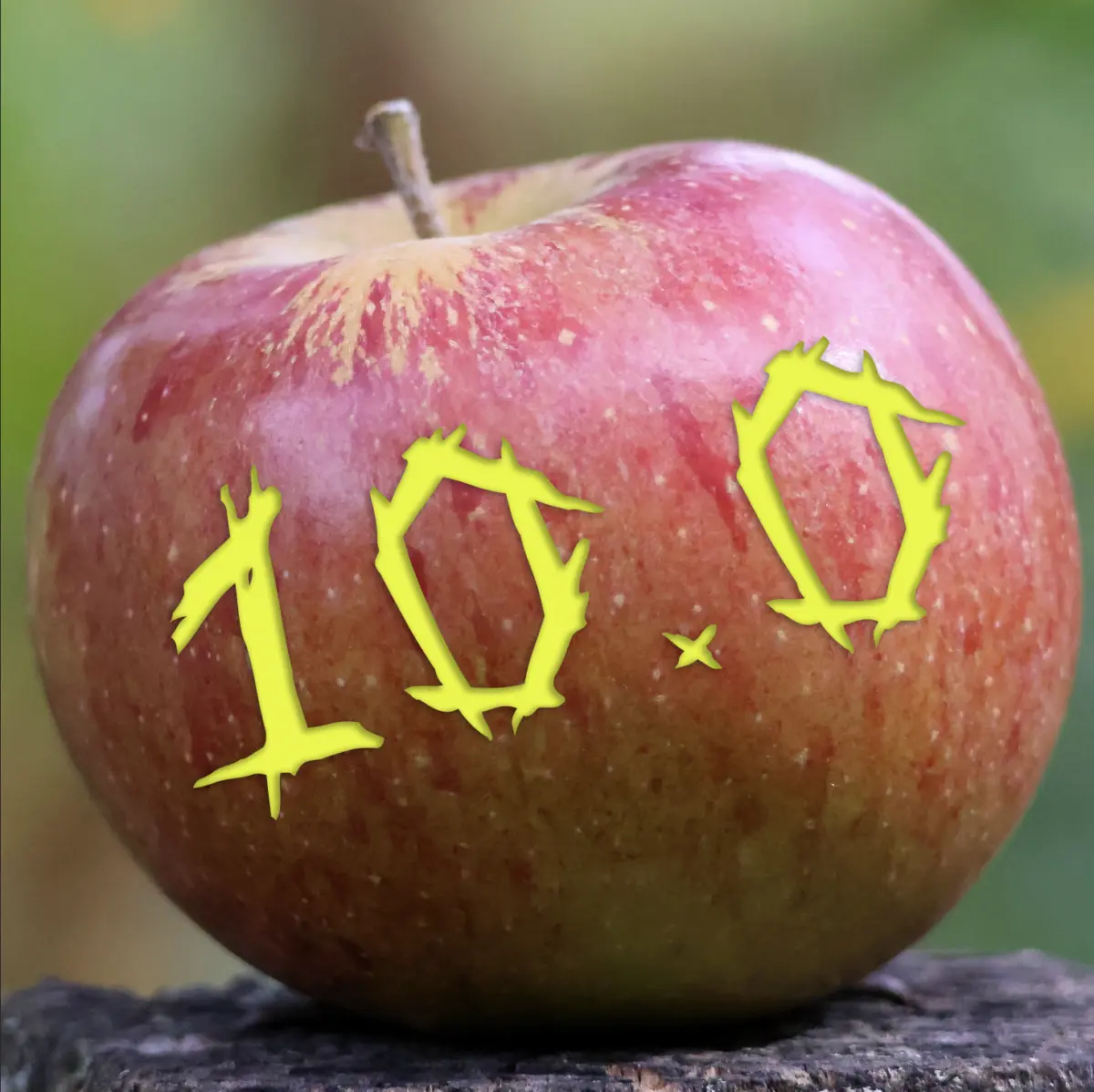
Instead, upon slicing, it delivered an unprecedented sensory explosion, earning a flawless 10/10 rating. This event transcends a mere anecdotal snack; it serves as a fascinating case study in agricultural unpredictability, terroir variation across temporal cycles, and the profound intersection of mindfulness and modern sensory engagement. This report investigates the journey of the record-breaking fruit, the grueling logistics of its transit, the complex flavor profile that stunned its consumer, and the broader implications for heirloom apple cultivation and appreciation.
Detailed Chronology: From Vermont Orchards to the Pennsylvania Crisper
To understand the magnitude of the culinary event, one must trace the improbable itinerary of the Reine des Reinettes specimen. The apple’s story begins not in a controlled laboratory or a high-tech agricultural facility, but in the storied rows of Vermont’s Scott Farm, a historic sanctuary for heritage fruits.
Phase One: The Capstone Tour and Pomological Hunting
The final week of the Calamities book tour served as the operational backdrop for this pomological expedition. Known among his readership for an insatiable appetite for rare and heirloom apples—a pursuit playfully likened to that of an "apple pig"—the author utilized tour stops to scout regional orchards. Accompanied by fellow authors Delilah S. Dawson and Kevin Hearne, the initial leg kicked off with a direct raid on Scott Farm in Vermont.
Phase Two: Fanfare and Transit
As the tour progressed through iconic independent bookstores—including Phoenix Books in Burlington, Vermont; Gibsons in Concord, New Hampshire; Oblong in Rhinebeck, New York; and Bakka-Phoenix in Toronto, Canada—local readers and booksellers partook in the regional tradition of gifting artisanal produce to the traveling author.
It was at Phoenix Books in Burlington that the fateful Reine des Reinettes was presented. Rather than being consumed at the peak of its freshness, the apple was drafted into an arduous multi-state itinerary:
- Leg A (Vermont to Canada): The fruit crossed international borders, residing in hotel rooms and vehicle cup-holders.
- Leg B (Canada to the Hudson Valley): Subjected to fluctuating cabin temperatures and the kinetic chaos of a trunk-bound book tour.
- Leg C (The Final Return): Transported back to a home base in Pennsylvania, where it sat unrefrigerated for several days before finally being relegated to a standard crisper drawer—bypassing the industrial-grade, humidity-controlled apple refrigerators preferred by purists.
Phase Three: The Kitchen Revelation
Days following the return to Pennsylvania, the domestic objective shifted to the production of homemade applesauce. Rummaging through the crisper drawer, the author identified the travel-weary Reine des Reinettes. Recognizing its exterior blemishes and lack of optimal storage history, expectations were set low. The apple was viewed strictly as raw material for a larger, homogenized batch.
The destruction of that assumption occurred at the cutting board. Upon the blade piercing the flesh, and the subsequent mechanical release of volatile aromatic compounds during the first bite, the itinerary’s hardships were instantly retrofitted into a narrative of astonishing resilience. Zero percent of the apple reached the applesauce pot; one hundred percent was consumed on the spot, slice by deliberate slice, under the watchful, sleeping gaze of a newly adopted puppy named Cooper.
Supporting Context & Metrics: Decoding the Reine des Reinettes
To contextualize a 10/10 rating, one must examine the baseline performance of the cultivar and the subjective metrics applied by the taster.
Historical Performance and Comparative Metrics
In the previous harvest cycle (October 2025), the same cultivar from the same geographical root stock—Scott Farm—was evaluated and awarded a respectable, yet restrained, 8 out of 10. That previous encounter was documented by the consumer as being intertwined with complex ruminations on nostalgia, melancholy, and literature.
| Metric Category | 2025 Evaluation (Reine des Reinettes) | 2026 Evaluation (Reine des Reinettes) |
|---|---|---|
| Source Orchard | Scott Farm (VT) | Scott Farm (VT) |
| Storage History | Standard cold storage | Multi-state transit, ambient vehicle/hotel storage |
| Primary Destination | Direct consumption / review | Relegated to applesauce processing |
| Textural Profile | Moderate crispness, mild tannin grip | High juice, zero vampiric tannin pull |
| Flavor Complexity | Balanced sweet/tart | Explosive (lavender, almond, anise, pear, pineapple) |
| Numerical Score | 8 / 10 | 10 / 10 |
Chemical and Sensory Profile Analysis
The sensory breakdown reported during the 2026 tasting reveals a staggering array of volatile organic compounds naturally synthesized by the fruit:

- Sugar-Acid Balance: Described as "mega sweet" paired with an "ultra tart" backbone, indicating a high brix-to-acidity ratio that prevents cloying sweetness.
- Secondary Notes: Observers noted distinct tertiary flavor notes atypical of mass-market commercial apples (such as Red Delicious or Gala), including faint undertones of culinary lavender, bitter almond extract, bright citrus zest, licorice-like anise, crisp European pear, and tropical pineapple.
- Mouthfeel Dynamics: High juice content compensated for the lack of industrial refrigeration. Crucially, the fruit lacked "vampiric tannins"—the astringent, mouth-drying compounds that plague certain heritage varieties when over-ripened or improperly stored.
Official Statements and Reflections
While no formal agricultural boards have issued statements regarding this specific piece of fruit, the experiential testimony provided by the consumer offers deep insight into the philosophy of modern artisanal food consumption.
"It was an absolute firework finale of flavor. It was mega sweet, it was ultra tart, there was a touch of lavender, of almond extract, of citrus, of anise, pear and pineapple — but no textural issues, none of the vampiric suck of high tannins. Just big juice and big flavor."
— The Consumer / Author
Reflecting on the psychological state induced by the fruit, the consumer noted an involuntary shift into profound mindfulness:
"I stood there, alone in my kitchen but for the dog… I just took slice after slice and ate it. Slowly and methodically. Not being wilful about what I was tasting, but being mindful — and not really even choosing mindfulness so much as being drawn into it by the wonders of this apple."
Furthermore, the event highlights the variability inherent in perennial agriculture. The juxtaposition of an 8/10 score last year versus a 10/10 score this year underscores a vital lesson for pomologists and consumers alike: fruit must be evaluated continuously, across changing climatic seasons, micro-climates, and harvest years, rather than written off based on a single historical data point.
Future Outlook: The Endless Pursuit of Pomological Perfection
The identification of a 10/10 fruit establishes a new benchmark, but it also introduces a psychological and epicurean burden: the eternal chase.
Implications for Heirloom Orcharding
As modern agriculture increasingly prioritizes shelf-life, shipping durability, and uniform cosmetic appearance (traits optimized in corporate varieties), the survival of heirloom cultivars like the Reine des Reinettes depends entirely on niche markets, historical preservation farms like Scott Farm, and dedicated consumers willing to embrace irregularity. The fact that a mistreated, traveled heirloom apple outperformed mass-market standards by an astronomical margin serves as a powerful marketing argument for agricultural biodiversity.
The Road Ahead
For the consumer in Pennsylvania, the immediate future holds a dedicated quest to replicate the experience—knowing full well that nature rarely repeats exact configurations. Weather patterns, soil chemistry, tree maturation, and the exact moment of picking create a lightning-in-a-bottle phenomenon.
As the literary tour concludes and the quiet routines of writing and domestic life resume, the standard has been permanently altered. The search for the next transcendent apple continues, proving that profound joy often hides in the most mundane of kitchen tasks.
What remains to be seen is whether the broader culinary community will increasingly look beyond the supermarket aisle, turning toward the rich, unpredictable world of heirloom pomology to find their own elusive 10 out of 10.
