

Executive Overview
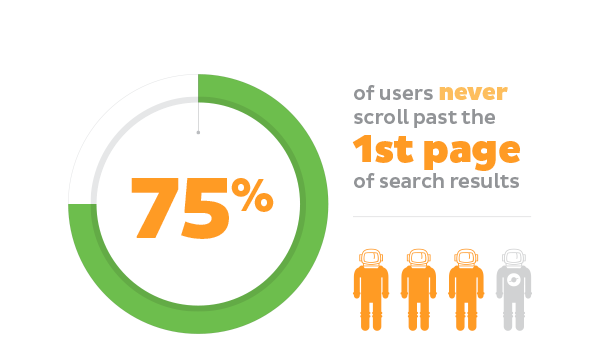
In the modern digital economy, visibility is currency. With global users executing upwards of 3.5 billion searches every single day, search engines—predominantly Google—act as the ultimate gatekeepers of attention, traffic, and revenue. Yet, a brutal reality governs this digital landscape: 75% of users never scroll past the first page of search results.
As digital marketing pioneer Brian Clark famously quipped, "The best place to hide a dead body is page 2 of the Google search results."
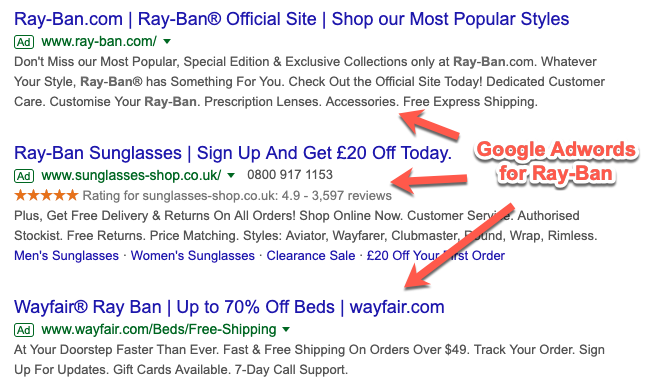
Securing a coveted first-page ranking is no longer just a vanity metric; it is a fundamental survival requirement for modern enterprises. However, capturing and holding real estate on Google’s front page has become exponentially more complex. Modern Search Engine Results Pages (SERPs) are fiercely competitive battlegrounds dominated by Pay-Per-Click (PPC) advertisements, Local Map Packs, Featured Snippets, People Also Ask boxes, and Google Shopping carousels.
For many small-to-midsize businesses, attempting to rank a freshly minted domain for hyper-competitive, top-tier keywords can feel like scaling a glass wall. This comprehensive report outlines 13 strategic methodologies—ranging from instant-impact internal optimization to external authority hijacking—designed to position your business on Google’s front page, with or without relying solely on your primary website.

Detailed Chronology: The Evolution of Modern SERP Dominance
The methodology of search engine optimization (SEO) has evolved far beyond basic keyword stuffing and primitive link exchanges. Today, securing top-tier rankings requires a calculated, chronological deployment of technical audits, content optimization, and off-page authority building.

Below is the chronological roadmap of tactical maneuvers required to systematically conquer the modern SERP environment.

Phase 1: Immediate and Internal Optimization
1: Exploit Your Existing Keyword Opportunities (The 24-Hour Pivot)
Most marketers treat keyword research exclusively as a tool for ideation. However, the fastest path to the first page of Google isn’t building new content—it is rescuing pages that are already lingering on the cusp of page one (positions 6 through 20).
- Identify Low-Hanging Fruit: Using SEO intelligence tools like Semrush, pull an organic research report for your domain and apply a custom position filter (6–20). This instantly isolates keywords where your site has already established baseline relevance.
- Filter by Intent: Layer additional filters—such as a minimum search volume of 100, a maximum Keyword Difficulty (KD) of 49%, and a word count of 3 or more—to surface high-intent commercial or informational targets.
- Prioritize the Funnel: Export these keywords into a tracking matrix, prioritizing bottom-funnel "money" terms before moving up to broader informational queries. Inject these pages with updated insights, comprehensive subtopics, and optimized internal linking to rocket them into the top 5 overnight.
2: Find and Eliminate Keyword Cannibalization
When multiple pages on your domain compete for the exact same search query, disaster ensues. Google’s algorithms struggle to determine which asset to prioritize, often penalizing or entirely ignoring both. Furthermore, backlinks and user signals become fractured across competing URLs.

- Audit the Domain: Export your site’s entire organic keyword profile via Semrush or Google Search Console and map it into a centralized tracking spreadsheet.
- Merge or Purge: Identify overlapping rankings. If two competing pages offer unique value, consolidate them into a single, authoritative canonical resource and implement a 301 redirect from the discarded URL. If a competing page lacks unique value, prune it entirely to consolidate page-level authority.
3: Steal "Position Zero" with Featured Snippets
Ranking in position #1 is prestigious, but capturing Position #0 (The Featured Snippet) allows you to intercept up to 8.6% of clicks directly away from the top-ranking organic result.
- Audit Competitor Snippets: Filter your Semrush organic report to isolate keywords where your domain ranks on page one, but a competitor holds the snippet. Alternatively, identify competitor URLs that currently monopolize snippets in your niche.
- Format for Extraction: Reorganize your content sections to directly answer target queries using concise 40-to-50-word paragraphs, structured bulleted lists, or clear step-by-step tables that search engine crawlers can easily parse and display.
4: Capture Local Intent via the Google Map Pack
For location-dependent enterprises, traditional organic results are only half the battle. The Google Map Pack frequently commands prime above-the-fold real estate even without explicit "near me" modifiers.

- Optimize Local Signals: Maximize your Google Business Profile by ensuring accurate geographic categorization, consistent NAP (Name, Address, Phone) citations, and a continuous stream of authentic customer reviews.
5: Target Low-Competition, High-Conversion Long-Tail Keywords
Broad head terms are often locked down by enterprise giants. Shifting focus to long-tail variations yields lower search volumes but significantly higher conversion intent.

- Mine Question Queries: Utilize keyword discovery tools to filter specifically for question-based modifiers (how, what, when, why). Integrating these long-tail variations captures users precisely at the moment of active problem-solving.
Phase 2: External Leverage and Alternative Search Strategies
When direct domain competition is mathematically unviable due to insurmountable authority gaps, agile brands turn to external visibility frameworks.

6: Deploy "Barnacle SEO" to Piggyback on High-Authority Directories
In ultra-competitive verticals like real estate (Zillow, Trulia), travel (TripAdvisor, Timeout), and legal services (Avvo, Justia), direct head-on competition is a fool’s errand. Instead, practice Barnacle SEO—attaching your brand to established industry monoliths.

- Identify Dominant Intermediaries: Run searches for your target keywords to find forums (like Quora) or directory sites holding the top spots.
- Contribute Value: Establish verified profiles, actively answer high-traffic community threads, and link back to comprehensive resource pages on your site to syphon off highly targeted referral traffic.
7: Execute "Parasite SEO" for Ultra-Competitive Terms
Unlike Barnacle SEO (which relies on directories and forums), Parasite SEO involves publishing comprehensive guest content directly onto high-authority third-party publications and news outlets that instantly rank for hyper-competitive, top-tier keywords.

- Pitch Authority Sites: Partner with industry-leading publications to place curated, high-value articles that naturally feature your brand, product, or training course, bypassing the years-long domain authority ramp-up time for your own property.
8: Rigorously Match Content Type to SERP Intent
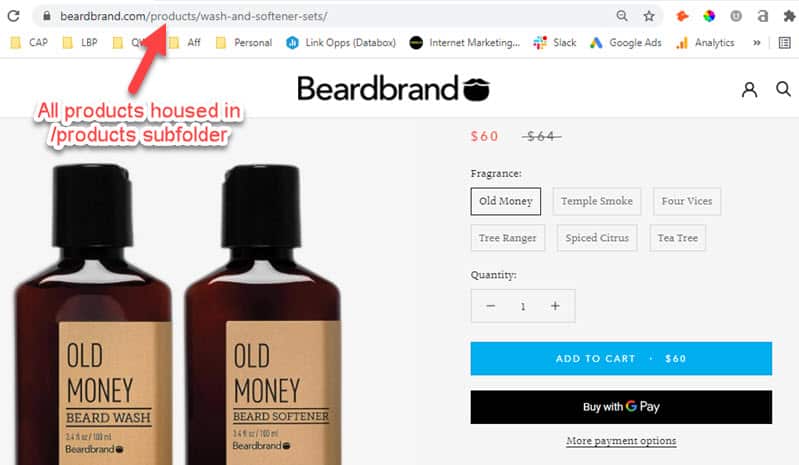
A frequent pitfall in SEO execution is targeting a keyword with the wrong content format (e.g., trying to rank a product page for a query where Google clearly prefers long-form educational listicles or instructional videos).

- Analyze the SERP First: Always inspect the top 5 ranking results before writing a single word. If Google rewards comprehensive guides, do not attempt to force a product landing page into the slot. Align your content format precisely with user expectations.
Phase 3: Authority Engineering and Technical Foundations
9 & #10: Qualify and Build Page-Level Link Signals
Correlation studies consistently prove that page-level backlink metrics (referring domains and Page Authority) maintain the strongest statistical relationship with first-page rankings.
- Replicate Competitor Backlinks: Use backlink gap analysis to audit top-ranking competitor assets, isolating clean, text-based editorial links that you can systematically pitch and replicate.
- Internal Link Equity Flow: Bolster newly published assets by systematically routing internal link equity from your site’s highest-authority historical pages down to the new target URL.
11: Expand Your Organic Footprint with Semantic Clusters
A single, well-structured resource page can easily rank for hundreds or thousands of semantic variations.
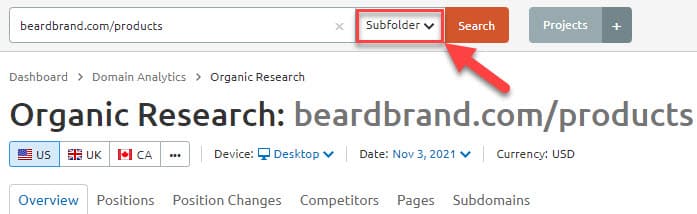
- Leverage Keyword Magic Tools: Input your primary seed term into advanced clustering tools to extract secondary thematic sub-topics, integrating them naturally into your core asset to capture broader topical authority.
12: Embrace an Absolute Mobile-First Mindset
With mobile devices driving the vast majority of global web traffic, Google utilizes Mobile-First Indexing, evaluating the mobile version of your site as the primary determinant of your search visibility.

- Audit Performance: Utilize Google Search Console, Mobile-Friendly testing suites, and PageSpeed Insights to eliminate layout shifts, reduce load latency, and ensure flawless mobile usability.
13: Pay to Play (Strategic PPC Integration)
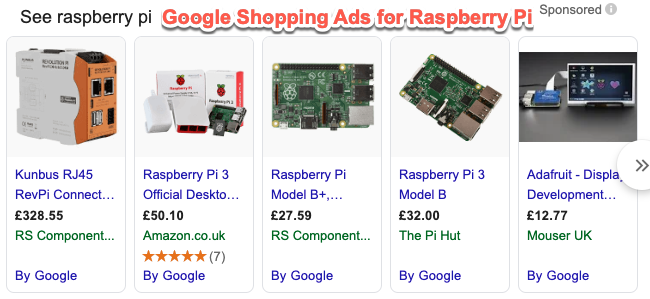
While organic SEO compounds over time, paid acquisition bridges the gap. Leverage Google Ads, Local Map Pack promotions, and sponsored directory placements (such as G2 or Avvo) to instantly secure top-of-page visibility while your organic strategies mature.

Supporting Context & Metrics
To contextualize the monumental impact of first-page optimization, industry analytics provide striking benchmarks:

- The Click-Through-Rate (CTR) Cliff: Position #1 in organic search commands an average CTR of roughly 27.6%, dropping precipitously to under 3% by position #10. Page 2 effectively registers a 0% sustainable yield.
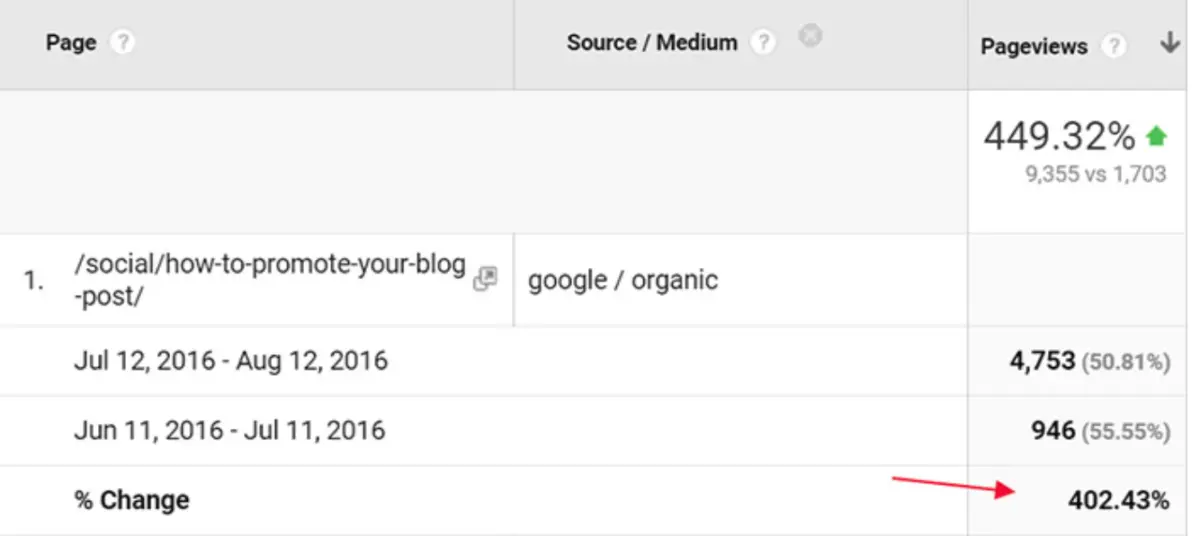
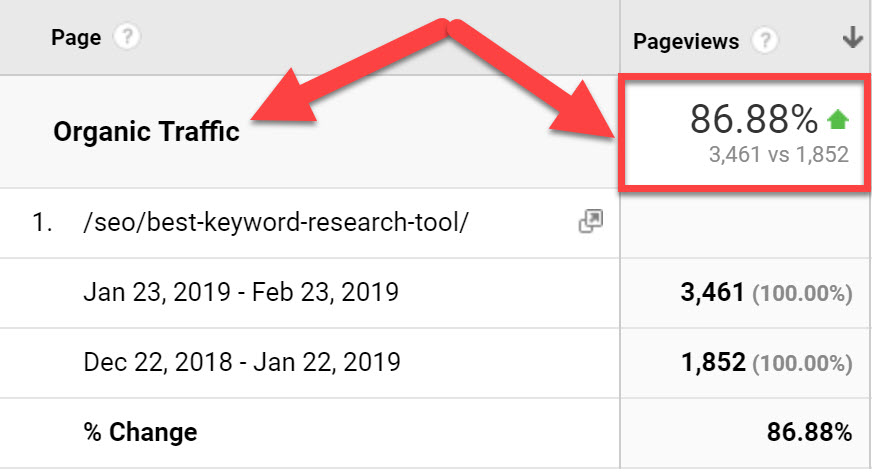
- The Power of Semantic Depth: Case studies demonstrate that optimizing a mature page for semantic secondary keywords can expand its organic footprint from a single head term to upwards of 11,000 ranking queries, fundamentally transforming monthly traffic generation.
Official Statements and Industry Insights
Top digital marketing authorities emphasize that SEO is no longer about tricking algorithms, but about matching user intent with technical excellence.

As prominent SEO strategist Robbie Richards notes: "You can’t always rank on page one with your own web properties, but this shouldn’t stop your business from getting front page visibility for your most important keywords." By intelligently blending internal quick-wins, content matching, and external parasite strategies, businesses can bypass traditional authority bottlenecks.

Future Outlook
As artificial intelligence increasingly reshapes search engines through conversational query processing and generative AI experiences (such as Google’s Search Generative Experience), the foundational rules of visibility are shifting.

However, the core pillars outlined in this report remain immutable: user intent alignment, technical speed, semantic depth, and authoritative trust signals will continue to separate market leaders from invisible competitors. Organizations that adopt a multi-faceted approach—combining rapid internal audits, aggressive link-building frameworks, and paid acceleration—will dominate digital market share for the foreseeable future.