Journalists occupy a uniquely revered, feared, and satirized position in the cultural imagination. Combining the analytical rigor of classical detectives with the physical and moral daring of adventure heroes—a conceptual archetype best summarized as "Nancy Drew meets Indiana Jones"—fictional reporters have long served as the narrative engines driving some of cinema and television’s most enduring stories. They are the truth-seekers, the villain-uncoverers, and the ultimate risk-takers who put their lives, licenses, and sanity on the line simply to secure the scoop.
Yet, the depiction of journalism in popular culture exists on a vast spectrum. Some portrayals are fiercely inspirational, capturing the relentless grit required to break systemic corruption. Others are wildly envious, offering a glossy, high-fashion window into media empires. And quite a few are utterly, hilariously absurd—whether they involve transfiguring into a beetle to eavesdrop on sources, or relying on a flimsy pair of spectacles to completely fool an entire metropolitan police force.
This comprehensive retrospective examines the most iconic fictional journalists, editors, and media moguls across film and television history. From comic book bullpens and high-stakes supernatural thrillers to high-society gossip blogs and luxury fashion publications, we break down who got the story right, who fundamentally compromised journalistic ethics, and why these characters continue to define how the public views the press.
Detailed Chronology of Fictional Media Icons
1. Lois Lane & Clark Kent (Superman, 2025)
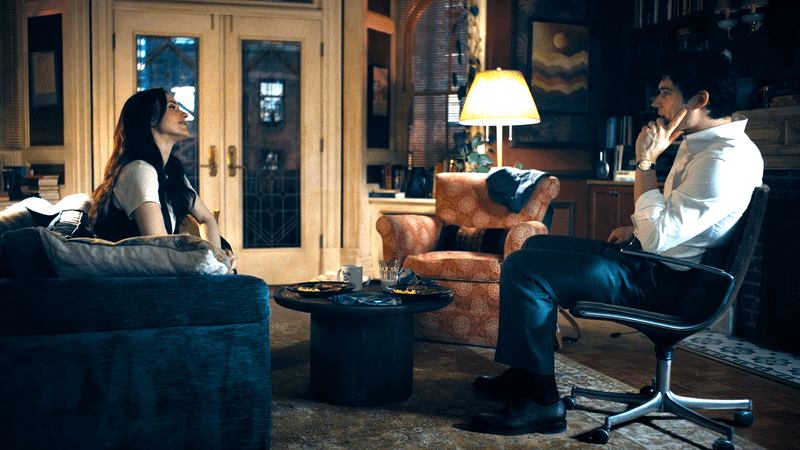
The gold standard of metropolitan investigative reporting can be found at the Daily Planet, where Lois Lane (portrayed in the 2025 iteration by Rachel Brosnahan) sets the bar for professional vigor. While endless cultural discourse surrounds the absurdity of Clark Kent (David Corenswet) maintaining his secret identity via a simple pair of prescription glasses, one must ask: What was the alternative? Conducting hard-hitting investigations into LexCorp while wearing a ski mask?
Lane’s interview with Kent—conducted while he is in his Superman persona on his living-room sofa—remains a masterclass in aggressive accountability journalism. Pulling zero punches, Lane interrogates the Kryptonian on the geopolitical legality of his vigilantism. She demands to know whether he received executive approval to intervene in Jarhanpur, and presses him on whether forcing the president of Boravia against a desert cactus constitutes torture. Kent may lose his cool under the pressure, but it is a testament to Lane’s razor-sharp interviewing style: he is simply no match for stellar investigative reporting.
2. Andy Sachs & Miranda Priestly (The Devil Wears Prada, 2006, and The Devil Wears Prada 2, 2026)
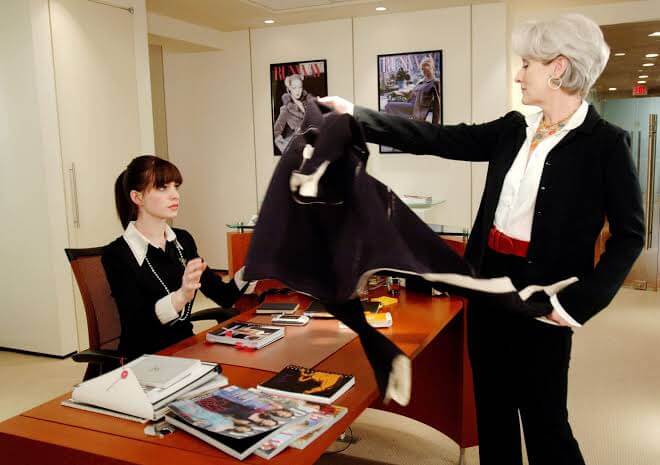
In the glossy, high-stakes ecosystem of elite print journalism, Miranda Priestly (Meryl Streep) stands as an icon of unyielding standards, immaculate taste, and terrifying management styles. Priestly runs Runway magazine with an iron fist, curating an environment where fear and respect are leveraged to keep publication quality at its peak.
Entering this lion’s den was Andy Sachs (Anne Hathaway), a Northwestern journalism graduate initially ill-prepared for the dizzying, superficial-seeming demands of high fashion. Sachs’s journey from a bewildered assistant to a self-assured writer showcases a courageous commitment to carving out an independent path. This legacy is further cemented by her impassioned defense of the printed word and journalistic integrity at the outset of The Devil Wears Prada 2.
3. Betty Cooper & Jughead Jones (Riverdale, 2017–2023)
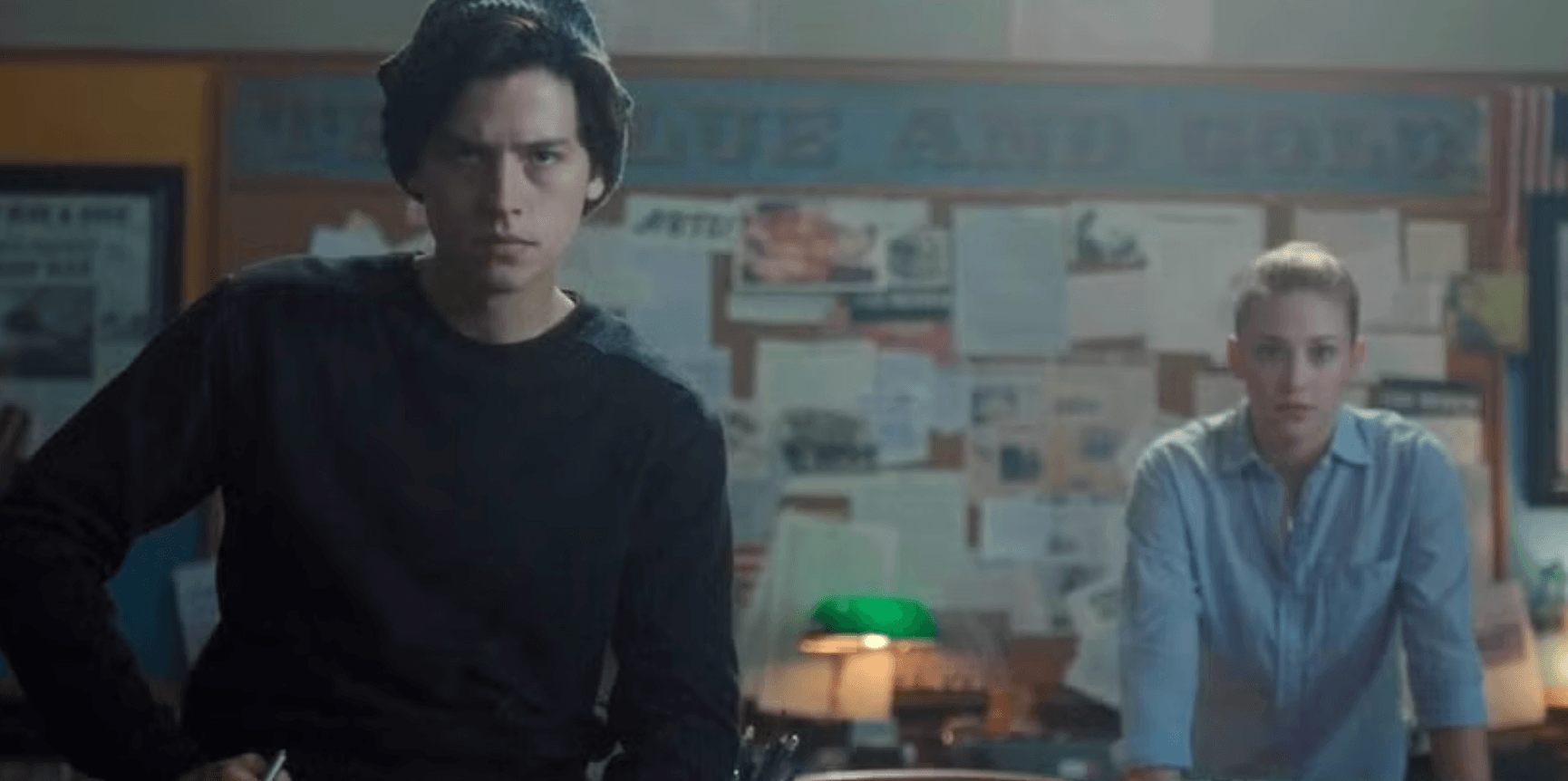
Operating out of the dimly lit confines of the Blue and Gold high school newsroom—complete with the obligatory corkboard and red string connecting suspect photographs—Betty Cooper (Lili Reinhart) and Jughead Jones (Cole Sprouse) redefined scholastic journalism.
To tackle Riverdale’s underworld of murderers, cults, and drug rings, these teenagers exercised a level of gumption that put professional newsrooms to shame. While Cooper’s methods occasionally stretched ethical boundaries—such as using muscle relaxers as a DIY truth serum on high school bullies—her dedication to unmasking killers like Jason Blossom is undeniable. Paired with Jones’s pretentious yet endearing literary references, this dynamic duo managed cheer practice, milkshakes at Pop’s Chock’lit Shoppe, and unhinged musical productions while simultaneously breaking major municipal news.
4. Rory Gilmore & Paris Geller (Gilmore Girls, 2000–2007)
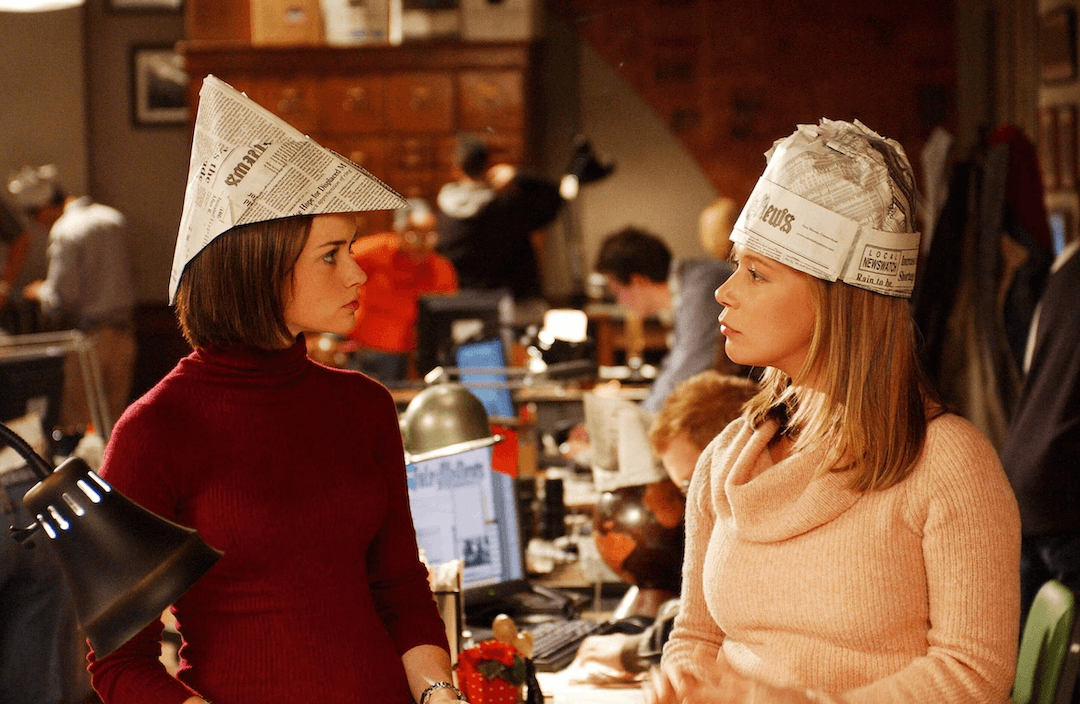
Few media partnerships capture the chaotic productivity of school newspapers quite like Chilton’s The Franklin and the Yale Daily News. Rory Gilmore (Alexis Bledel) and Paris Geller (Liza Weil) formed an academic and journalistic dream team driven by polar-opposite yet complementary forces: Gilmore’s unwavering, empathetic work ethic and Geller’s aggressive, unapologetic pursuit of the truth.
While Gilmore may not have ascended to become the next Christiane Amanpour, her willingness to tackle deeply personal profiles—such as writing about her former English teacher and her mother’s ex-fiancé—demonstrated real journalistic nerve. Geller’s editorial assignments, meanwhile, required a very specific, Machiavellian genius, even if she ultimately couldn’t prevent Gilmore from briefly derailing her academic track by dropping out of Yale.
5. Carrie Bradshaw (Sex and the City, 1998–2004)
For a generation of style-conscious aspirants, Carrie Bradshaw (Sarah Jessica Parker) transformed the weekly column into an art form. Writing "Sex and the City" for The New York Star, Bradshaw famously turned the trials and tribulations of her romantic life—analyzed over late-night sushi and Cosmopolitans—into lucrative weekly essays.
Bradshaw captured the romanticized struggle of the urban creative class, famously declaring, "When I first moved to New York and I was totally broke, sometimes I would buy Vogue instead of dinner. I felt it fed me more." It is a sentiment that resonates with anyone who has ever prioritized the cultural hustle over basic sustenance.
6. Rita Skeeter (Harry Potter Series)
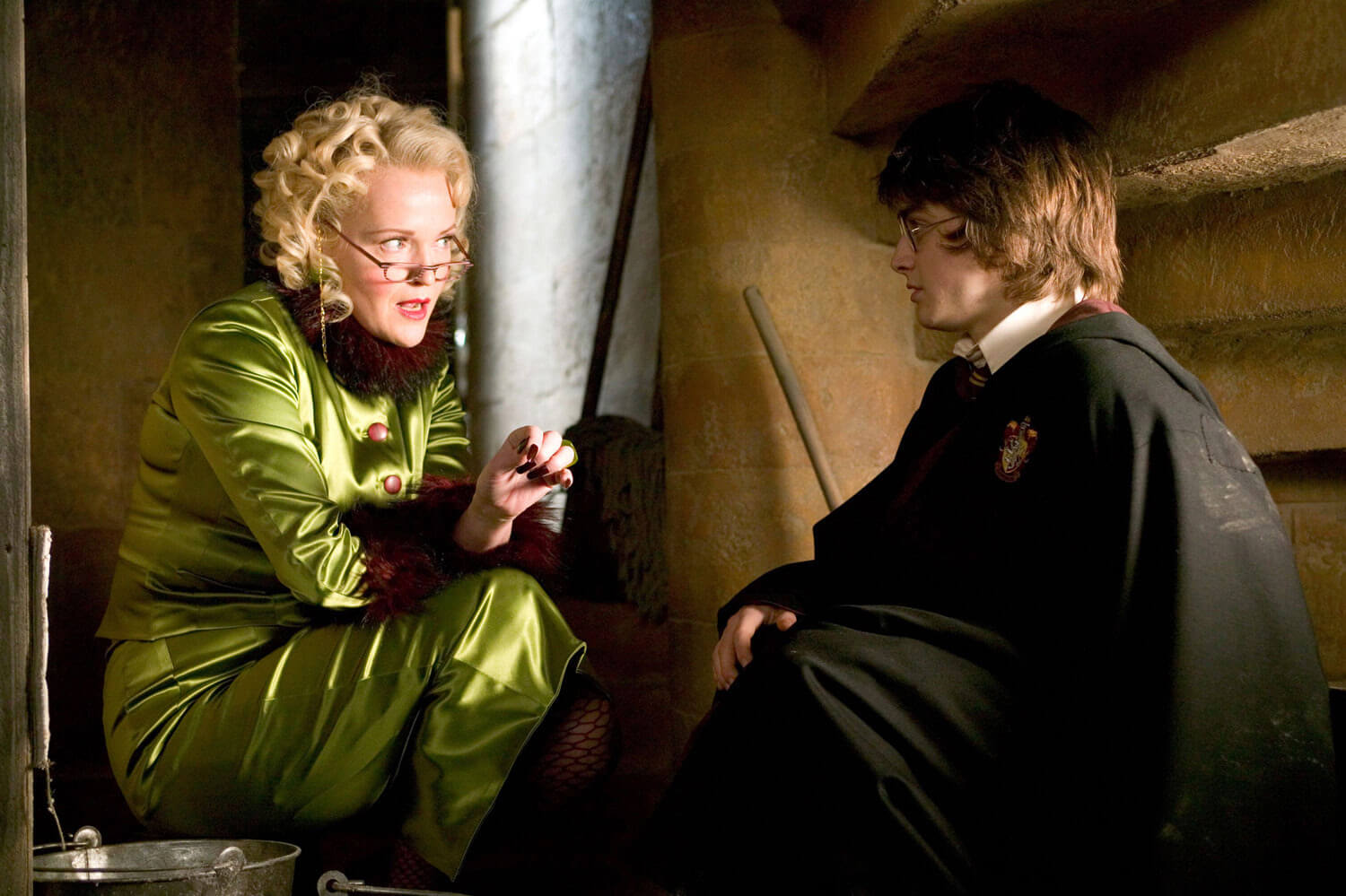
If the previous entries represent the noble and the ambitious, Rita Skeeter (Miranda Richardson) embodies the dark underbelly of tabloid media. Sending shockwaves through the Wizarding World, Skeeter’s sensationalized coverage in the Daily Prophet—targeting Harry Potter during the Triwizard Tournament and probing into Albus Dumbledore’s past—served as a masterclass in unethical reporting.
Skeeter committed virtually every cardinal sin in journalism: fabricating quotes entirely, leaning into malicious yellow journalism, and utilizing unregistered animagus abilities (transforming into a beetle) to illegally bug sources. Her eventual entrapment in a mason jar by Hermione Granger remains one of fantasy literature’s most poetic acts of media censorship.
7. Peter Parker & J. Jonah Jameson (Spider-Man, 2002)
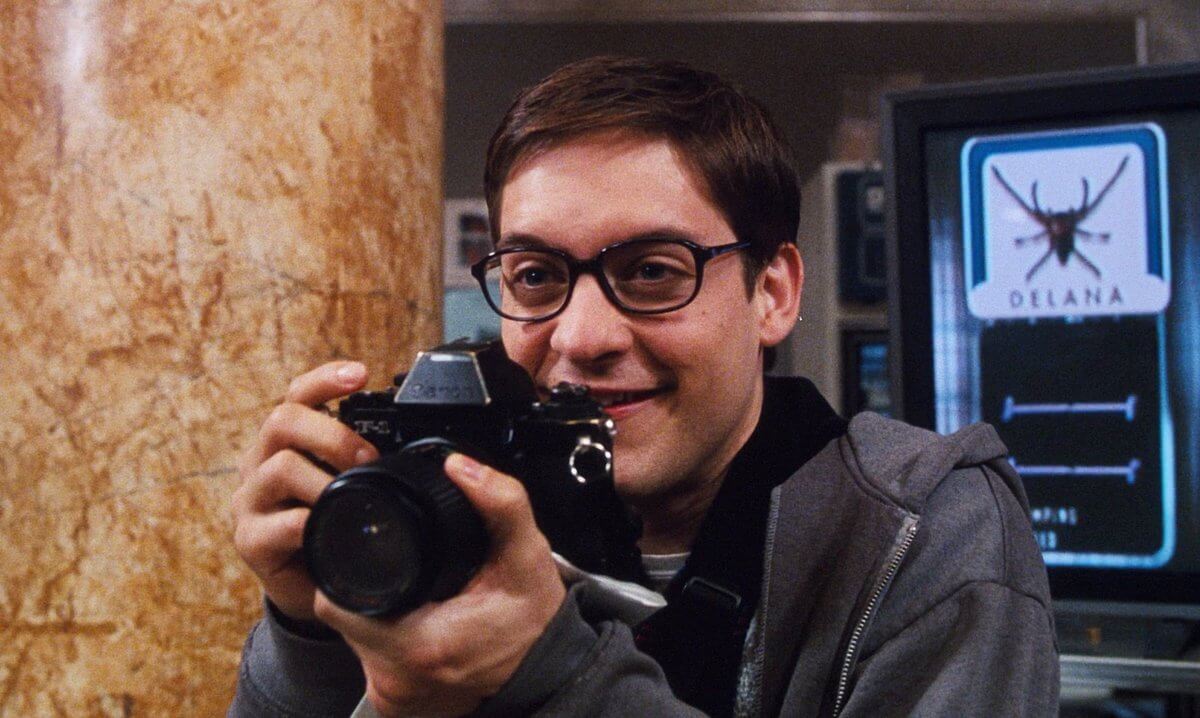
The symbiotic, highly combative relationship between freelance photographer Peter Parker (Tobey Maguire) and Daily Bugle Editor-in-Chief J. Jonah Jameson (J.K. Simmons) highlights the economic realities of media production. Parker needed a day job to pay rent and chase villains, and turning in exclusive action shots of his superhero alter ego was a uniquely brilliant freelance hustle.
Jameson, meanwhile, represents the ultimate "hater" and sensationalist editor. Upon reviewing Parker’s incredible action photographs, Jameson famously declared them "crap, crap, mega crap"—before immediately shelling out $300 to splash them across the front page. His unwavering commitment to branding Spider-Man as a public menace proved that controversy sells newspapers, a philosophy he maintained across multiverses.
8. Gossip Girl (Gossip Girl, 2007–2012)
Long before the era of modern digital influencers and decentralized social media journalism, Gossip Girl was orchestrating a hyper-local media empire across Manhattan’s Upper East Side. Relying on an army of informants snapping covert photos at galas and brunches, this anonymous blogger utilized scheduled text blasts to distribute breaking news straight to elite BlackBerrys. While her editorial practices certainly crossed into cyberbullying, her operational hustle anticipated the speed and reach of modern digital journalism.
9. Nancy Wheeler (Stranger Things, 2016–2025)
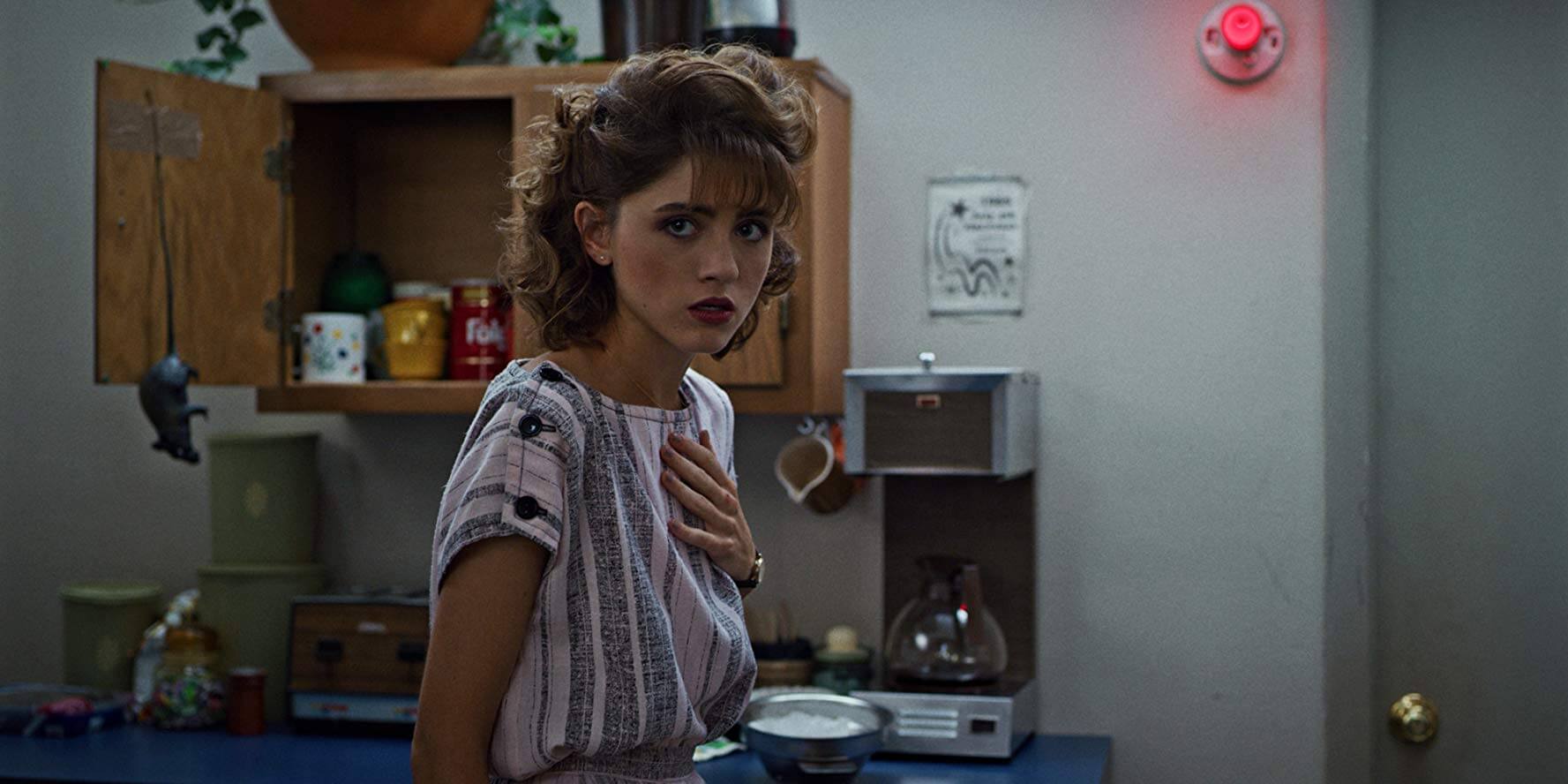
Living in Hawkins, Indiana, means dodging Demogorgons, shady government conspiracies, and a painfully misogynistic local newsroom at The Hawkins Post. Nancy Wheeler (Natalia Dyer) refused to let these obstacles halt her investigations.
Her relentless drive to uncover the truth about Hawkins Lab led her to bend—and shatter—ethical boundaries, such as impersonating a grieving family member to interrogate an incapacitated hospital patient. Yet, it was precisely this unyielding investigative grit that exposed villains like Vecna and avenged fallen friends, proving that rule-breaking is sometimes essential to public safety.
10. Gale Weathers (Scream Franchise)
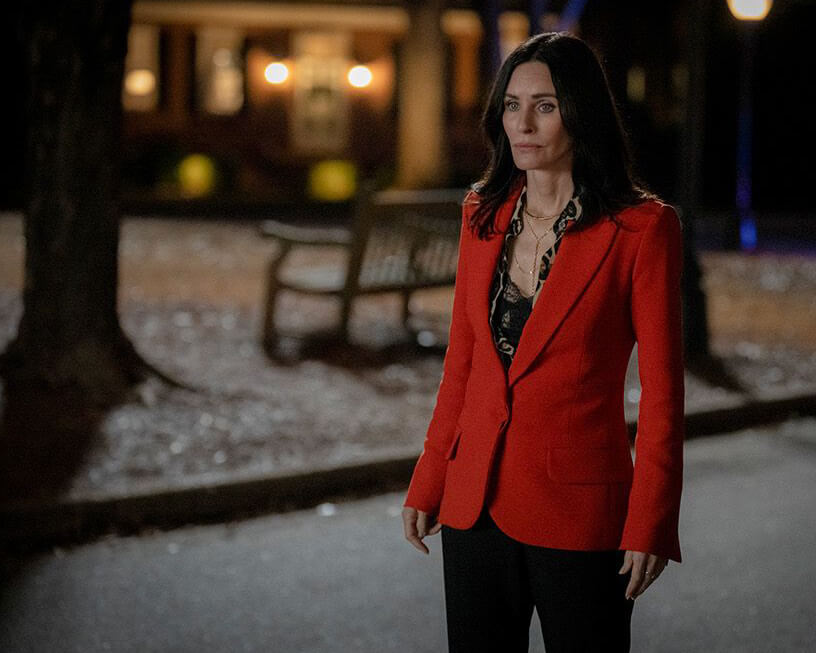
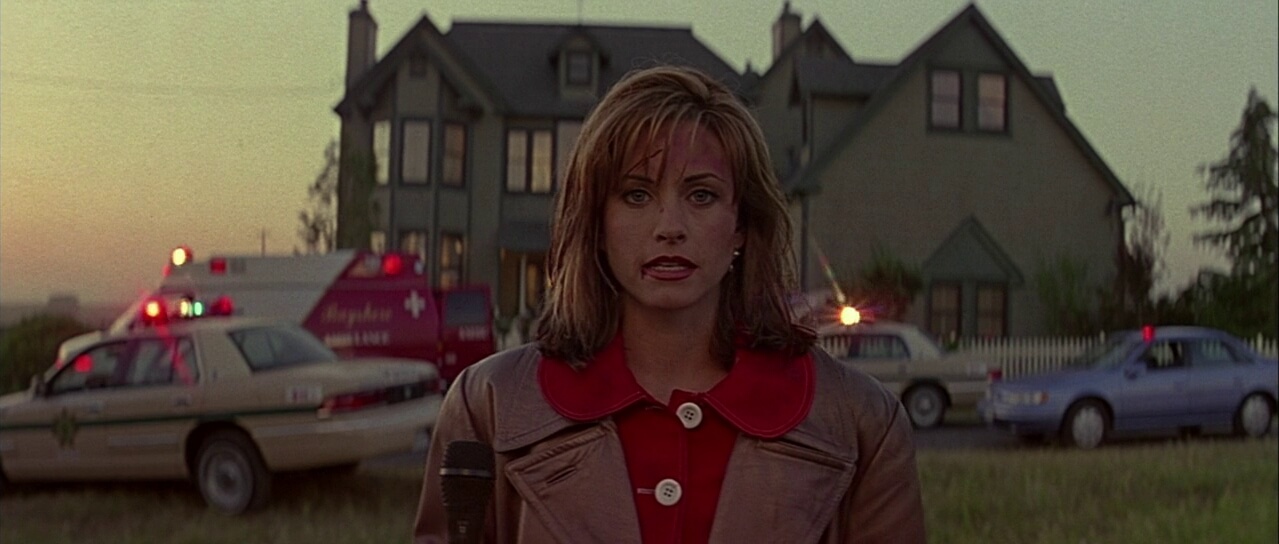
Initially introduced as an opportunistic, fame-seeking antagonist willing to exploit teenage grief for a national book deal, Gale Weathers (Courteney Cox) evolved into the ultimate cinematic "final girl." Her ruthless tactics—flirting with law enforcement for leaks and secretly recording private gatherings—made her deeply unlikable in the franchise’s early stages.
However, as the body count rose across Woodsboro and beyond, it became clear that a fearless, cocky journalist with a high-tech news van was precisely the asset needed to outsmart a string of deranged serial killers.
Supporting Context & Metrics: The Evolution of Media Tropes
To understand why these fictional reporters resonate, one must look at how cultural depictions of journalism influence public trust. According to media analysis metrics over the past two decades, fictional representations tend to polarize into two distinct archetypes:
The Crusading Investigator (Lois Lane, Nancy Wheeler, Betty Cooper): Characterized by moral clarity, physical bravery, and an institutional distrust of authority. These characters typically operate outside traditional bureaucratic channels to expose structural corruption.
The Cynical Capitalist (J. Jonah Jameson, Miranda Priestly, Cat Grant): Characterized by high-pressure management, commercial pragmatism, and a focus on readership metrics, circulation, or brand dominance.
While real-world journalists rarely possess the supernatural combat skills of Superman or the magical transfiguration abilities of Rita Skeeter, the underlying themes—deadlines, source protection, editorial pushback, and the eternal quest for truth—remain anchored in reality.
Official Statements and Industry Reflections
Media scholars and critics have frequently noted the cultural impact of these fictional newsrooms. In academic symposia examining the portrayal of the press in popular culture, analysts often emphasize that fictional journalists shape civic expectations.
"When audiences watch characters like Lois Lane or Nancy Wheeler put themselves directly in the line of fire, it reinforces the foundational democratic value of a free and fearless press," notes a recent retrospective published by media ethics researchers. "Even when fictional portrayals lean into absurdity—such as magical quills or beetle-spies—they underscore a persistent cultural truth: the public values a storyteller who refuses to back down."
Future Outlook: The Next Generation of Screen Journalists
As television and cinema continue to evolve into the late 2020s, the landscape of fictional media is shifting once more. With upcoming projects focusing on travel writing (People We Meet on Vacation featuring Poppy Wright), digital media startups, and fantasy-world broadsheets, the definition of what constitutes a "journalist" is expanding.
Yet, despite technological shifts from print broadsheets and BlackBerry text blasts to algorithm-driven feeds, the core narrative drivers remain unchanged. Whether they are dodging alien invasions, surviving high school cliques, or navigating the terrifying demands of a fashion mogul, fictional journalists will always remain our preferred proxies for uncovering secrets and telling the stories that matter.