

Executive Overview
The contemporary media and journalism landscape is undergoing a series of seismic shifts characterized by high-profile political departures, massive corporate consolidation battles, and the pervasive integration of artificial intelligence. In Washington, White House Press Secretary Karoline Leavitt has announced her departure, closing a tenure defined by combative defense of President Donald Trump and a notable return to regular press briefings. Simultaneously, corporate boardrooms are wrestling with major antitrust challenges, highlighted by Paramount considering the divestiture of CNN to clear its acquisition path of Warner Bros. Discovery.
Concurrently, investigative journalism continues to prove its enduring value—demonstrated by the Washington Post breaking critical national security and political administration scoops despite recent deep newsroom cuts—even as artificial intelligence reshapes reporting workflows and ethics. From AI-driven newsrooms beating human journalists to the punch, to the Society of Professional Journalists (SPJ) overhauling its ethical frameworks for a technologically advanced era, the industry is reckoning with fundamental questions of authorship, accountability, and truth.
Detailed Chronology: Key Industry Developments
1. White House Shake-Up: Leavitt Departs
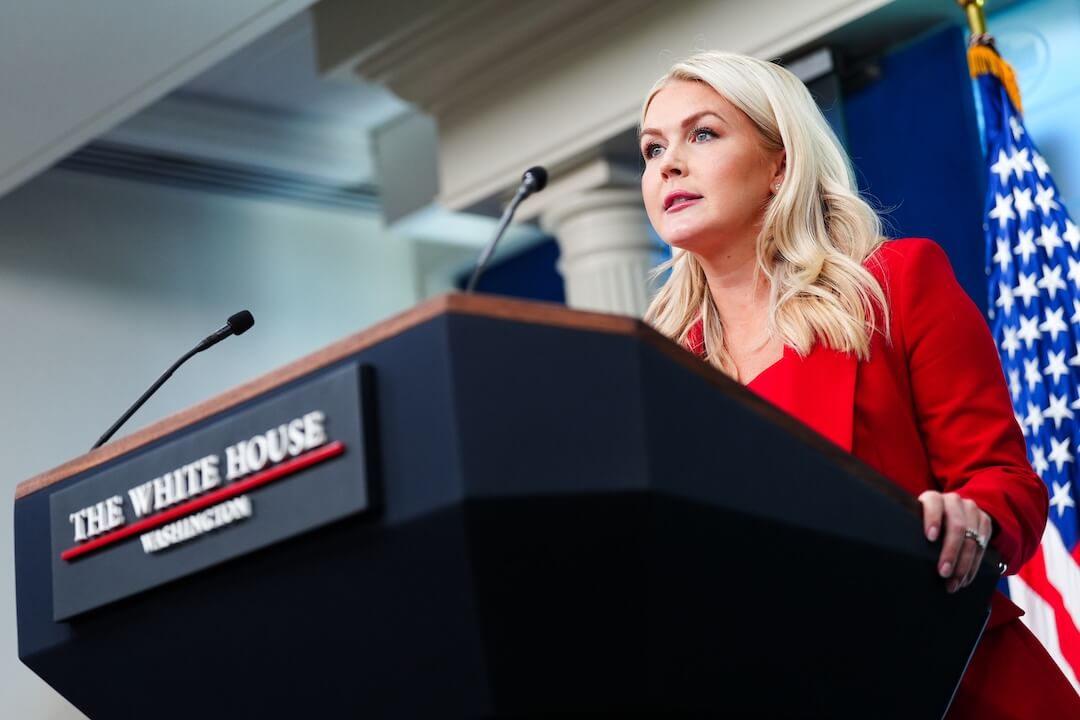
Following an eventful year and a half as President Donald Trump’s chief spokesperson, White House Press Secretary Karoline Leavitt announced her departure, effective at the end of August. Trump confirmed the transition via Truth Social, citing Leavitt’s desire to spend more time with her young family. At 28 years old, Leavitt departs as the youngest person to serve in the role. Trump indicated she will remain a "top outside advisor" and a prominent voice for the Republican Party leading into the midterm elections.
In a statement posted to social media, Leavitt reflected on her tenure as "the honor and adventure of a lifetime," noting that after returning from maternity leave, she realized the rigorous demands of the position precluded her from dedicating the necessary time to her family. Unlike late-stage practices in Trump’s first term, Leavitt’s tenure stood out for her consistent presence at the podium, holding regular press briefings, though she remained a fiercely loyal and combative defender of the administration, frequently clashing with the press corps.
2. Paramount, Warner Bros. Discovery, and the CNN Question
The proposed acquisition of Warner Bros. Discovery by Paramount has hit another major roadblock. Plagued by an antitrust lawsuit spearheaded by a coalition of state attorneys general led by California Attorney General Rob Bonta, Paramount is exploring radical structural concessions to save the mega-deal.
During an appearance at Politico’s California Agenda conference, Paramount Chief Legal Officer Makan Delrahim confirmed that selling CNN is "on the table" to resolve the ongoing legal dispute. Concurrently, internal discussions have involved establishing an independent oversight board to protect CNN’s editorial independence should Paramount retain the network, attempting to mitigate mounting concerns over partisan reshaping following ideological shifts at CBS News under conservative editor-in-chief Bari Weiss.
3. The Washington Post Proves Its Resiliency
Despite severe cutbacks earlier this year that eliminated Pulitzer-winning journalists, foreign correspondents, and core sports desks, The Washington Post demonstrated its enduring investigative prowess with back-to-back major national scoops.
On Monday, reporters Dan Lamothe, John Hudson, Andrew Ba Tran, and Joyce Sohyun Lee revealed that President Trump was secretly smuggled off Air Force One as a decoy during a return trip from Turkey amid credible threats from Iran, leaving unsuspecting staff and reporters on the main aircraft. This was followed on Wednesday by an investigative report from Jonathan O’Connell and Sarah Blaskey showing that White House construction expenditures under the current administration are rapidly approaching a $1 billion price tag. Competitors across the industry, including prominent reporters at The New York Times, praised the Post’s resilience and continued investigative dominance.
4. AI Newsrooms and the Changing Definition of Authorship
The friction between traditional human reporting and automated publishing reached a new milestone at a Black Hat security conference in Las Vegas. While an OpenAI spokesperson briefed attendees on a July hacking incident, RuntimeWire CEO Ryan Merket ingested an ongoing livestream transcript onto an automated platform. Within six minutes, his AI-driven newsroom—operating entirely without human reporters on-site—published the breaking story.
Having generated over 2,000 articles since May, RuntimeWire’s automated architecture handles sourcing, drafting, fact-checking, and risk-assessment tasks autonomously. While Merket maintains traditional journalistic practices such as seeking pre-publication comment and issuing corrections, the automated bylines raise profound questions regarding authorship, accountability, and the long-term viability of human reporters in fast-paced news cycles.
5. Corporate and Legal Reckoning: Forbes and Local Press
In other major structural news:
- Forbes Leadership Ouster: The New York Times revealed that Forbes ousted top editor Randall Lane last month after discovering he accepted an undisclosed $6 million personal gift from RJ Shook, owner of business partner Shook Research. The financial entanglement violated employee policies prohibiting personal gains from company business dealings.
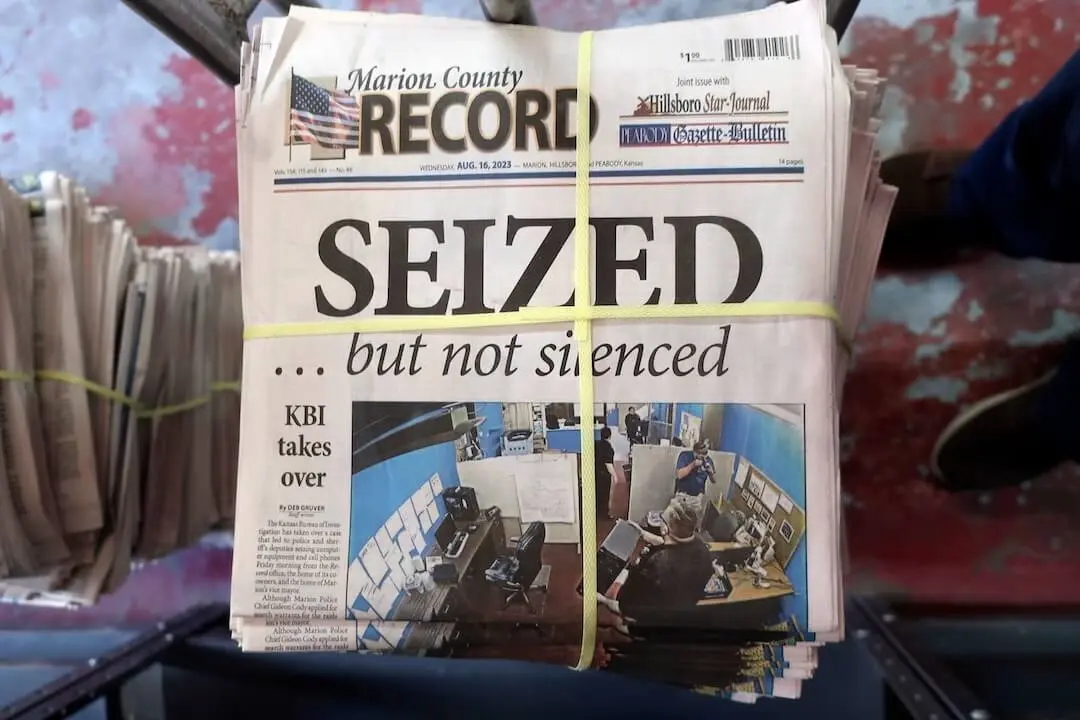
- Marion County Raid Settlement: Former Marion County Record reporter Phyllis Zorn secured an $850,000 settlement from the city of Marion, Kansas, resolving her federal lawsuit over a controversial 2023 police raid. Combined with a prior $600,000 settlement from Marion County, Zorn’s total recovery reaches $1.45 million, while broader litigation and criminal proceedings against former police leadership continue.
Supporting Context & Metrics: Ethics in the AI Era
The rapid integration of generative artificial intelligence into news operations has forced major journalism organizations to update their moral and operational guidelines. Notably, the Society of Professional Journalists (SPJ) released proposed revisions to its Code of Ethics—its first major update since 2014—featuring a striking omission: the explicit term "AI."
According to reports from Nieman Lab and the SPJ Ethics Committee, the committee deliberately avoided using "AI" or "generative artificial intelligence" within the codified rules to prevent the document from aging prematurely, noting how quickly technology evolves.
Key metrics highlighting the urgency of these updates include:
- 56% of journalists now utilize generative AI tools at least on a weekly basis, according to SPJ committee findings.
- Over 2,000 automated articles have been published by fully autonomous entities like RuntimeWire since their respective launches earlier this year.
- $1.45 million in cumulative legal settlements won by former Kansas journalist Phyllis Zorn, reinforcing legal protections against overreaching municipal raids on newsrooms.
The SPJ committee’s report underscores a dual approach: treating information generated by AI systems with the same rigorous verification standards applied to any traditional source, while simultaneously recognizing the unprecedented capability of synthetic media to rapidly scale misinformation, reinforce systemic biases, and generate convincing falsehoods.
Official Statements & Industry Perspectives
The past week has seen prominent industry leaders articulate the shifting paradigms governing media, politics, and ethics:
- Karoline Leavitt, Outgoing White House Press Secretary:
"Serving as press secretary has been the honor and adventure of a lifetime… [but] I realized I could not be the best mom my two young children deserve while meeting the demands of the job."
- Maggie Haberman, White House Correspondent for The New York Times:
"Donald Trump is very secretive — very secretive. He does not like letting information out that he has not authorized… They value secrecy above the need for transparency of any kind with the general public."
- Peter Baker, Chief White House Correspondent for The New York Times (via X, regarding The Washington Post):
"Every day the @washingtonpost still has some story that its competition wishes we had. As awful as the cuts have been, those left at the paper remain some of the best in the business."
- Randall Lane, Ousted Forbes Editor:
"I should have disclosed the gift, and failing to was a serious error in judgment. I deeply regret that, and I lost the job and team I love because of it."
Future Outlook
As the media industry navigates the remainder of the year, several critical trajectories will dictate its future:
- Political Communications and Press Freedom: With Leavitt’s departure, the upcoming appointment of a new White House press secretary will signal whether the administration intends to maintain regular briefings or shift communication strategies. Simultaneously, persistent legal battles over press access and transparency will continue to test the boundaries of executive power.
- Corporate Consolidation and Antitrust Enforcement: The ongoing antitrust litigation surrounding Paramount and Warner Bros. Discovery will set a powerful precedent for media mega-mergers. Should the potential divestiture of CNN materialize, it could redefine cable news ownership structures and alter market competition dynamics for decades.
- The AI Frontier in Newsrooms: The expansion of fully automated, AI-driven publishing platforms challenges traditional definitions of journalistic authorship and ethics. As organizations like the SPJ modernize their codes of conduct to address synthetic media without explicitly naming rapidly changing technologies, newsrooms will face mounting pressure to balance efficiency with rigorous verification.
- Investigative Resiliency: Despite severe economic headwinds, layoffs, and structural transformations across legacy print institutions, the capacity of reporters to break transformative investigative stories—demonstrated powerfully by The Washington Post and The New York Times—underscores that deep-dive accountability journalism remains an indispensable pillar of democratic society.