

Executive Overview
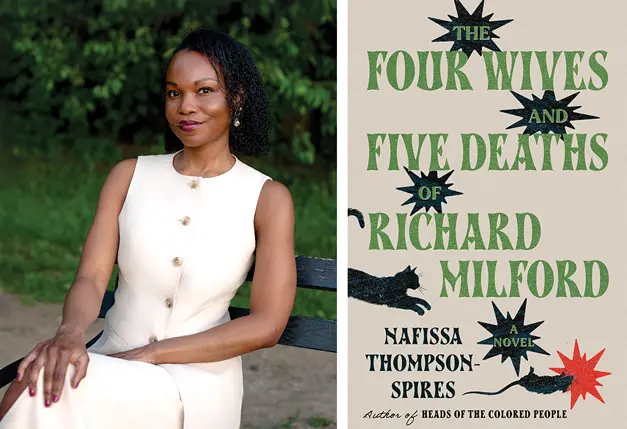
In her ambitious literary project, The Four Wives and Five Deaths of Richard Milford, acclaimed author Nafissa Thompson-Spires examines the complex dynamics of historical trauma, domestic violence, and subjective truth. Set within the distinct historical setting of an all-Black township in early 20th-century Oklahoma, the novel centers on the mysterious demise of Richard Milford—a tyrannical Black bootlegger whose abusive reign over his household and community makes him the most reviled figure in town.
Rather than offering a conventional murder mystery, Thompson-Spires constructs a dark, sardonic meta-narrative that explores how community lore, female vengeance, and competing personal testimonies reshape historical reality. Through a multi-layered narrative framework, the novel examines the life of a villainous patriarch and the collective relief of a community eager to dance on his grave. In doing so, Thompson-Spires engages with broader historical and epistemological questions: How do isolated communities preserve their stories? How do marginalized women reclaim agency in the wake of systemic and intimate violence? And ultimately, in a landscape shaped by competing voices, does a singular truth ever truly exist?
Detailed Chronology: From Ancestral Misconception to Archival Realization
The genesis of The Four Wives and Five Deaths of Richard Milford spans familial oral traditions, historical archives, and narrative experimentation. The evolution of the novel follows a distinct chronological development:
[Family Lore & Misunderstanding]
       │
       ▼
[Archival Discovery: Alice Dunbar Nelson Diaries]
       │
       ▼
[Geographic & Historical Framing: Oklahoma All-Black Towns]
       │
       ▼
[Structural & Meta-Narrative Construction]
Phase 1: The Ancestral Catalyst
The initial spark for the novel stemmed from a family story passed down to Thompson-Spires by her mother regarding her great-great-grandfather. The oral history painted a portrait of a daunting patriarch who purportedly fathered 40 children across three concurrent wives and governed his household through severe physical violence, famously wielding a riding crop.
Although subsequent genealogical research revealed a misunderstanding—he was not a practicing polygamist in the legal or religious sense, though his history of violence was real—the impression remained with the author. Thompson-Spires sought to explore a speculative question: What if the women bound to such a tyrant were afforded the opportunity to coordinate, execute, and narrate their retribution?
Phase 2: Archival Research and Voice Development
To construct the sharp, sardonic tone necessary for a story dealing with dark themes, Thompson-Spires turned to early 20th-century archival materials. A major influence was the personal diaries of activist, journalist, and poet Alice Dunbar Nelson.
Dunbar Nelson’s private writings revealed a sharp, observational wit and an unapologetic, candid commentary on contemporary society, institutional politics, and personal adversaries. This unvarnished voice served as the template for Lally, Richard Milford’s legal wife, infusing the novel with a acerbic humor that counterbalances its darker themes.
Phase 3: Spatial and Historical Contextualization
Selecting the setting required finding a location where Black autonomy and external violence existed simultaneously. Thompson-Spires chose to place the narrative in one of Oklahoma’s historic all-Black towns established between the late 19th and early 20th centuries. This environment allowed the story to explore internal community dynamics and economic self-determination, while keeping the constant threat of external racial violence in the background.
Phase 4: Structural Construction of the Meta-Narrative
The final stage of development involved structuring the novel around five distinct accounts of Milford’s death. By presenting multiple, often contradictory narratives of his demise, Thompson-Spires constructed a framework that foregrounds the unreliability of memory and the political nature of storytelling.
Supporting Context & Metrics: Socioeconomic Realities of Oklahoma’s Historic Black Towns
To understand the backdrop of Thompson-Spires’ novel, one must look at the historical landscape of post-Reconstruction Oklahoma. Following the Civil War and the unraveling of Reconstruction in the American South, thousands of African Americans migrated westward—particularly into Indian Territory and the newly formed state of Oklahoma—seeking political sovereignty, physical safety, and economic independence.
Oklahoma All-Black Townships & Racial Violence Metrics (1890–1950)
┌───────────────────────────────────────────────────────────┬────────────────────┐
│ Metric / Historical Marker                                │ Quantitative Value │
├───────────────────────────────────────────────────────────┼────────────────────┤
│ Historical All-Black Towns Established in Oklahoma        │ 50+                │
│ Extant Historic All-Black Towns Remaining Today           │ 13                 │
│ Documented Racial Lynchings in Oklahoma (1890–1950)       │ 75+                │
│ Narrative Accounts of Richard Milford's Death             │ 5                  │
└───────────────────────────────────────────────────────────┴────────────────────┘
The All-Black Town Movement
Between 1865 and 1920, Black pioneers established over 50 autonomous townships throughout Oklahoma, including prominent communities such as Boley, Langston, Rentiesville, and Taft. These enclaves operated with their own municipal governments, school systems, banks, newspapers, and law enforcement agencies. They represented an effort toward Black self-determination and economic insulation from Jim Crow segregation, allowing residents to build capital and civic institutions free from daily white oversight.
The Backdrop of Systemic Terror
This drive for autonomy existed alongside widespread racial violence. Between 1890 and 1950, Oklahoma recorded at least 75 lynchings, alongside numerous undocumented acts of racial terror. The tension between internal autonomy and external threats shaped daily life in these communities.
    [Post-Civil War Migration to Indian Territory / Oklahoma]
                               │
                               ▼
        ┌─────────────────────────────────────────────┐
        │  Establishment of 50+ All-Black Townships   │
        │  (Focus on Economic Self-Sufficiency)       │
        └──────────────────────┬──────────────────────┘
                               │
            ┌──────────────────┴──────────────────┐
            ▼                                     ▼
┌───────────────────────┐             ┌────────────────────────┐
│ Atmospheric Terror    │             │ Internal Community     │
│ & Extralegal Violence │             │ Dynamics & Friction    │
│ (75+ Lynchings)       │             │ (e.g., Bootlegging,    │
└───────────────────────┘             │  Domestic Struggles)   │
                                      └────────────────────────┘
While public memory often focuses on the destruction of wealthy urban districts—such as the 1921 Tulsa Race Massacre—Thompson-Spires focuses on rural, autonomous townships. These spaces allowed Black residents to pursue political and economic stability, even as internal conflicts and external risks persisted.
Official Statements & Authorial Commentary
In an interview published by Publishers Weekly, Nafissa Thompson-Spires discussed the personal inspirations, historical research, and narrative choices behind The Four Wives and Five Deaths of Richard Milford.
On Ancestral Origins and Character Creation
Thompson-Spires explained how a family story shaped the creation of her main character:
"He came from a misunderstanding of something my mom told me about my great-great-grandfather: that he had 40 children and three wives and that he beat them all with a riding crop. He wasn’t a polygamist, like I thought, but he was a very violent man. I wanted to see what would happen if the women in his life could get revenge on him."
Tone, Satire, and the Influence of Alice Dunbar Nelson
Addressing the novel’s dark humor, Thompson-Spires pointed to her archival reading of Alice Dunbar Nelson’s diaries:
"I was reading the diaries of journalist Alice Dunbar Nelson and that’s where the humor started to come in. Her diaries are sort of snippy in the way that she’s thinking about society and her enemies. That really contributed to the voice of Richard’s legal wife, Lally. For the rest of the book, I thought it would be interesting if this were like the most hated man in a town. What would that look like? People are literally dancing on Richard’s grave."
Sources of Literary and Theoretical Influence:
┌───────────────────────────┬────────────────────────────────────────────────────────┐
│ Influence Source          │ Applied Narrative Dimension                            │
├───────────────────────────┼────────────────────────────────────────────────────────┤
│ Family Oral Tradition     │ Character archetype of Richard Milford; revenge plot   │
│ Alice Dunbar Nelson       │ Sardonic tone, sharp social critique, voice of Lally   │
│ Oklahoma Black History    │ Setting; themes of Black self-determination            │
│ Meta-Narrative Structure  │ Investigation of subjective truth and oral traditions  │
└───────────────────────────┴────────────────────────────────────────────────────────┘
On the Historical Setting of Oklahoma’s Black Towns
Discussing her choice of setting, Thompson-Spires highlighted the history of Black towns in Oklahoma and their complex realities:
"I always knew I wanted to write about an all-Black town, but figuring out where to place it geographically was interesting. There were over 75 reported lynchings between 1890 and 1950 in Oklahoma, and at least 50 all-Black towns in the state during this period. In all these places, fear, white terror, and the history of lynching were significant. Now there are only 13 all-Black towns. I wanted to think about what it would mean for a town’s legacy to be as important as its future."
Reclaiming Historical Complexities
Thompson-Spires emphasized her desire to broaden popular understandings of Black historical experiences beyond catastrophic events:
"I would like for people to come away with a recognition of this rich history in Oklahoma of these all-Black towns, and the work to organize and build they were doing out of their sense of Black nationalism and Black identity, and what economic stability meant for them without having to interact with white people. We have heard the story of the Tulsa Race Massacre, but I wanted us to remember that there are so many more stories that are important in the region."
Epistemology, Agency, and the Power of Storytelling
Finally, the author reflected on the novel’s central meta-narrative theme regarding the nature of truth and narrative agency:
"I also wanted to think about whether there is such a thing as truth when there are so many people who have their own perceptions of things. Is there a singular truth? The story is kind of meta in that it’s thinking about storytelling more generally. Who gets to tell what stories, and why? Whose story gets the most attention? We compete all the time for the agency to tell our own stories."
Future Outlook: Literary Legacy and Cultural Impact
The publication of The Four Wives and Five Deaths of Richard Milford contributes to an evolving movement in contemporary African American literature—one that pairs historical research with experimental, satirical, and meta-fictional techniques.
Expanding the Scope of Historical Fiction
By integrating dark comedy into a narrative dealing with domestic abuse and historical trauma, Thompson-Spires offers a nuanced approach to historical storytelling. The novel pushes back against monolithic representations of the Black past, showing that historic all-Black communities contained complex internal dynamics, personal rivalries, and moral contradictions.
       [Historical Archive / Oral Traditions]
                         │
                         ▼
┌─────────────────────────────────────────────────┐
│ Theoretical & Narrative Synthesis               │
├─────────────────────────────────────────────────┤
│ • Dark Satire & Epistemological Meta-Narrative  │
│ • Exploration of Domestic & Intimate Retribution│
│ • Focus on Everyday Community Dynamics          │
└────────────────────────┬────────────────────────┘
                         │
                         ▼
┌─────────────────────────────────────────────────┐
│ Contribution to Contemporary Literature         │
├─────────────────────────────────────────────────┤
│ • Expanded view of historic Black autonomy      │
│ • Critique of singular, authoritative history   │
│ • Defense of narrative agency for marginalized  │
│   voices                                        │
└─────────────────────────────────────────────────┘
Educational and Preservation Imperatives
The novel’s focus on Oklahoma’s historical Black townships aligns with growing efforts to preserve the state’s 13 remaining all-Black towns. As these historic communities face economic challenges and depopulation, literary works that center their history help draw attention to their preservation.
The Ongoing Battle for Narrative Agency
Ultimately, Thompson-Spires’ novel serves as an exploration of narrative agency. By framing Richard Milford’s death through five competing accounts, the text suggests that truth is often negotiated through power, community memory, and survival.
In highlighting the voices of those who survived Milford’s tyranny, The Four Wives and Five Deaths of Richard Milford affirms that the power to tell one’s story remains one of the most vital forms of agency available to individuals and communities alike.