

Executive Overview
For decades, the journey to finding medical care has been fraught with friction. From endless phone trees and outdated provider directories to the quiet anxiety of wondering whether a physician will truly listen, the modern healthcare consumer has long navigated a fragmented system. Enter Zocdoc, the healthcare access infrastructure platform seeking to fundamentally transform how patients connect with medical professionals.
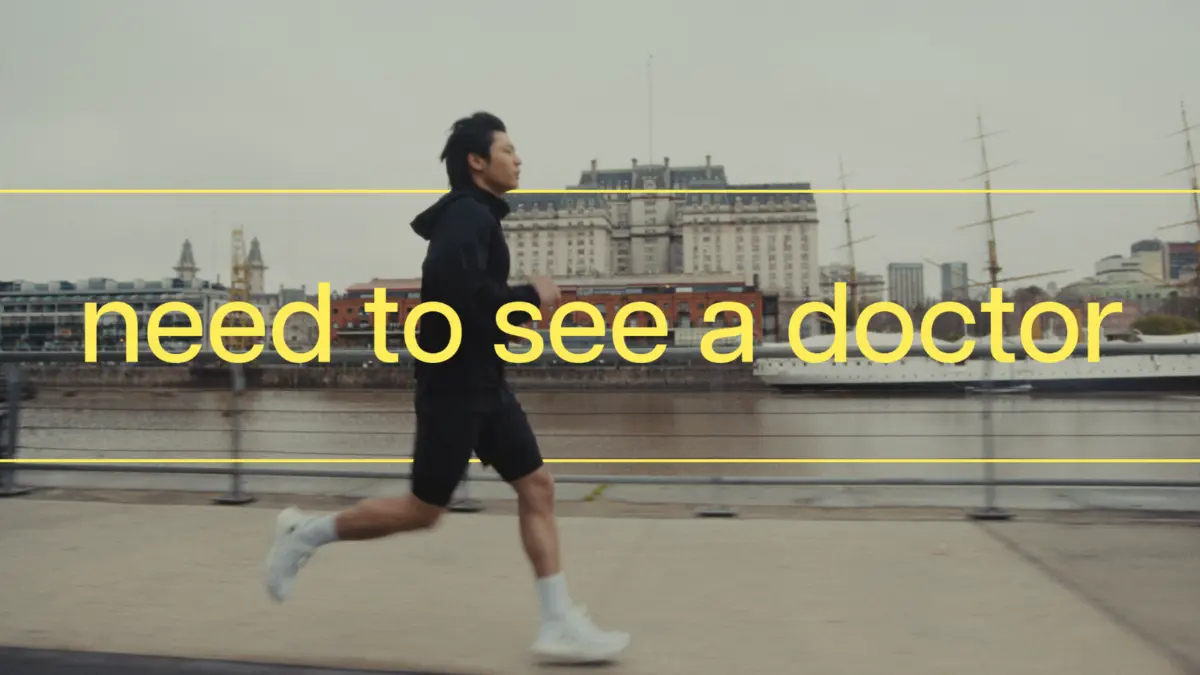
Rather than positioning itself as a simple transactional booking utility, Zocdoc is escalating its mission to match patients with the right providers for their hyper-specific needs. This strategic evolution is crystallized in the company’s latest multi-channel marketing campaign, titled "Ready to be Seen?". Developed in collaboration with creative agency SpecialGuest, the initiative leans into the deeply personal, often idiosyncratic realities of recognizing health concerns—ranging from chronic athletic injuries and sudden allergies to dismissed women’s health issues.
Crucially, this campaign represents a milestone for the brand: it is the first major creative endeavor overseen by Brian Irving, who assumed the role of Zocdoc’s inaugural Chief Marketing Officer in April following high-profile leadership stints at Lyft and Meta Reality Labs. Under Irving’s guidance, the campaign introduces a creative evolution wherein Zocdoc’s user interface (UI) functions almost as a fourth character—an empathetic sounding board for the patient’s internal monologue.
Simultaneously, Zocdoc is aggressively expanding its footprint beyond traditional advertising channels. Through a strategic collaboration with Google Health, the platform is integrating its real-time booking availability directly into the Google Gemini app. This dual-pronged approach—combining emotionally resonant brand storytelling with cutting-edge AI answer engine integrations—signals a major shift in how healthcare companies must meet consumers where they are. By anchoring its strategy around patient empowerment, data-driven insights, and technological innovation, Zocdoc is not only shaping the future of health-seeking behavior but setting a new benchmark for marketing efficacy in the healthcare sector.
Detailed Chronology: The Making of "Ready to be Seen?"
To understand the magnitude of Zocdoc’s current trajectory, it is necessary to examine the timeline and creative evolution that led to the "Ready to be Seen?" campaign, which officially launched on a Monday to roll out across television, audio, social, and digital channels over the coming months.
The Evolution of Patient Choice
Zocdoc is no stranger to purpose-driven advertising. The brand has previously executed two successful ad campaigns centered around the foundational concept of patient choice—empowering consumers to take control of their healthcare decisions rather than leaving them at the mercy of opaque referral networks and insurance directories. However, "Ready to be Seen?" marks a thematic maturation. Past iterations focused heavily on the mechanics of finding and booking care; this new chapter dives headfirst into the psychological threshold of needing care.
The campaign centers on three hyper-relatable, slice-of-life scenarios:
- The Athlete: A dedicated runner experiencing persistent, nagging pain while training, forced to confront the reality that their body requires professional intervention rather than sheer willpower.
- The Boyfriend: A man grappling with the sudden, undeniable realization that his romantic partner’s cat is triggering acute allergic reactions that can no longer be ignored or managed with over-the-counter antihistamines.
- The Woman: A patient navigating the systemic gaslighting often present in women’s health, acknowledging with quiet conviction that her severe menstrual pain is not normal and demands specialized medical investigation.
Each vignette is designed to capture a universal truth: patients are not merely looking to fill an open slot on a calendar. They are searching for a provider who will validate their experiences, respect their individuality, and make them feel truly seen as human beings.
The Irving Era and the "Fourth Character"
The launch of "Ready to be Seen?" also marks the debut major campaign under the watch of Brian Irving. Bringing deep industry experience from his former roles as CMO of Lyft and Meta Reality Labs, Irving stepped into Zocdoc’s newly minted CMO position in April with a mandate to elevate the brand’s cultural resonance and market penetration.
Interestingly, Irving’s professional history intersects neatly with SpecialGuest, an agency he had previously partnered with during his tenure at other major consumer brands. This pre-existing creative synergy allowed the team to push narrative boundaries during the development of the campaign.
According to exclusive insights shared with industry media, a fascinating creative breakthrough occurred during the writing process. As Irving and the SpecialGuest team worked to flesh out relatable patient archetypes and position Zocdoc as an indispensable resource, a fourth "character" organically emerged: the Zocdoc user interface itself.
Rather than treating the app or website as a sterile digital tool, the creative team abstracted the UI into a metaphorical confidant—someone to whom the stressed, hopeful, or anxious patient is expressing their deepest, most vulnerable internal monologue. This personification bridges the gap between digital utility and emotional empathy, reframing the app from a cold database into a compassionate companion on the healthcare journey.
Supporting Context & Metrics: The Science of Patient-Centric Marketing
Zocdoc’s strategic decisions are not born in a vacuum; they are meticulously informed by consumer research, market surveys, and a deep understanding of shifting digital behaviors.
Data-Driven Insights
To measure brand health, trust, and public awareness, Zocdoc routinely fields comprehensive patient surveys. These quantitative and qualitative analyses serve a dual purpose: they track marketing ROI while surfacing the raw, unvarnished truths of the modern healthcare consumer.
A striking data point highlighted by Zocdoc’s research reveals that 71 percent of patients believe finding the right doctor matters just as much as getting seen quickly. In an industry historically obsessed with reducing wait times at all costs, this statistic exposes a critical nuance. Consumers do not just want an appointment; they want the right appointment with a clinician who aligns with their specific values, communication style, and clinical needs.
Aaron Duffy, co-founder and Chief Creative Officer of SpecialGuest, encapsulated this sentiment in a public statement:
"A patient’s need for care is one of the most personal things in their lives. They bring their fears, priorities, quirks, and non-negotiables with them. Patients want to feel seen. Zocdoc helps people more easily find and book a doctor who really gets them, and we wanted the work to celebrate just how personal and achievable finding the right fit can be."
Navigating the Shift to AI Answer Engines
Beyond traditional media campaigns, Zocdoc is acutely aware of how consumer search habits are undergoing a seismic transformation. The days of simply typing symptoms into a traditional search engine and scrolling through page after page of unverified medical forums are rapidly giving way to conversational, AI-driven answer engines.
To stay ahead of this paradigm shift, Zocdoc recently announced a landmark collaboration with Google Health. This strategic integration embeds Zocdoc’s real-time provider availability and booking infrastructure directly into the Google Gemini app.
While Zocdoc does not currently feature an proprietary, standalone chatbot trained to handle complex patient inquiries, the partnership with Gemini effectively turns AI ecosystems into gateways for real-world healthcare access. By meeting consumers inside the emerging AI platforms where they increasingly seek health-related guidance, Zocdoc ensures that the friction between "wondering what’s wrong" and "booking a doctor" is reduced to absolute zero.
Official Statements and Industry Perspective
The convergence of brand storytelling, technological integration, and executive leadership has positioned Zocdoc as a progressive force within health-tech marketing. Industry leaders have been vocal about the philosophy driving these initiatives.
Reflecting on the core mission of the company, CMO Brian Irving emphasized the foundational philosophy guiding his marketing strategy:
"Our mission is to give power to the patient. If you think about the healthcare industry, it is really built for the patient. So when we start with the patient, that becomes our North Star."
This "North Star" mentality dictates every touchpoint of the brand ecosystem. By treating healthcare access as a deeply personal human experience rather than an impersonal logistics puzzle, Zocdoc is successfully differentiating itself in a crowded marketplace filled with telehealth startups, legacy hospital networks, and digital health aggregators.
Furthermore, the collaboration with SpecialGuest demonstrates the power of agency-client partnerships built on shared trust and creative risk-taking. By personifying the UI and leaning into uncomfortable, highly specific medical anxieties—such as dismissing chronic pain or navigating domestic allergy conflicts—the brand avoids the sterile, corporate tropes that plague traditional healthcare advertising. Instead, it offers authentic narratives that resonate on a visceral level with everyday consumers.
Future Outlook: What Lies Ahead for Healthcare Marketing and Zocdoc
As the healthcare landscape continues to evolve at a breakneck pace, the strategies deployed by Zocdoc offer a masterclass in modern brand stewardship. Looking toward the future, several key themes are poised to define the next phase of growth for both the company and the broader industry:
1. The Hyper-Personalization of Healthcare Access
As consumers grow accustomed to hyper-personalized experiences in retail, entertainment, and finance, they will increasingly demand the same level of individualization in healthcare. Campaigns like "Ready to be Seen?" prove that acknowledging demographic and situational nuances—such as gender-specific medical dismissals or niche lifestyle conflicts—is no longer a marketing niche; it is table stakes for consumer trust.
2. The Rise of Ambient AI Integration
The partnership with Google Gemini represents the tip of the iceberg for healthcare platforms. As voice assistants, large language models, and ambient AI tools become the primary front door for consumer inquiries, platforms that fail to integrate their booking infrastructure into these AI ecosystems risk obsolescence. Zocdoc’s proactive stance ensures that its provider network remains accessible wherever the modern patient decides to search.
3. Measuring Brand Equity Through Emotional Resonance
For CMO Brian Irving and his marketing team, the ultimate metric of success will extend far beyond immediate conversion rates or app downloads. By cultivating deep emotional resonance around concepts of trust, validation, and empowerment, Zocdoc is building long-term brand equity. In an era where consumer skepticism toward institutions—including healthcare—is at an all-time high, brand authenticity is the ultimate defensive moat.
Ultimately, Zocdoc’s multi-layered strategy demonstrates that the future of healthcare marketing belongs to those who view the patient not as a number or a chart, but as a complex human being navigating the vulnerable, courageous journey of seeking health and healing.
