

Executive Overview
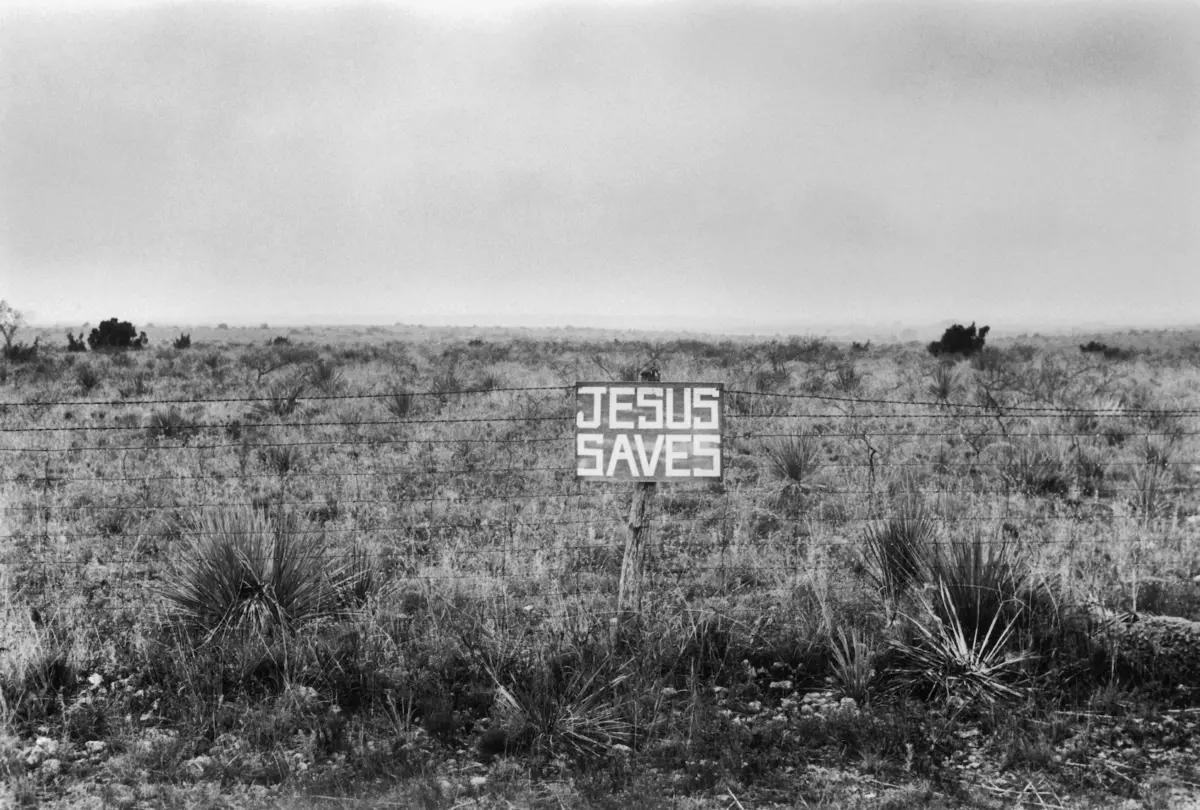
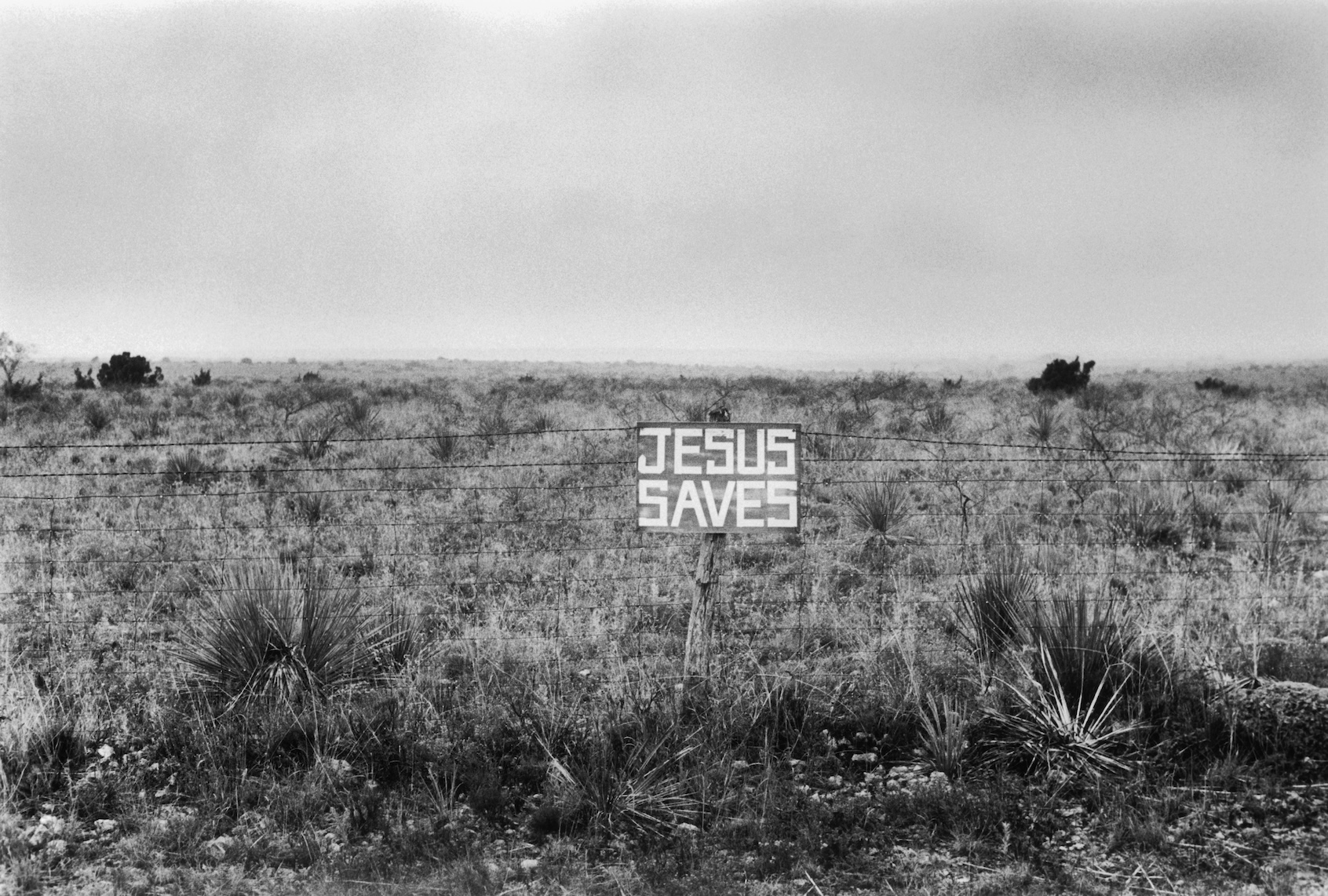
One hundred years after its inception, the term “Bible Belt” remains one of the most stubborn cultural clichés in American lexicon. Conjuring images of roadside salvation signs, conservative political orthodoxy, and an unyielding Protestant hegemony, the phrase is routinely deployed by political pundits, cultural critics, and media outlets to explain—and often dismiss—the sociopolitical behavior of the American South.
However, according to historians and recent demographic data, this catch-all descriptor has always been a profound oversimplification. Coined in 1924 by acerbic journalist H.L. Mencken, the "Bible Belt" label historically flattened a deeply stratified, racially diverse, and economically varied region into a caricature of monolithic piety.
Today, as the South undergoes rapid demographic shifts, economic modernization, and cultural diversification, the myth of the immutable Bible Belt is unraveling even further. Far from being a static regional fortress of homogenous traditionalism, the modern South mirrors the complex culture wars, shifting religious demographics, and nationalized political struggles of the United States at large. This comprehensive examination explores the origins of the moniker, the hidden fractures of race and class that undermined it from the start, and the contemporary realities reshaping the religious and cultural landscape of the American South.
Detailed Chronology: From Scopes to Modern Culture Wars
To understand how the "Bible Belt" became an enduring fixture of American identity, one must trace its historical roots through the turbulent decades of the early 20th century, a period defined by a tense collision between modernism and traditionalism.
- 1919 — The Cultural Wasteland Critique: Noted journalist and satirist H.L. Mencken published his seminal essay, The Sahara of the Bozart, in which he painted the American South as a vast, arid cultural wasteland devoid of intellectual vitality, artistic freedom, or progressive thought.
- 1924 — Coining the "Bible Belt": In the pages of The American Mercury—a magazine co-founded by Mencken—the term "Bible Belt" officially entered the American lexicon. Mencken used it in his regular columns to describe a geographic and social stranglehold where Baptist and Methodists dominated not only religious institutions, but the moral and legislative fabric of society.
- 1925 — The Scopes "Monkey Trial": Mencken descended upon Dayton, Tennessee, to cover the sensational trial of high school biology teacher John T. Scopes. Scopes was prosecuted for violating state law by teaching Charles Darwin’s theory of evolution. Mencken’s biting dispatches lampooned the proceedings, cementing a national perception of the South as violently opposed to scientific inquiry and modern education.
- 1938 — The Nation’s Economic Problem: President Franklin D. Roosevelt formally designated the South as "No. 1 economic problem" of the prosperous nation, citing crippling poverty, low wages, and limited capital that separated the region from industrializing American hubs.
- 1960s – Present — The Transition to National Culture Wars: As civil rights, women’s liberation, and LGBTQ+ advocacy reshaped the national consciousness, the distinct boundaries separating Southern political and social life from the rest of the country began to dissolve. By the late 20th century, regional phenomena transformed into nationalized "culture wars" as defined by sociologist James Davison Hunter.
Supporting Context & Metrics: Race, Class, and Demographics
While it is historically accurate that early-20th-century Southern states featured an exceptionally high concentration of Baptists and Methodists—often comprising over 50% of religious congregation members—this surface-level commonality masked deep, systemic divisions governed by race and class.
The Fractured Reality of Southern Religion
The monolithic picture painted by early critics ignored the vibrant, autonomous institutions of the Black church. Black Baptists and Methodists worshipped separately not by choice, but due to pervasive racial segregation, creating spiritual communities that served as the backbone of social resilience and eventual political mobilization.
Concurrently, poor white Southerners forged a distinct spiritual expression shaped by economic hardship and inherited folk traditions. Historians often term this "hard, hard religion"—a raw, visceral faith that stood in stark contrast to the polished, socially normative worship of the region’s white economic elite.
These religious divisions ran parallel to systemic disenfranchisement. Through poll taxes, literacy tests, and rigid Jim Crow legislation, Southern political power was monopolized by a white elite and middle class. The cultural mores described by Mencken as the "Bible Belt" were, in practice, the localized enforcement of elite white cultural and political dominance.
The Changing Demographic Landscape
A century later, the demographic makeup of the South has transformed dramatically, undermining the premise of a homogenous religious bloc. Today, white people make up just 52.5% of the regional population. The South is now second only to the American West in demographic diversity, boasting growing Black, Latino, and biracial communities.
Recent data from the Pew Research Center’s Religious Landscape studies highlights this profound shift:
- Denominational Decline: Traditional powerhouses like the Southern Baptist Convention and the United Methodist Church have suffered decades of membership attrition. Today, a mere 12% of Southerners identify with either denomination.
- Shifting Religious Identity: Black and Latino Americans are statistically more likely than white Americans to identify as Christian. The religious vitality of Black Southerners (predominantly Baptist) and Latino Southerners (predominantly Catholic) ensures that the contemporary South is a vibrant religious mosaic rather than a single denomination’s domain.
Official Statements and Academic Perspectives
Historians and sociologists emphasize that applying a 1920s label to the 21st-century South fundamentally misinterprets the nature of modern American religion and politics.
Dr. John Hayes, an associate professor of history at Augusta University, notes that the persistence of the "Bible Belt" moniker relies on a flawed premise: the assumption that religion in the region is unchanging and timeless.

"Old lines of difference between the South and the rest of the nation have faded. So have the once-common nicknames that described them—with the stubborn exception of ‘Bible Belt,’" Hayes explains. "The cultural issues reported in stories like these are no doubt real, but framing them as expressions of an enduring Southern Bible Belt seems to imagine religion as unchanging, timeless."
Furthermore, internal schisms within major Southern denominations—focusing heavily on controversies surrounding female leadership, LGBTQ+ inclusivity, and biblical authority—mirror national debates rather than isolated regional quirks. These fractures align directly with sociologist James Davison Hunter’s framing of "Culture Wars," wherein ideological battle lines are drawn across the entire nation rather than trapped within specific geographic boundaries.
Future Outlook
As the United States navigates an increasingly polarized political and cultural landscape, the utility of regional stereotypes like the "Bible Belt" is rapidly expiring.
The modern South is integrated into the global economy, anchored by major Fortune 500 corporations headquartered in states like Texas, Arkansas, and Georgia. Its population centers are defined by suburban sprawl, a burgeoning service economy, and an influx of diverse cultural perspectives. While high-profile legislative battles over social policy frequently play out in Southern statehouses, these policy fights are increasingly recognized as local fronts in a national war over the legacy of 20th-century civil rights movements.
Ultimately, the enduring persistence of the "Bible Belt" label says more about the American habit of viewing the South through an exoticized, reductive lens than it does about the region itself. As demographics continue to shift and religious pluralism deepens, the myth of the Southern monolith will likely yield to a more nuanced understanding—one that recognizes the South not as a relic of old dogma, but as a dynamic, evolving participant in the modern American experience.