

Executive Overview
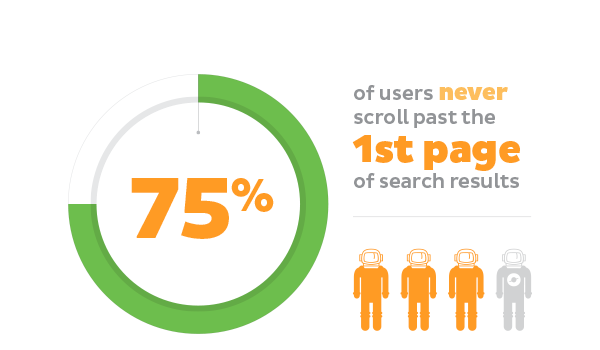
In the modern digital economy, visibility is currency. With global users executing upwards of 3.5 billion searches every single day, Google remains the undisputed gateway to consumer intent. Yet, the brutal reality of search engine optimization (SEO) is underscored by a sobering statistic: 75% of users never scroll past the first page of search results.
As SEO veteran Brian Clark famously quipped, "The best place to hide a dead body is page 2 of the Google search results."
While humorous, this axiom dictates the survival of modern brands. Securing a spot on page one is no longer a luxury; it is an existential requirement. However, reaching the summit has grown exponentially more complex. Modern Search Engine Results Pages (SERPs) are fiercely contested ecosystems dominated by paid advertisements, local map packs, featured snippets, knowledge graphs, and interactive carousels.
For digital marketers, business owners, and enterprise SEOs, traditional keyword stuffing and brute-force link building are obsolete. Achieving sustainable front-page dominance requires an analytical, multi-pronged framework that blends technical precision, content alignment, and aggressive off-page positioning—including advanced strategies like Barnacle and Parasite SEO.

This comprehensive report breaks down the definitive 13-step methodology for driving your web properties (and brand assets) onto the first page of Google in any industry.

Detailed Chronology: The 13-Step Framework for Page One Dominance
To systematically capture and retain front-page visibility, digital strategists must execute a phased playbook ranging from immediate quick-win optimization to advanced structural adjustments.

1. Capitalize on Existing Keyword Opportunities (Quick Wins)
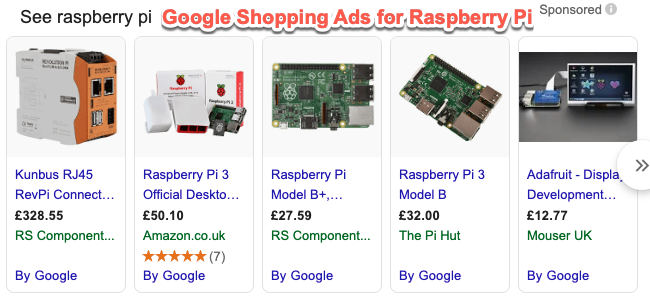
Rather than exclusively hunting for fresh keywords to build new content from scratch, savvy marketers look inward. By analyzing your existing keyword portfolio via tools like Semrush, you can identify "low-hanging fruit"—pages currently languishing on pages two or three (positions 6 through 20) that possess strong semantic relevance and existing search volume.
- The Process: Export your organic rankings report, apply a position filter for ranges 6–20, layer on minimum search volume parameters, and isolate high-intent commercial or informational queries.
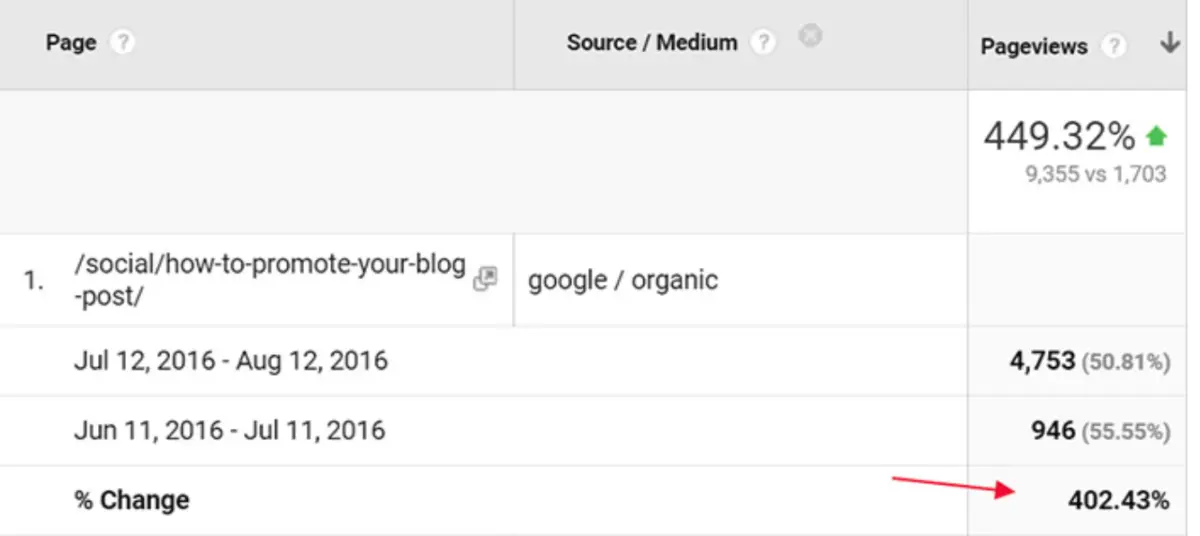
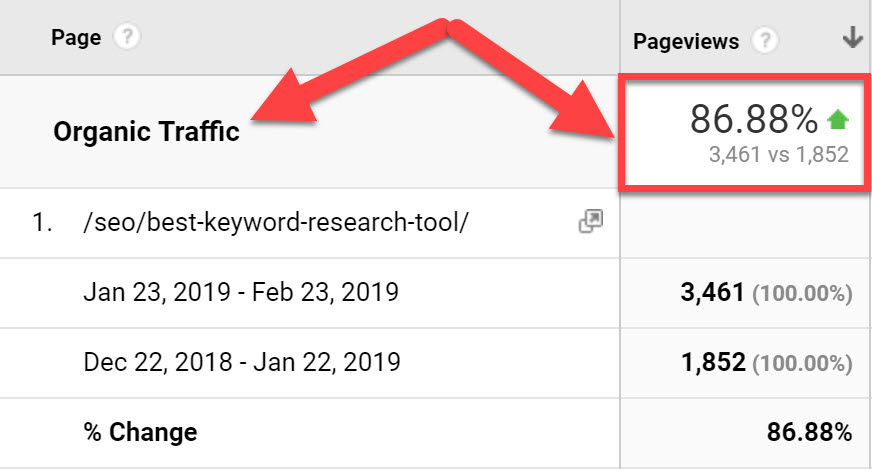
- The Execution: Update these underperforming assets with fresh data, improved user experience (UX), and deeper semantic keyword variations. When executed correctly, optimized posts can surge from position #8 to #2 almost overnight, yielding triple-digit percentage spikes in monthly organic traffic.
2. Find and Eliminate Keyword Cannibalization
Keyword cannibalization occurs when multiple pages on your domain compete for the same core search query. This internal civil war confuses Google’s crawling algorithms, splits inbound link authority, and ultimately suppresses your rankings.

- The Audit: Export your site-wide keyword ranking portfolio into a tracking spreadsheet to isolate overlapping URLs targeting identical keyword targets.
- The Remedy: If competing pages offer distinct value, consolidate them into a single, authoritative canonical resource backed by a 301 redirect. If the duplicate page offers zero unique value, prune it entirely to concentrate your domain authority.
3. Steal "Position Zero" with Featured Snippets
Ranking in the top ten is a victory, but capturing Position #0 (the Featured Snippet) delivers elite psychological and traffic advantages. Industry studies consistently show that the URL occupying the featured snippet steals approximately 8.6% of clicks directly away from Position #1.
- Tactic #1 (Defensive Optimization): Filter your Semrush reports for keywords where your domain already ranks on page one and a snippet exists, then restructure your content formatting (using concise paragraphs, ordered lists, or comparison tables) to recapture the slot.
- Tactic #2 (Offensive Targeting): Identify competitor-owned snippets in your niche, analyze their structural format, and craft superior, more concise answers within your own indexed pages.
4. Dominate the Local Map Pack
For location-based businesses, organic blue links are only half the battle. Google routinely pushes the Local Map Pack to the top of the SERPs for high-intent queries (even without explicit "near me" qualifiers).

- The Ranking Factors: According to Google’s core documentation, map visibility is dictated by three primary pillars: Relevance (how well your Google Business Profile matches the search query), Distance (proximity to the searcher), and Prominence (offline visibility, reviews, and overall web authority). Optimize your citations, encourage customer reviews aggressively, and maintain pristine NAP (Name, Address, Phone) data.
5. Target Low-Competition, High-Intent Long-Tail Keywords
Head terms carry massive search volume but astronomical competition barriers. Long-tail keywords, conversely, represent the broad base of the search demand curve—yielding lower raw traffic volumes but dramatically higher conversion rates due to hyper-specific user intent.

- Execution: Leverage tools like the Semrush Keyword Magic Tool to mine question-based queries and semantic long-tail variations, mining competitor footprints to discover untapped niches within your market.
6. Leverage "Barnacle SEO"
When dominant industry titans (such as TripAdvisor, Zillow, or Avvo) monopolize the SERPs, attempting to outrank them directly with a nascent domain is an uphill battle. Instead, practice Barnacle SEO—a strategy coined by Will Scott.

- The Strategy: Attach your brand directly to the high-authority platforms already dominating the front page. Optimize profiles on major review sites, answer active industry threads on high-ranking forums like Quora, and secure featured placements in established directory ecosystems to siphon off ready-to-convert traffic.
7. Deploy "Parasite SEO" for Hyper-Competitive Terms
While Barnacle SEO relies on existing directories and forums, Parasite SEO involves publishing dedicated, high-value content directly onto ultra-high-authority third-party publications (e.g., Business News Daily, Medium, or heavy-hitting industry blogs).

- By leveraging the immense Domain Authority (DA) of these host sites, brands can leapfrog traditional search barriers and rank for brutally competitive "money" keywords, driving thousands of targeted referral and organic visits back to their core digital properties.
8. Rigorously Match Content Type to SERP Intent
A fatal error in modern SEO is building the wrong type of content for a target keyword. If Google’s front page for a query consists exclusively of long-form listicles, a sleek product landing page—no matter how many backlinks it possesses—will fail to rank.

- The Rule: Always audit the SERPs before executing content creation. Determine whether Google favors "How-to" guides, product category grids, comparison tables, or video media, and tailor your production asset to mirror user intent precisely.
Supporting Context & Metrics: Link Signals & Authority
9. Accurately Qualify Page-Level Link Signals
Industry research consistently affirms that page-level backlink metrics (Referring Domains and Page Authority) correlate more strongly with front-page rankings than domain-wide metrics.

- Before committing resources to a target keyword, analyze the top-ranking URLs via SERP intelligence tools. If competing pages boast hundreds of unique referring domains while your target asset has zero, ranking is mathematically improbable unless you identify a glaring gap in content quality or topical relevance (e.g., Wikipedia ranking broadly while hyper-specific niche guides outrank it).
10. Build Page-Level Authority to Outrank Competitors
To bridge the authority gap, execute four proven link acquisition methodologies:
- Competitor Backlink Replication: Extract your top-ranking competitors’ clean, text-based follow links and pitch your superior asset.
- Recurring Backlink Source Mining: Identify domains that repeatedly link to multiple competitors, establishing them as high-probability link prospects.
- Backlink Gap Analysis: Utilize automated gap analysis tools to uncover publishing platforms linking to your rivals while ignoring your domain.
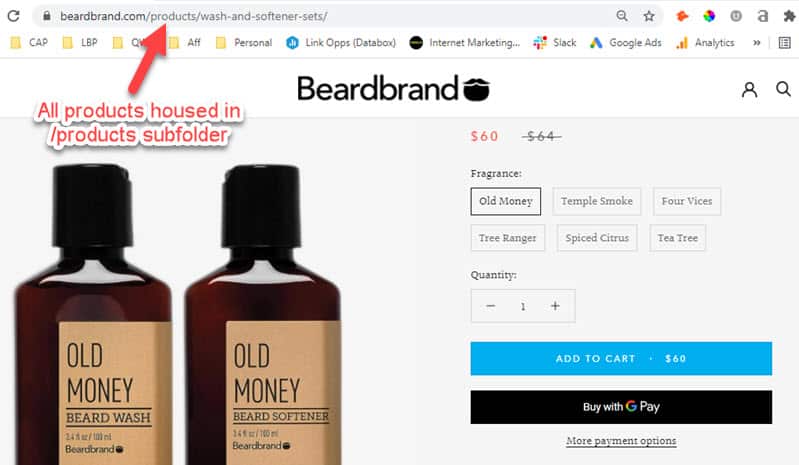
- Strategic Internal Linking: Pass equity downward from your site’s highest-authority pages to newly published assets using contextually relevant anchor text.
11. Expand Your Organic Footprint (Semantic Topical Coverage)
A single well-structured asset can rank for thousands of secondary and semantic keywords. For instance, primary keywords often account for less than 15% of a page’s total traffic; the remaining 85% is harvested via hundreds of long-tail semantic variations.
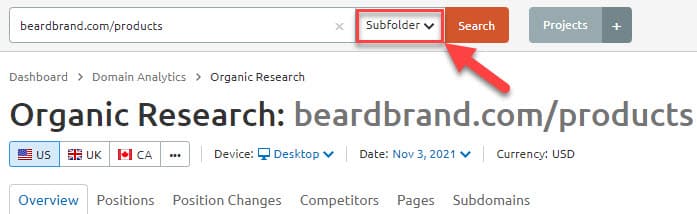
- Use keyword clustering and semantic expansion tools to weave comprehensive sub-topics into your content architecture, capturing sprawling organic real estate from a single URL.
Official Guidelines & Technical Foundations
12. Embrace a Mobile-First Indexing and Performance Mindset
With mobile devices generating over 57% of total web traffic, Google relies entirely on Mobile-First Indexing.

- A slow, poorly responsive mobile site actively suppresses rankings across both mobile and desktop formats. Utilize Google Search Console’s Mobile Usability reports, Google PageSpeed Insights, and GTMetrix to eliminate layout shifts, optimize Core Web Vitals, and ensure lightning-fast server response times.
13. Pay-to-Play: Bridging the Gap with Paid Search
Organic SEO is a compounding long-term investment. For immediate front-page visibility, leverage paid acquisition channels while your organic strategies mature:

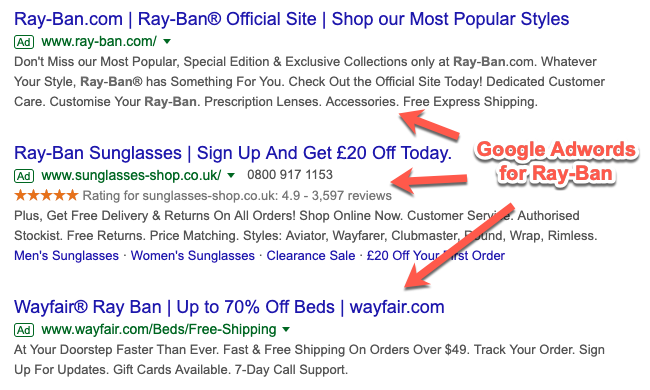
- Google Ads & Local Map Ads: Bid on proven competitor keywords using historical ad intelligence to uncover high-converting terms and minimize budget waste.
- Sponsored Directory Listings: Secure top-tier placements on established review platforms (such as G2 or Avvo) to capture ready-to-buy searchers instantly.
Future Outlook & Immediate Execution
Index Your Content Immediately
Publishing content without ensuring rapid indexing is futile. Whenever you launch or update a web asset, bypass waiting for automated web crawlers by utilizing the URL Inspection Tool in Google Search Console. Manually submitting your URLs via the "Request Indexing" feature forces Google into a priority crawl queue, securing indexation and potential ranking movement within hours.

Conclusion
Achieving and sustaining a position on the first page of Google requires moving away from guesswork and adopting a data-driven, systematic approach. By auditing existing quick wins, eliminating keyword cannibalization, stealing featured snippets, matching search intent, and executing advanced authority-building frameworks, businesses can future-proof their organic visibility. Pick one tactic from this enterprise playbook, execute it with precision, monitor your analytics, and scale your digital footprint today.