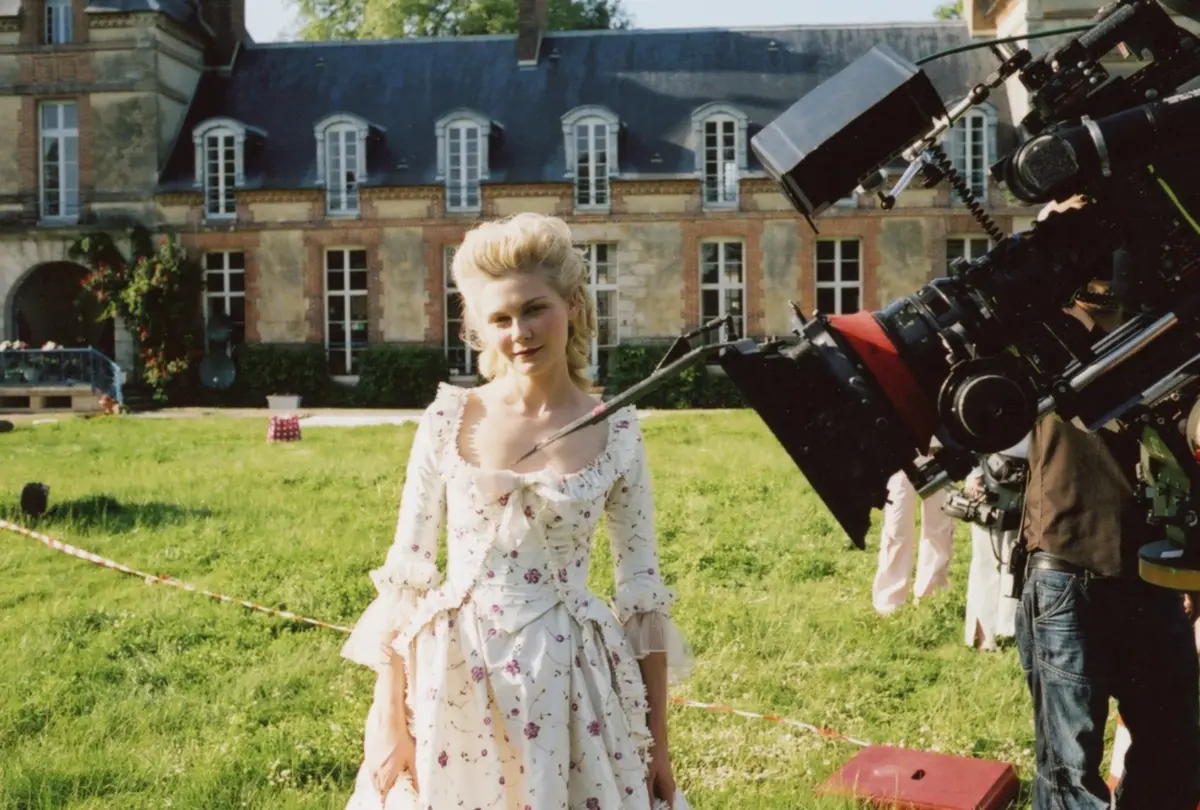
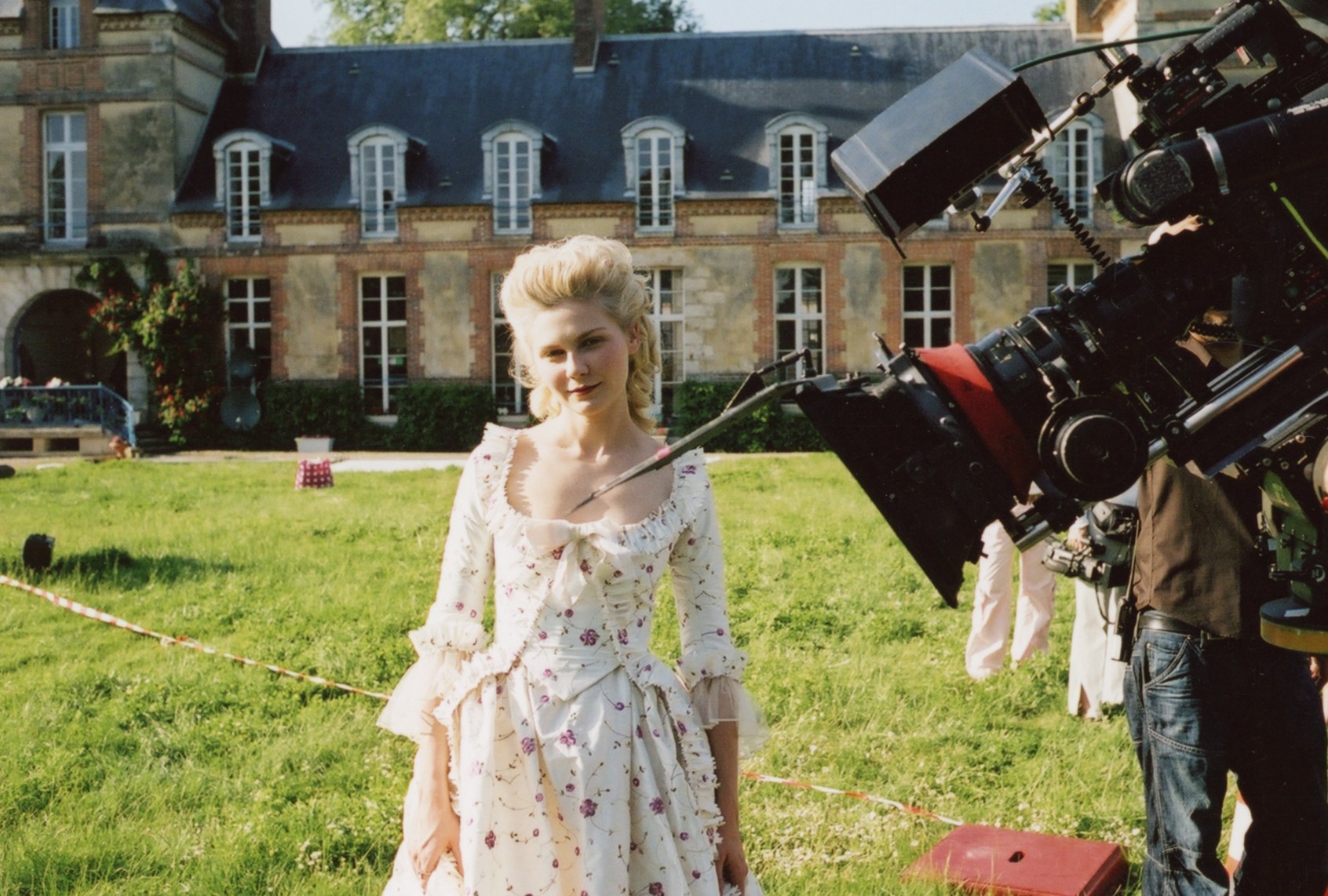
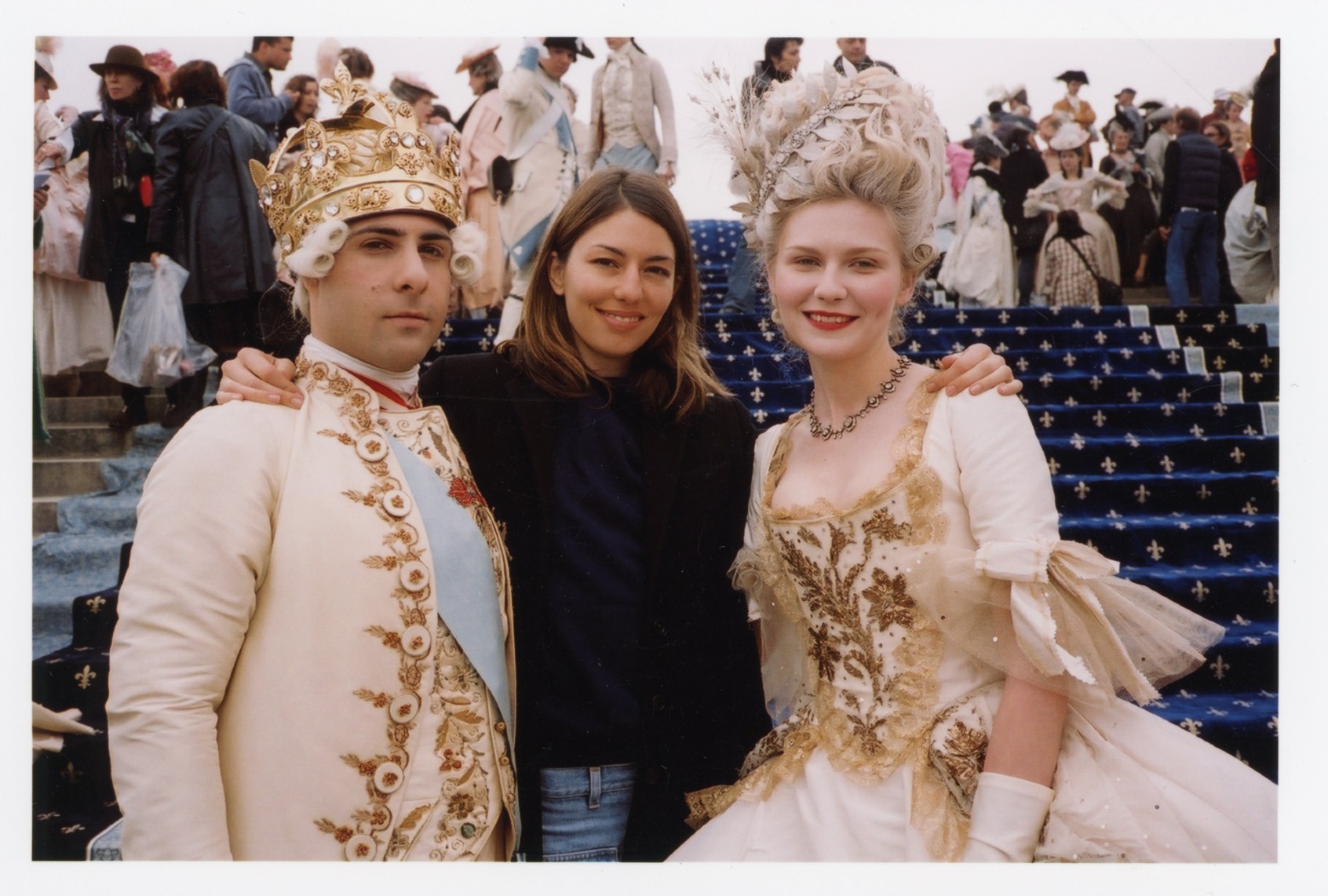
Two decades after its icy, controversial debut at the 2006 Cannes Film Festival, Sofia Coppola’s Marie Antoinette has undergone a monumental critical reassessment. Once dismissed by mainstream critics as a superficial, candy-coated costume confection plagued by an anachronistic 1980s new wave soundtrack, the film is now widely celebrated as a visionary modern classic.
This retrospective vindication receives its ultimate companion piece with the release of Making Marie Antoinette, a deeply intimate documentary co-directed by Sofia Coppola and her late mother, Eleanor Coppola. Culled from over 90 hours of behind-the-scenes footage shot by Eleanor during the film’s arduous 2006 production, the documentary premiered at the New York Film Festival before its theatrical release on October 23, 2026, followed by a MUBI streaming debut on November 6, 2026.
Making Marie Antoinette does more than simply chronicle the making of a movie; it offers a profound meditation on artistic ambition, the weight of historical legacy, and a mother-daughter bond forged within the notoriously male-dominated machine of Hollywood filmmaking. By juxtaposing Sofia Coppola’s fearless, youthful aesthetic choices with Eleanor’s observant, protective lens, the documentary illuminates how a misunderstood cinematic experiment ultimately became an enduring cultural touchstone.
Detailed Chronology: From Cannes Jeers to Modern Mastery
2006: The Initial Backlash and Critical Misunderstanding
When Marie Antoinette premiered in competition at the 2006 Cannes Film Festival, the reception was notoriously hostile. Boos echoed through the Palais des Festivals—a jarring welcome for a film that had been granted unprecedented access to shoot on location in and around the actual Palace of Versailles.
At the time, traditional film critics struggled to reconcile Coppola’s artistic vision with the solemn expectations of the biographical period piece. Reviewers pointed to the director’s signature stylistic choices—such as pairing powdered wigs and opulent court gowns with the post-punk sounds of Bow Wow Wow, The Cure, and New Order—as distracting and empty. Michael Booth of The Denver Post dismissed the soundtrack as "not interesting enough to save this bauble," while Mick LaSalle of The San Francisco Chronicle argued that Coppola’s "reductive approach illuminates nothing about the queen except to suggest that she was an idiot."
These contemporary reviews fundamentally missed Coppola’s central thesis. Rather than crafting a dry, encyclopedic history lesson, Coppola framed the doomed French queen not as a political mastermind, but as an isolated teenage girl thrust into a gilded cage without a manual for survival. The anachronism of the soundtrack was never a careless error; it was an intentional emotional bridge connecting Coppola’s own understanding of youthful insulation and excess to Marie Antoinette’s tragic adolescence.
The Pandemic Era: Archival Discovery and Collaboration
The seeds for Making Marie Antoinette were planted during the COVID-19 pandemic. Quarantined together in their family pod, Sofia and Eleanor Coppola began sifting through decades of home videos, journals, and behind-the-scenes footage that Eleanor had meticulously archived over the years.
Eleanor, an accomplished documentarian and narrative filmmaker in her own right (best known for Hearts of Darkness: A Filmmaker’s Apocalypse, her legendary chronicle of husband Francis Ford Coppola’s turbulent Apocalypse Now shoot), realized the vast trove of footage she had shot on the Versailles set held a narrative of its own. Working side-by-side during lockdown, the mother-daughter duo began shaping the documentary, weaving together B-roll footage, intimate audio journals narrated by actress Diane Lane, and reflections on the grueling reality of large-scale studio filmmaking.
2024–2026: Completion, Festival Circuit, and Theatrical Launch
The production of the documentary suffered a profound blow with the death of Eleanor Coppola in April 2024 at the age of 87. Determined to honor her mother’s vision and legacy, Sofia Coppola stepped up to complete the project, ensuring that both women’s distinct artistic sensibilities remained intertwined in the final cut.
Following its festival circuit run—highlighted by a celebrated screening at the New York Film Festival—Making Marie Antoinette arrived in theaters on October 23, 2026, ahead of its November 6 streaming debut on MUBI. The release coincides precisely with the 20th anniversary of the original feature film, cementing a rare cultural dialogue between a disputed work of art and its retrospective creation myth.
Supporting Context & Metrics: Behind the Scenes of a Cinematic Feat
To understand the magnitude of Making Marie Antoinette, one must grasp the sheer scale of the original 2006 production. For a director whose previous cinematic efforts—The Virgin Suicides (1999) and Lost in Translation (2003)—were praised for their microscopic, intimate scope, leaping into a big-budget Hollywood historical epic was a seismic shift.
Scale of Production: The original shoot spanned over 50 grueling days, deploying hundreds of extras, an expansive principal cast, and an army of below-the-line crew members, including costumers, historical advisors, dialect coaches, and translators.
Access to Versailles: Coppola secured historic, rare permissions to film directly inside the Palace of Versailles, capturing authentic French architecture, grand halls, and manicured gardens that had rarely been granted such cinematic intimacy.
The Archive: Eleanor Coppola’s contributions stem from more than 90 hours of raw, unvarnished behind-the-scenes footage. Her camera acts as a fly on the wall, capturing the immense logistical hurdles, the quiet moments of exhaustion on Kirsten Dunst’s face, and the day-to-day pressure placed upon a young female director navigating a historically male-dominated studio system.
Official Statements and Perspectives
The underlying themes of Making Marie Antoinette resonate deeply through the personal reflections captured in Eleanor Coppola’s journals, as well as the contemporary cultural commentary surrounding the project.
In one notable journal entry featured in the documentary, Eleanor reflects on the nature of the medium itself:
"Maybe making movies is a way of moving back and forth, in and out, of linear time."
This observation serves as a dual metaphor: it speaks directly to Sofia’s stylistic choice of utilizing anachronistic music within an 18th-century period piece, while also capturing the timeless nature of the mother-daughter collaboration.
Reflecting on the protective dynamic captured on camera, cultural critics have noted how Eleanor’s anxiety during the early weeks of production gradually melted into profound maternal pride. Watching Sofia command a massive film set—asserting her vision in rooms filled predominantly with men—offered Eleanor a front-row seat to her daughter’s absolute mastery of her craft.
In a statement regarding the completion of the documentary following her mother’s passing, Sofia emphasized the project as an ongoing conversation between generations of artists. What began as a mother documenting her child’s professional milestone evolved into a reciprocal tribute, with Sofia meticulously finishing the film to ensure her mother’s artistic perspective remained permanently etched into film history.
Future Outlook: A Legacy Cemented
As Making Marie Antoinette finds its audience in theaters and streaming on MUBI, the cultural footprint of both Sofia and Eleanor Coppola’s work continues to expand.
The documentary effectively recontextualizes the 2006 film not as an isolated anomaly in Sofia Coppola’s filmography, but as a crucial stepping stone in her ongoing exploration of female interiority, loneliness, and societal pressure. Furthermore, it serves as a monument to Eleanor Coppola’s understated yet formidable legacy as an archivist of cinematic history—proving that her eye was just as sharp when documenting her daughter’s triumph as it was decades prior on the chaotic jungle sets of Apocalypse Now.
Ultimately, Making Marie Antoinette ensures that the conversation surrounding Sofia Coppola’s masterpiece will persist for decades to come. By bridging the gap between historical tragedy, artistic rejection, and familial love, the documentary transforms a twenty-year-old cinematic wound into a celebration of art built to last.