

Executive Overview
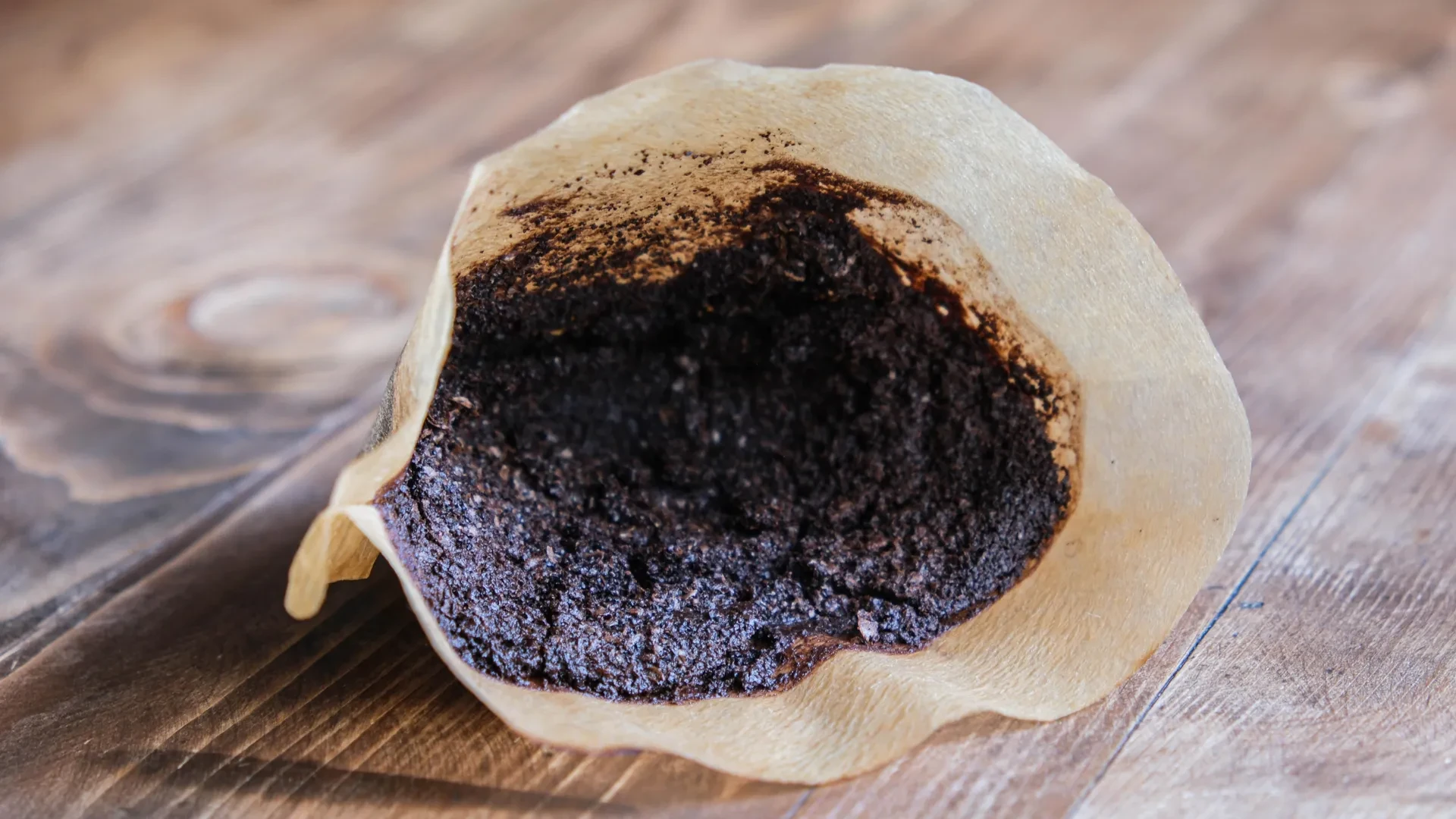
Every morning, billions of people around the globe engage in a familiar ritual: brewing a cup of coffee to jump-start their day. Yet, the vast majority of consumers remain blissfully unaware of the immense environmental and industrial footprint left behind in the wake of that daily routine. Global coffee bean production touches an astonishing 10 million metric tons annually. However, only a fraction of the bean’s actual physical mass makes its way into the liquid beverage poured into mugs and travel tumblers. The overwhelming remainder—millions of tons of wet, dark, aromatic sludge—is systematically swept into trash cans, commercial dumpsters, and eventually, municipal landfills.
For decades, this massive stream of organic refuse has been treated as a disposal burden. However, a team of chemical engineers at the Universitat Rovira i Virgili (URV) in Spain is challenging this paradigm. In a groundbreaking study published in the journal Biomass and Bioenergy, researchers have demonstrated that spent coffee grounds (SCGs) are not mere garbage, but rather a rich, highly concentrated bio-resource. Packed with roughly 15% lipids—or natural fats—these discarded grounds represent an untapped reservoir capable of fueling everything from passenger vehicles to heavy transport aircraft.
What makes the URV breakthrough particularly significant is its dual-purpose methodology. Unlike previous extraction techniques that successfully isolated oils but destroyed the underlying structural integrity of the remaining plant matter, the URV team has formulated an optimized, balanced process. This innovative approach efficiently harvests high-purity lipids for biodiesel production while leaving the residual solid biomass structurally intact, pristine, and entirely primed for secondary industrial conversion into bioethanol, bioplastics, and sustainable aviation fuels.
By transforming a ubiquitous waste product into a multifaceted industrial feedstock, this research marks a monumental stride toward a true circular economy. As industries worldwide scramble for viable, renewable fuel alternatives to meet aggressive decarbonization targets, the humble coffee ground may soon emerge as a cornerstone of the next generation of green energy.
Detailed Chronology of the URV Breakthrough
The journey toward optimizing spent coffee grounds as a viable
industrial feedstock was not an accidental discovery. It was the result of a meticulously planned, highly rigorous experimental campaign conducted within URV’s Department of Chemical Engineering. The research initiative—spearheaded by a team comprising Jorge F. Romero, Alberto Tampieri, Daniel Montané, Magdalena Constantí, and Francesc Medina—was designed to systematically dismantle technical barriers that had historically hindered the commercial-scale valorization of coffee waste.
Phase 1: Identifying the Variables
At the outset of the project, the research team recognized that extracting lipids from spent coffee grounds required striking a delicate balance between chemical yield, operational cost, and environmental impact. To map out this delicate terrain, the scientists zeroed in on three primary operational variables:
- Extraction Temperature: How thermal energy influences the solubility and mobility of lipids within the cellular matrix of the coffee grounds.
- Processing Duration: The optimal exposure time required to maximize oil extraction without triggering unwanted chemical degradation.
- Solvent-to-Biomass Ratio: The volumetric proportion of n-hexane—a widely utilized organic solvent known for its efficacy in separating fats—relative to the dry weight of the coffee residue.
Phase 2: Rigorous Laboratory Experimentation
Equipped with n-hexane, the team subjected the spent coffee grounds to a series of carefully controlled batch extractions. They systematically altered the temperature, time, and solvent quantities, evaluating how these changes affected the process both individually and in complex combination.
For decades, the gold standard for laboratory-scale lipid extraction has been the Soxhlet method. While renowned for achieving exceptionally high extraction yields, the Soxhlet process is plagued by significant operational drawbacks. It is notoriously time-consuming, demands continuous and heavy thermal energy inputs, and requires prolonged solvent refluxing, rendering it completely impractical and cost-prohibitive for large-scale industrial biorefineries.
Phase 3: Pinpointing the Sweet Spot
Through exhaustive trial and iterative data analysis, the URV researchers successfully isolated the precise operational parameters required for maximum efficiency.
"We have found that the optimal conditions are at 45°C for 60 minutes with a ratio of 35 milliliters of hexane per gram of dry residue," explained Magdalena Constantí, highlighting the precision required to balance yield and operational viability.
Operating at this precise sweet spot, the team achieved remarkable results. Their optimized batch method recovered approximately 90% of the total available oil compared to the traditional Soxhlet method. More importantly, they achieved this high recovery rate in a fraction of the time, with drastically reduced energy expenditure.
Phase 4: Comparative Advanced Technologies
In their quest for perfection, the URV researchers did not limit themselves to conventional solvent extraction. They also investigated whether more advanced, high-tech intervention methods—specifically ultrasound-assisted and microwave-assisted extraction techniques—could deliver superior performance.
However, the empirical data revealed a different narrative. While ultrasound and microwave technologies successfully accelerated the initial stages of oil extraction, they failed to offer a compelling overall improvement when weighed against the totality of industrial metrics. When the researchers factored in energy consumption, equipment complexity, capital expenditure, and the practical challenges of scaling the technology to an industrial level, the conventional batch process using n-hexane under moderate conditions emerged as the clear, superior choice.
Supporting Context & Metrics
To truly comprehend the industrial significance of the URV study, one must examine the hard metrics governing global coffee consumption, chemical composition, and the mechanics of biomass processing.
The Scale of the Resource
- Global Production: Approximately 10 million metric tons of green coffee beans are produced annually across major agricultural belts in Latin America, Africa, and Asia.
- Waste Generation: Because only a tiny fraction of the bean’s mass is extracted during brewing, nearly the entirety of that 10 million tons eventually transforms into solid organic waste.
- Lipid Content: Spent coffee grounds contain, on average, roughly 15% lipids by weight. This means that millions of tons of high-grade lipid feedstock are generated globally each year, waiting to be captured rather than buried in landfills.
Quality and Purity Metrics
The success of a chemical extraction process is measured not only by the quantity of the extracted material, but equally by its purity. Impurities in biodiesel feedstocks can poison catalysts, gum up engine components, and drastically increase processing costs.
| Metric | URV Optimized Batch Method | Traditional Soxhlet Method |
|---|---|---|
| Extraction Efficiency | ~90% relative yield | Baseline maximum yield (~100%) |
| Purity Level | 93.1% (Just 0.3% impurities) | Lower relative purity (3.9% impurities) |
| Processing Time | 60 minutes | Hours of continuous reflux |
| Energy Intensity | Moderate (Operates at 45°C) | High (Continuous boiling/condensation) |
Chemical profiling via gas chromatography revealed that the fatty acid composition of the extracted oil remained remarkably consistent across all experimental conditions. The lipid profile was dominated by linoleic acid and palmitic acid, two fatty acids widely recognized as prime chemical precursors for high-quality biodiesel manufacturing.
Furthermore, the URV method yielded an oil containing a mere 0.3% impurities—a dramatic improvement over the 3.9% impurity level characteristic of the Soxhlet method. This superior cleanliness dramatically reduces the downstream purification steps required before the oil can be transesterified into commercial-grade biodiesel.
Preserving the Lignocellulosic Matrix
Perhaps the most critical engineering triumph of the URV study lies in what happens after the oil is removed.
Spent coffee grounds are not just bags of fat; they are complex biological structures composed of a lignocellulosic matrix. This matrix contains three primary biopolymers:
- Cellulose: A linear polymer of glucose units capable of being hydrolyzed and fermented into bioethanol.
- Hemicellulose: A branched heteropolymer that serves as a rich source for platform chemicals like lactic acid and various polyhydroxyalkanoates (PHAs) used in biodegradable plastics.
- Lignin: An aromatic complex capable of yielding valuable phenolic compounds and precursor molecules for sustainable aviation fuels (SAFs).
In raw, untreated coffee grounds, these valuable structural components are frequently locked away behind a physical barrier. The natural fats and lipids form a hydrophobic coating that shields the inner plant matter, preventing industrial solvents, enzymes, and catalysts from penetrating the material.
By extracting the lipids cleanly and efficiently without altering or destroying the underlying structure, the URV team actually unlocked the biomass. The removal of the lipid barrier makes the remaining solid residue significantly more porous and reactive, rendering it vastly superior for subsequent thermochemical or biochemical conversion.
Official Statements and Expert Perspectives
The implications of this research extend far beyond the walls of the chemical engineering laboratories at Universitat Rovira i Virgili. The project’s authors have emphasized that their work represents a paradigm shift in how society conceptualizes organic waste streams.
Reflecting on the dual-nature of the extraction process, researcher Francesc Medina underscored the importance of comprehensive resource utilization:
"In our study, we also demonstrate that extracting the oil does not mean that the rest of the material cannot be used for something else. Our goal was to protect the structural integrity of the remaining biomass, ensuring that the biorefinery of tomorrow can extract every ounce of economic and environmental value from a single stream of waste."
The transition from linear consumption—extract, use, dispose—to a circular model is no longer merely an academic exercise; it is an urgent industrial necessity. Daniel Montané, another co-author of the study, articulated the broader philosophical and environmental ambitions driving the research team forward:
"The ultimate objective is to transform a typically underused waste product into various energy vectors and bio-based chemical products, and to reduce the environmental impact associated with its accumulation. By rethinking everyday refuse, we can turn a familiar source of urban waste into a versatile, multi-industrial resource."
These expert perspectives underscore a vital truth: solving the global energy crisis does not always require discovering entirely new synthetic compounds in pristine environments. Frequently, the solutions are already sitting right in front of us, accumulating in municipal trash bins, awaiting the application of sound chemical engineering principles.
Future Outlook: The Road to Commercial Biorefineries
As the global community faces the compounding pressures of climate change, dwindling fossil fuel reserves, and stringent regulatory mandates on carbon emissions, the necessity for scalable renewable energy solutions has never been more acute. While passenger vehicle fleets are steadily electrifying, entire sectors of the global economy—most notably heavy-duty freight, maritime shipping, and aviation—remain notoriously difficult to electrify directly using battery technology. These "hard-to-abate" sectors desperately require drop-in liquid biofuels and sustainable chemical alternatives.
The breakthrough achieved by Jorge F. Romero, Alberto Tampieri, Daniel Montané, Magdalena Constantí, and Francesc Medina offers a clear, highly practical roadmap for meeting this demand. By integrating this optimized extraction process into modern biorefineries—industrial facilities engineered specifically to fractionate and convert biological raw materials into fuels, power, and high-value chemicals—spent coffee grounds can transition from an urban disposal liability into a high-value commodity feedstock.
Scalability and Next Steps
Moving forward, the research team and industrial stakeholders are eyeing several critical milestones to bridge the gap between bench-scale laboratory success and full commercial implementation:
- Pilot-Scale Demonstration: Transitioning the 45°C batch extraction process from glass laboratory flasks to continuous-flow pilot reactors capable of processing hundreds of kilograms of spent coffee grounds per day.
- Solvent Recovery and Recycling: Implementing closed-loop hexane recovery systems to minimize operational costs and ensure absolute environmental compliance, preventing any fugitive solvent emissions.
- Integrated Downstream Processing: Partnering with biochemical and thermochemical processing facilities to validate the seamless conversion of the defatted lignocellulosic residue into bioethanol and sustainable aviation fuel precursors.
- Logistical Supply Chain Integration: Establishing robust collection networks with major commercial coffee roasting facilities, instant coffee manufacturers, and large-scale urban cafe chains to secure a steady, low-cost supply of wet biomass.
Conclusion
The research published in Biomass and Bioenergy serves as a powerful reminder of the hidden value embedded within our daily routines. Every cup of coffee consumed worldwide generates a tiny fraction of a larger, systemic opportunity. Through innovative chemical engineering and a steadfast commitment to circular economy principles, the team at Universitat Rovira i Virgili has shown that spent coffee grounds are far more than morning refuse. They are, quite literally, the fuel of the future.
