

Executive Overview
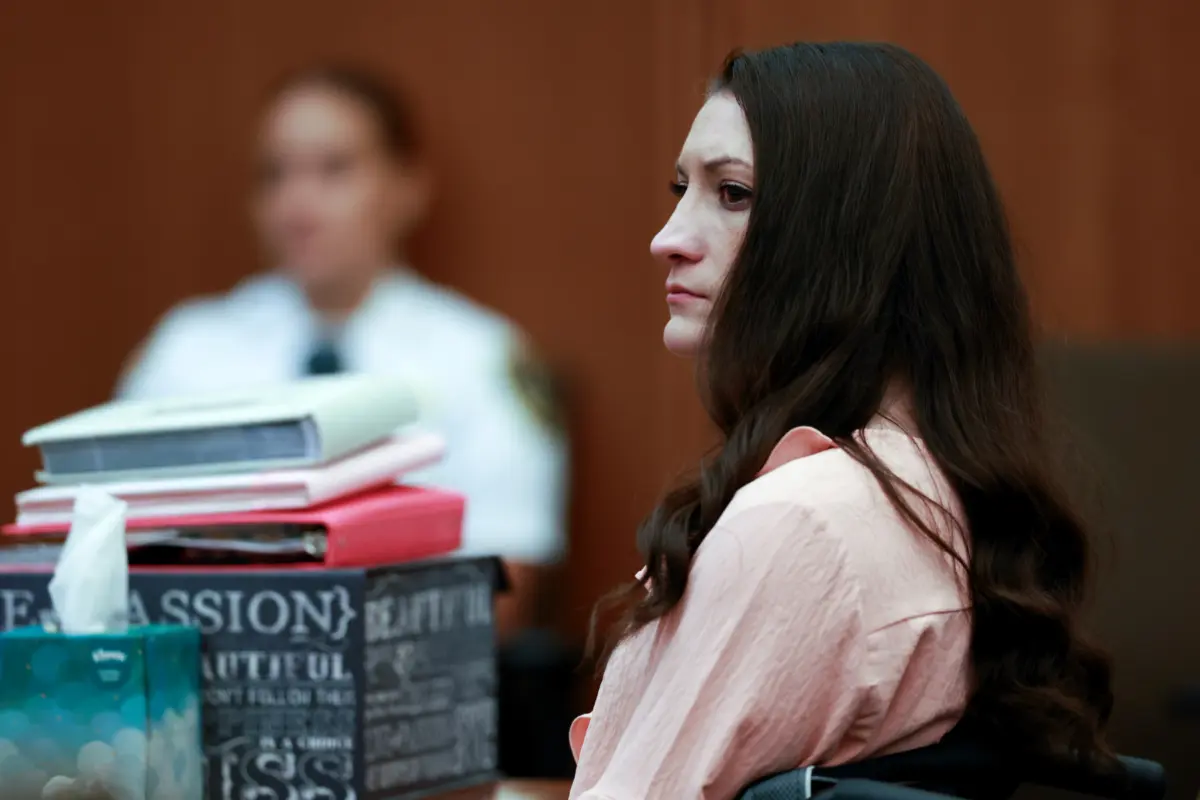
The high-profile murder trial of Lindsay Clancy entered a tense and critical phase as the jury, after logging approximately 17 hours of deliberations across three days, declared themselves hopelessly deadlocked. Presiding Judge William F. Sullivan formally instructed the panel—comprising nine women and three men—to resume their efforts, urging them to "stay the course" and carefully review the immense volume of evidence presented over the course of the lengthy proceedings.
The case, which has transfixed the nation and ignited fierce debates across political and social media landscapes, centers on the tragic deaths of Clancy’s three young children: 5-year-old Cora, 3-year-old Dawson, and 8-month-old Callan. The central legal battleground hinges on a starkly divergent narrative. Prosecutors allege a calculated, premeditated act committed by an unhappy mother who meticulously planned the murders. Conversely, the defense presents a harrowing account of severe medical crisis, asserting that Clancy was in the grips of a total postpartum psychotic break, suffering from auditory hallucinations that commanded her to take the lives of her children before attempting suicide.
As the jury enters its fourth day of deliberations, the stakes remain exceptionally high. Jurors are weighing five distinct verdict permutations ranging from first-degree murder—which carries a mandatory sentence of life without parole—to a verdict of not guilty by reason of lack of criminal responsibility. Beyond the courtroom walls, the case has become a cultural touchstone, drawing intense scrutiny from legal analysts, media pundits, and mothers nationwide who see reflections of their own silent struggles with postpartum mental health in the tragic details of the case.
Detailed Chronology of the Trial and Deliberations
The Trial Proceedings and Evidentiary Scope
Spanning several weeks starting in late July, the Lindsay Clancy murder trial proved to be a massive evidentiary undertaking. Judge Sullivan explicitly referenced the exhaustive nature of the proceedings when addressing the deadlocked jury, reminding them that the trial featured testimony from over 80 witnesses and the introduction of more than 300 exhibits.
The prosecution’s case leaned heavily on digital forensics, personal timelines, and expert testimony aimed at proving premeditation. Attorneys for the state painted a portrait of a hyper-controlling mother who grew increasingly dissatisfied with her domestic life. They argued that Clancy methodically planned the strangulation of her three children using exercise bands. Following the killings, Clancy attempted to take her own life by slashing her throat and wrists with a kitchen knife before jumping from a second-story window of her home—a fall that ultimately left her paralyzed.
In sharp contrast, the defense focused on unyielding medical evidence detailing Clancy’s rapidly deteriorating mental health in the weeks and months leading up to the tragedy. Defense experts testified that Clancy experienced severe postpartum psychosis, a rare and extreme medical emergency characterized by a complete detachment from reality. According to the defense, Clancy heard a commanding male voice in her head urging her to commit the acts, completely robbing her of her capacity to understand the nature of her actions or to conform her conduct to the requirements of the law.
The Stalemate and Judicial Intervention
By Tuesday morning, September 1, the friction within the jury room culminated in a formal communication to the bench.
"After many hours of deliberation, we are unable to come to a unanimous decision," the jurors wrote in a signed note submitted to Judge Sullivan.
Recognizing the gravity and complexity of the charges, Judge Sullivan exercised his judicial discretion to order continued deliberations. Addressing the panel of nine women and three men, the judge acknowledged the arduous nature of their task.
"I know that this was a long trial," Sullivan stated. "I know there were over 80 witnesses, over 300 exhibits. But because of that, I’m going to ask you to go back out, keeping in mind all the instructions that I gave you. To go out and to continue your deliberations at this time."
This directive followed instructions given late Monday, August 31, when the jury first wrapped up for the day without reaching a consensus, at which point Sullivan simply advised them to "stay the course."
Supporting Context & Metrics: The Legal Framework and Cultural Impact
The Five Verdict Permutations
The complexity facing the jury is underscored by the legal options available under Massachusetts law. Jurors must navigate five distinct verdict pathways:
- First-Degree Murder: Requires the jury to find that Clancy killed her children with "deliberate premeditation" or with "extreme atrocity or cruelty." This conviction carries an automatic sentence of life imprisonment without the possibility of parole.
- Second-Degree Murder: Involves the unlawful killing of the children but lacks the specific legal thresholds of extreme premeditation or atrocity. While it also carries a maximum sentence of life in prison, it uniquely allows for the possibility of future parole.
- Manslaughter: Applies if the jury concludes that Clancy intentionally engaged in "wanton or reckless" conduct that directly caused the deaths of her children, without the specific intent to murder. This conviction carries a penalty of up to 20 years in state prison.
- Not Guilty (Standard): A complete acquittal based on the determination that the prosecution failed to meet its burden of proving the elements of the crime beyond a reasonable doubt.
- Not Guilty by Lack of Criminal Responsibility: A specialized verdict recognizing that the defendant suffered from a severe mental disease or defect at the time of the offense, rendering her unable to appreciate the wrongfulness of her conduct. If selected, this verdict mandates that Clancy be committed to a secure mental health facility for evaluation and treatment rather than a traditional prison.
Digital Footprints and the Postpartum Debate
Beyond the courtroom, the case evolved into a massive social media phenomenon and cultural lightning rod. Throughout the trial, public interest focused heavily on Clancy’s private writings and internet search history. Disclosures revealed searches related to exhaustion, breastfeeding guilt, sleep-training methodologies, and the challenges of distributing maternal attention across three young children.
For many mothers across the country, these mundane yet exhausting digital footprints struck a deeply resonant chord. A significant segment of the public and various advocacy groups argued that Clancy’s digital history reflected common, albeit overwhelming, experiences of early motherhood that had been dangerously compounded by unaddressed or mismanaged postpartum depression and psychosis. The trial effectively forced a national conversation regarding the medical community’s handling of maternal mental health crises and the societal pressures placed on modern parents.
Official Statements and Media Controversey
Defense Perspective and Client Condition
Speaking to reporters outside the courthouse on Monday, defense attorney Kevin Reddington provided insight into Clancy’s emotional state as she awaited the verdict from her legal confinement. Reddington noted that while his client was understandably anxious about the jury’s decision, she drew considerable strength from the widespread public support she had received from individuals who viewed her as a victim of a medical catastrophe rather than a malicious actor.
"She knows that there are people out there that have not judged her and know that she is a wonderful, wonderful person," Reddington told reporters.
Clash Over Media Reporting
At the same time, Reddington did not shy away from launching heavy criticisms against certain sectors of the media, specifically targeting sensationalized coverage that he argued distorted the facts of the case. During a press briefing, the defense attorney singled out a recent television segment featuring legal analyst Nancy Grace and media personality Sean Hannity, forcefully accusing them of misrepresenting evidence—particularly regarding Clancy’s internet search history.
"I challenge Nancy Grace to show us where Lindsay Clancy ever said, ever googled ‘How to kill’ — words that came out of her mouth," Reddington stated with palpable frustration. "And these things hurt, these things hurt people. If you’re going to be a journalist, do it right."
This public friction highlights the intense media pressure surrounding high-profile trials in the digital age, where televised legal commentary often runs parallel to, and frequently complicates, formal courtroom proceedings.
Future Outlook
As the jury continues its historic deliberations into a fourth day, the immediate future of the case hinges entirely on the ability of the 12 jurors to reconcile their disparate views on intent, mental state, and culpability.
Should the jury return a verdict of first- or second-degree murder or manslaughter, Clancy faces decades—if not the remainder of her natural life—behind bars, likely housed within a specialized medical unit given her physical paralysis. Conversely, a verdict of not guilty by reason of lack of criminal responsibility would permanently alter the trajectory of the case, shifting her status from a criminal defendant to a psychiatric patient housed within a secure state mental health facility.
Regardless of the final verdict rendered by the Massachusetts jury, the trial of Lindsay Clancy has already left an indelible mark on the American legal and cultural landscape. It has permanently altered discussions surrounding the legal definitions of sanity and premeditation in the context of severe reproductive and mental health crises, ensuring that the tragic events of that fateful day will be studied by legal scholars, medical professionals, and sociologists for years to come.