In the contemporary digital landscape, visibility is the ultimate currency. As search engine algorithms become increasingly sophisticated, relying on guesswork or rudimentary keyword lists is a recipe for digital obscurity. Strategic search engine optimization (SEO) demands precision, data-backed intelligence, and a deep understanding of user intent. At the center of this data-driven revolution is Semrush, an industry-standard platform equipped with a robust suite of tools designed to demystify organic and paid search.
This comprehensive guide explores the advanced methodologies required to leverage Semrush for maximum digital impact. Moving beyond basic search queries, we examine a multi-tiered approach encompassing existing asset optimization, competitor reverse-engineering, gap analysis, topical ideation, and semantic keyword clustering. Whether managing an established enterprise web presence or launching a niche e-commerce venture, mastering these frameworks enables marketers to systematically uncover high-intent traffic, streamline content workflows, and outpace market rivals.
Detailed Chronology and Workflow Integration
Executing an effective SEO strategy requires a structured, step-by-step methodology. Rather than treating keyword research as an isolated task, modern digital architects view it as the foundation of a continuous, integrated lifecycle. The workflow outlined below demonstrates how to transition from initial data extraction to long-term performance monitoring using Semrush’s interconnected ecosystem.
Phase 1: Unlocking Quick Organic Wins via Existing Assets
For websites with an established content footprint, the most lucrative keyword opportunities are often hidden in plain sight. Instead of constantly churning out new content, digital strategists should first look to optimize what already exists.
Accessing the Data: Navigate to the Semrush SEO Toolkit and open the Organic Research >> Positions report. This generates a comprehensive index of every keyword for which the target domain ranks within the top 100 search engine results pages (SERPs).
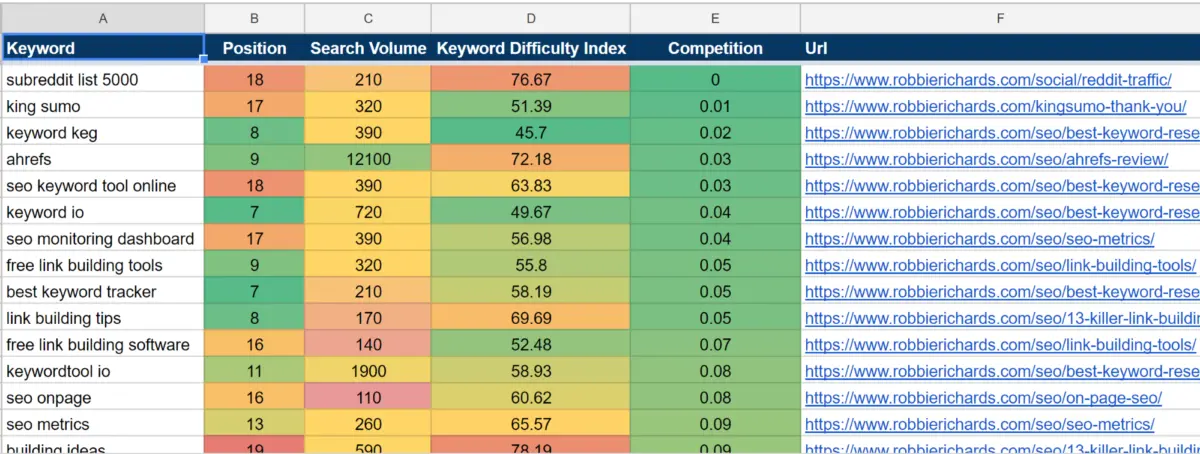
Applying Advanced Filters: To isolate low-hanging fruit—specifically keywords residing on pages two and three that are within striking distance of page one—apply targeted parameters. Filter for positions 4 through 15, set a baseline search volume threshold relevant to the industry, and cap the Keyword Difficulty (KD) to filter out hyper-competitive terms.
Segmentation: Export and segment these opportunities into distinct lists: Existing targets for content updates and New targets for future ideation. Alternatively, teams can export positions 4–15 into a customized spreadsheet template designed to automatically sort opportunities by search volume and competition level.
Market leaders have already invested significant capital into discovering what drives conversions. Analyzing their digital footprint offers an express route to high-intent traffic.
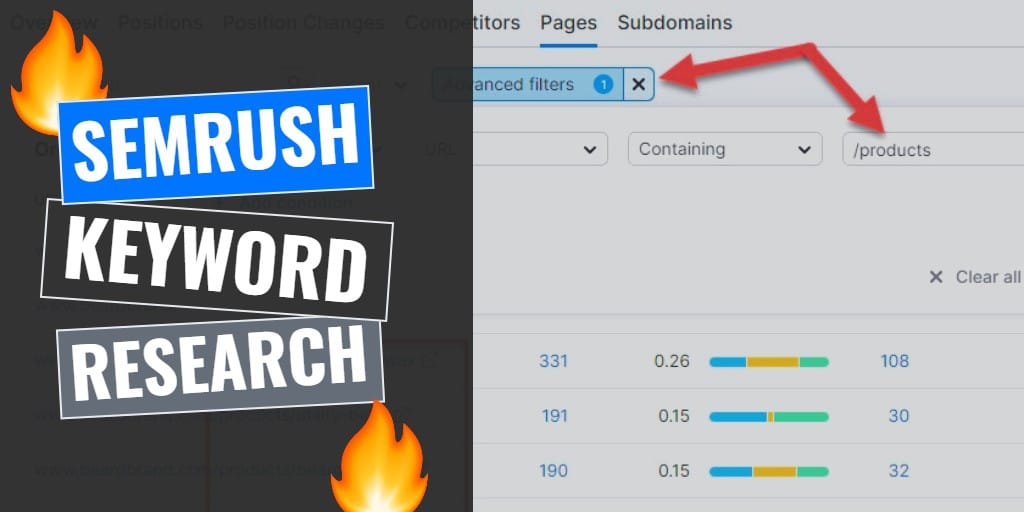
Top Pages & Subfolder Analysis: Enter a primary competitor’s domain into the SEO Toolkit and review the Organic Research >> Pages report. By applying URL subfolder filters (e.g., /products/ for e-commerce or /legal-services/ for legal practices), marketers can isolate the exact pages driving the highest volumes of targeted traffic.
Keyword Modifiers: When competitors lack structured subfolders, apply keyword modifiers (such as "best," "review," "vs," or "software") within the organic positions report to extract high-intent commercial and transactional queries.
Phase 3: Executing Comprehensive Gap Analyses
To capture market share from competitors, webmasters must identify and bridge the gaps in their own topical coverage.
Keyword Gap Tool: Input competing domains alongside your own into the Semrush Keyword Gap tool. Review the Missing Keywords report to isolate high-value search terms where competitors rank in the top positions, but your domain is completely absent.
Weak Keywords: Analyze terms where your site currently trails competitors, identifying candidates for immediate on-page optimization or dedicated content generation.
PPC-Organic Cross-Analysis: Leverage Semrush’s unique capability to evaluate paid versus organic gaps. By identifying terms where competitors are bidding on keywords that your brand does not organically dominate, you can uncover high-conversion commercial intent or deploy paid "aircover" while organic rankings mature.
Supporting Context, Metrics, and Advanced Segmentation
To extract actionable intelligence from Semrush’s database of over 24 billion keywords, practitioners must understand how to interpret core metrics and apply advanced filtering criteria.
The Metrics That Matter
Search Volume: Reflects the average monthly searches for a keyword, providing a baseline measurement of potential reach.
Keyword Difficulty (KD%): An algorithmic score indicating how difficult it would be to rank in the organic top 10 for a given keyword. Lower percentages suggest more attainable targets for newer or less-authorized domains.
Search Intent: Semrush categorizes keywords into Informational, Navigational, Commercial, and Transactional intent. Aligning content with the correct intent category is paramount, as Google’s algorithms increasingly favor pages that match what the user actually wants to achieve.
Semantic Clustering: The Key to Topical Authority
Modern search engines do not merely rank isolated keywords; they evaluate topical depth and semantic relevance. Semrush’s Keyword Manager and clustering capabilities allow users to group hundreds or thousands of related search terms into cohesive topic clusters.
When uploading an existing keyword set or generating clusters from seed terms, Semrush analyzes SERP overlap among top-ranking pages. If multiple keywords share identical top-ranking URLs, they are grouped into a single cluster. This prevents keyword cannibalization and provides a clear blueprint for comprehensive, authoritative content development. Furthermore, reviewing the Content References section within a cluster reveals whether competitors rank using a single comprehensive guide or multiple specialized landing pages, informing the precise URL architecture required to win the SERP.
Official Statements and Industry Best Practices
Industry thought leaders consistently emphasize the importance of tool integration and workflow efficiency in modern SEO campaigns. As highlighted throughout digital marketing circles, the true power of a platform like Semrush lies in its frictionless ecosystem.
"One of the standout advantages of advanced SEO suites is tool integration. Once target keyword lists are built, verified, and segmented, the ability to seamlessly transfer those terms directly into rank-tracking modules for ongoing visibility monitoring or into automated writing assistants for on-page optimization transforms fragmented tasks into a scalable, unified workflow."
By eliminating the friction of exporting, formatting, and importing data across disparate standalone tools, digital marketing teams can significantly accelerate their time-to-market for new content assets. This unified approach ensures that keyword intent, content briefs, and performance metrics remain tightly coupled throughout the entire publishing lifecycle.
Future Outlook: The Evolution of Search and Keyword Strategy
As artificial intelligence and machine learning continue to reshape search engine results pages through features like Google’s Search Generative Experience (SGE), the nature of keyword research is undergoing a profound transformation. Traditional exact-match keyword targeting is steadily giving way to holistic topic modeling and entity-based optimization.
Looking ahead, tools that combine deep quantitative metrics—such as volume and difficulty—with qualitative insights like search intent and semantic clustering will remain indispensable. Marketers who master advanced gap analyses, subfolder intelligence, and automated topic clustering will be uniquely positioned to adapt to shifting algorithm dynamics. By leveraging integrated platforms to capture granular user intent across every stage of the buyer’s journey, businesses can future-proof their digital visibility and maintain a competitive edge in an increasingly crowded online marketplace.