

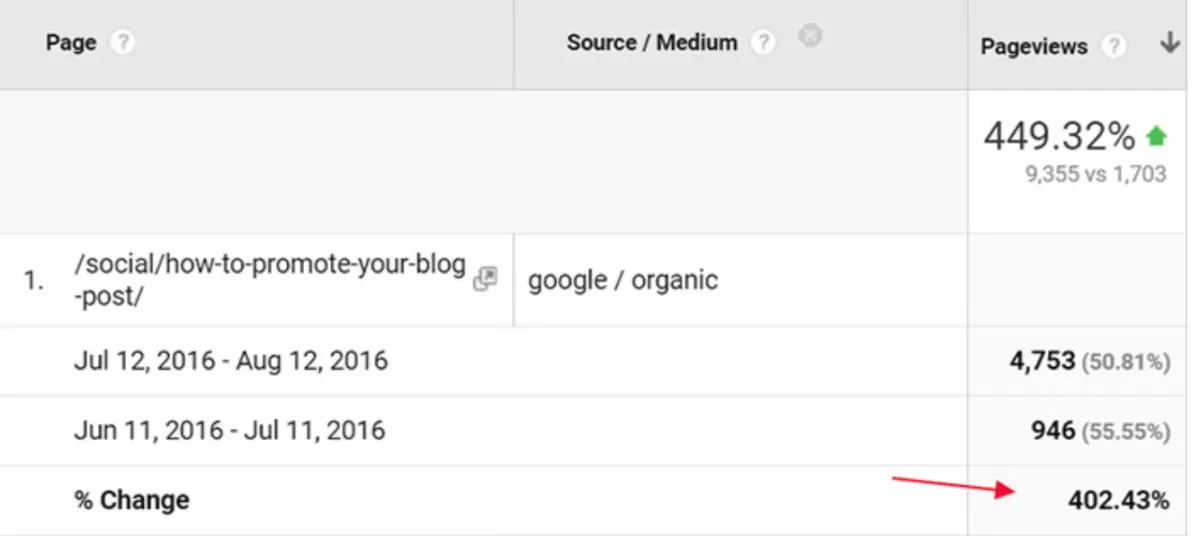
Executive Overview
In the modern digital economy, visibility is the ultimate currency, and Google remains its preeminent exchange. With global users executing upwards of 3.5 billion searches every single day, search engine optimization (SEO) is no longer a peripheral marketing tactic—it is a core pillar of business survival.
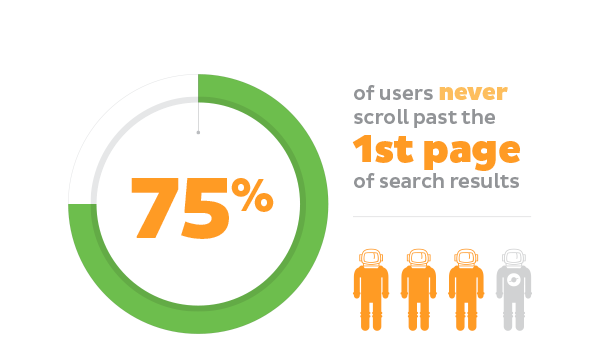
Yet, the digital landscape is profoundly unforgiving. Industry analytics consistently demonstrate that roughly 75% of searchers never venture past the first page of search engine results pages (SERPs). As the famous digital marketing adage by Copyblogger’s Brian Clark notes, "The best place to hide a dead body is page 2 of the Google search results."
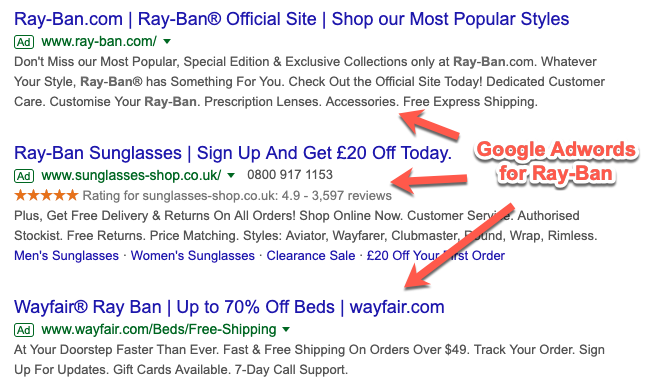
Securing a spot on Google’s front page is no longer just about outperforming a few rival blogs. Today’s SERPs are extraordinarily complex, dynamic ecosystems cluttered with paid ads, local map packs, featured snippets, knowledge panels, carousels, and related questions. Achieving and sustaining visibility requires a sophisticated, multi-pronged strategy that looks beyond traditional vanity metrics and focuses heavily on user intent, technical optimization, content architecture, and authority building.
This comprehensive report outlines 13 battle-tested, data-backed strategies to help your website capture front-page real estate across any industry—even when direct organic ranking feels entirely out of reach.

Detailed Chronology: The Evolution of SERP Complexity
To understand how to conquer Google’s first page today, one must trace how the search engine has evolved from a simple directory of blue links into a sprawling, interactive knowledge engine.

The Shift from Simple Directories to Complex SERP Real Estate
In the early days of search engine optimization, getting to page one was a straightforward game of keyword stuffing and acquiring basic backlinks. However, as algorithms matured, Google transformed the SERP layout to provide instant answers directly on the search page, keeping users within its ecosystem for as long as possible.

Today, when a user enters a query, the traditional organic search results are often pushed far below the fold. Website owners must now contend with a crowded landscape:
- PPC (Pay-Per-Click) Advertisements: Placed aggressively at both the absolute top and bottom of the page, capturing high-intent commercial clicks.
- Local Map Packs: Highly visual geo-targeted results that dominate local commercial queries.
- Featured Snippets ("Position Zero"): Instant answers pulled from web pages, stealing clicks before users even reach the number one organic result.
- People Also Ask / Related Questions: Interactive drop-down boxes that capture tangential search intent.
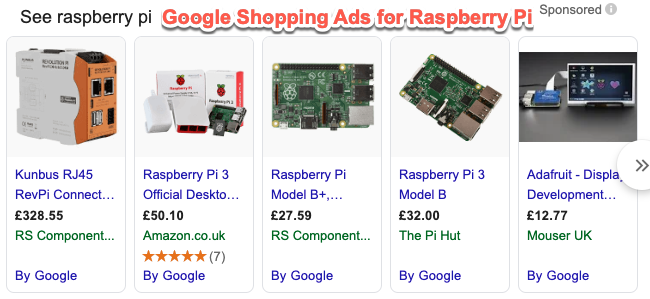
- Google Shopping / Paid Promotions: Visual product carousels designed to intercept transactional traffic.
According to data tracked by industry authorities like the MozCast Feature Graph, these SERP features now dominate a massive proportion of search queries. Consequently, SEO strategies must adapt. Relying solely on a traditional organic ranking approach leaves your business vulnerable to visual competition and shifting algorithmic real estate.

Supporting Context & Metrics: Unlocking Core Ranking Signals
Before executing tactical optimizations, digital marketers must understand the foundational signals that influence how and why Google ranks specific web pages.
1. Capitalizing on Low-Hanging Fruit (Quick-Win Keywords)
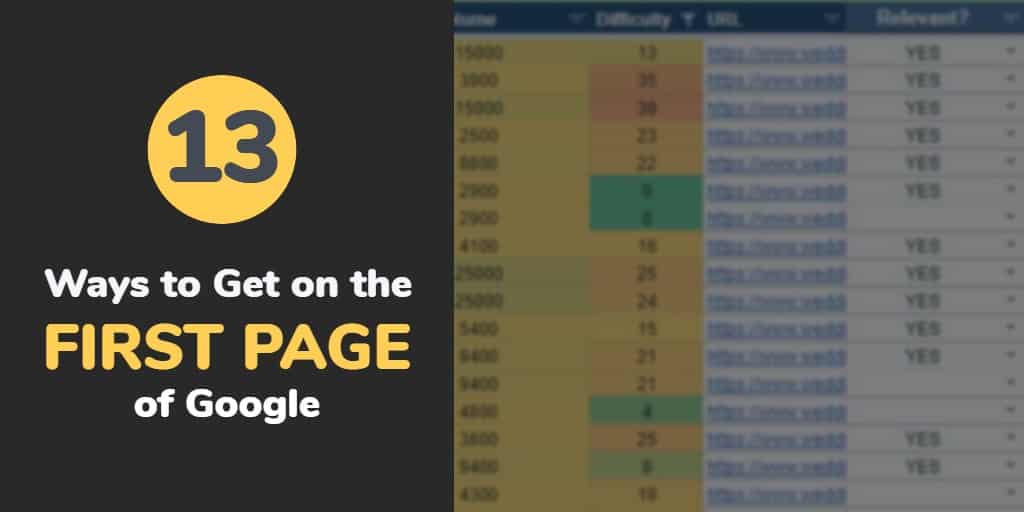
Rather than constantly bleeding time and resources into writing brand-new content from scratch, savvy marketers look inward. By mining existing keyword databases using tools like Semrush, you can identify pages currently languishing in "limbo"—specifically, keywords ranking between positions 6 and 20.

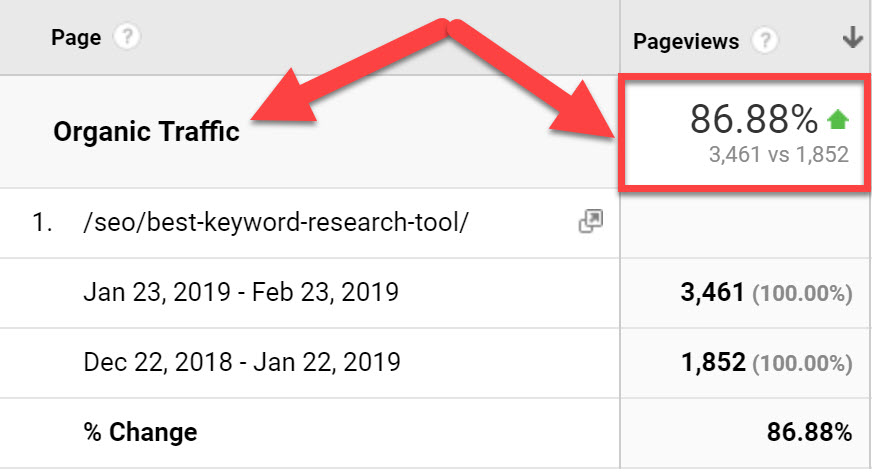
By applying custom filters (such as searching for keywords with decent monthly search volumes, manageable keyword difficulty scores under 49%, and query lengths of three words or more), you can unearth high-potential assets. Exporting this data into structured tracking sheets allows you to prioritize bottom-of-the-funnel "money" keywords first, followed by mid-funnel and informational queries. Refreshing, updating, and re-optimizing these existing URLs can often catapult a page from position 8 to position 2 overnight, resulting in massive month-over-month organic traffic spikes.

2. Identifying and Eliminating Keyword Cannibalization
A common pitfall for growing websites is internal competition, known as keyword cannibalization. This occurs when two or more distinct pages on your domain compete for the exact same search query.

Google’s algorithm struggles to determine which page deserves supremacy, frequently resulting in the demotion—or complete omission—of both pages. Furthermore, incoming backlinks and social shares become split between competing URLs, diluting overall domain authority.

- The Remedy: Export your site’s organic position report, run a comprehensive audit, and identify overlapping pages. If two pages offer similar, unique value, merge them into a single, authoritative canonical resource and implement a 301 redirect from the defunct URL. If the competing page adds no unique value, safely delete or redirect it.
3. Claiming "Position Zero" with Featured Snippets
Ranking #1 organically is fantastic, but capturing the Featured Snippet (Position Zero) allows you to bypass the top-ranked competitor entirely. Studies by Ahrefs indicate that the URL occupying Position Zero steals approximately 8.6% of clicks away from the traditional Position #1 result.

- Target existing opportunities where your site ranks on page one (positions 2 through 10) but a competitor holds the snippet.
- Restructure your content by providing concise, well-formatted definitions, bulleted lists, or clear tables directly beneath clear header tags that match the user’s explicit query.
4. Maximizing Local Map Pack Visibility
For bricks-and-mortar businesses and local service providers, organic blue links are secondary to the Google Map Pack. Google frequently triggers local map results based on the searcher’s physical location, eliminating the need for geographic modifiers like "near me."
According to official Google documentation, local ranking relies on three core pillars: Relevance (how closely your Google Business Profile matches a searcher’s query), Distance (how far your location is from the searcher), and Prominence (how well-known your business is offline and online, reinforced by reviews, citations, and backlinks).

Advanced Strategies: Outsmarting the Competition
When direct organic competition against established industry titans feels impossible, alternative SEO methodologies provide viable pathways to first-page visibility.
5. Targeting Low-Competition, High-Intent Long-Tail Keywords
Long-tail keywords feature lower individual monthly search volumes but vastly higher conversion rates. Because these queries are specific (e.g., searching for "Sony 50 inch 4K TV under $1000" versus "Sony TV"), the user’s transactional intent is razor-sharp. Mine competitor databases and utilize keyword research suites to extract question-based queries and semantic long-tail variants that your target audience is actively typing into search bars.
6. Harnessing Barnacle SEO
In heavily saturated industries—such as travel (dominated by TripAdvisor and Hotels.com), real estate (Zillow and Trulia), and legal services (Avvo and Justia)—small businesses cannot realistically outrank corporate behemoths overnight.

Instead of fighting them, Barnacle SEO allows you to attach your brand to these high-authority platforms. By optimizing your profiles in high-ranking directories, participating actively in industry-relevant forum threads (such as Quora), and linking back to valuable resources on your own site, you piggyback on their pre-established domain authority to capture front-page visibility.

7. Utilizing Parasite (Tenant) SEO for Ultra-Competitive Keywords
Similar to Barnacle SEO, Parasite SEO involves publishing comprehensive content directly on high-authority third-party publications and news sites rather than your own domain. Because these host sites possess immense Domain Authority (DA), newly published articles can rapidly rank for hyper-competitive "money" keywords that would otherwise take years of link building to capture independently. Brands can leverage this tactic to drive thousands of targeted referral visits and user registrations by embedding brand mentions, product reviews, or resource links within guest contributions on trusted platforms.

8. Matching Content Type to SERP Intent
A fatal mistake many site owners make is targeting a keyword with the wrong content format. For instance, attempting to rank for an informational query using a transactional product page will inevitably fail, regardless of how many backlinks the page acquires.
Always analyze the top 10 results for your target keyword before writing a single word. If Google displays long-form list posts, do not build a product landing page; build a superior, more comprehensive list post. If the SERP favors video content, invest in producing YouTube clips optimized for embedding.

9. Page-Level Link Signals and Authority Building
Ahrefs’ empirical research proves that page-level backlink metrics (such as the number of unique referring domains pointing to a specific URL) share the strongest correlation with top-tier rankings.

- Competitor Backlink Replication: Audit your top rivals, filter out low-quality spam, and target their authoritative, text-based follow links.
- Backlink Gaps & Recurring Sources: Identify domains that repeatedly link to your competitors across multiple pieces of content. These represent warm, receptive prospects for outreach.
- Internal Linking: Supercharge newly published pages by funneling "link juice" directly from your site’s existing high-authority pages via relevant internal anchor text links.
10. Expanding Your Organic Footprint (Topical Relevance)
A single well-optimized piece of content can rank for hundreds or thousands of secondary, semantic keywords. For instance, a comprehensive health guide can capture thousands of long-tail variations alongside its primary seed keyword.
By conducting thorough keyword gap and semantic clustering analyses using tools like Semrush’s Keyword Magic Tool, you can continuously expand your content to comprehensively address sub-topics, satisfying user intent more thoroughly than any competitor.

11. Embracing a Mobile-First Mindset
With mobile devices generating well over half of all global web traffic, Google relies entirely on Mobile-First Indexing. The mobile version of your website is now crawled, indexed, and ranked first.
A slow, non-responsive, or poorly designed mobile layout will actively depress your rankings across both mobile and desktop platforms. Regularly audit your web assets using Google’s Mobile-Friendly Test, Google PageSpeed Insights, and GTMetrix to ensure blazing-fast loading speeds and flawless mobile usability.

12. "Pay to Play": Strategic Paid Advertising
When organic SEO timelines are too slow for quarterly revenue goals, paid search strategies bridge the gap. Utilizing Google Ads (text ads and Local Map Pack ads) ensures instant visibility at the top of the SERPs.
Furthermore, analyzing competitor ad histories allows marketers to identify which keywords have successfully converted for rivals over extended periods (e.g., 12 consecutive months), eliminating guesswork and saving precious advertising budgets.

13. Immediate Indexing via Search Console
Publishing great content is useless if Google doesn’t know it exists. While automated crawlers will eventually find new pages, you can bypass waiting periods by utilizing Google Search Console’s URL Inspection Tool. Entering your newly published URL and clicking "Request Indexing" places your page into a priority crawl queue, ensuring rapid discovery and indexing within hours.

Future Outlook
The golden rule of search engine optimization remains constant: User intent is king. As Google’s artificial intelligence and machine learning models (such as MUM and Gemini-driven search experiences) continue to evolve, the definition of the SERP will morph further. Voice search, zero-click informational summaries, and hyper-personalized local results will demand even greater agility from digital marketers.

Sustaining front-page dominance requires an unwavering commitment to quality. Marketers who combine robust technical foundations, rigorous mobile optimization, strategic authority building, and an absolute dedication to satisfying user search intent will continue to secure the lion’s share of digital traffic. Take these 13 strategies, execute them systematically, and transform your website into an unmovable fixture on Google’s first page.