

Executive Overview
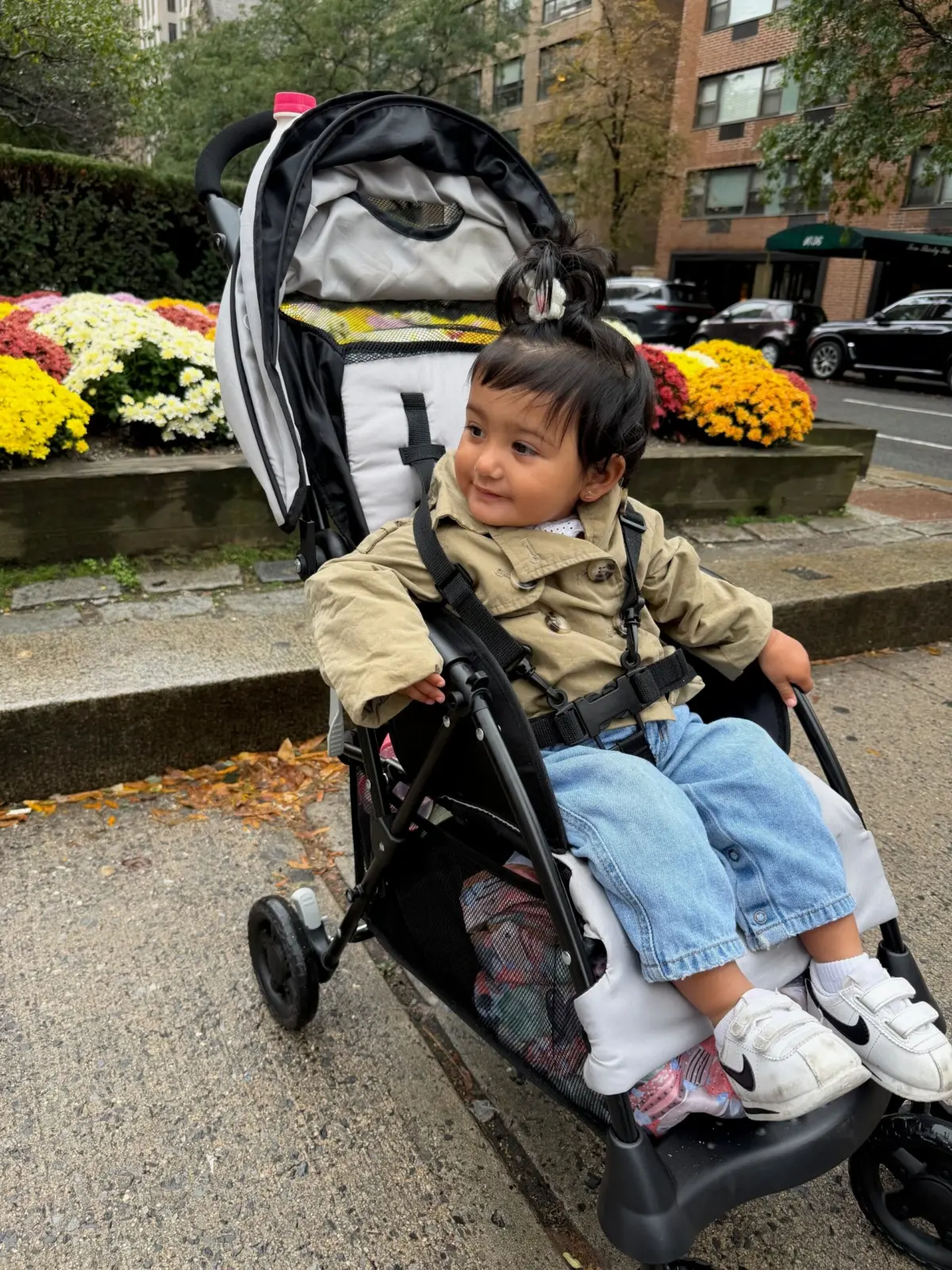
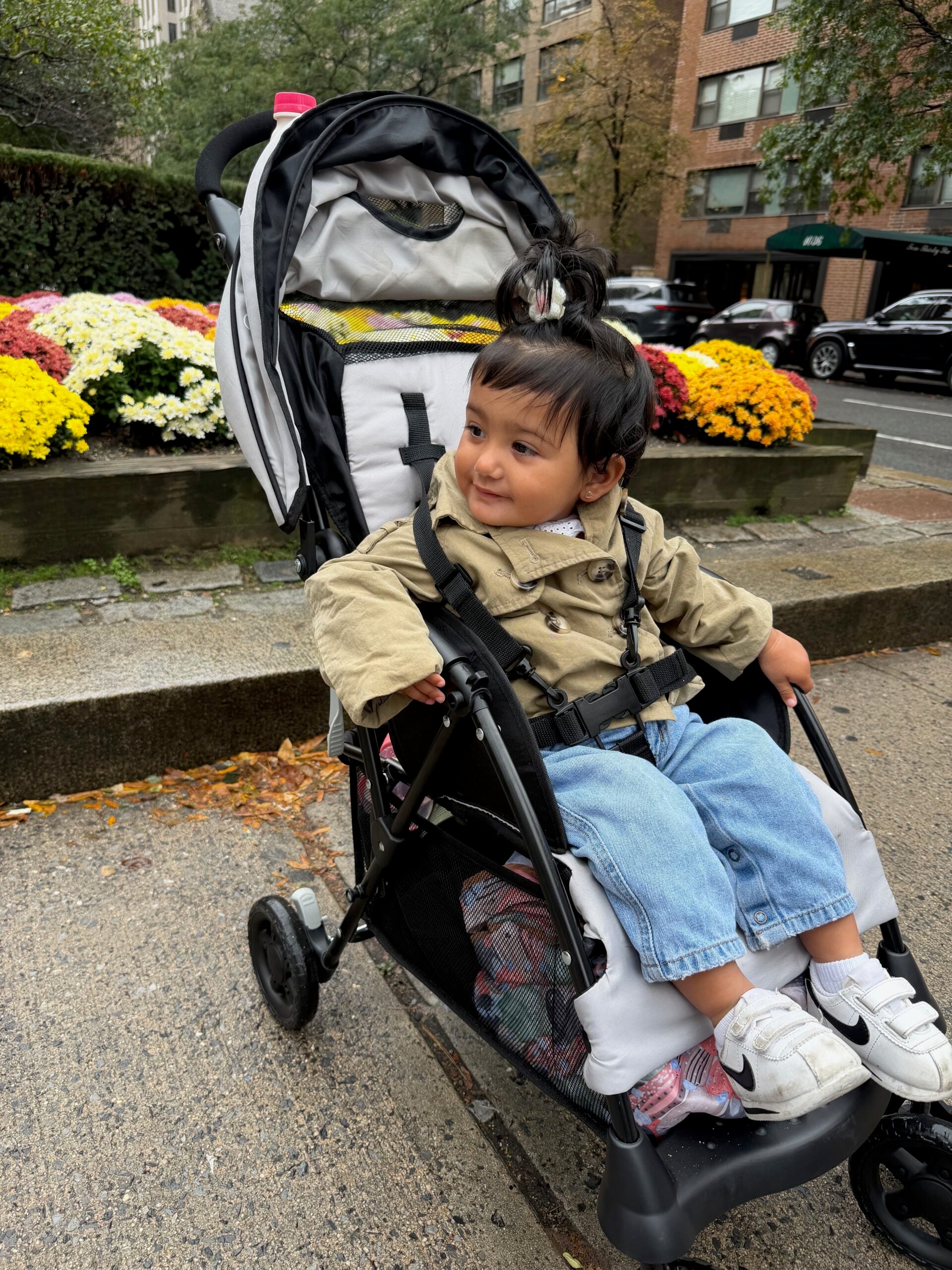
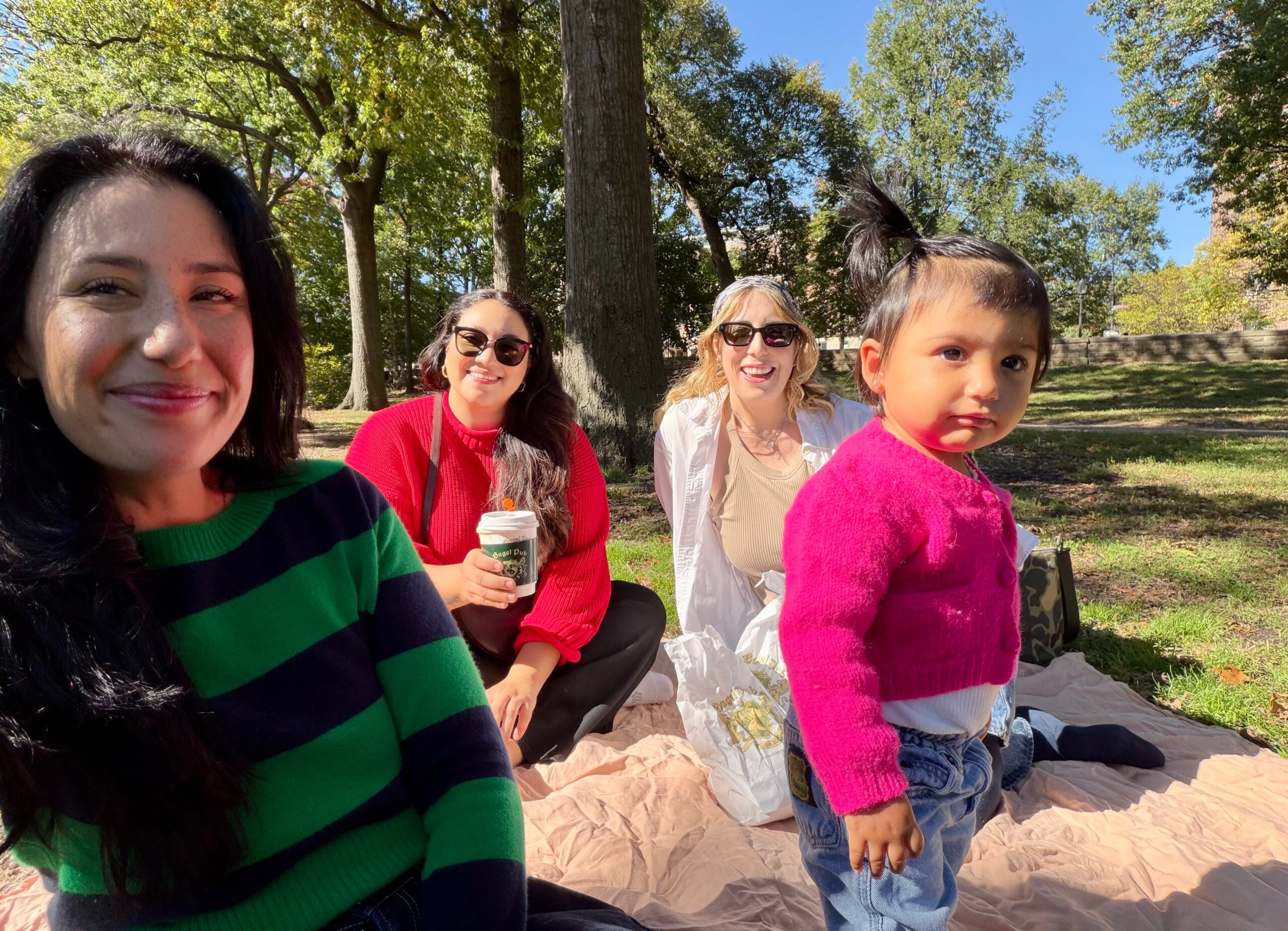
Traveling for work is a high-stakes balancing act for any professional, but introducing a one-year-old infant into the equation elevates the logistical challenge to an extreme sport. Earlier this month, a mother embarked on a high-pressure business trip to New York City, bringing along her toddler, Evelynn, alongside a supportive network of friends enlisted for childcare. What was supposed to be a harmonious synthesis of career ambitions and maternal duties nearly unraveled into a classic parenting nightmare on the second day of the trip.
A forgotten pacifier—a seemingly minor oversight—threatened to derail the morning, plunging the mother into a familiar spiral of parental anxiety in the middle of a bustling urban landscape. Yet, what began as a moment of acute panic transformed into a profound testament to the unwritten code of maternal solidarity. A chance encounter with a fellow mother in a local drugstore aisle underscored a universal truth of modern parenting: when systemic safety nets fail, the spontaneous, radical empathy of other mothers serves as the ultimate infrastructure. This essay-style journalistic feature explores the psychological weight of solo-parent travel, the invisible economy of kindness among women, and why the collective consciousness of motherhood remains the most reliable safety net in modern society.
Detailed Chronology: The NYC Panic and the Drugstore Miracle
The trip began with a vibrant mix of professional promise and maternal apprehension. With her friends Angela and Ally graciously volunteering to watch one-year-old Evelynn, the mother mapped out an ambitious itinerary for her second day in the city. The schedule glittered with milestones: a team lunch at the critically acclaimed Manhattan eatery Sailor, a series of interviews with newlyweds at City Hall, and a much-needed mental reset via a head massage at Blissful Spa.
However, beneath the veneer of professional excitement hummed the low-frequency anxiety familiar to every working parent leaving a child behind. Would Evelynn adjust? Would Angela and Ally feel overwhelmed? The stress test arrived much earlier than anticipated.
During a morning stroll through a neighborhood park prior to the workday’s commencement, the mother reached into her diaper bag to soothe the toddler. Her fingers brushed past spare clothes, diapers, and toys, but the search yielded a sickening realization: the pacifiers had been left behind at the hotel.
For parents of infants, a missing pacifier is not merely an inconvenience; it is a catalyst for catastrophic meltdowns, public humiliation, and derailed schedules. As the reality of the oversight set in, physical symptoms of panic manifested—sweating palms, racing heart, and the mental projection of an entire morning ruined by an inconsolable, sobbing child.
Spotting a local drugstore down the block, the mother sprinted toward it, navigating the morning pedestrian traffic with hyper-focused urgency. Upon locating the baby care aisle, she scanned the shelves, only to find the specific items she desperately needed conspicuously absent. Desperation breaching her defenses, she turned to the closest civilian ally available: another mother managing a bundled infant in a stroller.
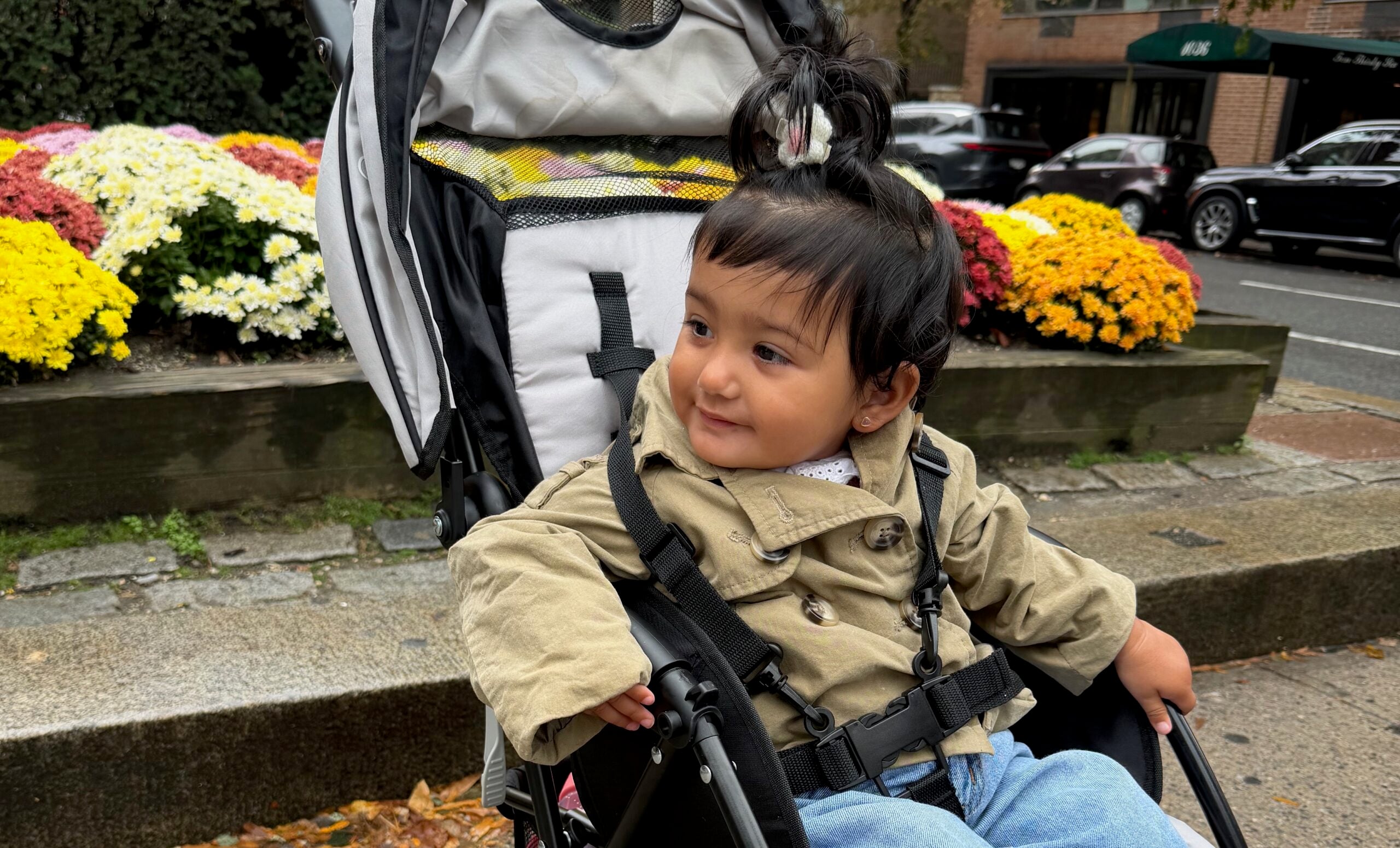
"Do you know if they sell pacifiers?" she asked, her voice tight with suppressed panic.
Without hesitation, the stranger replied, "Not sure, but I’ll help look!"
The two women initiated a frantic, collaborative sweep of the shelves. When it became clear that the inventory fell short, resignation began to settle in.
"You know what?" the mother sighed, preparing to embark on another fruitless search elsewhere in the neighborhood. "I’m sure I can find them somewhere else."
It was then that the stranger delivered a moment of cinematic grace. Reaching deep into her tote bag, she pulled out a clean, packaged pacifier.
"Do you need one right now? I have an extra."
Tears immediately welled in the mother’s eyes. The transaction was devoid of transaction; it was a pure, unadulterated act of empathy from one caregiver to another. In that cramped drugstore aisle, the stranger became an unsung urban hero, proving that while cities can feel profoundly isolating, the invisible community of parents operates with instantaneous, borderless connectivity.
Supporting Context & Metrics: The Modern Strains of Solo Travel and Parenting
To understand the emotional resonance of this drugstore encounter, one must examine the broader socio-economic landscape of modern parenting. Balancing career progression with infant care in post-pandemic metropolitan environments presents staggering logistical hurdles. According to recent demographic and labor statistics:
- The Working Mother Burden: Over 70% of mothers with young children participate in the American workforce, frequently navigating hybrid schedules, business travel, and a systemic lack of subsidized, flexible childcare infrastructure.
- The Psychology of "Parental Brain": Sleep deprivation and cognitive overload—commonly referred to as "parent brain"—are scientifically documented phenomena. High-stress environments like New York City exacerbate cortisol spikes, making minor omissions, such as forgotten pacifiers or missing wipes, feel like monumental crises.
- The Urban Isolation Factor: Major urban centers like New York are dense with people yet paradoxically lonely for new parents. Navigating public transit, narrow storefronts, and crowded sidewalks with strollers often transforms routine errands into physical and mental endurance tests.
When external stressors peak, formal institutions rarely offer immediate relief. There is no municipal hotline for a forgotten pacifier or an unexpected diaper blowout on the subway. Instead, modern parents rely almost entirely on informal peer networks—a phenomenon psychologists term "maternal altruism."
This altruism is rooted in shared vulnerability. Every mother knows the precise flavor of public embarrassment when a child screams uncontrollably, the panic of realizing sunblock was left behind on a scorching July afternoon, or the sinking feeling of running out of wipes mid-change. This shared repertoire of near-disasters fosters an unspoken contract: I have been where you are, and one day you will be where I am.
Official Statements and Historical Perspectives on the "Village"
The concept of collective child-rearing—often summarized by the African proverb "It takes a village"—has evolved significantly in the digital age. While physical neighborhoods have grown more atomized, digital and experiential villages have taken root through shared storytelling and micro-interactions.
Reflecting on the enduring nature of this maternal safety net, veteran parenting writer Abbey Nova famously articulated the ethos of asking for help:
"Remember you can ask other moms for help when the diaper explodes; when you forget the sunblock on the hottest, sunniest day of the year; when you realize you don’t have wipes. I’ve been endlessly humbled by the generosity of other women. Motherhood is a powerful shared experience. I was recently traveling alone with my toddler, overwhelmed, carrying him on my shoulders, plus two heavy bags. Just as I’d reached at the edge of my endurance, a mom came up to me and said, ‘How can I help?’ I almost burst into tears and handed her one of the bags. Even if you’re having an off day, some mother somewhere remembered to pack the snack, the sunscreen, and the wipes."
Sociologists note that these micro-interactions serve a crucial public health function. By validating the struggles of isolated caregivers, spontaneous acts of kindness reduce postpartum anxiety, combat urban alienation, and reinforce social cohesion. The psychological impact of a stranger’s generosity extends far beyond the immediate utility of a pacifier or a spare wipe; it restores a mother’s faith in her community and validates the invisible, often uncompensated labor of caregiving.
Future Outlook: Building More Compassionate Urban Spaces
As cities continue to densify and the demands on working parents intensify, the lessons learned from a simple morning in an Upper East Side drugstore take on broader implications. Urban planning, corporate travel policies, and public architecture are slowly shifting to accommodate the realities of family life, but grassroots empathy remains the frontline defense against parental burnout.
Future workplace initiatives for traveling parents must look beyond standard travel stipends to address the holistic emotional and logistical toll of balancing infants with professional obligations. Providing family-friendly accommodations, predictable scheduling, and institutional acknowledgment of caregiving responsibilities can alleviate baseline stress. However, as long as human error exists—whether it is a forgotten pacifier, missing formula, or a depleted pack of wet wipes—parents will inevitably find themselves relying on the kindness of strangers.
Ultimately, the story of Evelynn’s trip to New York is not just an anecdote about infant accessories; it is a celebration of an enduring social contract. It reminds us that behind every stroller, briefcase, and tired set of eyes in a crowded metropolis lies a network of invisible allies ready to step into the breach. Motherhood, in all its chaotic, beautiful unpredictability, remains a masterclass in shared humanity—proving that no matter how overwhelming the urban jungle may feel, you are never truly walking it alone.
How beautiful is that? Have you ever experienced an unexpected act of kindness from another parent when you needed it most? Join the conversation in the comments below.