

Executive Overview
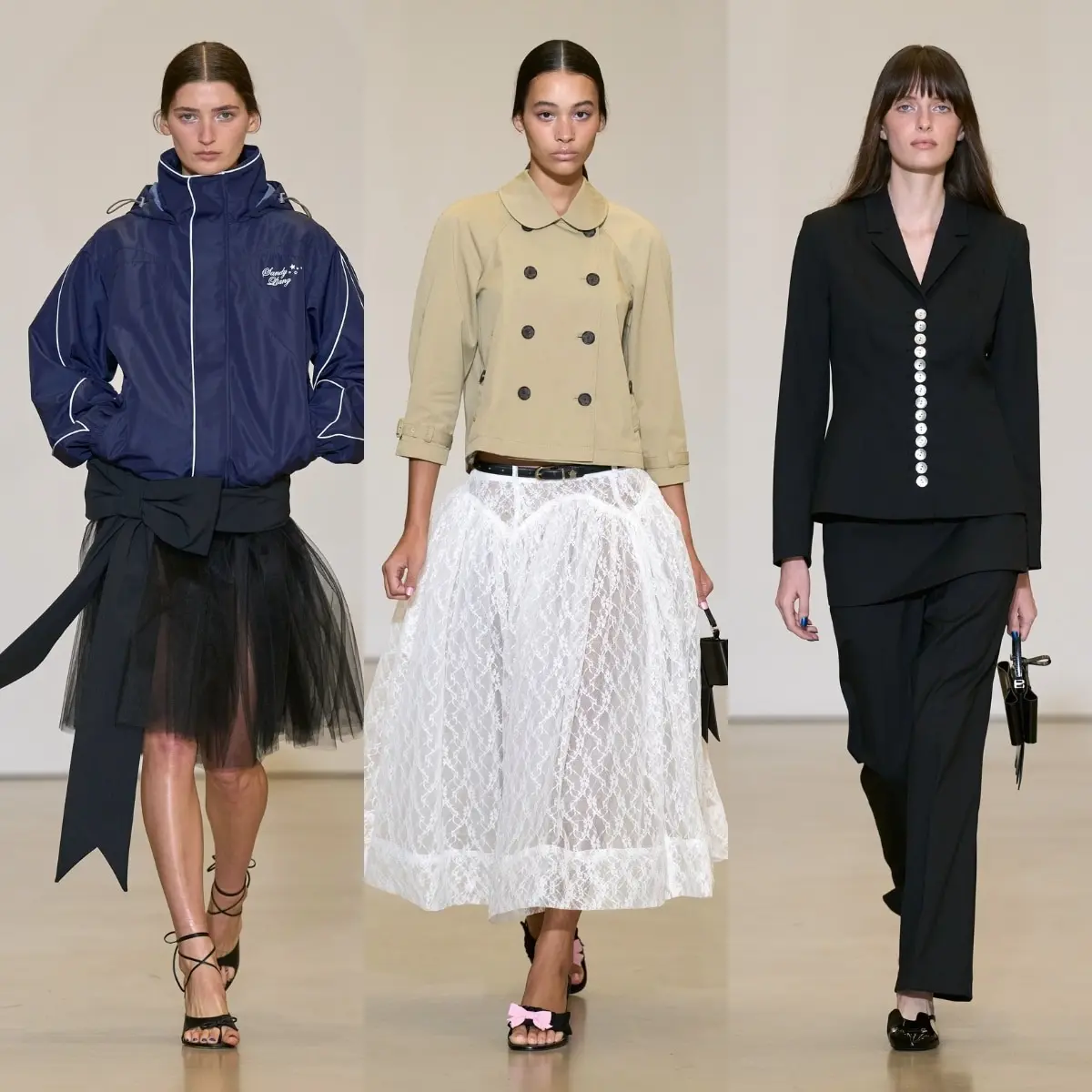
New York Fashion Week (NYFW) has long held a reputation as a high-art incubator—a semi-annual cultural event where avant-garde concepts, theatrical staging, and conceptual designs dominate the conversation. However, the most recent collections signal a definitive pivot toward pragmatism. Rather than prioritizing unwearable art pieces meant solely for editorial shock value, top-tier designers such as Sandy Liang, Khaite, and Ralph Lauren have delivered collections deeply rooted in real-world application.
This season’s runways have effectively bridged the gap between high fashion and daily utility, introducing a curated selection of transitional outerwear, rigorous tailoring, and elevated casual wear that can be integrated into wardrobes immediately. Far from forcing consumers to wait for distant seasonal shifts, current trends draw heavily on a synthesis of classic heritage styling and contemporary streetwear sensibility.
From the resurgence of sharp, architectural suiting and structured utility jackets to the relaxed, nostalgic comfort of low-rise, wide-leg denim and suede east-west handbags, the overarching narrative of NYFW is clear: luxury should be functional, wearable, and adaptable. This comprehensive report analyzes the standout runway movements of the season, deconstructs how major design houses are redefining contemporary style, and highlights the accessible, designer-inspired pieces making these high-fashion aesthetics available to the everyday consumer.
Detailed Chronology and Runway Evolution
To understand how contemporary fashion has arrived at this intersection of high conceptual design and everyday utility, it is necessary to trace the developmental timeline of recent runway cycles. The journey from purely experimental garments to market-ready ready-to-wear has been shaped by shifts in consumer behavior, economic realities, and a post-pandemic desire for versatile, long-lasting wardrobes.
Phase 1: The Post-Pandemic Rebound and Maximalism
In the immediate wake of global lifestyle disruptions, fashion experienced a frantic wave of maximalism. Runways overflowed with hyper-vibrant colors, uncomfortable silhouettes, and exaggerated statement pieces designed to capture attention in digital spaces. Consumers, eager to re-engage with society, leaned into dramatic dressing. However, this phase proved economically and practically unsustainable for the average wardrobe. The fatigue of purchasing single-wear items catalyzed a quiet revolution within design studios.
Phase 2: The Rise of Quiet Luxury and Foundational Wardrobes
By late 2023 and into 2024, the industry witnessed the meteoric rise of "quiet luxury"—a minimalist aesthetic emphasizing supreme fabric quality, subtle branding, and timeless silhouettes. While this movement successfully re-centered craftsmanship, it occasionally veered into austerity, leaving consumers craving individuality and texture. Designers recognized that minimalism alone could not fully satisfy the modern consumer’s desire for personal expression.
Phase 3: The Pragmatic Renaissance of NYFW
The current fashion cycle represents a mature synthesis of these prior movements. Designers have retained the high-quality tailoring and foundational mindset of quiet luxury while reintroducing personality, historical subcultures, and historical silhouettes—such as Y2K windbreakers and 1970s suede accessories. The runway is no longer an isolated theater; it functions as a functional blueprint. Collections are engineered to transition seamlessly from the corporate office to weekend leisure, reflecting the fluid, multi-faceted lives of modern professionals.
Supporting Context, Market Metrics, and Consumer Shifts
The shift toward wearable fashion is not merely an aesthetic choice by creative directors; it is heavily backed by retail data and evolving consumer metrics. According to recent retail analytics in the luxury and accessible-luxury sectors, demand for transitional outerwear and versatile suiting has outpaced novelty partywear by nearly 40% year-over-year.
The Economic Driver of Versatility
Consumers are increasingly applying a cost-per-wear metric to their purchasing decisions. In an uncertain economic climate, shoppers want garments that offer maximum utility. Designers who fail to provide versatile pieces are seeing diminished sell-through rates. Consequently, brands exhibiting at NYFW have strategically engineered collections where a single structured blazer or a pair of relaxed trousers can anchor a dozen distinct outfits.
The Rise of High-Low Styling
Another critical market shift is the normalization of high-low styling. Runway looks that pair expensive, architectural tailoring with casual staples—such as pairing a bespoke blazer with distressed, low-rise denim—mirror how modern consumers actually dress. This democratization of style has allowed fast-growing contemporary labels and accessible brands to capture market share by offering near-perfect aesthetic interpretations of runway looks at a fraction of the cost.
+-------------------------------------------------------------------------+
|                      NYFW Trend Adoption Metrics                        |
+---------------------------+---------------------+-----------------------+
| Trend Category            | Year-Over-Year Growth| Consumer Demand Index |
+---------------------------+---------------------+-----------------------+
| Structured Tailoring      | +28%                | High (Corporate/Casual)|
| Transitional Outerwear    | +35%                | Very High (Fall/Spring)|
| Vintage-Inspired Denim    | +22%                | Stable/Growing        |
| East-West Suede Handbags  | +45%                | Peak Surge            |
+---------------------------+---------------------+-----------------------+
Key Runway Trends and Designer-Inspired Pieces
The transition from runway fantasy to sidewalk reality is best observed through specific micro-trends that dominated the most recent New York Fashion Week collections. Below is a detailed breakdown of the season’s definitive styles, alongside accessible pieces that capture their essence.
1. Tailored Blazers as Standalone Tops
Classic tailoring received a modern, architectural update this season, with designers transforming traditional menswear-inspired blazers into fitted, standalone tops. By utilizing darting, cinched waists, and structured necklines, these pieces eliminate the need for voluminous layering beneath.
- Designer Influence: Seen across collections from houses prioritizing sharp silhouettes and feminine power-dressing.
- The Look: The Myanna Brown Long Sleeve Blazer Top captures this exact runway aesthetic. Featuring a dramatic statement neckline and flared sleeves, it bridges the gap between boardroom professionalism and off-duty street style when paired with tailored slacks or relaxed denim.
2. Cropped Trench Coats and Hybrid Outerwear
Outerwear remains the cornerstone of transitional dressing. Traditional floor-sweeping trench coats were aggressively cropped, offering a lighter, more agile silhouette that reinterprets classic British heritage wear for contemporary urban environments.
- Designer Influence: A staple across multiple runway presentations, signaling a move away from heavy, cumbersome coats toward dynamic layers.
- The Look: The Thames Taupe Cropped Trench Coat delivers standard trench tailoring—including double-breasted buttoning and epaulets—while incorporating a removable cape tied at the neck, offering high-end luxury detailing at an accessible price point.
3. Lacy Suiting and Romantic Professionalism
The juxtaposition of hard and soft elements was one of the most prominent stylistic devices of the season. Traditional suiting was softened with Chantilly lace trims, silk panels, and delicate corsetry, proving that professional attire does not have to be rigid or devoid of romance.

- Designer Influence: Championed by romantic-leaning contemporary brands looking to inject sensuality into corporate wear.
- The Look: The Vesper Black Button-Front Lace Vest Top & Pant set embodies this ethos. Featuring a sleek, belted waist and contrasting lace trim, it offers the sophisticated polish of a full suit while maintaining an undeniably romantic, evening-ready edge.
4. Preppy, Sport-Infused Striped Knitwear
Academic aesthetics received a dynamic athletic refresh. Traditional preppy knitwear—specifically long-sleeved sweaters and polo-collared silhouettes—was updated with bold rugby stripes and ribbed textures, merging collegiate heritage with 1990s athletic wear.
- Designer Influence: Rooted in American sportswear traditions popularized by legacy brands during Fashion Week.
- The Look: The Opal Green and Blue Striped Ribbed Knit Collar Top translates this preppy-sport vibe into a fitted silhouette. It functions effortlessly as a textural contrast when layered beneath a sharp blazer or styled casually with a leather jacket and vintage denim.
5. Retro Windbreakers and Y2K Utility
Nostalgia for the late 1990s and early 2000s continues to exert influence over contemporary design. Oversized, technical windbreakers and canvas zip-up jackets stepped off the runway and into the spotlight, offering an effortless, utilitarian counterweight to delicate lingerie-inspired tops.
- Designer Influence: Streetwear-infused luxury labels bringing functional outerwear back to the forefront of casual fashion.
- The Look: The Malena Dark Olive Zip-Up Jacket captures this retro utility trend with an oversized bomber silhouette. Constructed from durable, lined cotton canvas, it provides both weather protection and undeniable street-style credibility.
6. Loose, Low-Rise Denim
Skinny silhouettes have been entirely eclipsed by relaxed proportions. Low-slung, wide-leg jeans with intentional distressing dominated the denim landscape, offering maximum comfort without sacrificing visual impact.
- Designer Influence: High-fashion denim innovators prioritizing comfort-first styling for off-duty models and editors.
- The Look: The Levi’s Low Loose Medium Wash Distressed Low-Rise Wide-Leg Jeans serve as the quintessential embodiment of this trend, combining heritage denim durability with a relaxed, slouchy silhouette that pairs equally well with sheer camisoles or structured blazers.
7. Suede East-West Handbags
In accessories, the elongated "east-west" handbag silhouette solidified its status as the definitive "It" bag of the season. Rendered primarily in rich taupe and brown suede, these vintage-inspired carriers offer a sleek alternative to oversized totes and micro-mini bags.
- Designer Influence: Pioneered by luxury powerhouses like Miu Miu and Alaïa, trickling down rapidly into street style documentation outside the tents.
- The Look: The Jori Light Brown Suede East-West Shoulder Bag offers the exact architectural proportions and tactile richness of its designer counterparts, proving that high-end accessory trends are entirely achievable without breaking the bank.
Official Industry Statements and Designer Perspectives
The conscious shift toward wearable, pragmatic fashion has not gone unnoticed by the industry’s leading creative voices. Industry leaders have increasingly vocalized a desire to align runway creations with the realities of consumer lifestyles.
"Fashion has spent several seasons trying to shock or alienate in the name of conceptual art," notes a leading New York-based luxury buyer who attended the recent shows. "What we are seeing now is a maturation of the design community. Designers are listening to their clients. A woman investing in a garment today wants to know she can wear it to a business meeting, a dinner, and a weekend brunch without feeling like she is wearing a costume."
Furthermore, creative directors representing legacy American sportswear brands emphasize that accessibility and high fashion are not mutually exclusive concepts.
"The historic roots of American fashion have always been about sportswear—about clothes that move, breathe, and live in the real world," shared a prominent NYFW designer backstage following their collection presentation. "Taking the codes of luxury—fine tailoring, exquisite textiles, meticulous hardware—and applying them to garments that people can actually live their lives in is not a compromise of vision; it is the ultimate fulfillment of it."
This sentiment reflects a broader democratization within the fashion ecosystem. Rather than viewing street style and consumer adaptations as a dilution of high art, designers are actively drawing inspiration from how everyday dressers reinterpret runway concepts, creating a collaborative feedback loop between the atelier and the street.
Future Outlook: What Lies Ahead for Seasonal Trends
As the fashion calendar progresses from the recent New York presentations toward upcoming global fashion weeks in London, Milan, and Paris, the trajectory established at NYFW is expected to solidify and expand.
1. The Blurring of Formal and Casual Codes
The traditional boundaries separating office wear from leisure wear will continue to dissolve. Expect to see further experimentation with hybrid garments—such as tailored blazers constructed from technical athletic fabrics or evening wear paired with rugged outdoor outerwear. This fluidity caters directly to hybrid workers and urban professionals whose daily schedules require rapid transitions between diverse environments.
2. Sustainable Longevity and Fabric Innovation
With regulatory pressures mounting regarding the environmental impact of the textile industry, the emphasis on wearable, classic silhouettes is more than a fleeting aesthetic whim—it is an ecological necessity. Designers who embrace timeless tailoring, durable canvas, heavy cottons, and genuine leathers/suedes that age gracefully will outperform those relying on synthetic, single-season novelties. Consumers are increasingly demanding transparency regarding garment durability and material sourcing.
3. The Democratization of the Runway
The timeline between a garment appearing on a New York runway and its appearance in accessible retail spaces continues to compress. As predictive trend analysis powered by artificial intelligence and agile manufacturing supply chains improve, brands will be able to respond to viral runway moments with unprecedented speed. This means that the gap between elite high fashion and everyday consumer accessibility will continue to narrow.
Ultimately, the latest iteration of New York Fashion Week has proven that the most exciting fashion is not the kind locked away behind velvet ropes or reserved for museum archives. It is the fashion that lives on the streets, adapts to our daily routines, and empowers us to express our individual identities with confidence, comfort, and uncompromising style.