


Executive Overview
In the hyper-competitive landscape of digital freelancing, the difference between a struggling novice and a thriving, six-figure writer rarely boils down to raw talent alone. While exceptional prose, deep subject-matter expertise, and a polished portfolio are foundational, they are insufficient on their own. The ultimate catalyst for client acquisition is rooted in a disciplined, methodical approach to cold outreach—specifically, the art and science of the email follow-up.
Industry data consistently demonstrates that the vast majority of freelance writers sabotage their own businesses at the very first hurdle. They draft a list of prospective clients, send a single, meticulously crafted cold email, receive radio silence, and abandon the lead entirely. This single-touchpoint mentality leaves monumental amounts of revenue on the table.
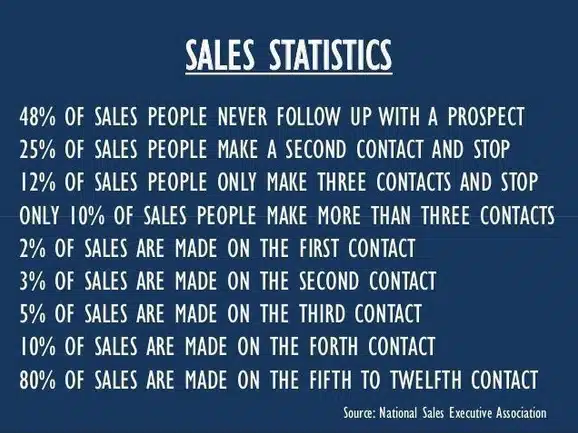
According to sales and marketing metrics, up to 80% of all conversions happen after the initial point of contact, requiring anywhere from five to twelve touchpoints before a prospect takes definitive action. For freelance writers navigating the noise of crowded corporate inboxes, mastering the cadence, personalization, and tracking of follow-up emails is not merely an optional tactic—it is an absolute operational necessity. This report investigates the mechanics of effective freelance email outreach, explores the psychology of client timing, and outlines actionable systems to transform dormant leads into lucrative, long-term contracts.
Detailed Chronology: The Lifecycle of a Cold Email Campaign
To understand why follow-ups are indispensable, one must first examine the standard lifecycle of a cold outreach campaign. Most freelancers approach prospecting as a transactional event: Research client $rightarrow$ Send email $rightarrow$ Await response. When the response does not arrive within 48 hours, the campaign is deemed a failure.
However, professional sales pipelines operate on an entirely different timeline. Here is the true chronology of how a successful freelance writing relationship is forged through strategic persistence:
Phase 1: The Initial Hook (Days 1–3)
The initial cold email serves one primary purpose: to establish a baseline of familiarity and demonstrate immediate value. Contrary to popular belief, the primary objective of this first email is rarely to secure a signed contract immediately. Instead, it is designed to plant a seed, validate your professionalism, and leave a positive, memorable impression.
A high-performing initial email typically features a hyper-personalized opening sentence that demonstrates genuine familiarity with the prospect’s brand, content strategy, or recent company milestones. It avoids generic fluff, delivers a concise value proposition, and closes with a low-friction "easy out"—a non-intrusive sign-off that respects the recipient’s time and removes pressure.
Phase 2: The Silent Gap (Days 2–5)
Following the initial transmission, patience is critical. Sending a follow-up the very next day crosses the line from persistent to pushy, triggering annoyance and defensive behaviors. Conversely, waiting too long allows the memory of your initial message to fade completely beneath an avalanche of daily corporate correspondence. The optimal window for the first follow-up is universally recognized as two to five days post-initial contact.

Phase 3: The Cadence of Continuity (Weeks 2–8)
Once the initial follow-up is sent, maintaining a structured, respectful rhythm is vital. The campaign shifts from an immediate pitch to a long-term nurturing sequence.
- Touchpoint 3: Sent roughly one week after the first follow-up, offering an additional piece of relevant insight or a timely content idea.
- Touchpoint 4 & Beyond: Shifted to a broader, seasonal rhythm. Rather than incessantly pitching services, quarterly check-ins align naturally with corporate calendar shifts—such as end-of-year content rushes, New Year planning in mid-January, or seasonal strategy updates in spring and fall.
Through this phased evolution, the outreach transitions from an unwelcome interruption into a welcomed, reliable resource.
Supporting Context & Metrics: The Science of Persistence
Why do freelance writers persistently abandon leads after a single email? The primary culprit is psychological discomfort: the fear of being perceived as a nuisance or "spamming" potential clients. However, distinguishing between aggressive spam and professional persistence is crucial for modern freelancers.
Deconstructing the Sales Funnel Data
Sales and marketing analytics validate the necessity of multi-touch outreach. Industry benchmarks reveal a stark reality regarding persistence:
- 44% of sales representatives give up after just one follow-up email.
- 22% stop after two follow-ups.
- 14% stop after three.
- 12% stop after four.
This means that over 90% of freelancers and sales professionals surrender prematurely. Meanwhile, top-tier earners understand that the majority of significant sales decisions—up to 80%, according to comprehensive sales tracking data—occur strictly between the fifth and twelfth contact.
[Initial Email (1st Contact)] ---> 44% of freelancers quit here
         |
[1st Follow-Up (2nd Contact)] --> 22% of freelancers quit here
         |
[2nd Follow-Up (3rd Contact)] --> 14% of freelancers quit here
         |
[3rd Follow-Up (4th Contact)] --> 12% of freelancers quit here
         |
[5th to 12th Contact Range] ----> Where 80% of real sales and deals happen!
The Alignment of Timing and Need
When a freelancer launches a cold email campaign, the statistical probability that the target company has an immediate, burning need for a writer at that exact second is remarkably low. Budgets are locked, current content teams may be at capacity, or marketing priorities lie elsewhere.
However, corporate landscapes are fluid. Three, six, or nine months down the line, a staff writer may depart, a content calendar may suddenly expand, or an upcoming product launch may create an urgent demand for specialized writing talent. If a freelancer has vanished after one email, they are invisible when that need finally materializes. Conversely, a freelancer who has maintained a polite, quarterly touchpoint cadence remains front-of-mind. In essence, consistent follow-ups are a form of insurance—guaranteeing that when luck and timing finally intersect, your name is the first one in the prospect’s inbox.
Expert Insights and Operational Strategies
To execute a high-converting follow-up campaign without damaging one’s professional reputation, industry veterans emphasize two core pillars: extreme personalization and systematic tracking.
The Antidote to Generic Outreach
In the age of generative artificial intelligence, corporate inboxes are inundated with poorly constructed, entirely automated cold emails. Mass-produced pitches devoid of human nuance have severely degraded the reputation of cold outreach as a whole.
Seasoned industry leaders note that decision-makers can spot an AI-generated, unpersonalized blast from a mile away. When a prospect receives multiple generic follow-ups for a service they never asked for, frustration mounts, leading directly to spam reports and burned bridges.
The solution is not to abandon cold emailing, but to elevate its quality:
- Customize the Hook: Spend an extra two minutes reviewing the client’s blog, recent podcast appearance, or company news. Craft the opening sentence specifically around their world.
- Add Immediate Value: Rather than asking "What can you do for me?" or "Did you read my last email?", use follow-ups to offer a fresh perspective, point out a broken link, or pitch a targeted headline idea based on their recent content.
- Deploy the "Easy Out": Conclude messages with a low-pressure exit clause (e.g., "If you’re completely buried right now, no worries at all—just let me know and I won’t bother you again."). This approach disarms the prospect, showcases emotional intelligence, and paradoxically increases response rates by removing obligation.
Building a Bulletproof Tracking Infrastructure
Manual tracking via memory or disorganized sticky notes inevitably leads to dropped leads. To scale an outreach operation efficiently, freelancers must implement robust tracking systems. Two primary methodologies dominate the modern freelance landscape:
- CRM-Enabled Inboxes (e.g., Streak for Gmail): These tools integrate directly into standard email clients, transforming a regular inbox into a functional Customer Relationship Management (CRM) platform. They allow freelancers to track when emails are opened, attach detailed notes to specific contacts, and automate reminder cadences so that follow-up tasks trigger reliably without manual oversight.
- AI-Assisted Workflow Managers (e.g., Claude or ChatGPT): For freelancers who prefer to bypass traditional spreadsheets entirely, advanced AI models serve as virtual executive assistants. By maintaining a structured log within an AI chat interface—updating it with dates, outreach types, and contact identities—freelancers can query the system for periodic performance summaries, conversion metrics, and automated reminders for upcoming outreach tasks.
Regardless of the specific software chosen, the overarching mandate remains clear: establishing a systematic infrastructure eliminates the friction of remembering who to contact and when, transforming a stressful chore into a seamless daily habit.
Future Outlook: The Evolution of Client Acquisition
As digital noise continues to amplify across all industries, the future of freelance writing success will increasingly belong to those who master relationship-driven prospecting over transactional volume.
The era of blasting out thousands of identical, automated templates is drawing to a close. Spam filters are becoming more sophisticated, and decision-makers are developing sharper filters for insincere outreach. Consequently, the value of hyper-targeted, highly respectful, and persistently nurtured cold outreach will skyrocket.
Freelancers who adapt by combining bespoke personalization with automated, long-term follow-up sequences will find themselves insulated from market fluctuations. By viewing follow-ups not as an intrusive annoyance, but as a genuine service that keeps critical resources top-of-mind, writers can build predictable, resilient pipelines that consistently convert cold prospects into high-paying, lifelong clients. The work does not end when the send button is clicked; in many ways, that is precisely where the real work—and the real revenue—begins.