

Executive Overview
For nearly two decades, WordPress has powered a significant portion of the global internet, evolving from a simple blogging platform into a robust Content Management System (CMS). Central to this democratization of web publishing has been the page builder ecosystem. Tools like Elementor, Divi, and Beaver Builder revolutionized how non-developers create websites, replacing raw code with visual, drag-and-drop interfaces. However, these traditional builders introduced their own systemic compromises: rigid grid systems, reliance on complex third-party add-ons, bloated DOM structures, and performance trade-offs that often degrade Core Web Vitals.
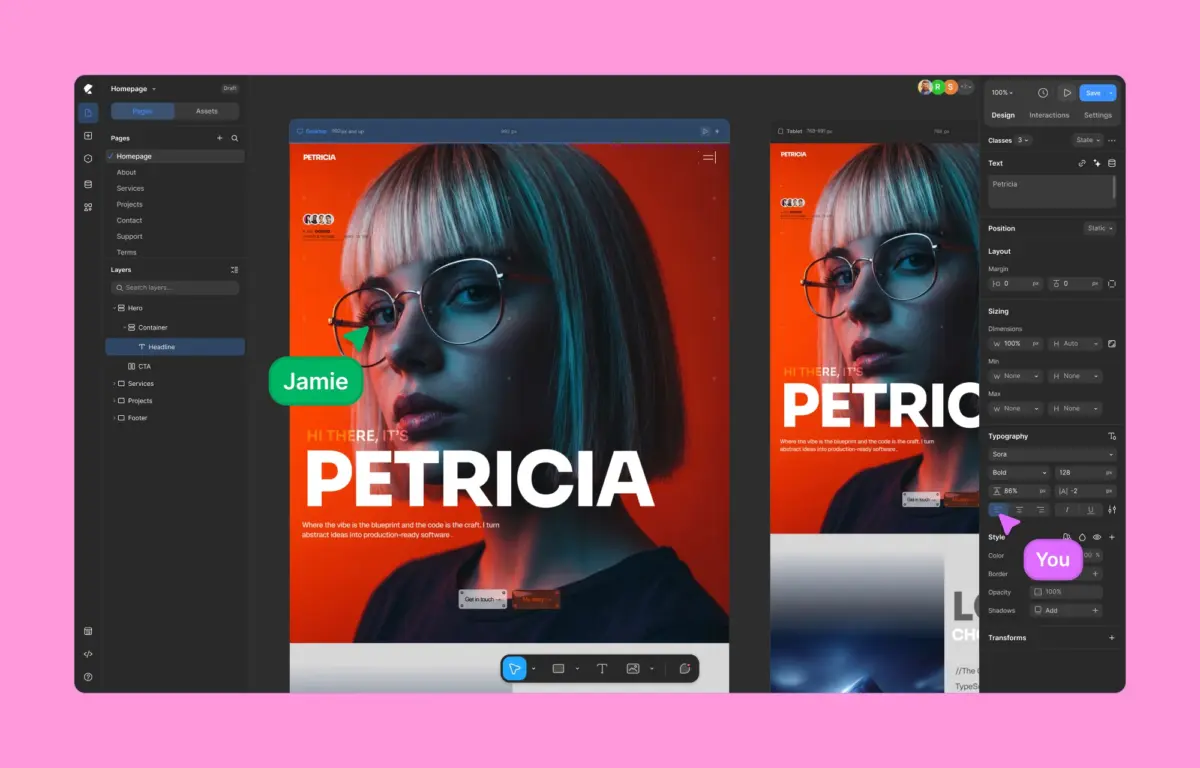
Enter Kirki, a next-generation, no-code visual website builder for WordPress that introduces the concept of an infinite, freeform canvas. Rather than iterating on legacy box-model constraints, Kirki reimagines the WordPress workflow from the ground up, drawing inspiration from modern design platforms like Figma and Webflow. By integrating an all-in-one suite of features—including native dynamic content management, real-time multi-user co-editing, timeline-based animation tools, and clean code output—Kirki eliminates the notorious "plugin tax" associated with WordPress development.
This report provides an in-depth analysis of Kirki, comparing its architecture, performance benchmarks, feature set, and pricing model against legacy alternatives. Through rigorous performance audits and structural code evaluations, we examine whether Kirki represents a genuine paradigm shift or merely a niche alternative in the crowded WordPress ecosystem.
Detailed Chronology and Architectural Evolution
The Box-Model Paradigm: A Brief History of WordPress Builders
To understand the significance of Kirki’s arrival, one must examine the evolution of WordPress site building. Early page builders relied heavily on nested containers, rows, columns, and widgets. While accessible, this approach forced designers to work within predefined structural boxes. Creating asymmetrical layouts, overlapping elements, or fluid, organic transitions often required writing custom CSS or installing specialized layout plugins.

Over time, this methodology led to what developers call "div soup"—excessive HTML markup generated by page builders to handle complex styling rules. Consequently, websites became heavier, slower to render, and vulnerable to performance degradation, particularly on mobile devices.
The Shift Toward Modern Design Systems
As standalone web design tools like Webflow and Figma gained prominence, web professionals grew accustomed to freeform spatial design, CSS Grid capabilities, design tokens, and real-time collaboration. The contrast between building a site in a modern design tool and constructing one in WordPress became stark.

Kirki was conceptualized to bridge this exact divide. Developed as a no-code visual builder with an infinite canvas, Kirki abandons legacy container constraints in favor of a spatial design environment. By natively supporting CSS variables, class-based styling, and concurrent responsive editing, Kirki brings the speed and precision of dedicated design software directly into the WordPress dashboard.
Supporting Context & Metrics: Kirki vs. Legacy Builders
Performance is no longer just a technical metric; it is a critical business driver that directly impacts search engine optimization (SEO), user retention, and conversion rates. To evaluate how Kirki stacks up against industry incumbents, comparative performance audits were conducted under identical laboratory conditions.

Methodology and Test Conditions
- Environment: Clean WordPress installation utilizing the default Twenty Twenty-Five theme.
- Layout: Identical multi-section layouts featuring hero banners, feature grids, testimonial sliders, and dynamic content feeds.
- Auditing Tool: Google Lighthouse performance audits measuring load times, interactivity, and Core Web Vitals.
- Competitor: Elementor Pro, configured with standard default settings.
Performance Benchmarks and Code Output Analysis
The performance disparity between Kirki and legacy builders becomes apparent upon inspecting the generated Document Object Model (DOM).
- DOM Complexity: Kirki generated a streamlined, semantic HTML structure with significantly fewer wrapper
<div>elements. This reduction in DOM depth allows browsers to parse and render pages faster. - Script Execution: Because Kirki consolidates essential features into its core architecture, it avoids the script-loading overhead caused by stacking multiple third-party optimization and dynamic content plugins.
- Lighthouse Scores: In comparative Lighthouse audits, pages built with Kirki consistently achieved higher performance scores, particularly in First Contentful Paint (FCP) and Total Blocking Time (TBT), compared to identical layouts built with legacy alternatives.
Pricing and Value Proposition
The financial architecture of WordPress page builders has historically relied on freemium models that gate essential features—such as pop-up builders, form management, and dynamic content—behind expensive Pro tiers or require supplementary add-ons.

Kirki adopts a transparent, all-inclusive pricing strategy:
- The Free Version: Unlike restricted "freemium" teasers, Kirki’s free version—available directly via WordPress.org—provides a fully functional infinite canvas and robust design tools without arbitrary feature lockouts.
- Starter Plan ($59/year): Unlocks all premium features for a single site, offering complete parity with or exceeding the capabilities of higher-priced competitor tiers.
- Lifetime Plan ($499): A one-time investment providing unlimited usage, eliminating recurring subscription fatigue for agencies and freelancers.
Core Features and Technological Innovations
1. Freeform Infinite Canvas
Kirki’s core differentiator is its infinite canvas. Designers are liberated from rigid rows, allowing them to pan freely, zoom in and out, position elements with pixel precision, overlap sections, and orchestrate complex spatial layouts visually. The editor supports both light and dark modes, ensuring a comfortable working environment for extended design sessions.

2. Concurrent Responsive Editing
Traditional builders require users to toggle back and forth between desktop, tablet, and mobile views to adjust responsive styles. Kirki introduces concurrent multi-view editing, displaying desktop, tablet, landscape, and mobile views side-by-side simultaneously. Edits made on one breakpoint cascade intelligently through a robust inheritance system, drastically cutting down development time.
3. Native Dynamic Content Management
Handling custom fields in WordPress has traditionally necessitated plugins like Advanced Custom Fields (ACF) or Toolset. Kirki integrates a native Dynamic Content Manager, empowering users to bind custom fields, post meta, and user data directly to visual elements without writing PHP or relying on external dependencies.

4. Figma-to-Kirki Workflow Integration
For design teams operating within modern UI/UX pipelines, Kirki offers a direct import workflow from Figma. Designs created in Figma can be imported into Kirki with preserved responsiveness and custom breakpoints, drastically accelerating the transition from wireframe to functional WordPress site.
5. Real-Time Multi-User Collaboration
Addressing a long-standing limitation in WordPress administration, Kirki introduces real-time co-editing. Multiple team members can work on the same page simultaneously, viewing color-coded cursors and live updates as changes unfold. Built-in canvas commenting allows stakeholders to pin feedback directly to specific page elements.

6. Built-In Quality Control and Page Auditing
Before publication, Kirki’s automated Page Audit tool scans the layout for common technical oversights, including missing alt text, broken links, accessibility bottlenecks, and SEO misconfigurations, ensuring that published pages meet rigorous digital standards.
Official Statements and Industry Reception
Early adopters, agency owners, and WordPress developers have expressed strong enthusiasm for Kirki’s architectural approach. Industry analysts have noted that Kirki bridges the philosophical gap between traditional CMS building and modern headless or design-forward tooling.

"Kirki represents a fundamental shift in how we think about WordPress development. By stripping away the bloat of legacy box models and integrating real-time collaboration with clean code output, it delivers the workflow sophistication previously reserved for dedicated design platforms like Webflow—while keeping the robust publishing power of WordPress intact."
Feedback from independent developers highlights the reduction in plugin dependency as a major operational advantage. Agencies managing dozens of client sites report significantly lower maintenance overhead due to Kirki’s consolidated, self-contained architecture.

Future Outlook
The release of Kirki marks a turning point in the maturation of WordPress page builders. As web standards shift toward greater emphasis on Core Web Vitals, accessibility, and streamlined developer workflows, tools that rely on heavy DOM nesting and excessive third-party plugins face mounting pressure to modernize.
Looking ahead, the roadmap for visual builders will likely be defined by native AI integrations, deeper design-system synchronization, and performance-first architectures. By establishing a foundation of clean code output, infinite spatial canvas freedom, and native collaboration, Kirki is well-positioned to shape the next era of WordPress site architecture. For designers, developers, and enterprises seeking uncompromising visual control without sacrificing speed or scalability, Kirki offers a compelling glimpse into the future of digital publishing.