

EXECUTIVE SUMMARY
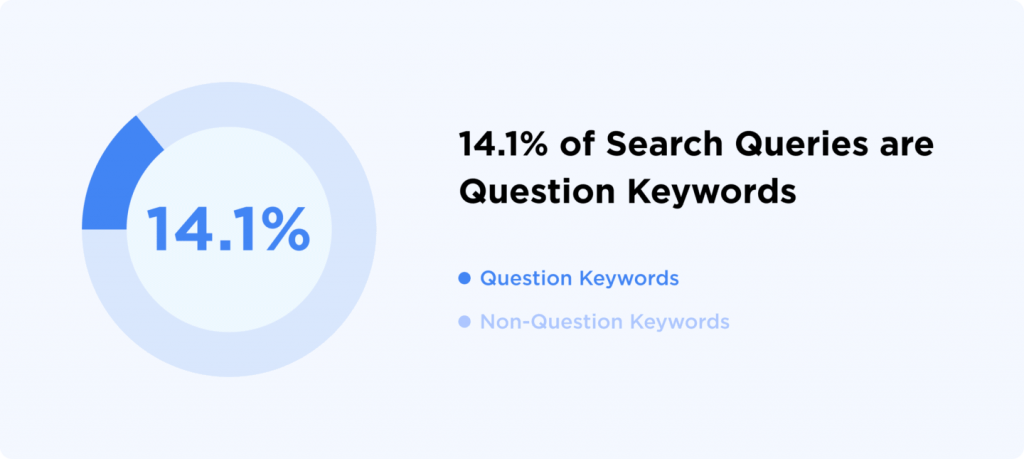
In the modern digital ecosystem, search queries have evolved far beyond rudimentary, fragmented phrases. Driven largely by the proliferation of voice-activated assistants and mobile search interfaces, contemporary internet users turn to search engines with complex, conversational queries. Recent algorithmic and market studies indicate that a staggering 14.1% of all Google searches—amounting to nearly 490 million inquiries daily based on 3.5 billion global daily searches—are explicitly phrased as questions.
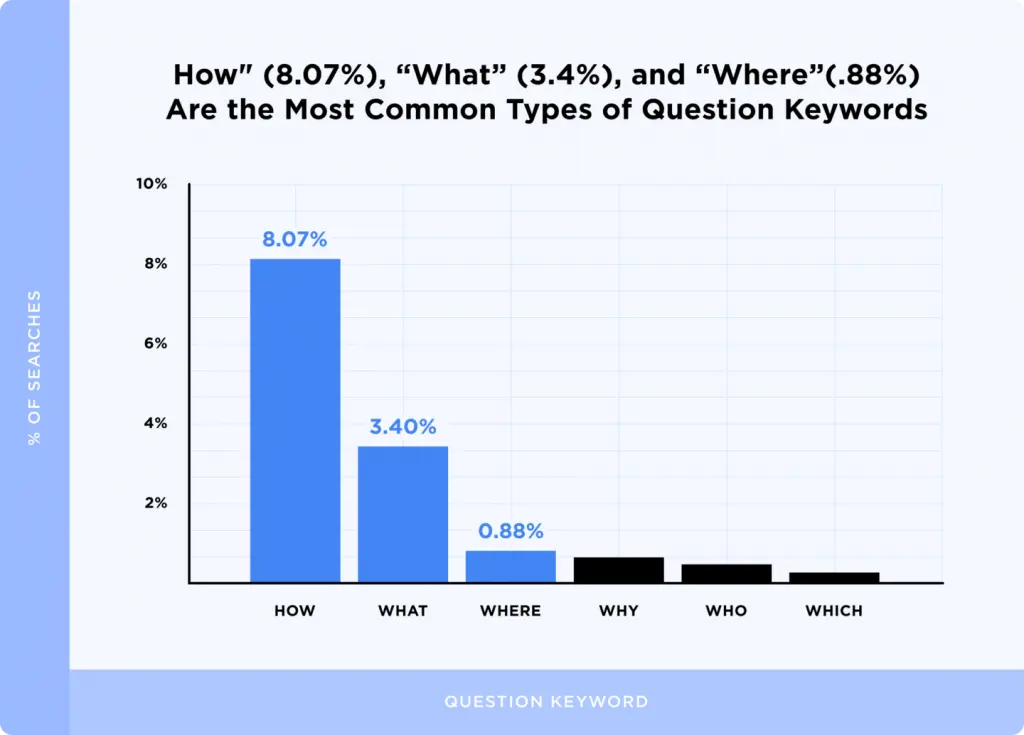
Among these, interrogative modifiers such as “how” (8.07%) and “what” (3.4%) dominate the digital landscape. For content strategists, digital marketers, and enterprise SEOs, this shift represents a foundational paradigm change. Question-based keywords offer two distinct competitive advantages: exceptionally high user intent and significantly lower keyword difficulty. By capturing these long-tail queries, businesses can directly position their products, services, or affiliate offers as definitive solutions to immediate consumer pain points.
This report outlines four actionable, scalable methodologies for uncovering and capitalizing on high-intent, low-competition question keywords. Leveraging industry-standard SEO platforms like Semrush, automated Chrome extensions, and niche online communities, digital professionals can systematically build robust content engines that turn casual searchers into high-value conversions.
The Economics of Interrogative Search: Why Question Keywords Matter
To understand the enduring value of question-based search optimization, one must first examine the psychological framework of the modern searcher. Unlike broad informational queries—such as "CRM software"—which can stem from casual curiosity or early-stage academic research, question-based keywords (“How do I integrate a CRM with an ERP system?”) indicate acute operational friction.

When a user inputs a question into a search engine, they are not merely browsing; they are experiencing a specific bottleneck and actively searching for an immediate, authoritative resolution. This distinction underpins the first major advantage of question optimization: unrivaled search intent. By preemptively answering these highly specific queries, brands earn the unique opportunity to integrate their product or service naturally into the problem-solving journey.

The second primary advantage is lower keyword competition. Broad-term optimization often requires monumental resource expenditure, including extensive content production and aggressive link-building campaigns to outrank established industry authorities. Conversely, hyper-specific, question-based long-tail terms frequently exhibit low Keyword Difficulty (KD) scores. Consequently, brands can frequently secure top-tier organic rankings on the first search engine results page (SERP) without engineering massive, monolithic pillar pages or orchestrating complex off-page backlink strategies.

Recognizing these dynamics, advanced search marketers have moved away from manual keyword hunting, instead adopting systematic, automated frameworks to extract interrogative opportunities at scale.

Method 1: Harnessing Dedicated Question-Based Keyword Reports
The foundational approach to scaling interrogative research begins within enterprise-grade SEO suites, such as Semrush or Ahrefs. These platforms feature dedicated reporting engines that allow users to input a broad seed topic and instantly filter millions of database entries down to purely question-based queries.

Executing the Workflow
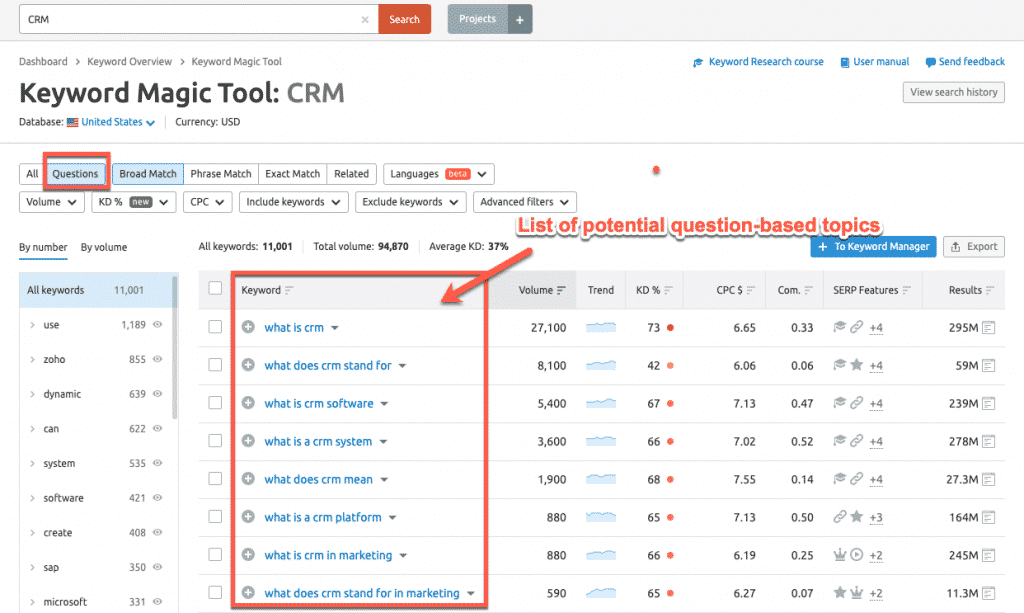
- Seed Topic Input: Navigate to the Keyword Magic Tool or equivalent module in your chosen SEO suite and enter your primary product, service, or industry category (e.g., “CRM”).
- Interrogative Filtering: Apply the built-in "Questions" filter tab to instantly strip away non-question variations, leaving a comprehensive repository of who, what, where, when, why, and how inquiries.
- Intent and Grouping Stratification: Utilize advanced intent and subtopic grouping filters to segment keywords by informational, commercial, or transactional intent.
As you navigate down the report, search volume metrics and KD percentages will guide your curation. At the top of the report, you will typically find high-volume, highly competitive broad questions (e.g., “What is a CRM?”). However, as you scroll deeper into the long-tail tiers, ultra-specific operational questions emerge—such as, "Can a CRM be integrated with an ERP?" or "What features to look for in a CRM database?"
This granular segmentation allows content teams to map specific articles directly to distinct buyer journey stages. For instance, an article answering the integration question can seamlessly demonstrate how a specific CRM interfaces with enterprise resource planning systems, directly converting high-intent traffic into qualified leads.
Method 2: Mining the "People Also Ask" (PAA) Ecosystem
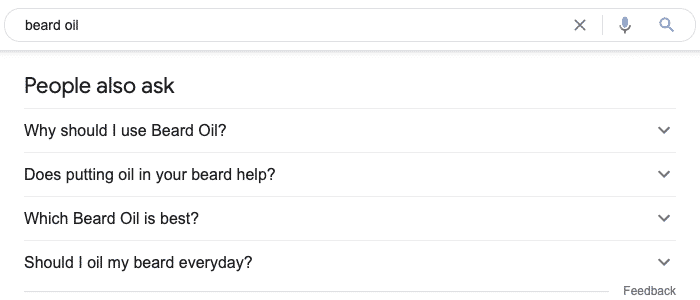
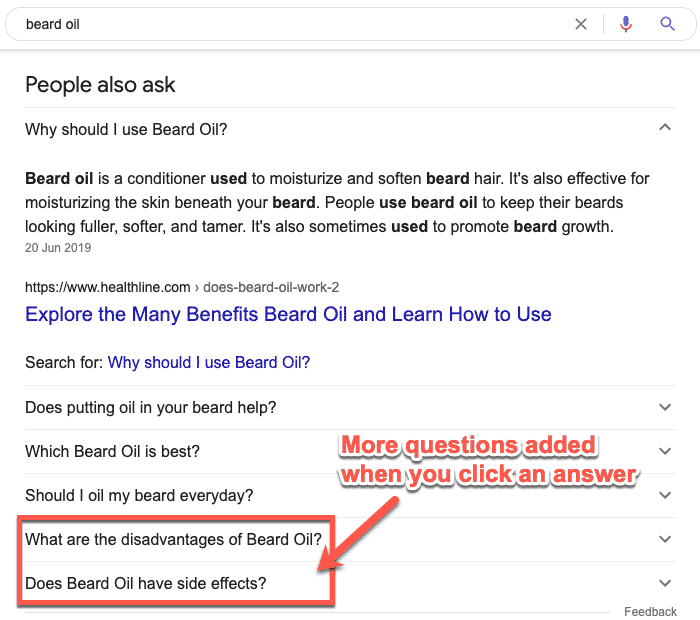
Google’s "People Also Ask" (PAA) boxes represent a goldmine of real-time consumer intent. These dynamic UI components display questions that real users are actively typing into search engines immediately following their initial query. However, manually expanding, copying, and pasting hundreds of PAA questions across various seed topics is an unsustainable operational bottleneck.

Automating PAA Extraction
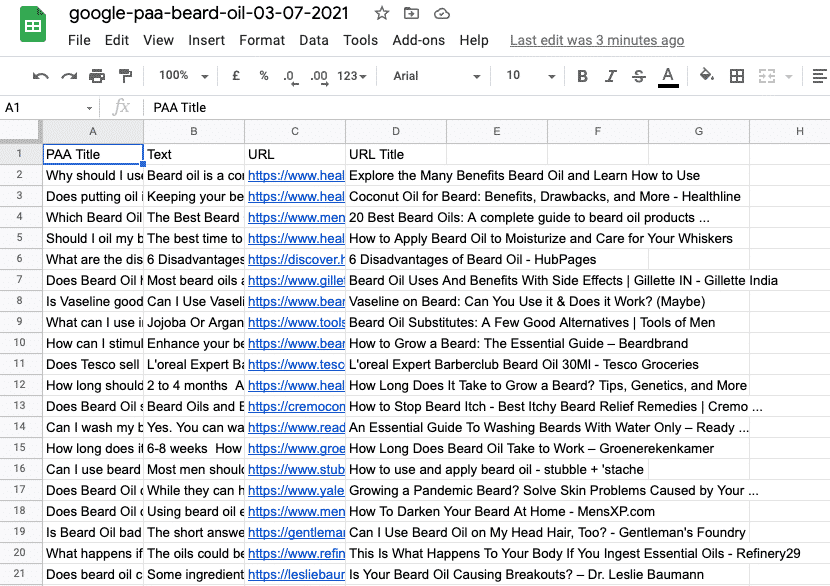
To bypass manual collection, modern SEO professionals deploy specialized browser automation tools, such as the free Chrome extension SEO Minion, coupled with bulk keyword analysis modules.
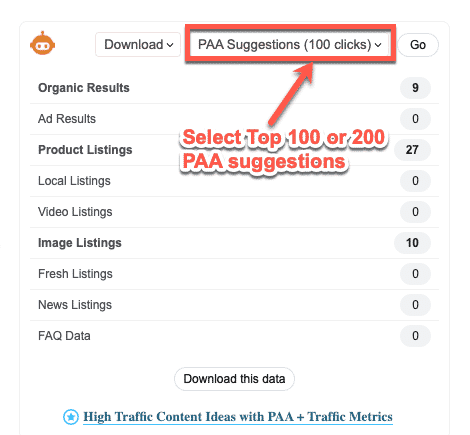
- SERP Scraping: Input your target seed keyword into Google. Once the SERP loads, activate the SEO Minion extension panel.
- Bulk Export: Select the "All Organic Results" or dedicated PAA export dropdown, and specify the desired volume of records (e.g., exporting the top 100 to 200 PAA queries).
- Data Processing: Export the resulting CSV file containing the PAA titles, text, URLs, and URL titles into a centralized spreadsheet.
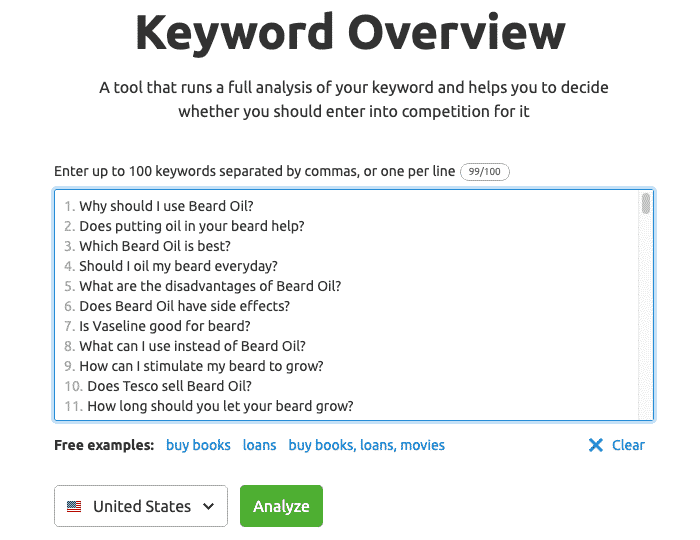
- Volume Enrichment: Copy the extracted question list from Column A and paste it into the Semrush Keyword Overview batch analysis tool.
By running this batch analysis, marketers instantly ingest crucial search volume metrics and KD scores for up to 100 questions simultaneously. While conversion yields per batch typically hover around 1% to 2% for top-tier, highly viable content topics, scaling this process across dozens of seed keywords yields a rich backlog of low-competition, high-yield blog posts, FAQ sections, and knowledge base articles.
Method 3: Uncovering Niche Pain Points in Subreddits
Online forums like Reddit represent unfiltered consumer dialogue. Users visit these communities to articulate precise frustrations, debate software capabilities, and ask highly specific peer-to-peer questions that rarely appear in traditional keyword research tools. Mining these discussions bridges the gap between theoretical search metrics and authentic market demand.
Strategic Subreddit Keyword Mining
- Community Identification: Search Reddit for subreddits associated with your industry, product category, competitor ecosystem, or target buyer persona (e.g.,
r/CRM). - Organic Research Integration: Take the specific URL or subfolder path of the targeted subreddit and paste it into the Organic Research module of an SEO platform like Semrush. Ensure the filter is restricted to the specific subfolder.
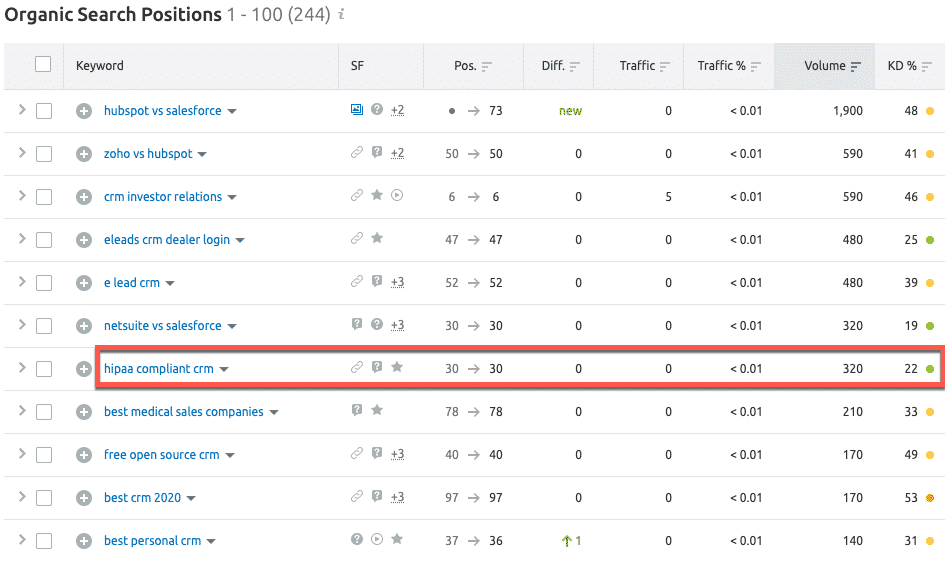
- Advanced Filtering: Apply strict filtering parameters to isolate valuable terms. For instance, filter for keywords with a search volume greater than 20 and set an advanced text filter to include word counts greater than two.
- Opportunity Curation: Review the resulting keyword list for favorable (green or light yellow) KD scores.
Through this method, hidden industry-specific queries emerge. For example, rather than competing for broad CRM terms, an analysis might surface a high-intent, low-difficulty query such as "HIPAA compliant CRM" or "Is HubSpot HIPAA compliant?"

For competing brands, these discoveries provide immediate differentiation angles. A company can construct authoritative, compliance-focused content addressing precisely why their platform satisfies medical data regulations while competitors fall short, capturing high-converting enterprise traffic with minimal friction.

Method 4: Exploiting High-Traffic Quora Threads
Similar to Reddit, Quora serves as a massive repository of user-generated inquiries. Because Quora’s domain authority allows its pages to rank prominently across diverse search verticals, mining high-traffic Quora threads reveals emerging consumer questions that may not yet be captured in standard keyword databases.

Execution Strategy
- Platform Filtering: Access the Organic Research report in Semrush and restrict the domain search to
quora.com. - Modifier Layering: Apply advanced matching filters to combine a broad topic modifier with interrogative terms (e.g., matching strings that contain both "beard oil" and "how", or "beard oil" and "best").
- Keyword Harvesting: Scan the filtered results for green-tier KD scores indicating low competition. Identify unique informational queries that surface via user curiosity on the forum.
- Master List Consolidation: Click the addition icon next to relevant terms to accumulate them directly into your keyword manager. Export the consolidated list to your content calendar for editorial assignment.
By analyzing what users are asking on Quora regarding your product category, you gain direct insight into the exact framing, phrasing, and informational gaps your audience experiences.

FUTURE OUTLOOK & STRATEGIC IMPLEMENTATION
As search engine algorithms continue to mature through advancements in natural language processing (NLP) and generative artificial intelligence (such as Google’s Search Generative Experience), the demand for precise, context-rich answers will only accelerate. Search engines increasingly prioritize content that demonstrates profound topical authority and directly resolves user intent in the fewest possible steps.
To future-proof your digital marketing strategy, organizations must transition from static keyword tracking to dynamic, intent-driven content creation:

- Centralize Data Pipelines: Aggregate data extracted from PAA scrapers, subreddit audits, and forum mining into a unified keyword management system.
- Build Comprehensive Content Hubs: Group related question keywords around core pillar pages to establish robust semantic topical authority.
- Empower Editorial Teams: Feed low-competition, high-intent question briefs directly to content writers, ensuring every published piece serves a distinct conversion or informational purpose.
By systematically deploying these four scaling methodologies, digital marketers can bypass saturated, high-cost keyword battles, tap directly into the 490 million daily questions asked online, and establish an unshakeable organic footprint.